
By Armin Sijamić
The war in the Gaza Strip between Israel and Hamas has been going on for seven months. In the devastated enclave, one city has been largely spared from heavy destruction. Rafah is the city being talked about around the world these days.
When Hamas attacked Israel on October 7, killing around 1,200 Israeli soldiers and civilians, it was clear that Tel Aviv would retaliate. But it was hard to imagine that Benjamin Netanyahu's right-wing government would remain silent to appeals from the West and the entire world, even after the International Court of Justice ordered it to stop genocidal acts.
Netanyahu, who according to Israeli media faces defeat in the next elections and prison for corruption, even stated that Israel would continue the war alone if its allies turned their backs. Proof of this is the refusal to accept a ceasefire, after Hamas buckled under pressure and agreed to the proposed offer, which is largely supported by the United States, Qatar, and Egypt.
By agreeing to a truce, Hamas exposed Netanyahu's positions, as many believed Hamas would not agree to a deal that did not mean the end of the war. Thus, Netanyahu, although few doubted it, proved to be the biggest obstacle to ending the fighting. Previously, Netanyahu, with the support of some media and Western officials, tried to blame Hamas.
The reason Netanyahu cites for not ending the war is the city of Rafah, located in the southern Gaza Strip, bordering Egypt. The Israeli prime minister claims that "Hamas battalions" are hiding there and that the city must be attacked to defeat the group he considers a threat to Israel's existence. He has set "the destruction of Hamas" as the main goal of the war.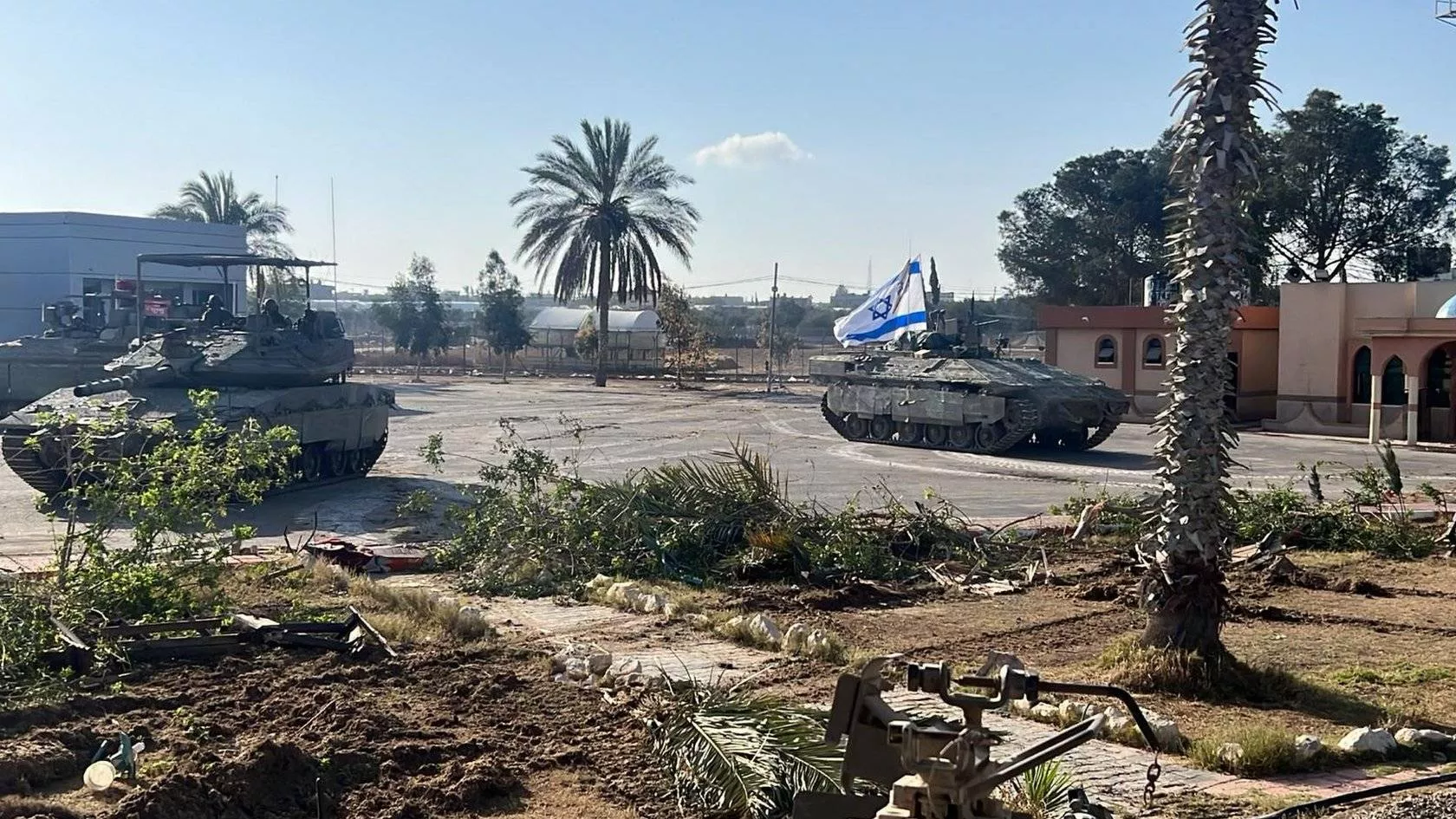
Last refuge
The intention to attack Rafah sends chills down the spine. United Nations agencies, humanitarian organizations, officials, and those familiar with the situation on the ground say that an attack on this city would be a catastrophe, as if the over 34,000 dead Palestinians, mostly children and women, were not enough.
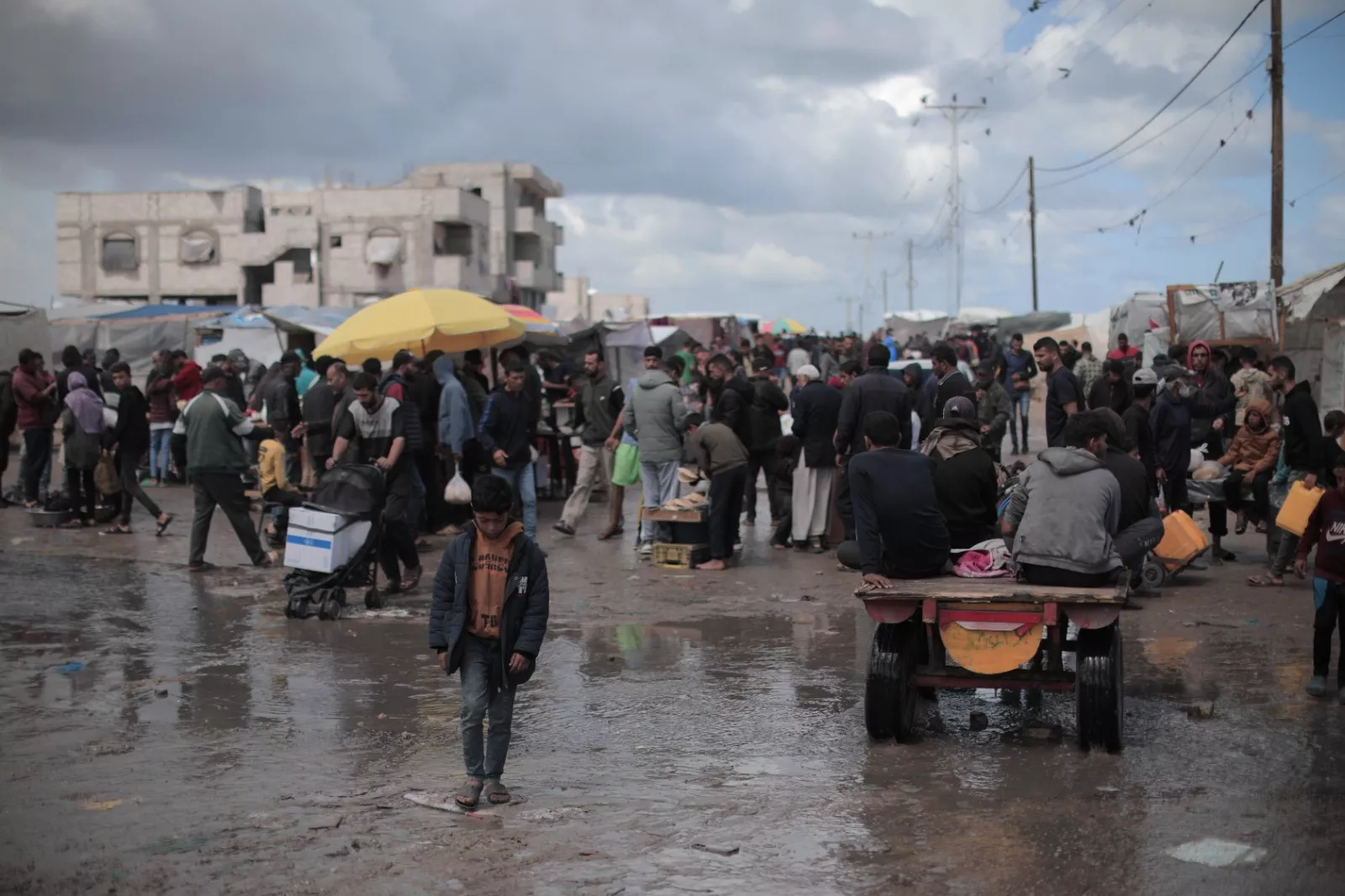
Rafah is home to 1.2 million Palestinians who fled from the rest of the Gaza Strip at Israel's order. Tel Aviv told them to go to the southern Gaza Strip while the Israeli army advanced from the north. Palestinians have nowhere to go, as Egypt has closed its borders, and the rest of the enclave is mostly destroyed. It is difficult to organize life for such a large number of people outside of Rafah, given that the infrastructure has been destroyed.
Humanitarian organizations say that Rafah is a crucial place for providing aid to Palestinians, as the Kerem Shalom border crossing, which connects the Gaza Strip, Israel, and Egypt, is nearby. Water, food, fuel, medicine, and other necessities are delivered to the Gaza Strip through there. The start of fighting in that city would likely mean a reduction or complete cessation of aid delivery, which has already been insufficient, according to humanitarian workers. In addition, severely wounded Palestinians and foreign nationals were evacuated from Rafah in the first weeks of the war.
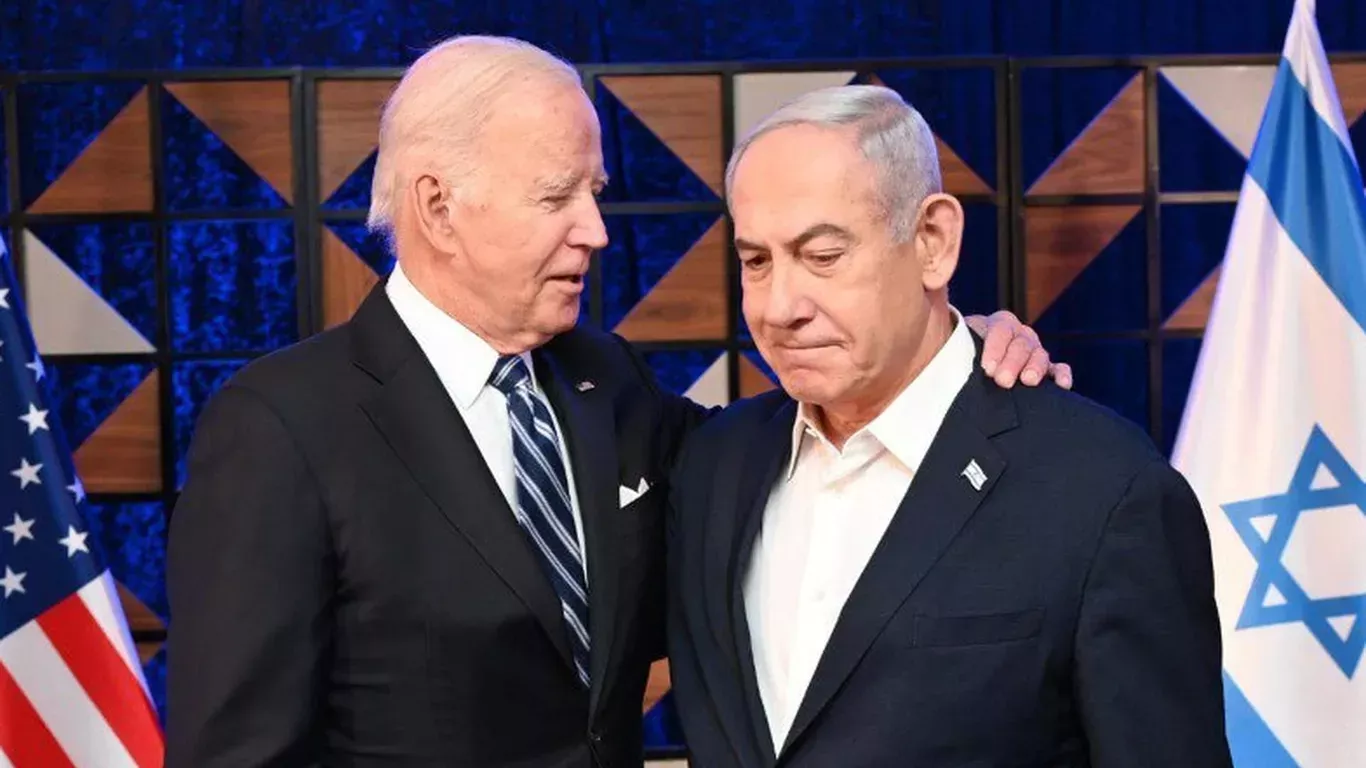
US officials have repeatedly stated that they want to see a "credible plan" from Netanyahu's government that civilians will be protected in the event of a military operation in Rafah, opposing an attack if such a plan does not exist. Saving face in front of the world, as they rarely criticize their allies in Tel Aviv publicly, they admitted that such a plan does not exist.
Every bomb kills
Rafah is a city long divided by a border and a wall. As a result of the war, Israel and Egypt divided the city into two parts, and the part that remained in Egypt was eventually demolished and its population relocated. A similar situation occurred on the Palestinian side, which was controlled by Israel until the end of 2005. Before the army withdrew, the authorities ordered Rafah to be destroyed, which was carried out. The goal of this destruction was to displace Palestinians towards the Sinai Peninsula, i.e., Egypt.
However, this did not happen, partly because various countries helped to build reception centers, or entire housing blocks. According to the 2017 census, Rafah in the Gaza Strip had just over 170,000 inhabitants. Even before the war began in October, the city was in a dire state, and with 1.2 million new residents, the situation became desperate.
UNICEF warned yesterday that an Israeli attack on Rafah would endanger as many as 600,000 children, about 78,000 infants under two years old, and about 175,000 children under five, nine out of ten of whom are infected with one or more infectious diseases. UNICEF states that about 65,000 children already have some disabilities, including difficulties with vision, hearing, walking, understanding, and learning; nearly 8,000 children under two years old are acutely malnourished; almost all children already need specialists due to impaired mental health. UNICEF reported that some individuals have been displaced multiple times. The same UN agency estimates that 20,000 people live per square kilometer in Rafah. The majority of these people live in makeshift camps, or tents.
Therefore, it is clear why there is so much concern. People who have nowhere to go or take shelter face the threat of mass killing. The Israeli authorities have already approved an attack on Rafah, on its eastern parts, and told the residents to flee. According to information from the ground, the Israeli army has already occupied the Rafah border crossing on the Palestinian side.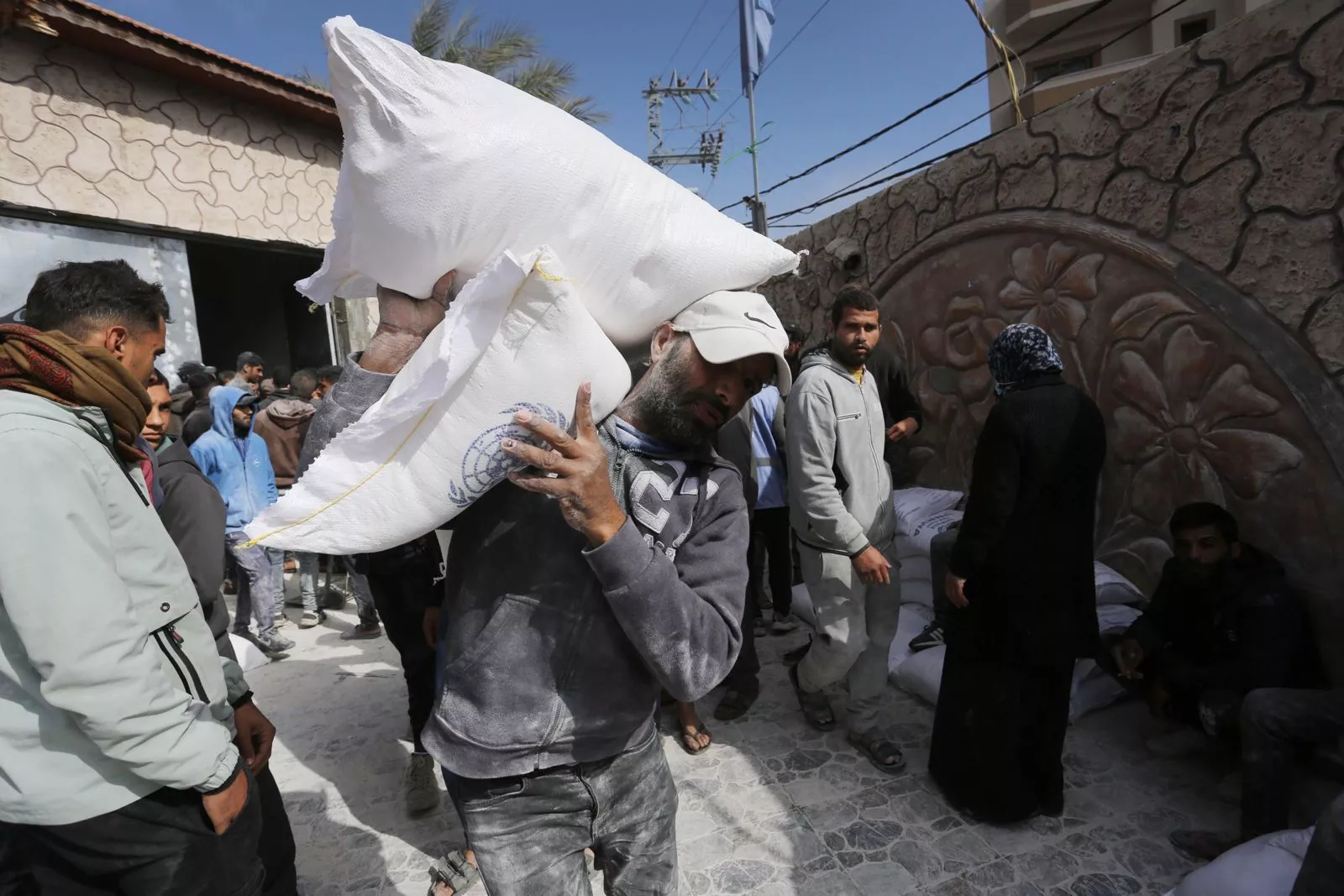
Are there red lines?
Yesterday, Israel carried out operations in Rafah and claimed to have killed about twenty armed Palestinians. Hamas stated that it would fight against the Israeli army, and witnesses from the ground report that there have already been civilian casualties after Israeli attacks. In other words, what happened in other parts of the Gaza Strip in recent months is being repeated.
In addition, for the first time since 2005, Israel has taken control of the border between the Gaza Strip and Egypt, i.e., the "Philadelphi Corridor," a fourteen-kilometer-long land strip agreed upon in the Israeli-Egyptian peace treaty of 1979. According to that treaty, the border between the Gaza Strip and Egypt was secured by the Israeli army and the Egyptian police. After Israel's withdrawal, Hamas took control of the border on the Palestinian side in 2007. In addition, Hamas built illegal tunnels to Egypt in that area, thus supplying itself.
Egypt had previously warned Israel not to take such a step, claiming it would damage relations between the two countries, and some interpreted it as a threat of force. According to the agreement, Israel does not have the right to deploy troops in certain sectors, and taking control of the "Philadelphi Corridor" is, according to Egypt, a violation of the peace treaty.
In February, media reported, citing satellite imagery, that Egypt was building a wall up to seven meters high along the Gaza Strip to prevent Palestinians from crossing the border. Cairo fears a repeat of the 1948 scenario when about 750,000 Palestinians fled to Egypt. Some media claimed that Egypt was building settlements for displaced Palestinians along its border, but Cairo responded that these were logistical facilities and not intended for Palestinian refugees.
In the coming days, Rafah will be at the top of the priority list for American and Middle Eastern diplomats. The truce that Hamas accepted was a way to avoid an Israeli attack on Rafah. Since there is no truce, Netanyahu will have a new excuse to attack and thus cause damage to the civilian population and infrastructure, just as has been the case for the past seven months. The question remains whether Arab states and the West will now take different positions.
Komentari (0)
Prijavite se za komentiranje
PrijavaJos nema komentara. Budite prvi!
Minuta
Sve →Iz drugih kategorija

High Representative Not Elected: Germans, French and British Against Americans, New Attempt at End of June

ČOVIĆ WITHOUT MERCY: How Those Who Brought Ademović to Office Created a Political Hell for Him



Sunny Saturday, quite warm



Tragedy in Albanian resort: Two minors drown












