
By Armin Sijamić
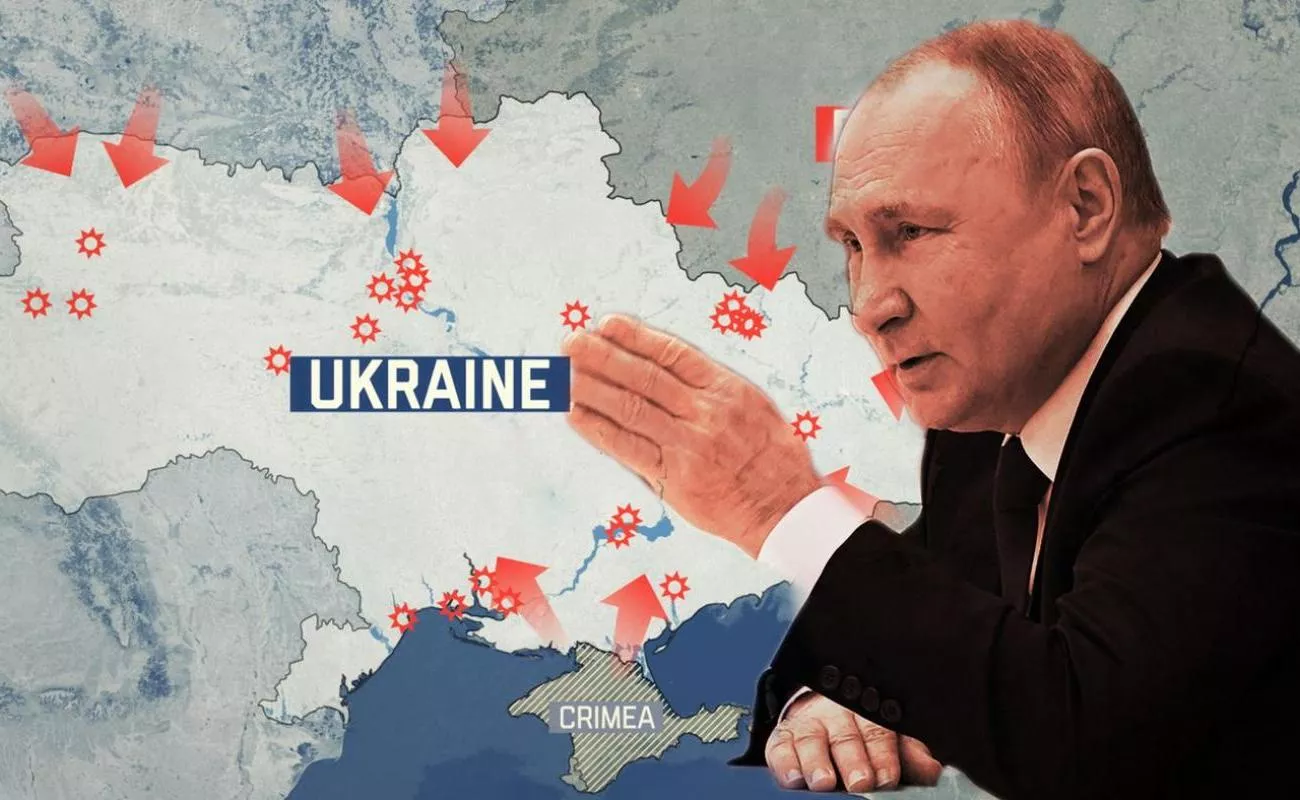
Yesterday marked the fourth year of Russian aggression against Ukraine. The decision of Russian President Vladimir Putin to attack the neighboring country has brought killing and destruction to both sides of the border and a new dynamic to relations in Europe and the West.
When Vladimir Putin ordered Russian troops to attack Ukraine from multiple directions on February 24, 2022, he was convinced that Kyiv would fall quickly. Long and unprotected columns of armored vehicles on Ukrainian roads through vast plains showed that the Kremlin believed that the Ukrainians, despite Putin having denied the existence of their nation and called their leaders "Nazis" and "drug addicts" in his previous texts and speeches, would welcome the Russian army with open arms.
This, of course, did not happen, and the Ukrainians put up a heroic resistance that continues to this day. Even today, among proponents of pro-Russian policy, the question circulates as to how it is possible, as they say, that "Ukraine became anti-Russian" in such a short time. These circles will not ask how Russia has lost its reputation among many peoples who live with and alongside Russians.
Nor did they ask this question in the Kremlin when they ordered the Russian army to attack Ukraine and try to prevent it from approaching the rest of Europe, even though they regularly speak of Russia as the protector of Slavic peoples, who have overwhelmingly chosen the side opposite to Moscow. For example, even before the Russian aggression against Ukraine, and even today, Putin is closer to policies in the Balkans that have committed genocide against, as the Russians say, a "brotherly Slavic people," than to their victims, and the Kremlin does not miss an opportunity to emphasize this.
Putin's Reason
Millions of dead, wounded, and displaced people in Ukraine and Russia should be a reason for the Russian side to ask themselves how this came about and to remember how Putin justified the war. The justification for destroying a "brotherly" state, reflected in massive attacks on Ukraine's energy infrastructure and production facilities, was found in Kyiv's intention to approach NATO. Not long after the attack on Ukraine, Sweden and Finland joined NATO. The Baltic Sea became a "NATO sea," and Putin's native St. Petersburg found itself about 120 kilometers from the NATO border. Putin said at the time that this was not a threat to Russia.
That was not the end of Putin's miscalculations. He did not receive the support of a large number of countries for the aggression against Ukraine, which was shown in numerous votes in the United Nations General Assembly, even after Donald Trump's return to the White House, which kept the United States abstaining in such votes.
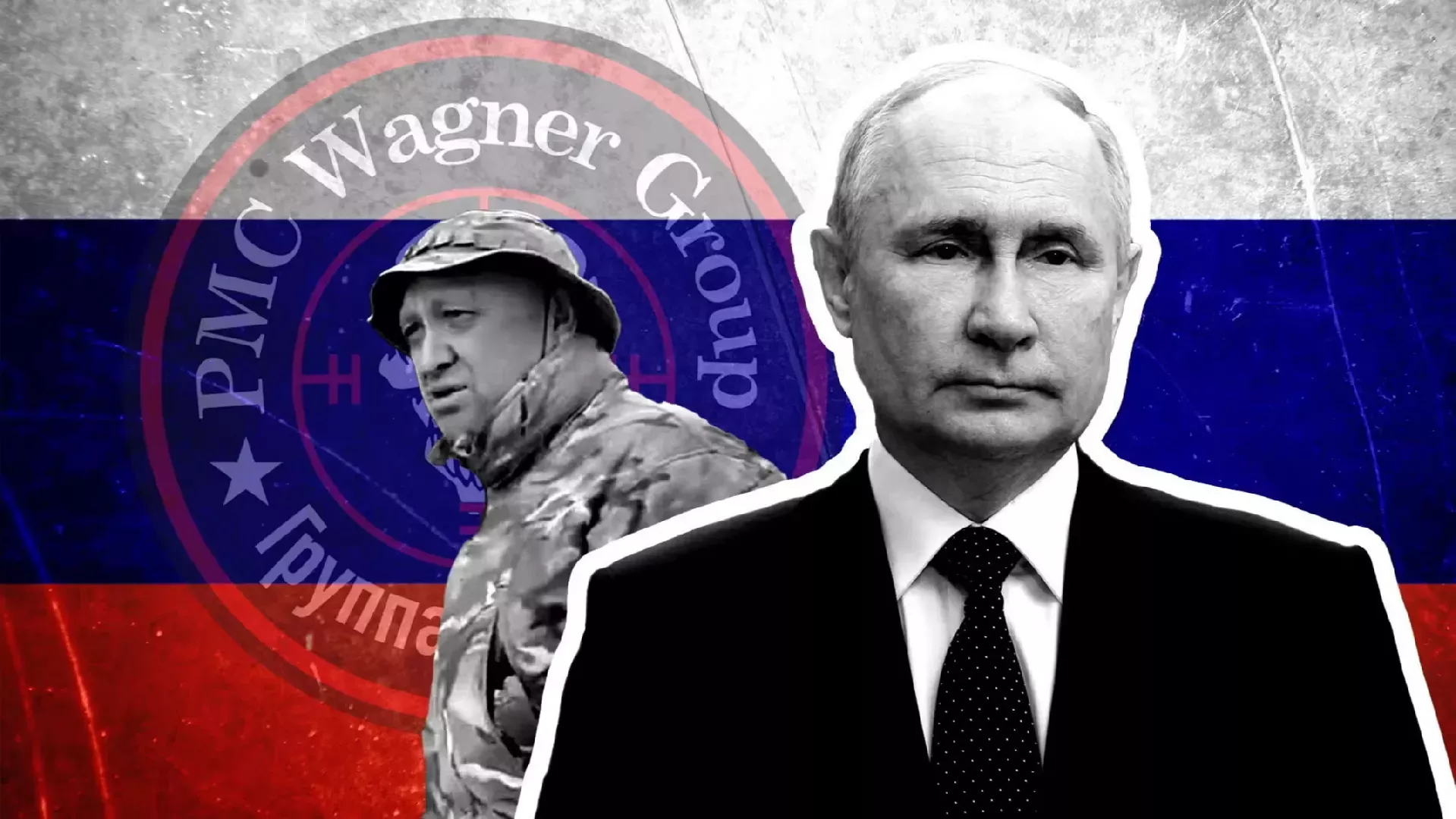
Putin's war in Ukraine has divided society, as well as the security and military sectors in Russia. Countless dismissals and mysterious deaths of Russian officers, mutual accusations, and the rebellion of Wagner group mercenaries show how poorly Putin assessed the situation in Ukraine, or rather, how poorly he conducted the policy, at home and abroad, that preceded the decision for a military attack on the neighboring country.
On the international scene, Russia has become increasingly isolated, especially in Europe, which is abandoning Russian energy and causing great damage to itself and Moscow. This move by Europe indicates that many on the Old Continent believe that cooperation with Putin's Russia is not possible and that the Kremlin must seek allies elsewhere.
Russia's involvement in Ukraine has led to other consequences for the Kremlin. Azerbaijan broke the Armenian rebellion and took an important card from Russia in its positioning in the Caucasus; Bashar al-Assad's government fell in Syria after years of wrong Russian policy towards the conflict between Damascus and Israel; in Venezuela, Trump seized President Nicolás Maduro Moros; Cuba ran out of fuel and is under an American blockade; and Iran has been threatened with a new US-Israeli attack for months.
Ukraine's Concerns and Putin's Chance
Ukraine is suffering enormous human and material losses. Hundreds of thousands of people have been killed or wounded, and millions have been displaced worldwide. On Monday, the World Bank, the United Nations, and the European Commission estimated that the reconstruction of Ukraine would cost $588 billion, and let's add that Trump is conditioning Kyiv to pay debts and for protection with concessions to American companies. Nevertheless, Ukraine is still holding on, while the army has achieved symbolic successes in a small counteroffensive in the south of the country in recent days.
But no one knows how long this will last. Ukraine has been concerned about two things since the beginning of the war: a lack of material and technical resources and a possible shortage of manpower. European allies, gathered by former US President Joseph Biden, are somehow addressing the first concern, while the issue of mobilization in Ukraine remains one of the most important questions. Russians have long counted on Ukraine quickly running out of soldiers, while Europeans claim they are building the most powerful European force out of the Ukrainian army.
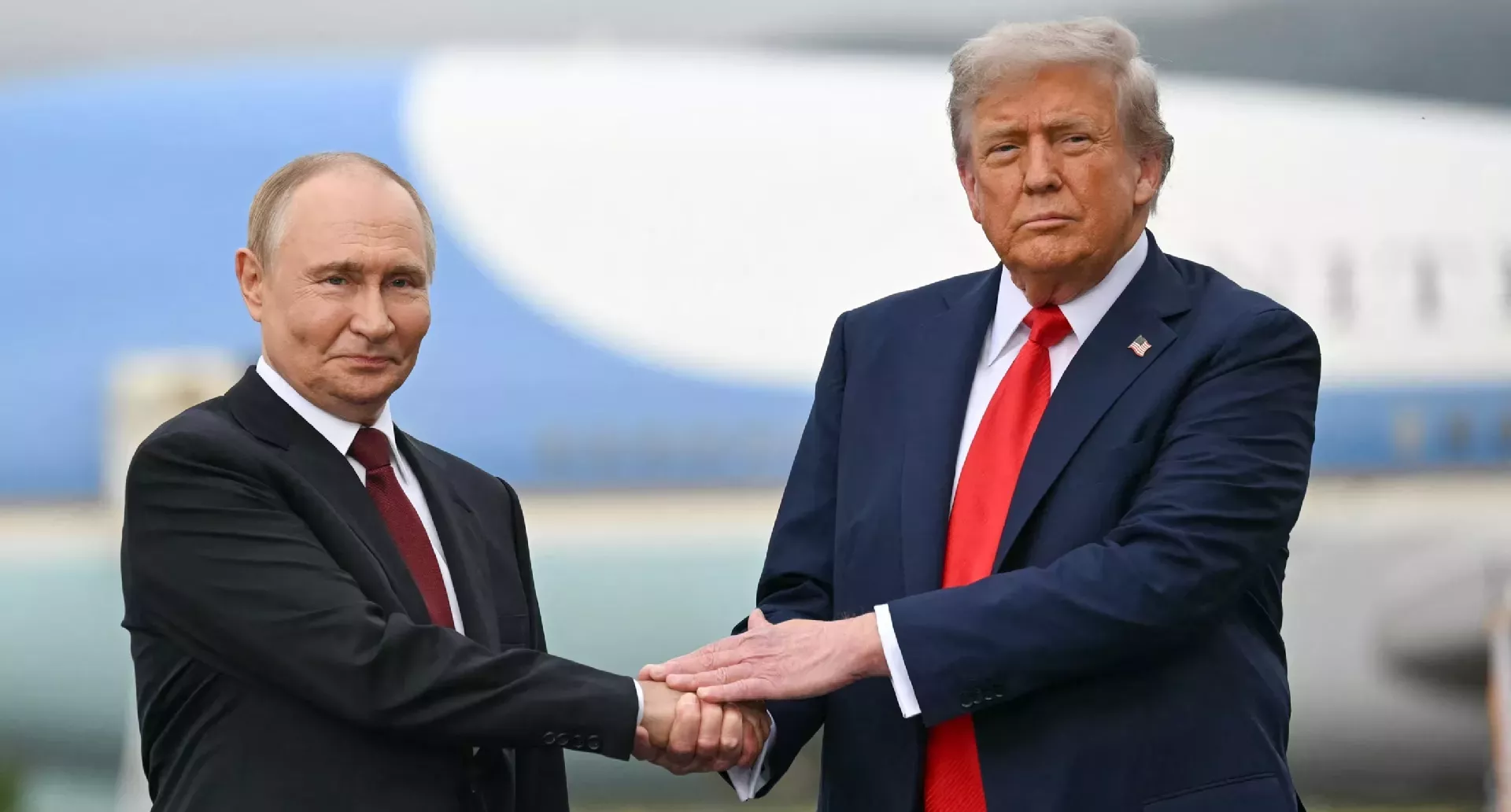
Trump's return to the White House has brought a new concern to Ukraine. The new US president is ready to cede parts of Ukrainian territory to Russia, fulfill various Putin's demands, and effectively undermine the common Western policy pursued over the last four years.
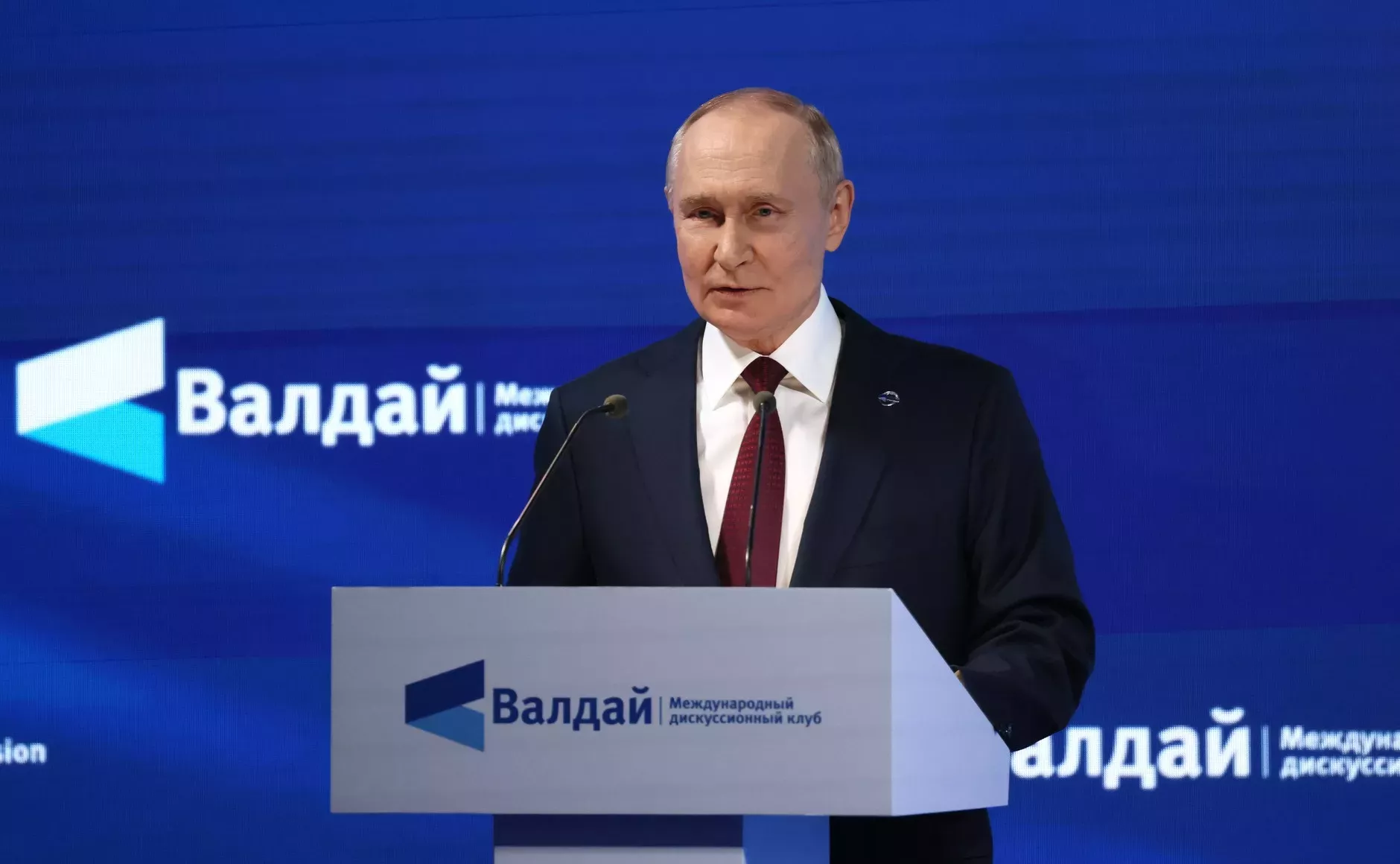
Trump's intention to end the Ukrainian war through negotiations with Putin and without the participation of European allies, and to seize Ukrainian-Russian resources, using the fact that both sides are tired of war and want peace, has emerged as a new great opportunity for Putin to achieve any kind of victory in Ukraine. Trump's policy, which even his Republicans sometimes do not approve of, is an opportunity for Putin.
At the same time, Russia's chances of achieving what it could declare a victory in Ukraine are diminishing every day, unless Trump or the West helps with the wrong policy, as Moscow is suffering severe blows from multiple sides.
International sanctions and economic problems in Russia, the cessation of energy supplies to Europe and other markets, the expansion of NATO and increased defense spending by member states, Ukrainian attacks on strategically important bases, facilities, and the power grid, the fall of Russian allies around the world, and millions of human losses make the price of any potential victory in Ukraine exceptionally high. In other words, even if Putin wins, the question remains whether it will be even a Pyrrhic victory for Russia.
Komentari (0)
Prijavite se za komentiranje
PrijavaJos nema komentara. Budite prvi!
Minuta
Sve →Iz drugih kategorija

High Representative Not Elected: Germans, French and British Against Americans, New Attempt at End of June

ČOVIĆ WITHOUT MERCY: How Those Who Brought Ademović to Office Created a Political Hell for Him



Sunny Saturday, quite warm



Tragedy in Albanian resort: Two minors drown












