
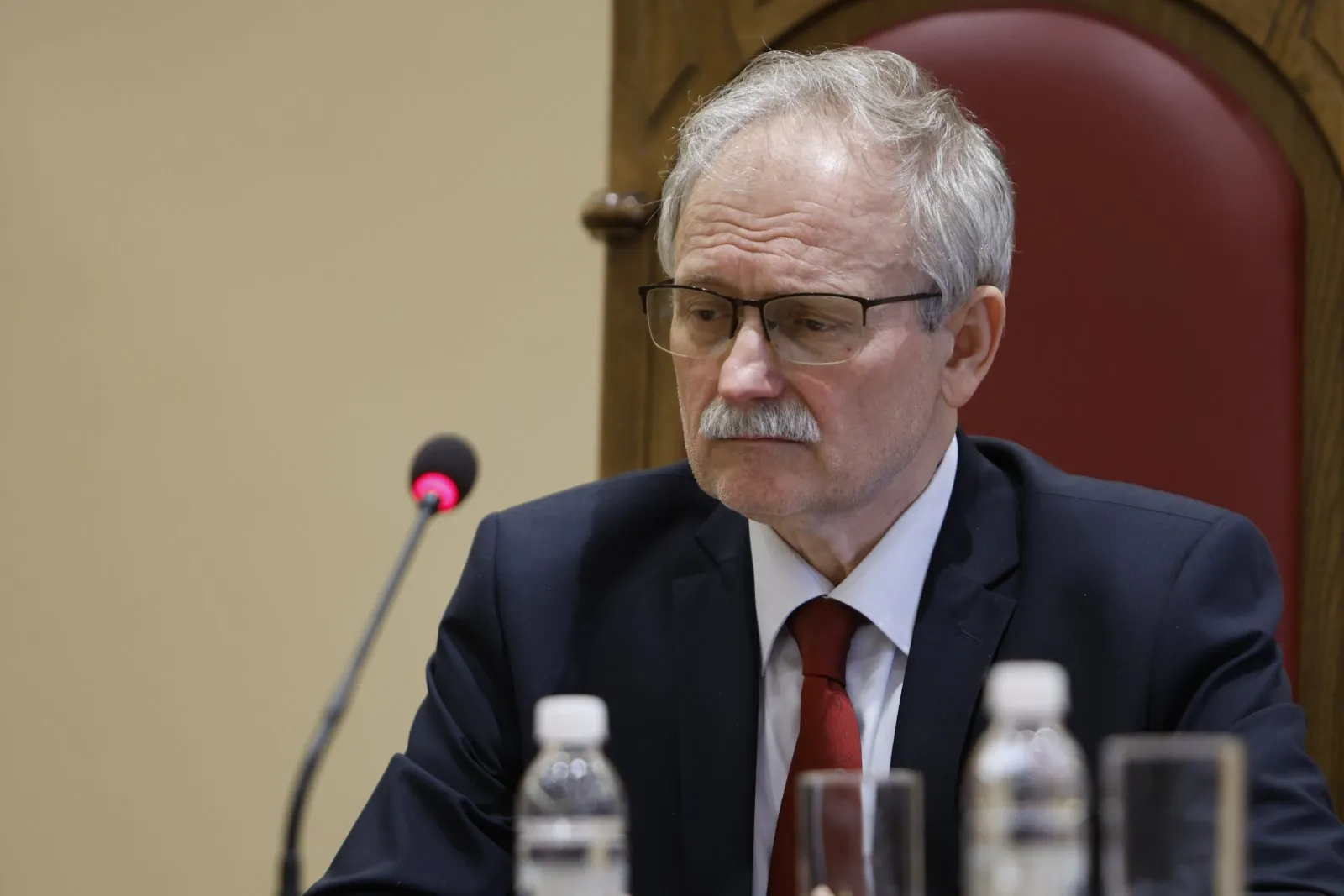
(Patria) - President of the Constitutional Court of Bosnia and Herzegovina Mirsad Ćeman warned today that the institution is facing serious consequences due to the incomplete judicial composition, stating that the number of unresolved cases reached 13,625 by the end of last year, while before the emergence of the judicial deficit, as he said, there were fewer than 3,000.
At a media conference where the Court's results for 2025 were presented, Ćeman said that 5,671 cases were received last year, while 2,503 were resolved, emphasizing that the Court without a functional Grand Chamber is unable to respond to the influx of cases within reasonable deadlines.
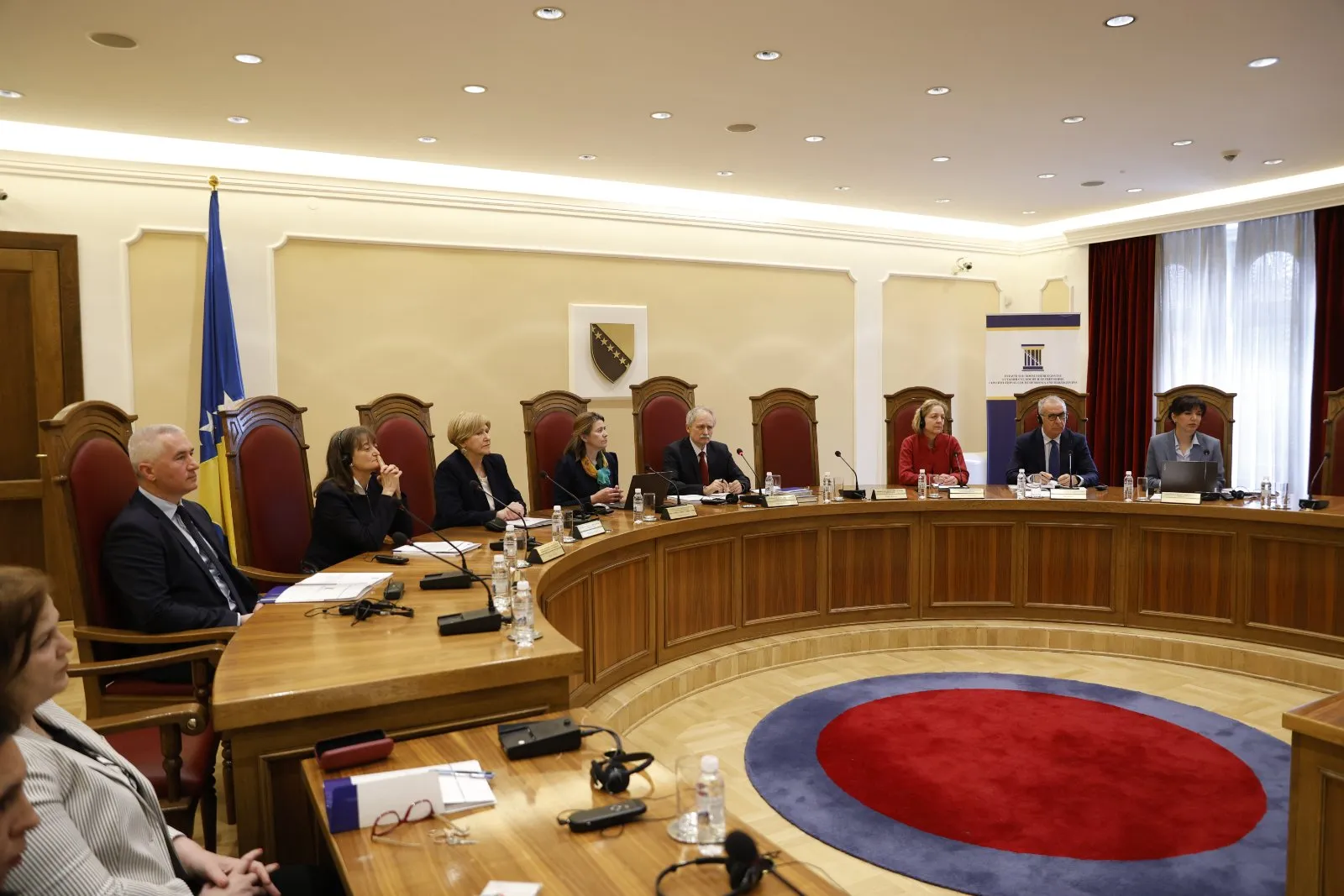
According to him, the Grand Chamber previously resolved more than 99 percent of cases, but due to the lack of judges, the Court now decides mostly at plenary sessions, which further slows down the work.
- I urge the authorities to elect the missing judges, elect them on time. Do not let anyone, motivated by anything, cast doubt on the constitutionality, legality and legitimacy of the Constitutional Court - said Ćeman, assessing that the Court remains constitutional, legal and legitimate even in its reduced composition.
He emphasized that the continuous influx of appeals from all over Bosnia and Herzegovina shows that citizens still have confidence in the Constitutional Court, but due to the existing circumstances, the Court cannot decide within a reasonable time, which, as he noted, leads to increasingly frequent appeals by citizens to the European Court of Human Rights due to violation of the right to trial within a reasonable time.
Ćeman said that the Court currently has more than 5,000 draft decisions prepared, but cannot decide on them due to limited resources and operation exclusively at plenary sessions.
He particularly thanked the international judges, stating that without their additional engagement, the Court would almost have reached the brink of complete paralysis.
Court Vice-President Valerija Galić warned that non-execution of the Constitutional Court's decisions represents an issue of constitutional order, rule of law and citizens' trust in state institutions.
She reminded that the Constitutional Court's decisions, according to the Constitution of Bosnia and Herzegovina, have a final and binding character, but have been facing the problem of non-enforcement for years, citing as examples cases related to the Statute of the City of Mostar, the Law on the Sale of Apartments with Tenancy Rights and the BiH Election Law.
- Some authorities have continued to apply provisions that the Constitutional Court had previously declared unconstitutional, while systemic problems have been identified in appellate cases regarding the length of judicial proceedings, enforcement of final judgments, old foreign currency savings, military apartments and other issues - said Galić.
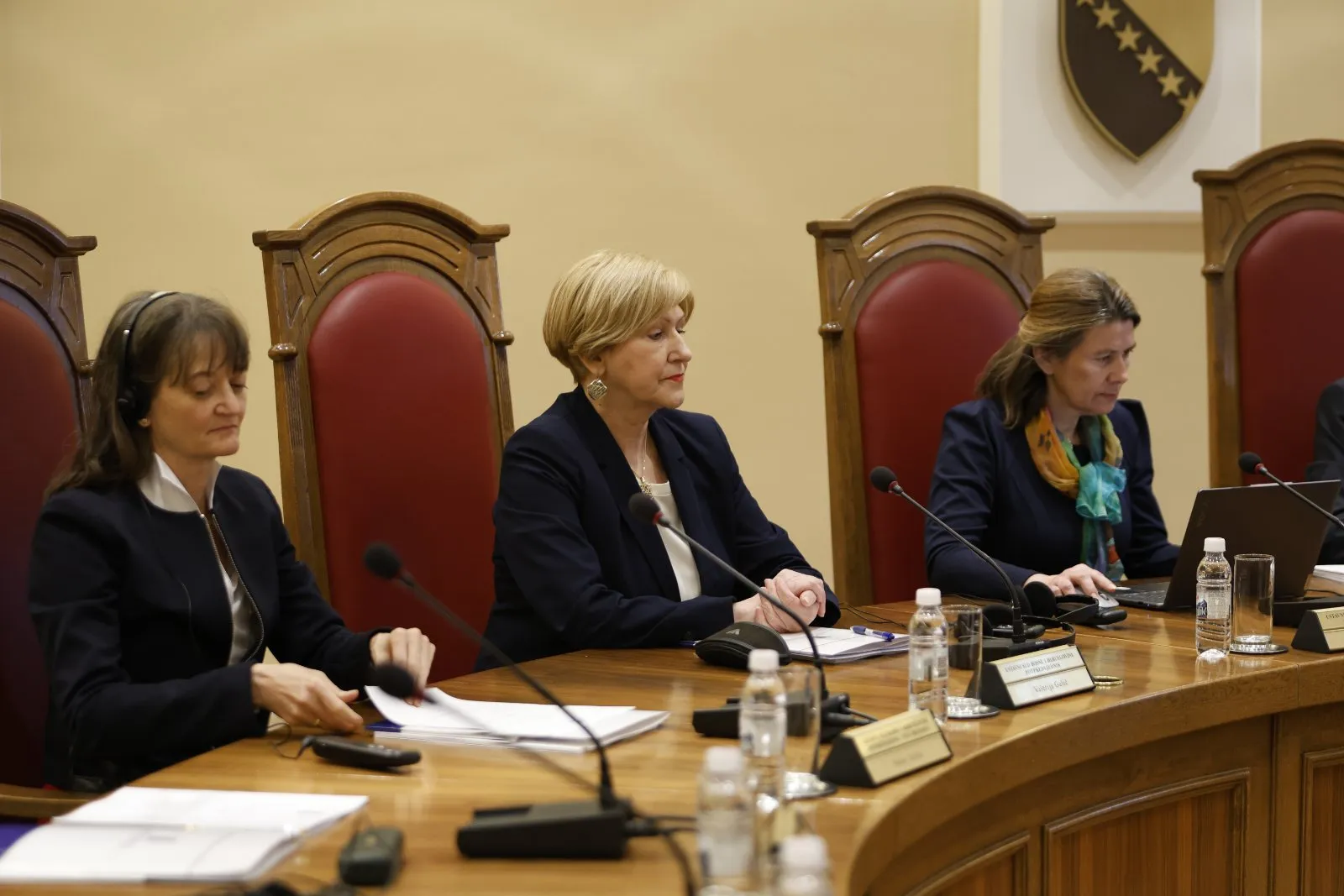 Judge Valerija Galić in the middle (Photo: Patria)
She stated that it is precisely the non-enforcement of the Constitutional Court's decisions that has led to the European Court of Human Rights finding violations of human rights in cases from Bosnia and Herzegovina.
Speaking about statistics from Strasbourg, she said that the European Court considered 312 items from BiH in 2023, of which 306 were declared inadmissible or struck from the list, while in 2024, out of 142 applications, 140 were rejected or struck off.
According to the data she presented, in 2025 the European Court received 328 applications from BiH, of which 326 were declared inadmissible or struck from the list, while two judgments were issued finding a violation of rights under the European Convention.
International judge Angelika Nußberger assessed that the Constitutional Court of BiH is a specific and advanced European institution due to the combined composition of domestic and international judges and the direct application of the European Convention on Human Rights.
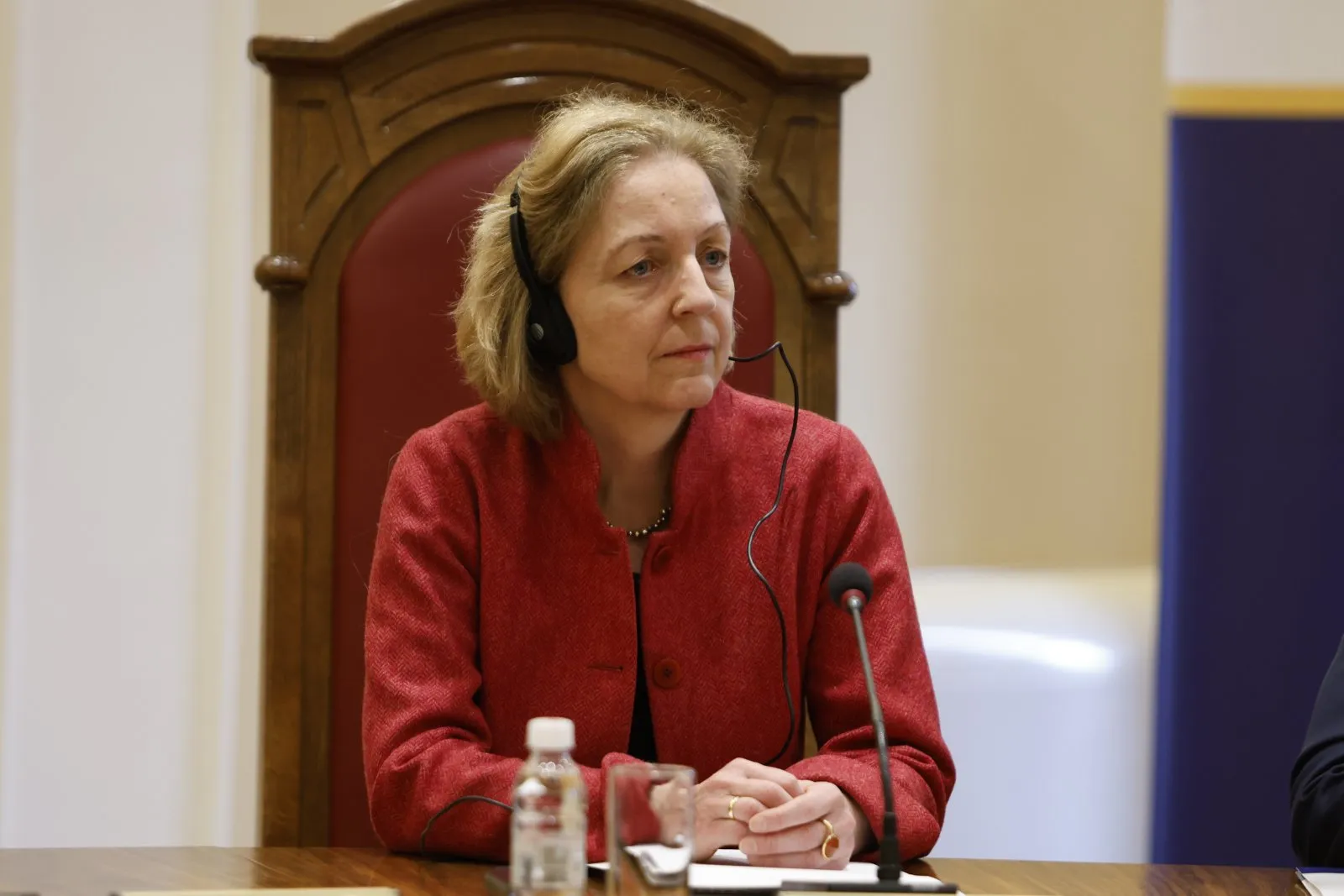 International judge Angelika Nußberger (Photo: Patria)
She said that international judges actively participate in the work on all cases and administrative issues after the Court was left without a full composition, which has further slowed down processes due to the need to translate a large amount of material.
- For outside observers, despite the absence of two judges, the work is not blocked. The Constitutional Court operates, and its case law is relevant for the entire region and Europe - said Nußberger.
Judge Larisa Velić highlighted the importance of transparency in the Constitutional Court's work and bringing the institution closer to the public through the publication of decisions, bulletins and expert publications.
She noted that the Court through its practice decides on the most important socio-political issues, including state property, forests, agricultural land, water resources and issues of competence of different levels of authority.
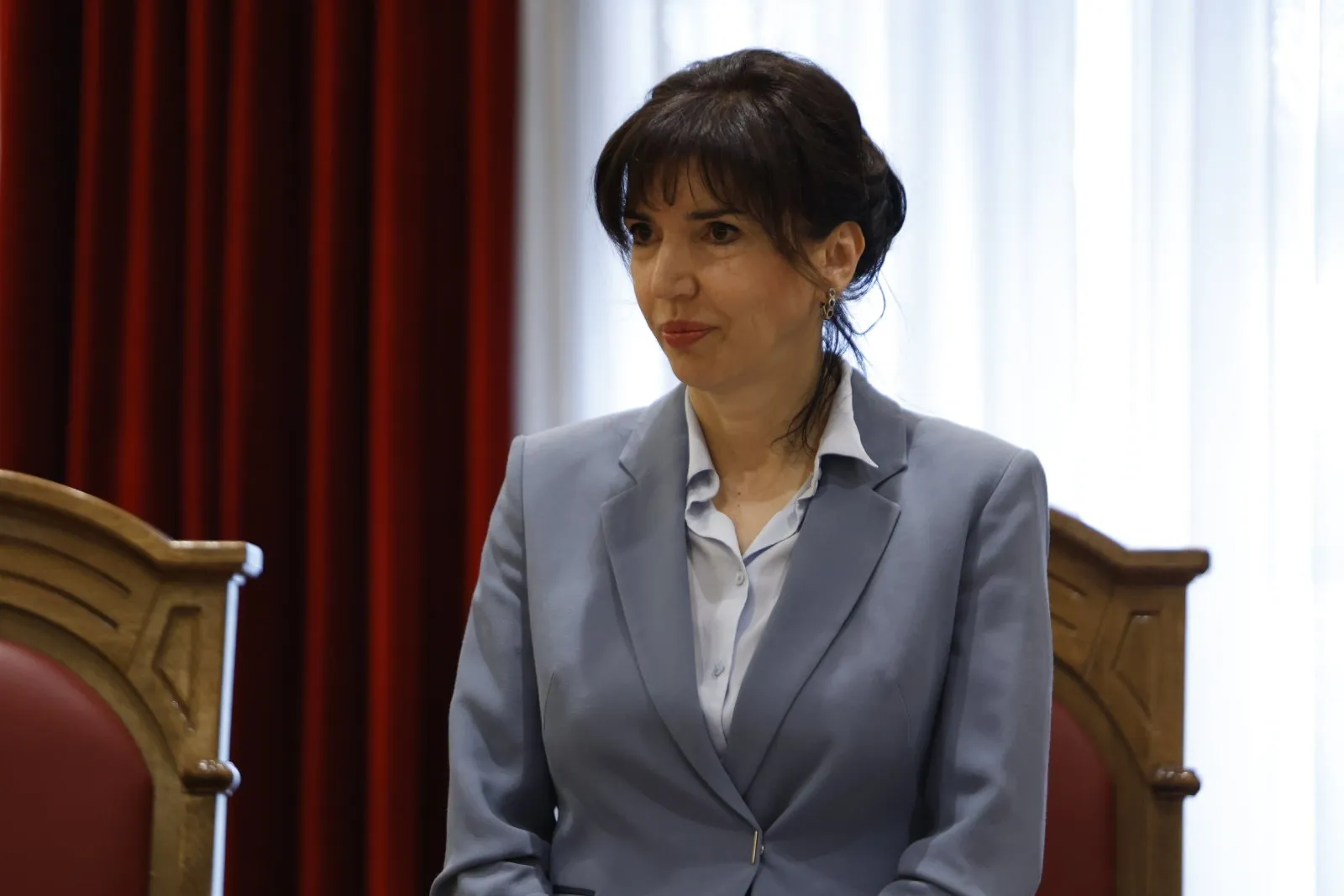 Judge Larisa Velić (Photo: Patria)
Speaking about the role of the High Representative, Velić reminded that the Constitutional Court as early as 2000 took the position that it has no jurisdiction to review the powers of the High Representative, but can assess the constitutionality of laws enacted by the High Representative.
On the composition of the Constitutional Court, Mirsad Ćeman emphasized that judges are not elected as representatives of the people, but according to the territorial principle defined by the Constitution of Bosnia and Herzegovina.
- Constitutional judges are not elected as representatives, nor as members of any people, but two from Republika Srpska and four from the Federation of Bosnia and Herzegovina - said Ćeman.
He added that the Constitution and the Court's rules do not require ethnic composition in decision-making, but only the existence of the necessary majority, emphasizing that each judge's vote is equally valid, regardless of whether it is a domestic or international judge
Judge Velić, speaking about state property, reminded that the Constitutional Court had previously taken the position that the Parliamentary Assembly of Bosnia and Herzegovina should enact a law on state property, and that a temporary ban on disposal of state property defines what is considered state property.
According to her, state property consists of immovable property that accrued to Bosnia and Herzegovina on the basis of succession from the former SFRY, as well as property that was disposed of by the former Socialist Republic of Bosnia and Herzegovina, including forests, rivers, agricultural land and waters.
Velić warned that the failure to adopt a law on state property continues to represent a serious problem, especially in the context of implementing the Law on the Southern Interconnection, adding that she expects new cases before the Constitutional Court regarding this issue.
She also emphasized that eventual rezoning of land through spatial plans or expansion of construction zones does not mean an automatic change of ownership title.
She reminded that under the former Law on Construction Land, the municipality became the holder of disposal rights after rezoning the land, but such a solution has no longer been possible since 2003.
The conference also presented the "Yearbook of the Constitutional Court of Bosnia and Herzegovina 2025", as well as an overview of the Court's work and functioning under the current circumstances.
Komentari (0)
Prijavite se za komentiranje
PrijavaJos nema komentara. Budite prvi!
Minuta
Sve →Iz drugih kategorija

High Representative Not Elected: Germans, French and British Against Americans, New Attempt at End of June

ČOVIĆ WITHOUT MERCY: How Those Who Brought Ademović to Office Created a Political Hell for Him



Sunny Saturday, quite warm



Tragedy in Albanian resort: Two minors drown












