
By: Armin Sijamić
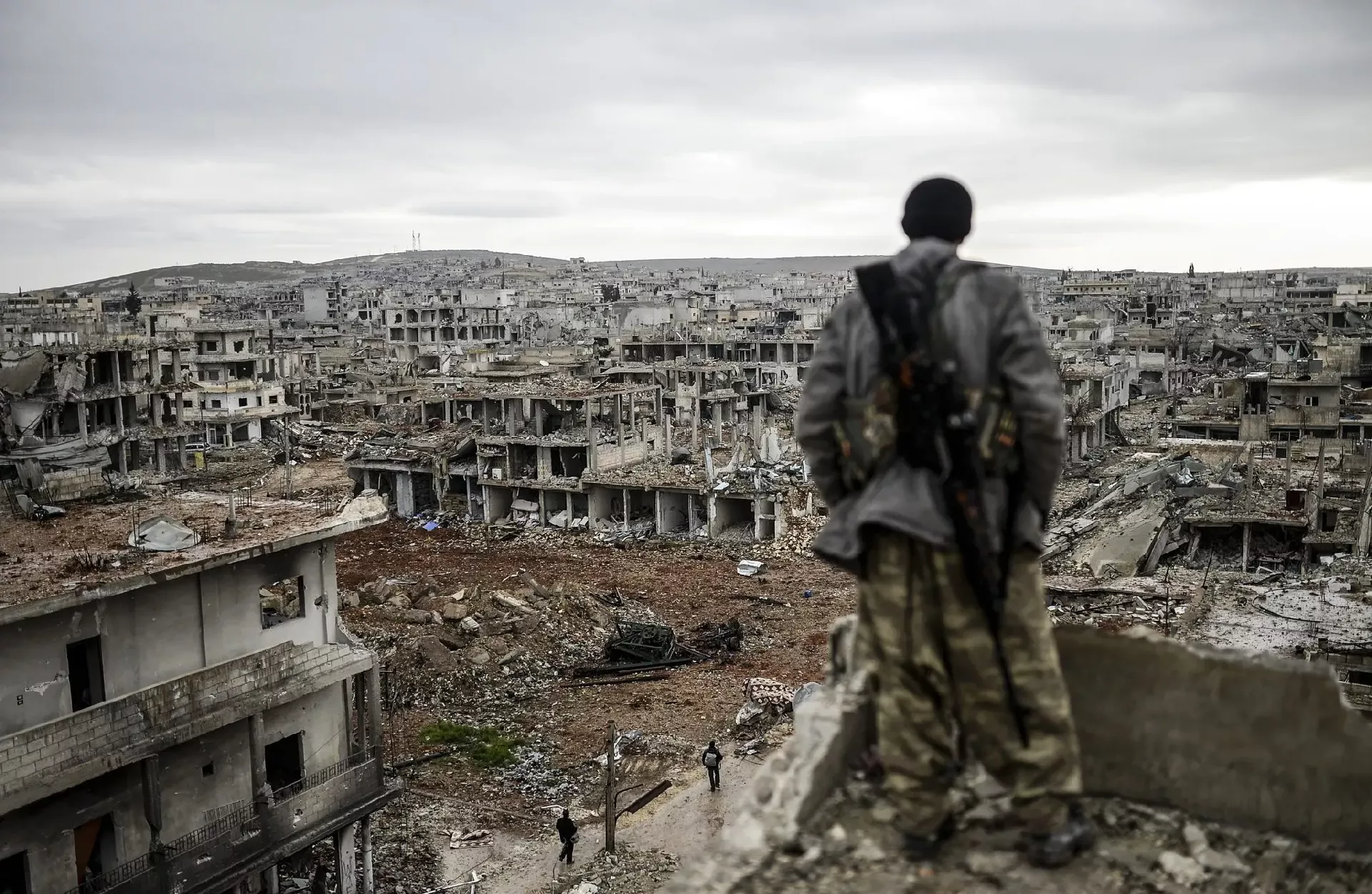
Syria has once again returned to the focus of world media attention. The ceasefire that lasted from March 2020 was broken on November 27 with an offensive, when forces from Idlib took control of the country's largest city, Aleppo, and then the fourth largest city, Hama, in just eight days.
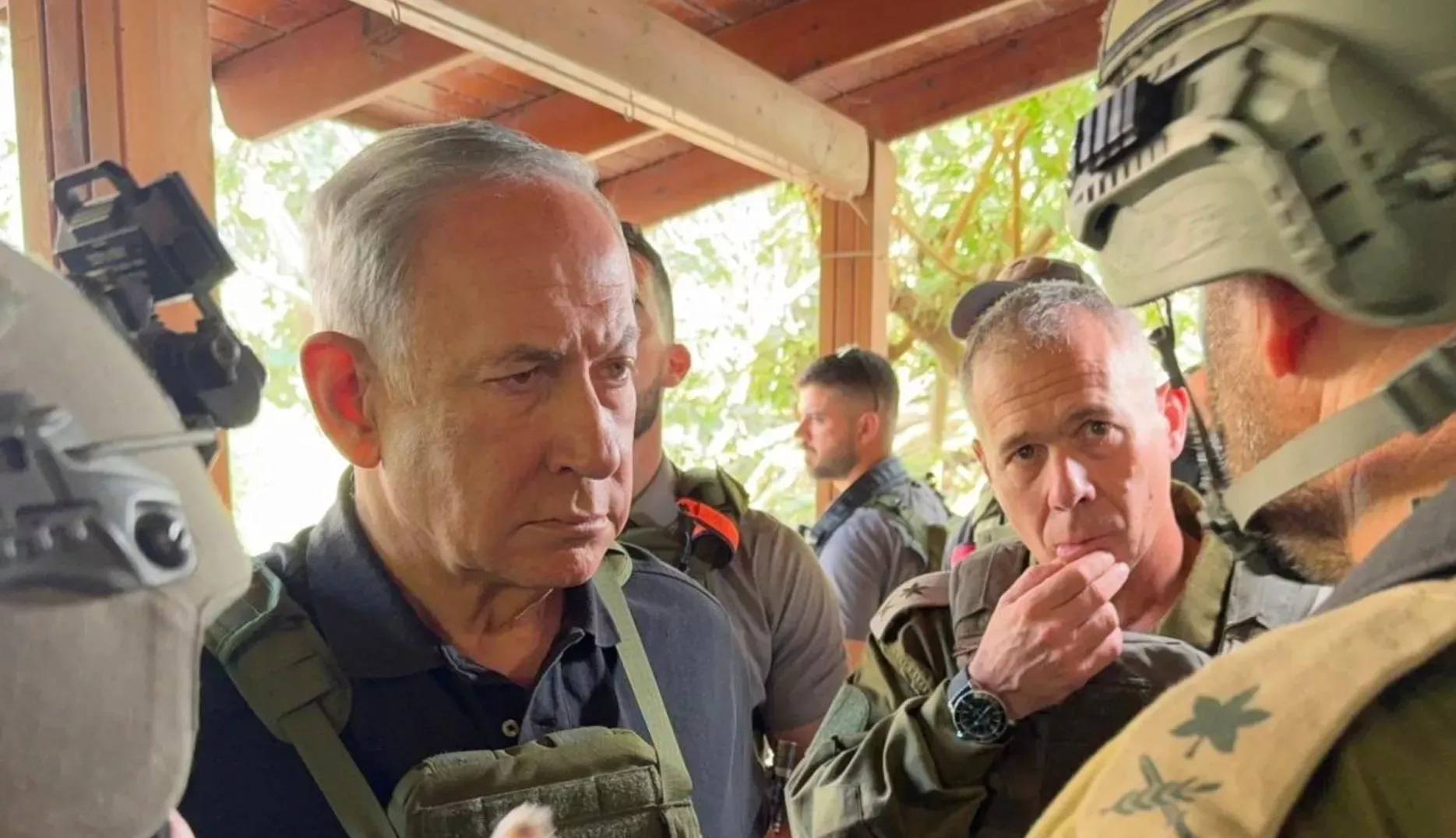
The barrels of Lebanese Hezbollah and Israeli army weapons had barely cooled before shooting began in neighboring Syria. Some recalled the words of Israeli Prime Minister Benjamin Netanyahu, who, at the height of the war in the Gaza Strip, said a new Middle East was being created. Others say the war in Lebanon and the Gaza Strip is not connected to the one in Syria, or that it is merely a continuation of Syrian disputes.
However, regarding Lebanon and Hezbollah, the war in Syria is connected to them, as that country is the main logistical route for supplying the Shiite movement. "We created ISIS to destroy Hezbollah," said American General Wesley Clark at the time in a frequently cited interview with CNN. ISIS was supported by "our friends and allies," he added. Donald Trump, during his campaign for his first term, repeatedly stated that then-President Barack Obama "founded ISIS."
Syrian Hell
The main target of ISIS, or the group that had variations of the name Islamic State, was Syrian President Bashar al-Assad. His opponents attribute dictatorship and brutality in governance to him, which is why he must step down, although there are greater and longer-reigning rulers in the Muslim world than Assad. By supporting the Syrian opposition, which was initially far from ISIS and other groups, countries that have never held elections criticized Syria for its lack of democracy.
ISIS in Syria now exists only in traces. The main force seeking to overthrow Assad, who came to power in 2002 after the death of his father Hafez, who ruled Syria for 29 years, is the group Hayat Tahrir al-Sham (HTS). It is a former Al-Qaeda branch in Syria, and its leader Abu Mohammad al-Golani is on the United States' most wanted list for terrorism, with a $10 million reward for his capture. However, HTS is now considered a lesser evil than Assad by the US, as demonstrated by the latest offensive.
HTS has reportedly distanced itself from Al-Qaeda and clashed with ISIS. But what has never been in doubt is that all of them want to overthrow Assad and drive Iranian and Russian troops, as well as Hezbollah and Shiite militias from Iraq and Afghanistan, who came at the invitation of the internationally recognized government, out of Syria.
On the other hand, Assad calls his opponents terrorists, even those who have no connection to violence. Fighters from dozens of countries have joined HTS and the "Syrian opposition," as all those against Assad on the ground are often called. In the recent battles for Aleppo, individuals from Africa, Central Asia, the Middle East, Europe... have appeared in footage, having previously been in Idlib.
The Ukrainian Kyiv Post (KP) published an article on Saturday stating that Ukraine had trained Syrian rebels, who have Turkish support and who carried out the attack on Aleppo. KP states that Ukrainian services trained Syrian rebels to use drones and for other types of combat. In June, the same media outlet published footage from southern Syria, along the border with Israel, where Ukrainians were attacking the Russian army, which is part of the conflict between these two countries taking place around the world.
Ceasefire Broken
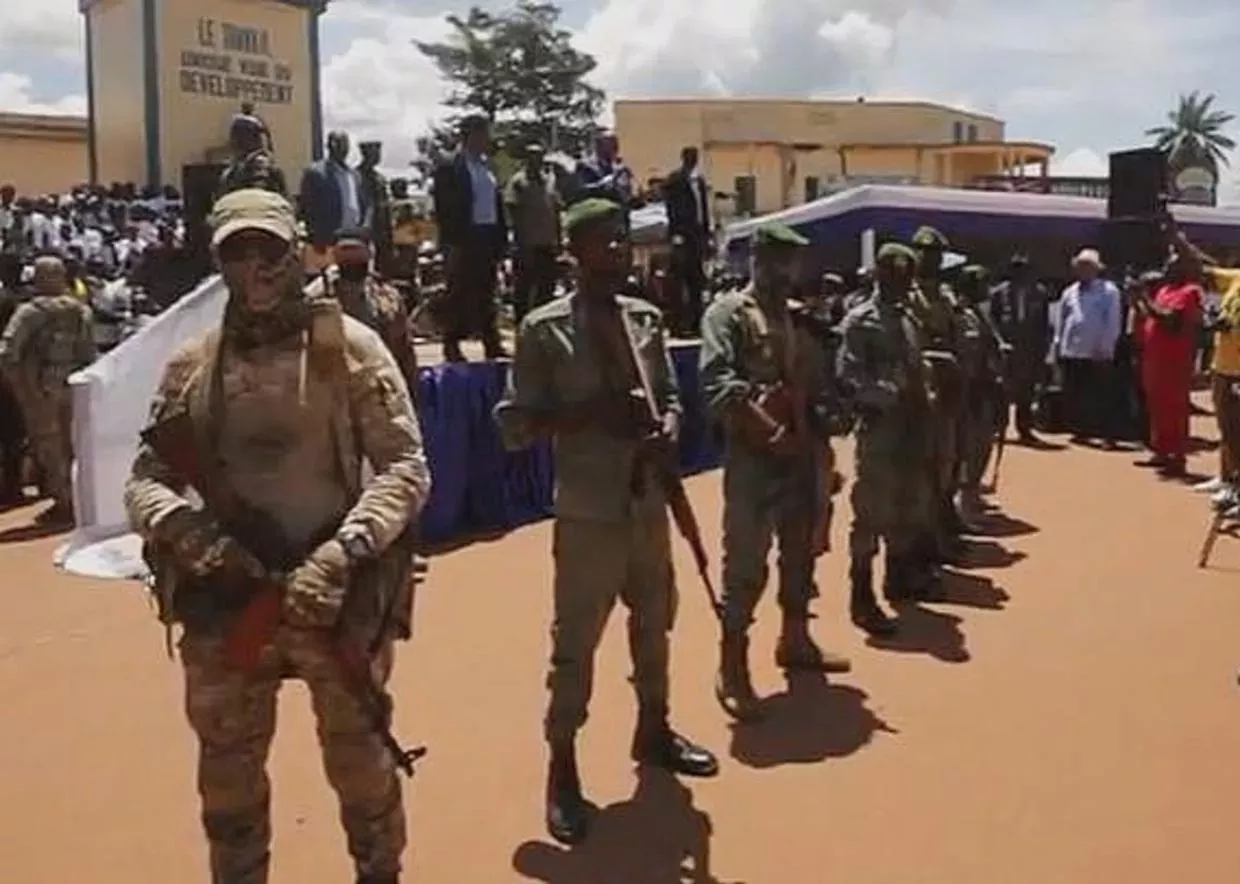
Russia, Turkey, and Iran had previously established a ceasefire within the framework of the Astana agreement, which was observed until November 27. Syria is devastated and divided. The northeast is controlled by the Kurds, where the US has its military bases; the northwest by HTS and groups supported by Turkey; and the rest by Assad, with some zones managed by the Iranians, while Russia has influence around the city of Tartus, where its only Mediterranean naval base is located. In addition, Assad is under international sanctions, and Israel has been bombing targets it deems connected to Iran and Hezbollah for years.
The Astana agreement was a gesture of goodwill from Russia and Iran towards Turkey, as in previous clashes, Assad's forces, supported by Russian and (pro)Iranian forces, had overwhelmed their opponents, except for the Kurds who had American protection and never fully abandoned their ties with Damascus, but who are enemies of Ankara. Ankara feared then, as it fears today, that the fall of Idlib would lead millions of refugees and tens of thousands of armed men into Turkey. The West, which supported what was called the Syrian opposition, left this problem for Turkey to deal with alone. The Turkish army crossed into Syria and organized armed groups along the Turkish border, with HTS at the forefront against the Syrian army, an organization that some media outlets are trying to portray as not so dangerous these days, despite the UN Security Council having declared it a terrorist organization.
The overthrow of Assad is not Ankara's idea, although it later sided with the opposition. Moreover, Assad and Recep Tayyip Erdogan had good relations. The West wanted to remove Assad with the aim of moving Israel's enemy away from its borders and to channel oil and gas from Arab monarchies through Syria to Europe, taking Russia out of the game and pushing Iran away from the Mediterranean. This would cut off Hezbollah's supply from Iran, and it would be a matter of time before Israel brought Lebanon under its control.
This "strange" connection between Israel and the war in Syria is rarely discussed in Western media. There is evidence that Israel aided Assad's opponents, treated their wounded, attacked Syrian army positions..., and they did not fire a single shot at Israel, even though they were located near the border for years.
Of course, this does not mean that those whom Israel helped are under its control, as that country also has the right to maintain the stance that "my enemy's enemy is my friend."
However, in Western media, we witness strange terminology in reporting from Syria, the Gaza Strip, and Lebanon. Those against Assad are "rebels," even though they come from dozens of countries, and those who are not part of HTS are the "moderate opposition." Hamas members are "militants" and "terrorists," even though Palestine is occupied, and Hezbollah members are "terrorists," even though the party is part of the Lebanese government.
Fighting Continues, Diplomats Negotiate
In eight days, Syrian army positions were overrun. Besides Aleppo and Hama, airports and bases housing modern Russian radars, air defense systems, planes, helicopters, and Iranian drones fell... The lightning advance of HTS shows the state of the Syrian army.
Damascus believes that Turkey is behind the attack, having assisted it in various ways, and which only a few months ago offered Assad negotiations, which he refused, demanding the withdrawal of Turkish forces from Syria. Syrians also blame the US and Israel. The US recently bombed Shiite Iraqi militias heading to reinforce the Syrian army, and Israel has struck targets across Syria. The new attacks have been facilitated by Syria losing part of its air defense in Aleppo and elsewhere.
The loss of Aleppo and Hama is a major blow to Assad, but not decisive for his fall, especially not for Russia, Iran, and (pro)Iranian militias. The city of Homs is of greatest importance to the forces supporting the Syrian government. Ground routes between Tartus and Damascus, and between Lebanon and Iran, intersect in this city, with roads eastward towards Palmyra, Deir ez-Zor, and the Iraqi border. If they lose Homs, the Iranians and Hezbollah could still remain connected, albeit with difficulty, but Damascus would lose its land connection to Tartus and Latakia, where the majority of Alawites, to whom Assad himself belongs, live.
The Syrian army is now fortifying positions around Homs, and unofficial information suggests that Hezbollah members have also headed there. Aleppo, Hama, and Homs are located in plains, which this time were an ally to the attackers. To their west are Tartus and Latakia, bordered by mountains. If the Syrian army, whose salaries Assad increased by fifty percent at the beginning of the month, digs in around Homs, it would give them the opportunity to halt the enemy's advance and gain time for a counterattack, or to await the outcome of diplomatic negotiations between Turkey, Iran, and Russia.
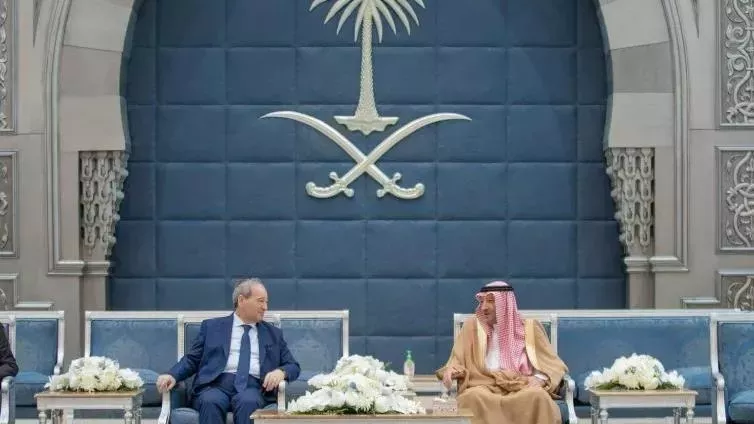
In recent days, officials from the three countries have held discussions. These three countries have shown that they can achieve a temporary peace, but not a final one, because what they agree upon does not bind the US and the Kurds. An additional problem is that Arab states and Arabs do not decide on Arab Syria, which only shows how internationalized the Syrian crisis is and how destroyed Syria as a state is, even though the most powerful Arab states have shyly tried to bring Damascus back into the Arab fold. Assad and his opponents in Idlib will not restore an Arab state with such policies, even if he survives all the wars.
Komentari (0)
Prijavite se za komentiranje
PrijavaJos nema komentara. Budite prvi!
Minuta
Sve →Iz drugih kategorija

High Representative Not Elected: Germans, French and British Against Americans, New Attempt at End of June

ČOVIĆ WITHOUT MERCY: How Those Who Brought Ademović to Office Created a Political Hell for Him



Sunny Saturday, quite warm



Tragedy in Albanian resort: Two minors drown












