
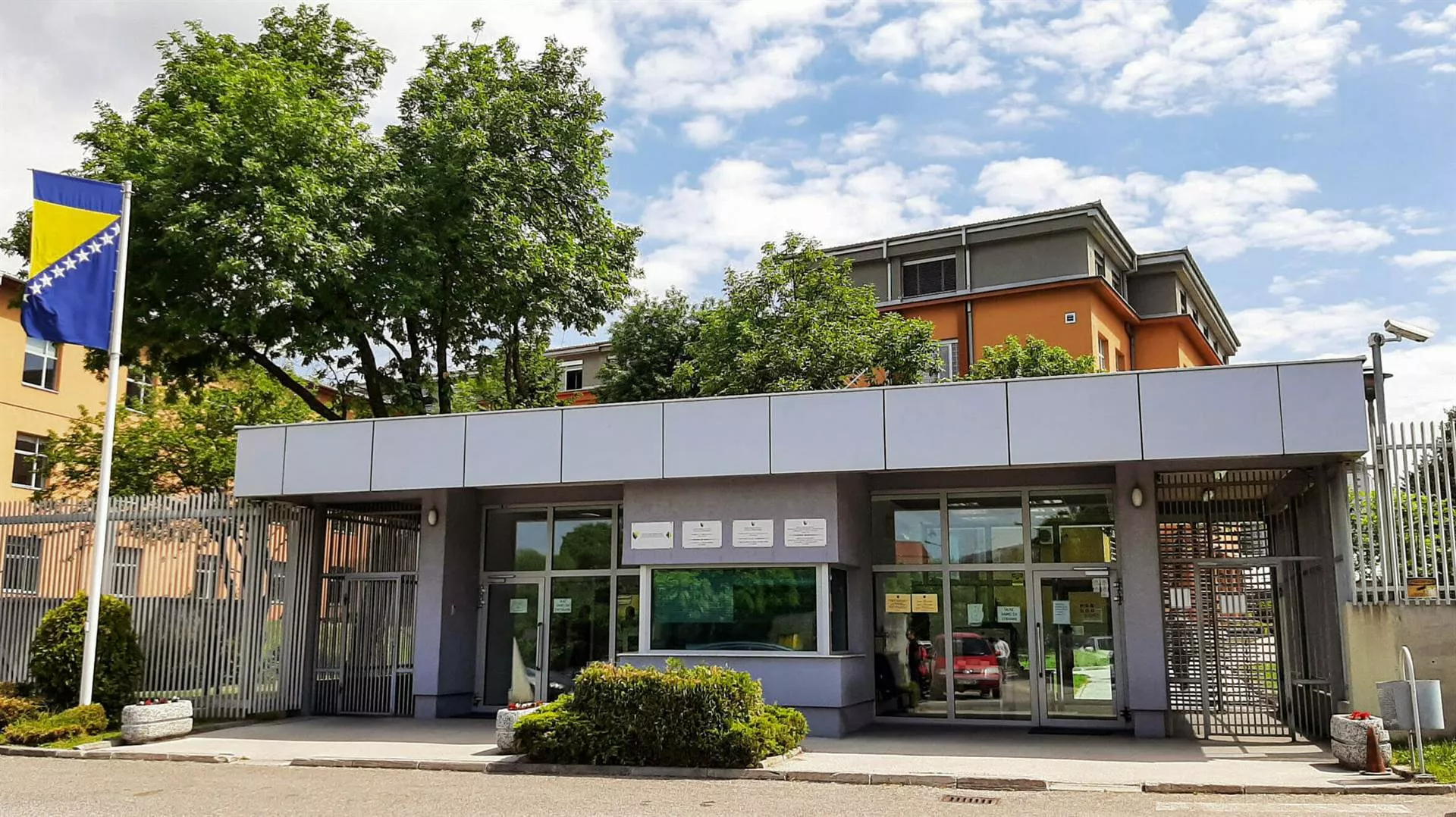
(Patria) - The Cantonal Court in Zenica, the Prosecutor's Office of Brčko District of BiH, the Municipal Court in Tuzla, and the Supreme Court of Republika Srpska are among the highest-rated judicial institutions in BiH according to the judiciary transparency index, while the worst-rated institutions by this parameter are also those showing a concerning unwillingness to seriously confront corruption.
The highest transparency index scores were recorded by the Cantonal Court in Zenica (index 87), the Prosecutor's Office of Brčko District of BiH (85), and the Municipal Court in Tuzla (82), while the top five also include the Prosecutor's Office of Zenica-Doboj Canton (81) and the Supreme Court of RS (80). On the other hand, among the worst-rated institutions are the Municipal Courts in Kalesija and Sarajevo and the Basic Court in Doboj (30), as well as the Basic Court in Zvornik (29) and the Municipal Court in Srebrenik (26), as the least open institutions in BiH judiciary (see results for all prosecutor's offices and courts at the end of the text).
The results of the Judiciary Transparency Index research, which measures the level of proactive, reactive, and media transparency, show that one third, or 32 out of a total of 94 courts and prosecutor's offices at all levels in BiH, do not respond to media inquiries about their cases at all. Additionally, 50% of prosecutor's offices in Bosnia and Herzegovina ignored media inquiries about the content of appeals against verdicts, while 62% of courts refused to provide or completely ignored media inquiries regarding verdicts they had rendered.
Media requests for audiovisual materials, recordings, and access to indictments are most often rejected, and this attitude towards the media further hinders public oversight of the judicial system's work.
The transparency index assesses the availability of information on websites, responses to requests for access to information, and the cooperation of institutions with the media, with each of the three components carrying a certain number of points (52, 30, and 18), the sum of which constitutes the overall score on a scale from 0 to 100.
Overall, the analysis shows a slight improvement compared to 2022 – more than half of the requests for access to information were resolved within the legal deadline with complete responses, and the number of cases of ignored requests decreased from 16% to 12.8%. However, the trend of increasing rejected requests is concerning, which may indicate an increasingly closed approach by institutions.
An additional cause for concern is that judicial institutions treat requesters differently – TI BiH received complete responses within the legal deadline in more than 70% of cases, while citizens received the same information in only 35% of cases. One third of citizens' requests remain unanswered, and every tenth is rejected, indicating discrimination and systemic denial of the public's right to information.
Proactive transparency has further degraded – the number of courts publishing annual plans fell from 61 to just 23, while the majority of courts and prosecutor's offices still do not publish their budgets on their websites. Although significant progress has been recorded in the regular publication of hearing schedules (71 out of 74 courts), there remains a serious deficit in the publication of court decisions – decisions from 34 courts are still unavailable to the public.
The availability of information on confirmed indictments has significantly increased, with the number of prosecutor's offices publishing complete indictments rising from 3 in 2022 to 11 last year. Six prosecutor's offices in BiH did not publish information on proposed detention measures in 2024, while in 2022 only one prosecutor's office demonstrated this practice.
Judicial transparency is crucial for institutional accountability, citizen trust, and the fight against corruption, but the analysis by TI BiH and BIRN BiH shows that courts and prosecutor's offices in BiH still do not meet basic standards of openness. Research indicates arbitrary application of the law on freedom of access to information, frequent delays, incomplete responses, and violations of legal forms. These results reflect a broader trend of restricting the right to access information, which TI BiH recognized as early as 2023 in its criticisms of the Draft Law that reduces existing rights and is not aligned with international standards.
TI BiH therefore reminds all representatives of institutions, especially in the judiciary, of the importance of the right to freedom of access to information and the significance of proactive transparency as key mechanisms for realizing citizens' rights and improving access to justice, thereby strengthening the accountability and integrity of the public sector – which are key prerequisites for effectively combating corruption.
Komentari (0)
Prijavite se za komentiranje
PrijavaJos nema komentara. Budite prvi!
Minuta
Sve →Iz drugih kategorija

High Representative Not Elected: Germans, French and British Against Americans, New Attempt at End of June

ČOVIĆ WITHOUT MERCY: How Those Who Brought Ademović to Office Created a Political Hell for Him



Sunny Saturday, quite warm



Tragedy in Albanian resort: Two minors drown












