
By Armin Sijamić
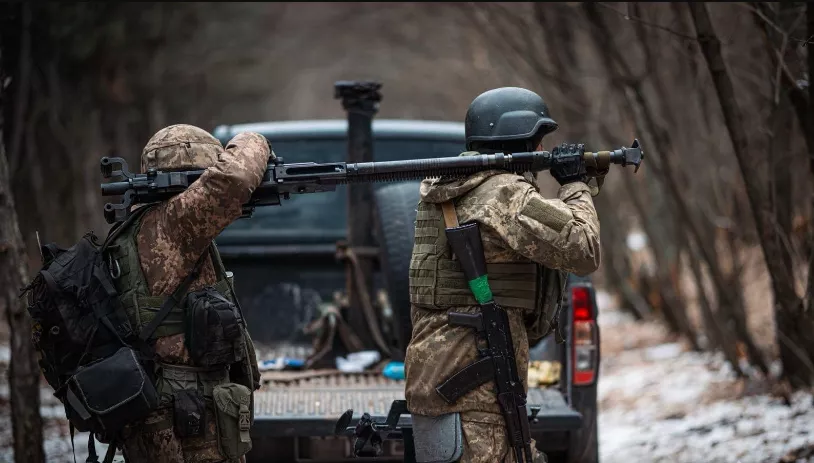
In recent months, the war in Ukraine has not been going as Kyiv would wish, while Russia is increasing pressure on several parts of the front. Every success of the Russian war machine in Ukraine worries a large number of countries in Europe, including countries in the Balkans, while some openly wish for Kyiv to be defeated in order to try to implement their political plans.
From the first days of the Russian aggression against Ukraine, there has been talk in Europe about the possibility of Moscow defeating Kyiv and then attacking other countries. According to these calculations, Russia could attack Moldova, where it has had a military base for decades, a NATO member state, or provoke conflicts in the Balkans, encouraging pro-Kremlin forces to try what they failed to achieve in the nineties.
These fears among parts of the public are amplified with every advance of Russian forces in the Ukrainian war, often without clear reason. However, several heavy defeats for Kyiv (Marjinka and Avdiivka, for example, as well as the broken Ukrainian summer offensive) make these calculations more dramatic.
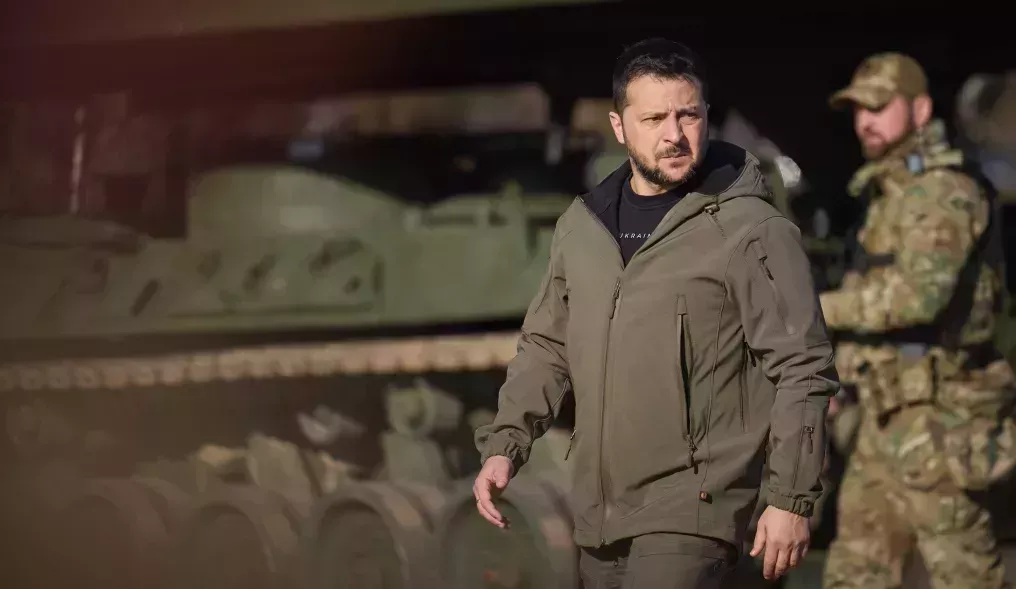
In addition, Kyiv is facing changes in its military leadership, while dilemmas are emerging in the West about how to finance the Ukrainian war and how to inflict the heaviest possible blow on the Russians. "We have already destroyed almost half of Russia's pre-war military capabilities, at a cost of less than ten percent of any national defense budget," British Prime Minister David Cameron wrote last week for The Hill, explaining why the United States and other Western countries should support Ukraine for as long as necessary.
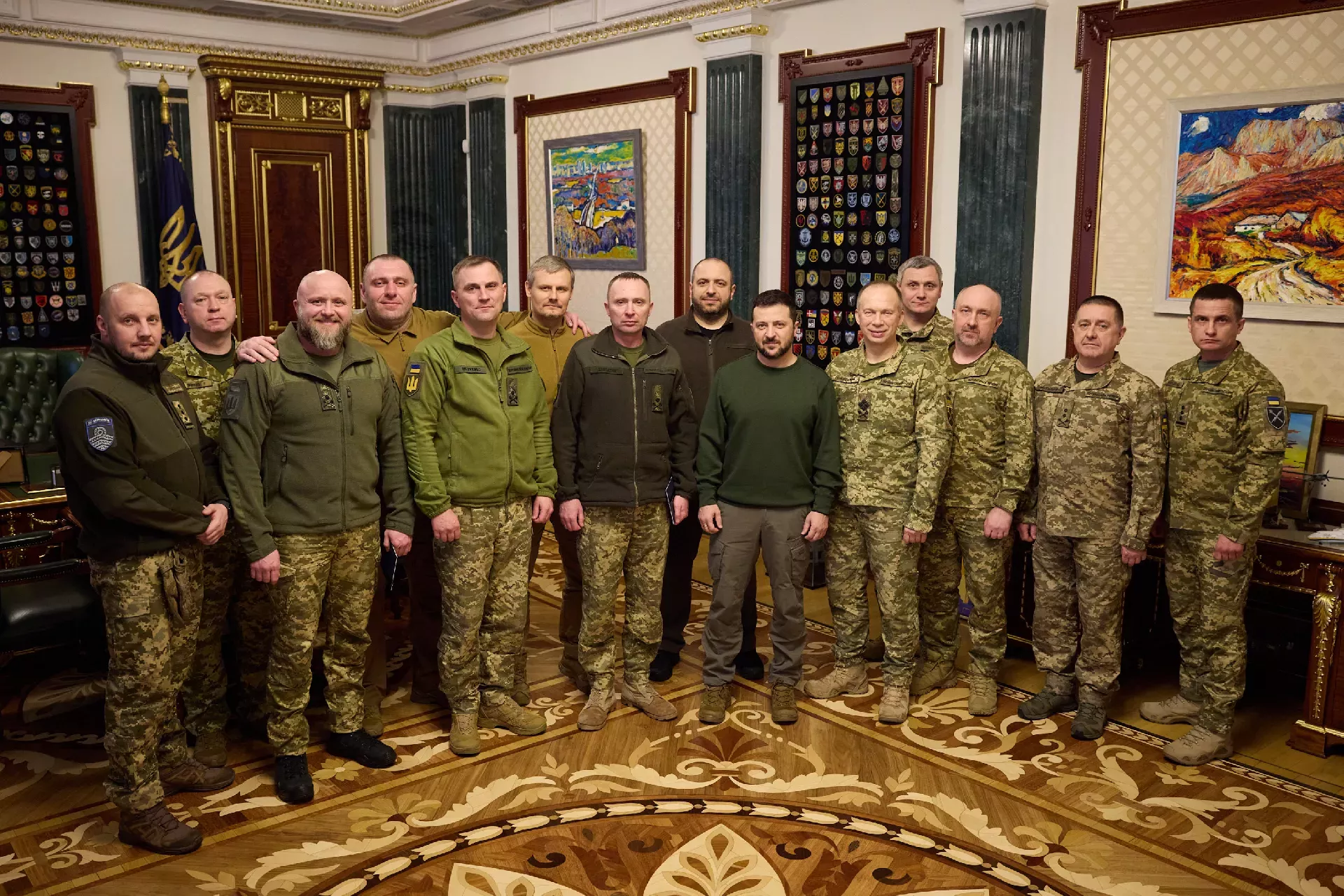
Some consider the turmoil in Kyiv to be part of the reckoning among Ukrainian elites, or a divergence between President Volodymyr Zelensky and the West. This year's Munich Security Conference showed that Zelensky is no longer the main star at gatherings he attends, but Ukraine is and remains the central issue of European security. In this context, calls for negotiations that the opposing side rejects should be considered, probing what is acceptable to Moscow, Kyiv, and the West.
Balkan Calculations
Learning from the West's behavior during the breakup of Yugoslavia, the cooperation of parts of the West with Balkan nationalists, and the (current) blocking of the path to Euro-Atlantic integration for several Balkan countries, more and more voices are expressing concern for the future of the Balkans, but also those who believe that Kyiv's collapse could be a turning point for their nationalist and expansionist policies. Simply put, some believe that the nationalist government in Belgrade, with branches in several countries, could move to create a "Greater Serbia," i.e., start conflicts with other nations.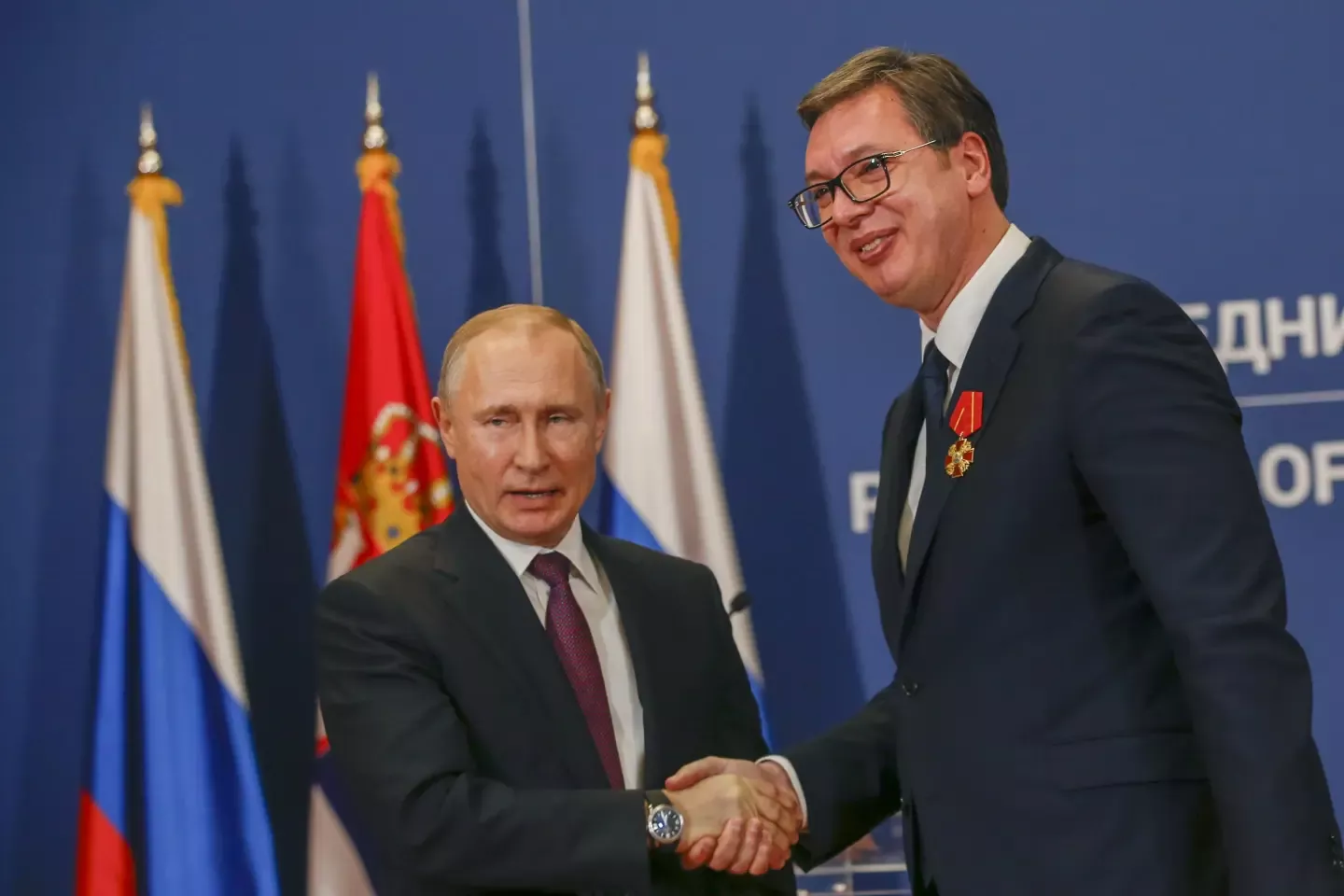
Pro-Russian circles in the region see things differently, expecting that Moscow could fulfill all of Belgrade's wishes, although this is a serious (historical) delusion of nationalist elites in Serbia. But such calculations should never be ignored, because behind them are hotheads with questionable ability to reason about international politics, which makes them particularly dangerous.
Ultimately, even if Russia wanted to fulfill the wishes of the nationalists in Belgrade, without considering the interests of other peoples in the Balkans who would not reconcile themselves to being traded, things would have to be agreed upon with much more important addresses than those in this part of the world. In some circumstances, pro-Russian forces in the Balkans could be the biggest victims of a Ukrainian defeat, because if the West cannot save Ukraine from Russia, then it can certainly save several peoples and states that are largely integrated into the political and economic flows of that political bloc.
Waiting for the Outcome in Ukraine
Those who do not want this part of the world to fully integrate into the European Union and NATO continue with their policies, which is understandable. For them, it is literally a battle for survival, while for Russia it is an opportunity to distract the West, creating various crises that can escalate and lead to further regional divisions and divisions in the West. The reckoning of parts of the West with Albin Kurti clearly shows this, and the tolerance of the behavior of official Belgrade has led to deaths in Banjska and tensions in Montenegro and Bosnia and Herzegovina.

The understanding that parts of the West show for certain Balkan Greater-state policies is more worrying than any Russian influence on this part of the world. Where the West largely controls the field of politics, economy, and security, where it has mechanisms to act directly (OHR, EULEX, EUFOR...), it still turns a blind eye to those who keep the region in constant crisis, periodically provoking disputes that could escalate into wider conflicts if things get out of control.
Specifically, in Bosnia and Herzegovina, the leniency of the West and some political parties, in the name of a higher goal whose outlines are (not) seen as if in a fog and without a clear plan on how to achieve it, has led to chauvinism and fascism being accepted as legitimate and legal policies that they must respect on the "European path." In recent days, we have heard the "explanation" that self-proclaimed national leaders have an obligation to stand by those convicted of war crimes. It is precisely on these matters that there should be no concessions, and it is precisely in this area where international support can be gained, even formally from Russia and China.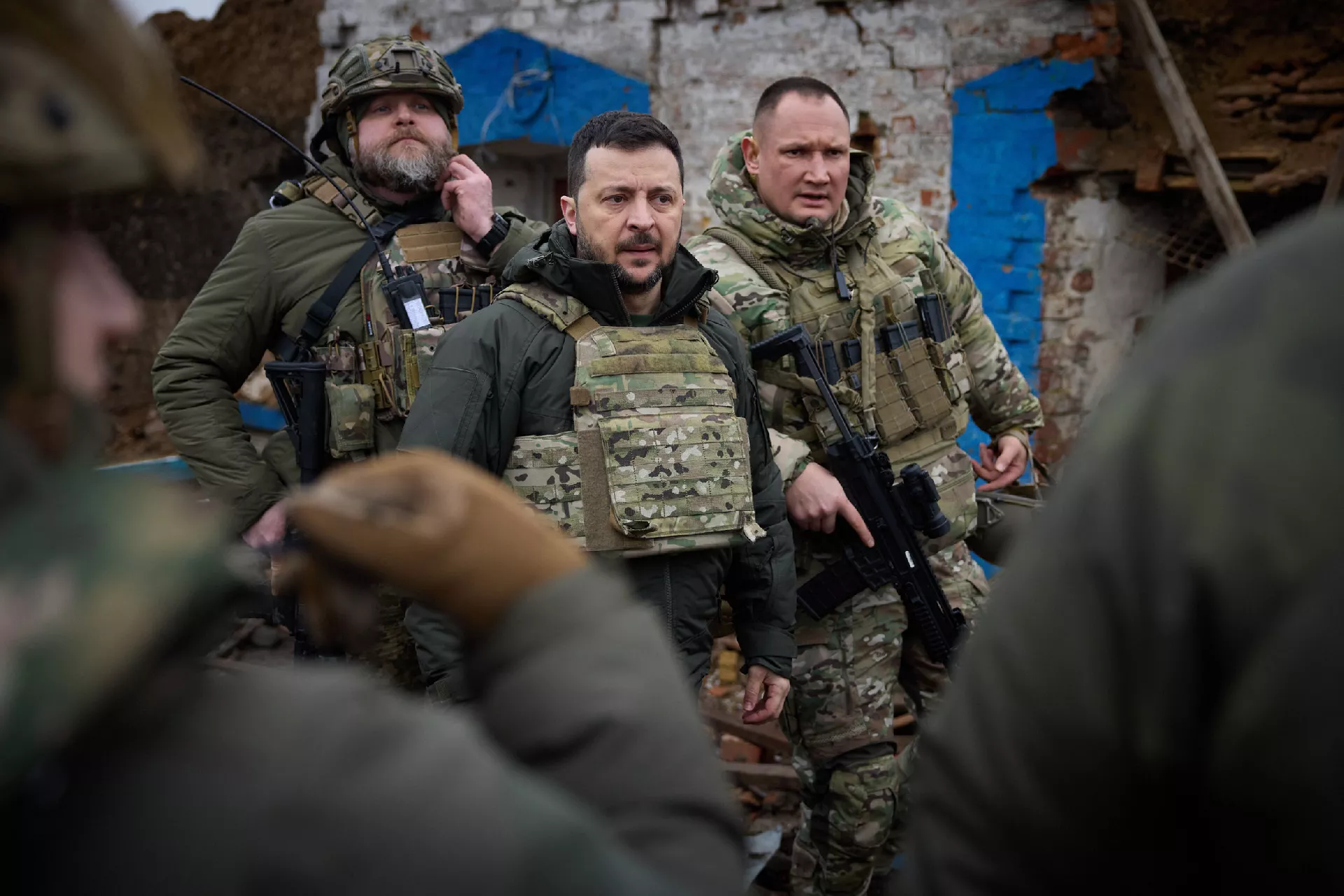
The war in Ukraine continues. American officials have asked the Ukrainians to, like the Russians, start digging in and preparing for a long and exhausting fight that no one knows how long it will last, while major powers are considering options, including freezing the conflict.
Meanwhile, the Balkans will continue to languish in its current state, largely shaped by the West, first by its approach to the breakup of Yugoslavia, then by peace agreements, and later by policies towards this part of the world that continue to this day. Therefore, while waiting for the outcome in Ukraine, domestic factors should seek solutions to the problems here with those who have brought the entire region into this situation, regardless of how the war in Ukraine unfolds.
Komentari (0)
Prijavite se za komentiranje
PrijavaJos nema komentara. Budite prvi!
Minuta
Sve →Iz drugih kategorija

High Representative Not Elected: Germans, French and British Against Americans, New Attempt at End of June

ČOVIĆ WITHOUT MERCY: How Those Who Brought Ademović to Office Created a Political Hell for Him



Sunny Saturday, quite warm



Tragedy in Albanian resort: Two minors drown












