
By: Armin Sijamić
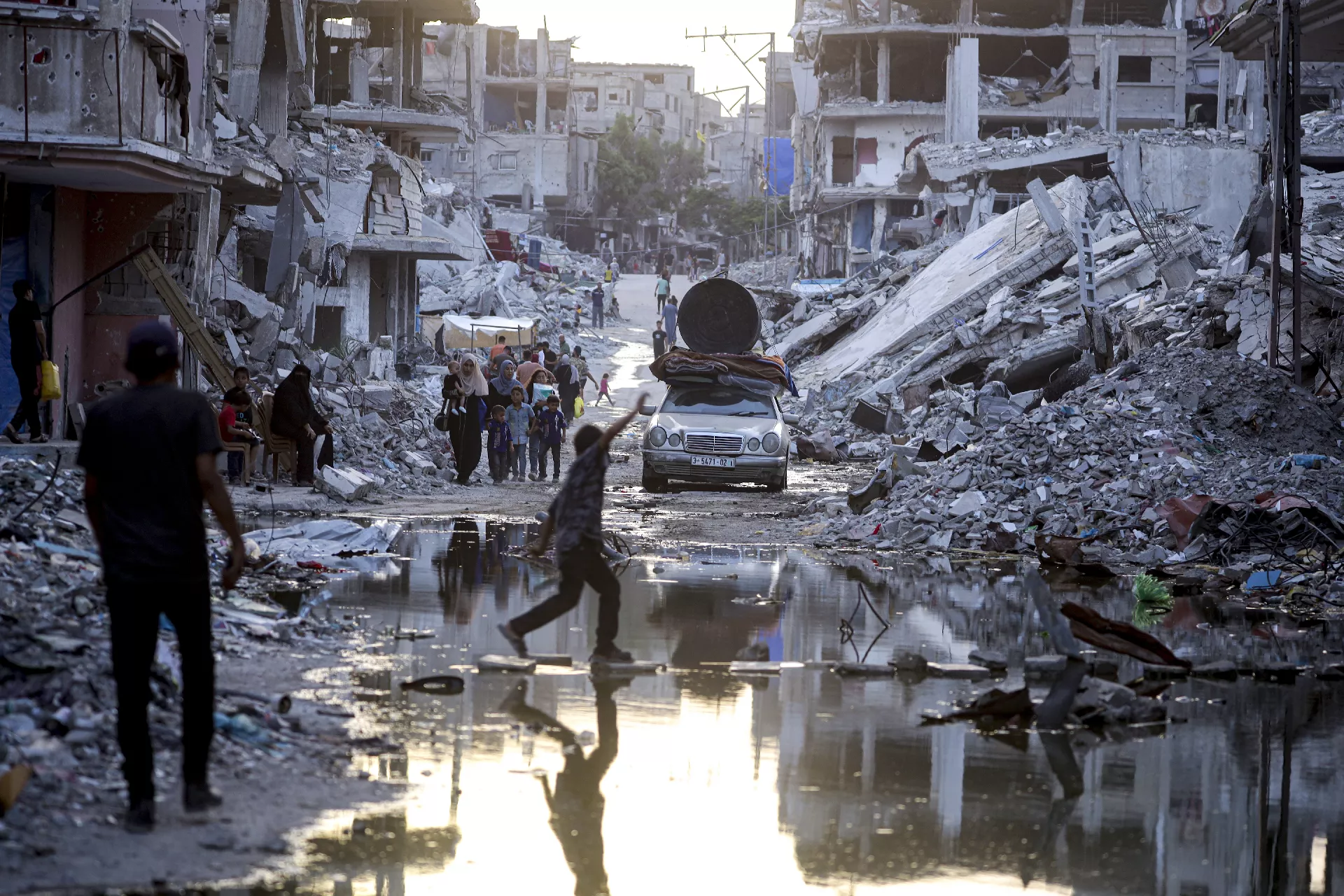
A group of Arab states has joined an appeal calling on Hamas to relinquish power in the Gaza Strip. This move comes at a time when millions of Palestinians are on the brink of survival.
The governments of some Arab states are slow to react even to events in their own region, including processes in which they are directly involved. The latest proof of this is this week's meeting at the United Nations, where a group of Arab states is joining the appeal by France, the United Kingdom, Canada, and several other countries to disarm Hamas and renounce power in the Gaza Strip.
Since October 7, 2023, when Hamas attacked southern Israel, killing hundreds of civilians and taking many hostage, Arab states have been wandering, trapped between their dependence on the West and their inability to express what they truly want, even though it was clear where all this was leading even then.
Arab states remained silent for months afterward. They expected the United States, then China, Iran, and anyone else to do their job.
About Hamas, the old enemy
At the aforementioned meeting, Arab League states, along with EU states and some others, called on Hamas to disarm and renounce power in the Gaza Strip, condemning the attack on Israel of October 7 and calling for the release of hostages. This move by the Arabs was described by some in the West as "historic".
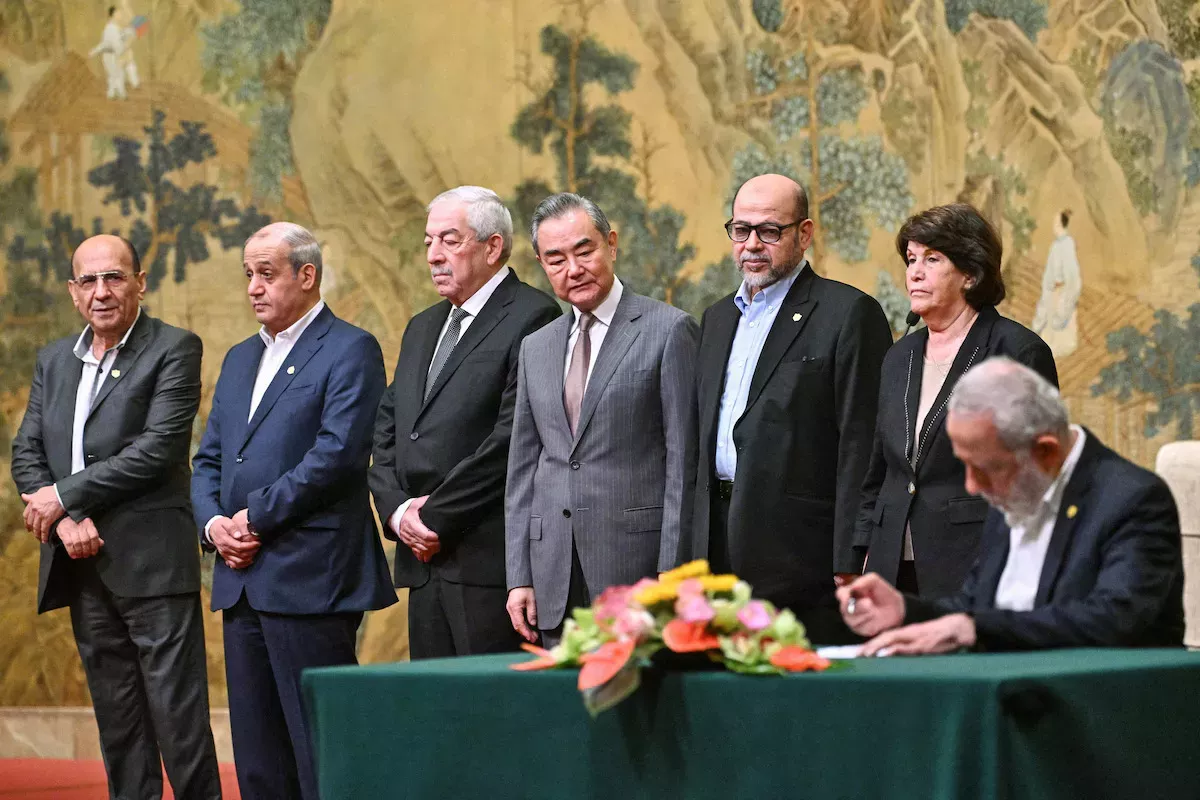
Hamas stepping down from power in exchange for restoring peace to the Gaza Strip would not be strange if this Palestinian group had not committed to it in July last year, when fourteen Palestinian factions signed an agreement in Beijing, which states, among other things, that Hamas recognizes the government in the West Bank under the auspices of the Palestine Liberation Organization (PLO). The de facto recognition of the PLO and the direct recognition of Hamas as the true representative of the Palestinians, which happened for the first time in history, ultimately means Israel's right to exist in accordance with previous agreements.
After that, Hamas repeatedly stated that it was ready to relinquish power in the Gaza Strip, accepted various ceasefire agreements, which the Israeli government of Benjamin Netanyahu rejected under various pretexts. This was also confirmed by former US Secretary of State Antony Blinken, who concluded that Netanyahu does not want to recognize any Palestinian state.
Western media, reporting from the gathering, spoke of a precedent, as Saudi Arabia, Egypt, and Qatar called on Hamas to disarm and renounce power. The highlighting of these countries is not accidental, as they are likely, along with the United Arab Emirates, the most powerful among the Arabs.
However, except for Qatar, which has been a financier of Hamas for years, Saudi Arabia and Egypt have previously viewed this Palestinian group as a threat. In both these countries, the Muslim Brotherhood movement is considered a terrorist organization, and Hamas is ideologically and otherwise close to this movement. Therefore, apart from the case of Qatar, this is a continuation of the same policy towards Hamas.
To whom are the Arabs writing?
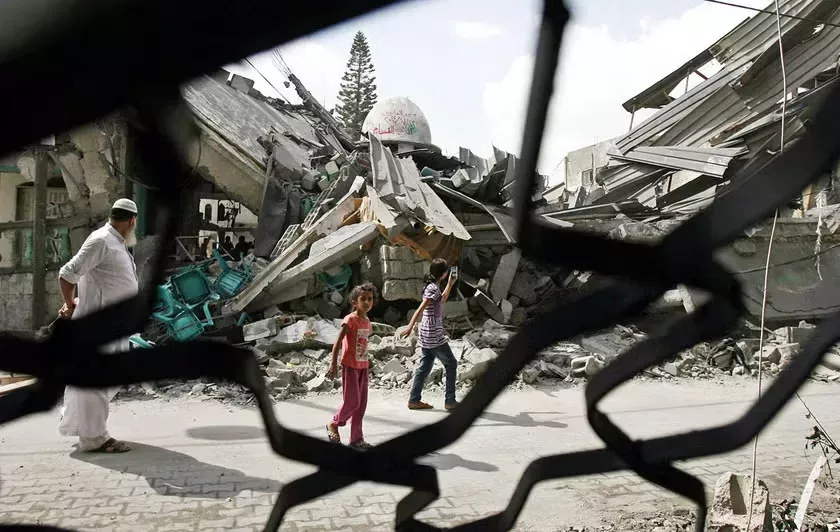
At a time when people in the Gaza Strip are dying of hunger, the fate of Hamas, which has been decimated in fighting against a much stronger opponent, is being questioned for some reason. The destruction suffered by both them and Palestinian civilians raises the hypothetical question of whether Hamas would have attacked Israel if it had known the consequences.
The fact that those who have viewed Hamas as a threat are now calling for its end seems to be just a diplomatic maneuver to shed responsibility. This is not the first time for the Arab League. In November last year, when the outcome of the US presidential elections was already known, the Arab League, along with dozens of Muslim countries, asked Donald Trump to establish peace in Lebanon and Palestine.
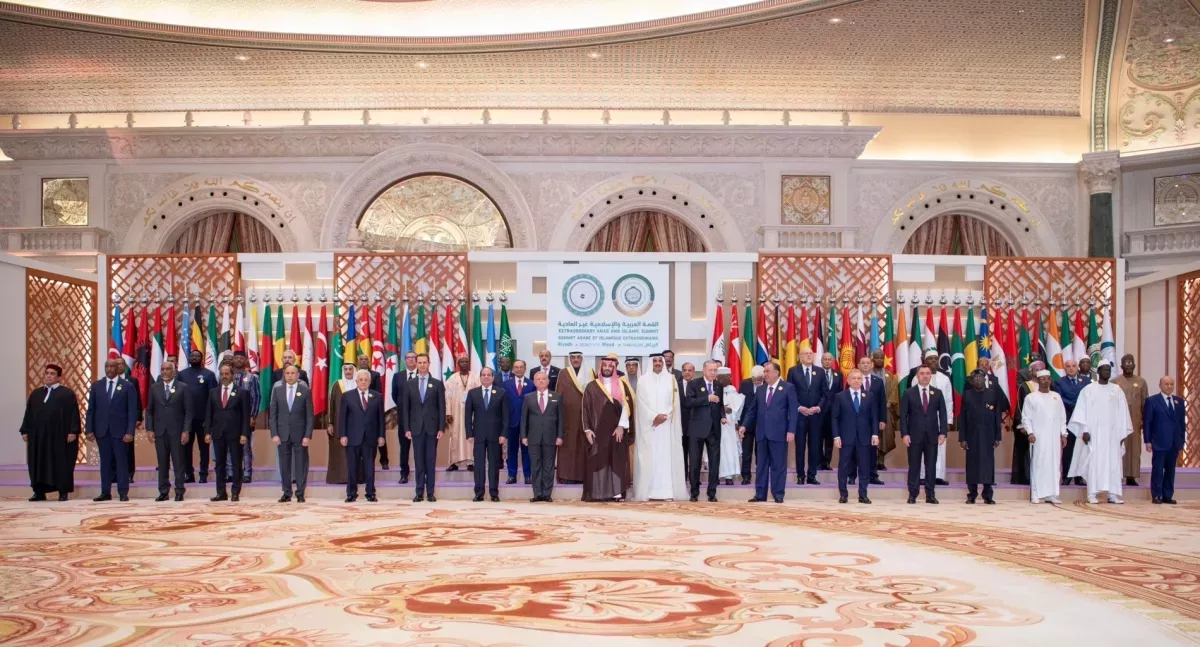
Representatives of 57 countries, home to 1.8 billion people, asked Trump, whose administration was filled with pro-Israeli personnel more than any previous one, to solve the problems in their backyard, a man who in his first term recognized Jerusalem as the capital of Israel and who showed that he would fight for his ally. Arab and Muslim leaders asked him, among other things, to persuade Netanyahu to open corridors for the delivery of food, water, and medicine to the Gaza Strip.
To make matters more absurd, several Arab countries soon promised billions of dollars in investments in the United States to Trump, and before and after this meeting, they had, in various ways, assisted Israel in its war against Iran, the Yemeni Houthis, and Lebanese Hezbollah.
Surviving until the establishment of a state
This move by Arab states came at a time when France is announcing the recognition of Palestine as an independent state, which should exist in peace alongside Israel. The United Kingdom and Canada are announcing similar steps, after a few Western countries recognized Palestine.
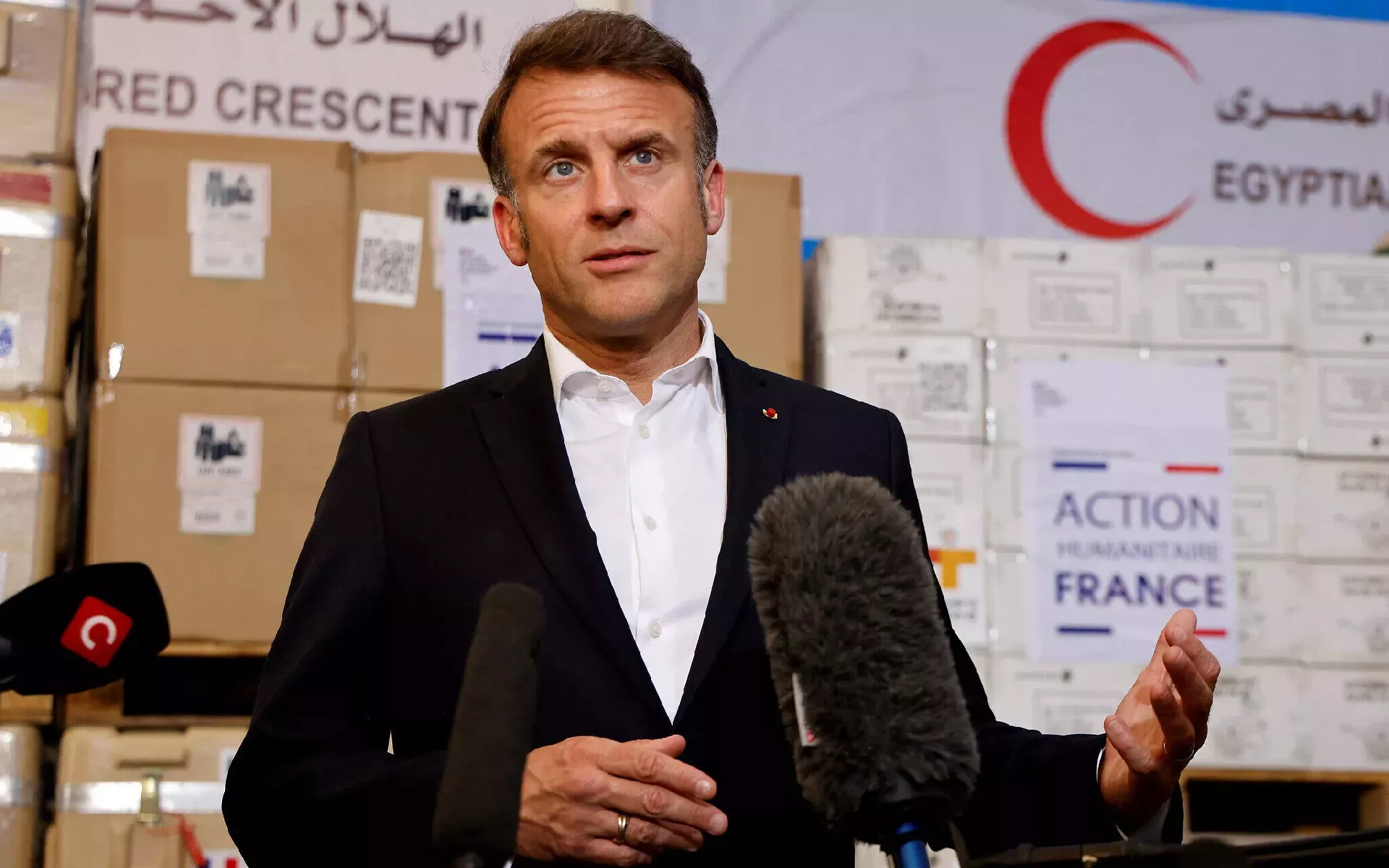
According to this "plan", which the United States and Israel reject, the emphasis is on a two-state solution, although there are no details on how to implement it. Few mention former Israeli and Palestinian officials who offered concrete plans, perhaps precisely because they offer concrete solutions that might bring peace to Israel and Palestine and consequently to a large part of the Middle East.

How strange this entire "plan" is is shown by the reaction of official Rome. Italy, they say, will recognize Palestine when it is possible to implement that idea on the ground. Although Italy's stance is forced by Prime Minister Giorgia Meloni's desire to maintain good relations with Trump, it is quite logical – if things continue at this pace, nothing will remain of the Gaza Strip and the Palestinian people. In the destroyed enclave, there is not enough food and water, while people are being killed in lines for humanitarian aid that arrives drop by drop.
The priority for Palestinians now is not the fate of Hamas, from which everyone is washing their hands, but how to survive another day without basic necessities while bombs fall on refugee tents. However, some Arab states are less resistant to the suffering of Palestinians than some African, Latin American, Asian, or European countries are.

Komentari (0)
Prijavite se za komentiranje
PrijavaJos nema komentara. Budite prvi!
Minuta
Sve →Iz drugih kategorija

High Representative Not Elected: Germans, French and British Against Americans, New Attempt at End of June

ČOVIĆ WITHOUT MERCY: How Those Who Brought Ademović to Office Created a Political Hell for Him



Sunny Saturday, quite warm



Tragedy in Albanian resort: Two minors drown












