
By: Armin Sijamić
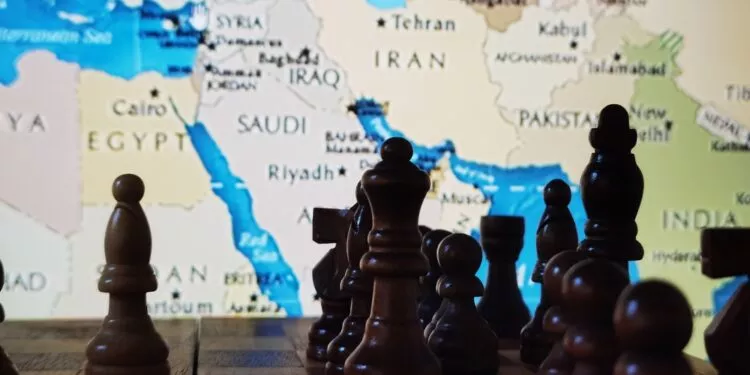
Only two weeks have passed since the United States and Israel attacked Iran. However, even that was enough to present some Middle Eastern countries with new challenges.
Just a few days before Israel attacked Iran again, Prime Minister Benjamin Netanyahu spoke about working on creating a regional alliance aimed against Iran and the Muslim Brotherhood. The emerging alliance "includes many countries," Netanyahu said. "Some are visiting us, even these days. And others, we are visiting. I am talking about a whole circle that encompasses the Middle East."
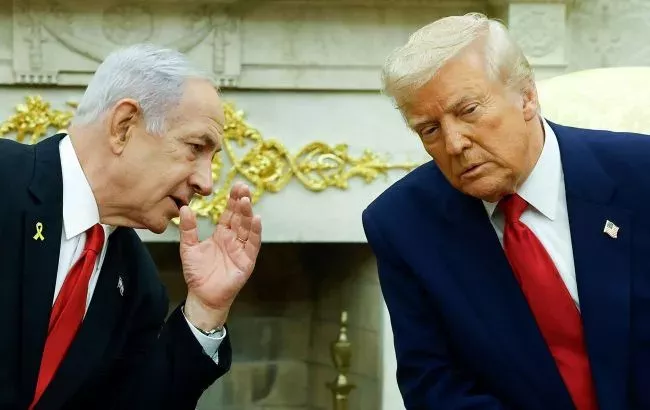
During those days, Indian Prime Minister Narendra Modi visited Israel, and various agreements were reached. In short, India wants Israeli technology, and Israel wants Indian labor and market. Such a development of relations between Israel and India fits perfectly with what former US President Joseph Biden envisioned in his intention to detach New Delhi from Russia and strengthen it in relation to China.
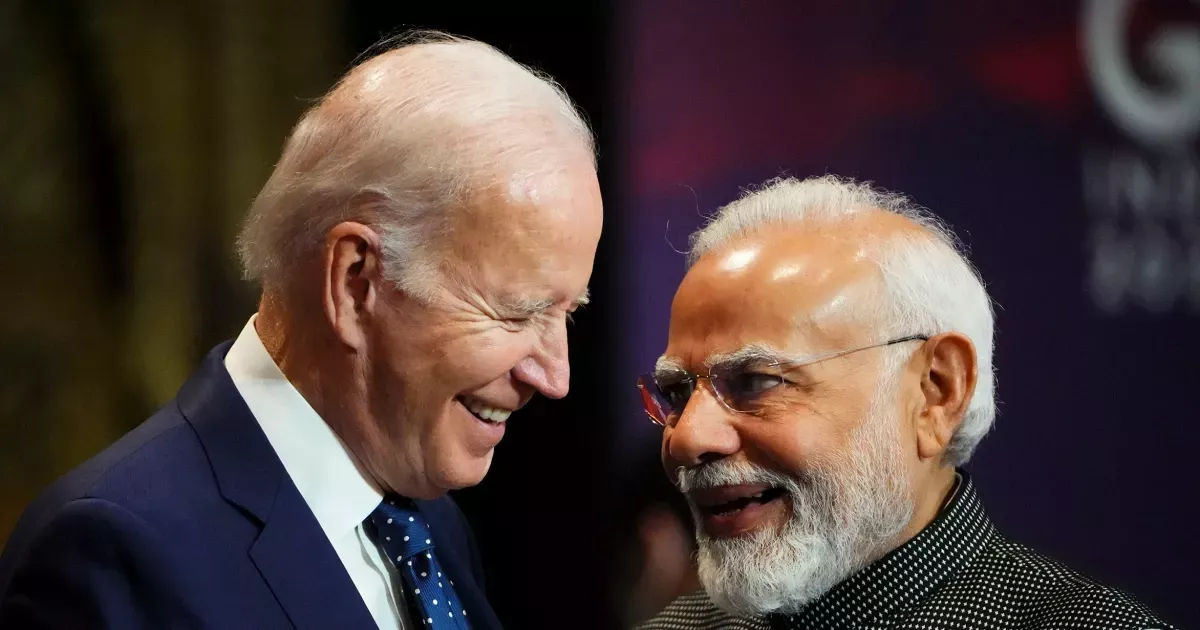
Many had no doubt that Netanyahu included India among the aforementioned allies. India's behavior towards Iran since the beginning of the US-Israeli attack indicates that Modi does not want to lose Netanyahu and, indirectly, US President Donald Trump. India, which is proverbially against all wars, expressed concern over the events in the Middle East, without stating that it was an attack on a sovereign state, which is incidentally an Indian ally from BRICS.
India's stance is not surprising, as under Modi's leadership, the country disregards any remarks and does what it deems beneficial. Netanyahu can be sure that India will implement what has been agreed with him, but he also knows for sure that this does not mean he will get anything more than what is in India's interest, and that good relations with New Delhi are not a blank check for Israeli desires.
New Divisions
However, it is necessary to figure out whom Netanyahu is counting on in the Middle East, as he has already clearly stated that he will fight against Iran and the Muslim Brotherhood, whose current Turkish government and Qatar are the most prominent representatives. Most other countries in the Middle East are not powers like India, Iran, or Turkey, and therefore Netanyahu's policy means they might wake up with new roles.
The US-Israeli war against Iran and its regional allies has long involved the liquidation of religious, political, and military leaders, as well as prominent scientists, a phenomenon the West remains silent about. The liquidation of the smartest people within a country is nothing other than an attempt to destroy the entire society by pushing it into chaos and hopelessness.
It seems the turn has come for others. On Wednesday, in the central part of Beirut, which had been spared from Israeli attacks, four rockets hit a multi-story building. Lebanese media report that the sixth, eighth, and ninth floors were hit, indicating that the attacker knew who they were targeting. Lebanese authorities announced immediately after the attack that at least four people were injured, and Israel did not claim responsibility.
Israeli channel "Channel 12" reported that the target was the premises of the Jamaa al-Islamiya group, which is a Lebanese Sunni political and social movement considered an offshoot of the Muslim Brotherhood. Lebanese media LBCI reports that the target was Ahmad Abdallah, a member of the Palestinian Hamas – a group that also has ties to the Muslim Brotherhood. Jamaa al-Islamiya, which has recently had better relations with Shiite Hezbollah than before, denied that its members were targeted and reiterated its condemnation of Israeli attacks on Lebanon.
Israel is not the only one that views the Muslim Brotherhood as a terrorist group and a threat. This group has the same or similar status in Egypt, Saudi Arabia, and the United Arab Emirates, and Washington has recently begun labeling parts of this pan-Islamic movement as terrorist organizations.
The United Arab Emirates, along with Jordan, is likely Israel's closest ally among Arab states and the most willing to cooperate. Therefore, many consider this wealthy desert monarchy, which Iran has kept under fire for the past two weeks, to be part of Netanyahu's announced regional alliance. Hundreds of Iranian drones and missiles have bombarded the country, and targets outside US military bases have been hit. The intensity of the attacks may suggest that Tehran also sees this country as part of Netanyahu's coalition.
From Saudi Arabia to Egypt
However, a more important question for the future of this alliance is the stance of Egypt and especially Saudi Arabia, which will pull along other Arab monarchies that do not have strong armies but possess money, energy resources, and a geographical location important for regional power distribution. Furthermore, Riyadh also carries a mutual defense pact with nuclear power Pakistan, which is a decades-long rival of India.
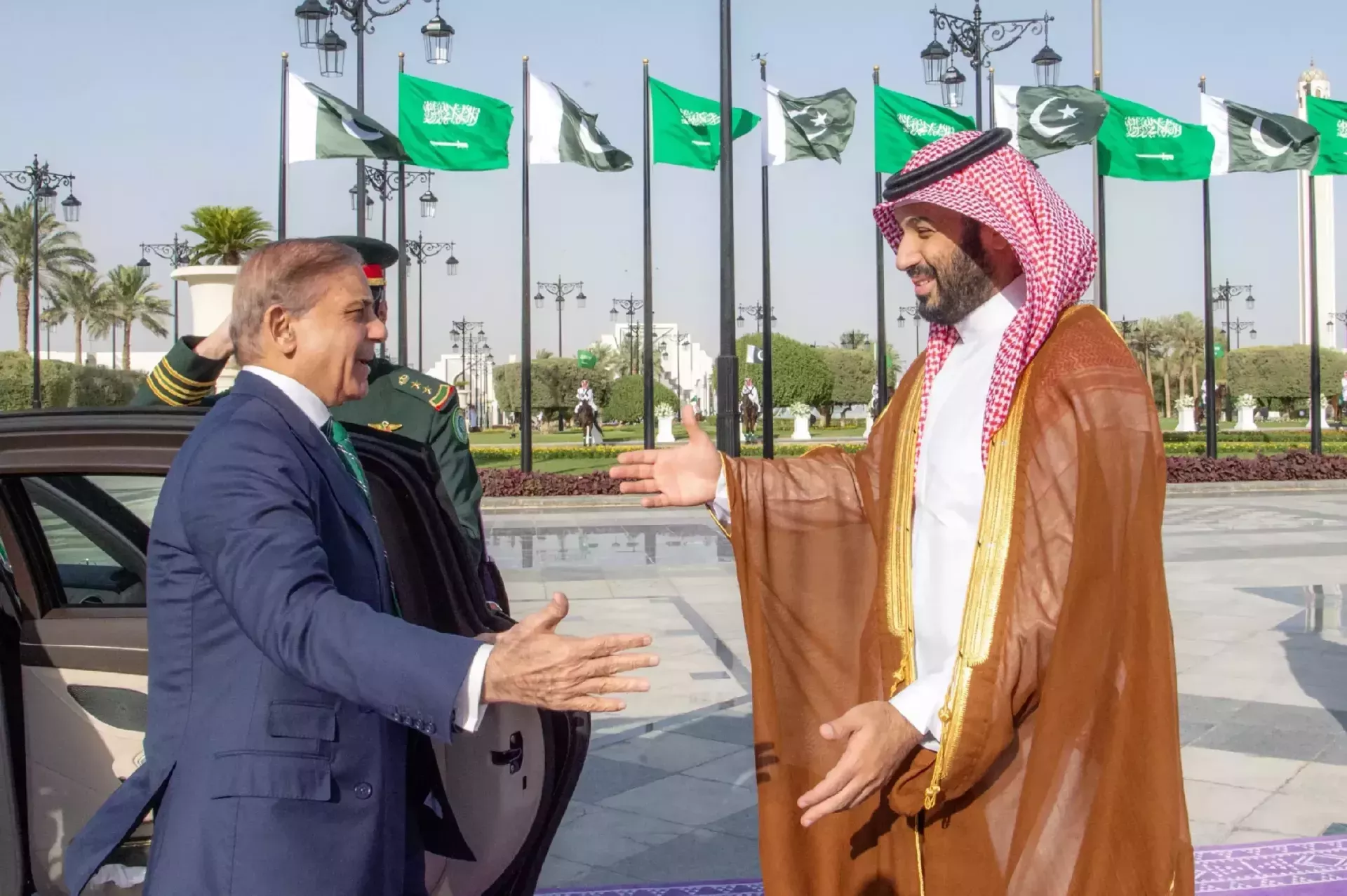
Saudi Arabia is closely monitoring the US-Israeli war against Iran. Official Riyadh has excellent ties with Washington, has been improving relations with Ankara and Tehran for years, and does not recognize Israel as a state, although the interests of the two countries are the same or similar on many issues.
Riyadh's caution since the start of the war indicates a rift the country finds itself in, reflected in several scenarios. The collapse of Iran and its allies would mean the expansion of Israel's and Turkey's influence. Iran's victory would mean strengthening Tehran's influence. The defeat of Israel and the United States might mean the withdrawal of the US military from several Middle Eastern countries, which could then collapse under external or internal pressure, potentially weakening Saudi Arabia's position, which has relied on US military protection for decades.
In this strategic contemplation, Cairo is also seeking its place. Good relations with Riyadh provide Egypt with a foothold in any regional realignments. It should be recalled that Egypt had a democratically elected president, Mohamed Morsi, who was part of the Muslim Brotherhood. Egypt also has good relations with Israel, which have lasted for decades. The two countries are developing energy projects involving Cyprus and Greece, which have been positioning themselves as important Israeli allies in recent years.
Major or Minor Changes?
After the US-Israeli war against Iran, many things in the Middle East will not be the same. Victory or defeat in a major war brings major changes, and this is clear to the United States, Israel, and Iran, which, along with its Shiite allies, is now fighting for survival. The changes particularly concern small states like Bahrain, Qatar, or Kuwait, as well as those devastated by long-term wars, such as Iraq, Syria, Yemen, or Lebanon.
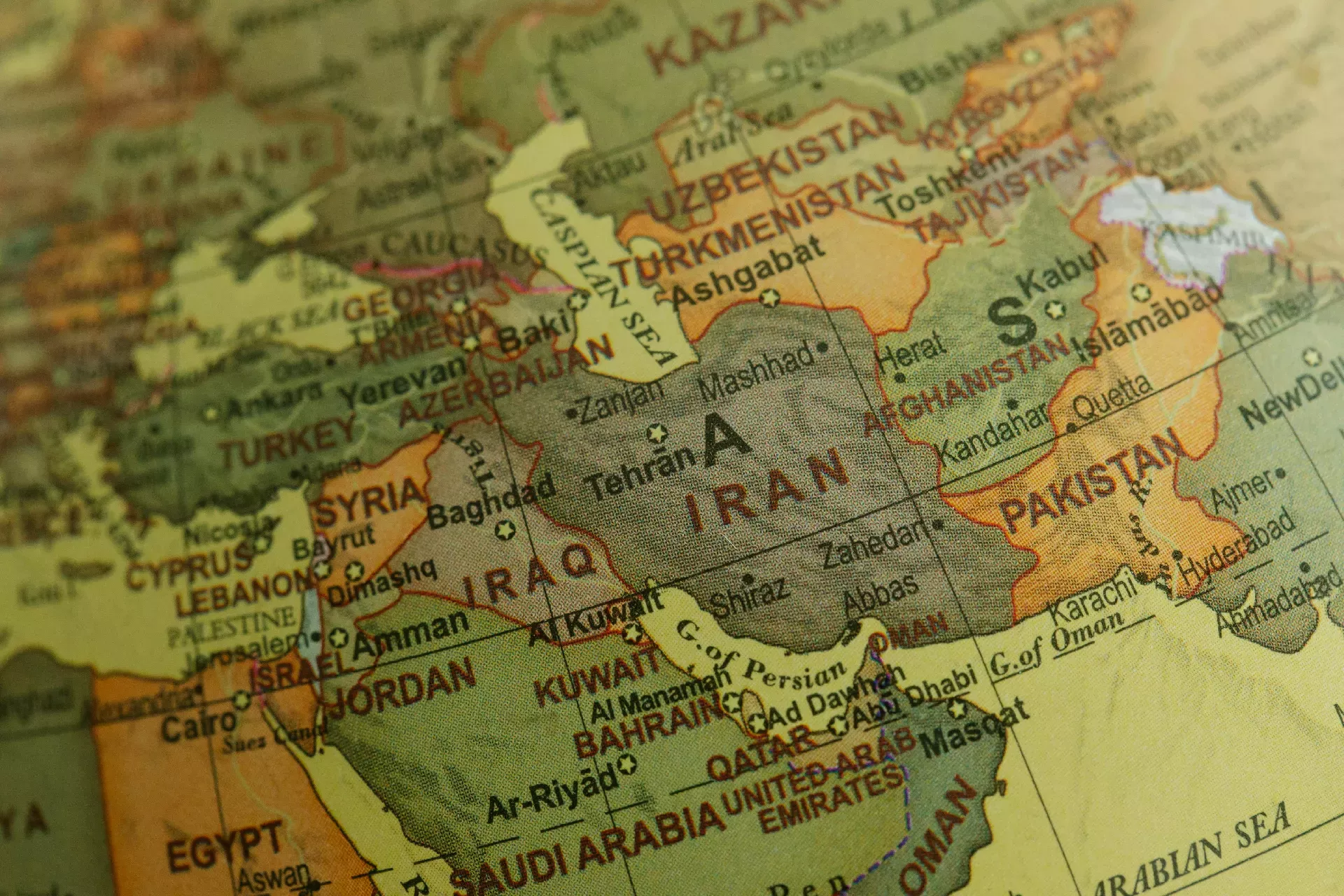
The outcome of this war will also determine the future of Palestine, Jordan, the United Arab Emirates, and Turkey, which is a NATO member but also a country with ambitions that transcend national borders.
A swift end to the war would leave some things in the Middle East in their current positions in the short term, but a prolonged war would bring changes. Bahrain is shaking, Shiites in Iraq have the initiative, Hezbollah is emboldened by Iran's stance, cracks are growing in Israeli society, the Iranian economy and military are suffering heavy blows, US military bases are under unprecedented attacks, Lebanon is once again showered with bombs, many are wondering whether, to whom, and when Turkey and some other countries will align in this war, the UAE and others are facing economic difficulties, Saudi Arabia is under political and economic pressure, Iraqi and Iranian Kurds are being pushed into war against Tehran, oil prices are rising worldwide...
Netanyahu knew exactly what he wanted when he attacked Iran, but the same could hardly be said for Trump, who has been giving contradictory answers to simple questions for days. American strategists were aware of the situation in the Middle East, which is why previous US presidents did not want to go to war with Iran, not only because of Iran's military power but also because of what might come after. Now that Washington wants to curb China, it does not need a major geopolitical game in the Middle East and it is difficult to play it successfully the way Trump is currently doing. And the game has begun and is ongoing, which is an invitation for many to join and try to achieve their interests.
Komentari (0)
Prijavite se za komentiranje
PrijavaJos nema komentara. Budite prvi!
Minuta
Sve →Iz drugih kategorija

High Representative Not Elected: Germans, French and British Sabotaged Americans, New Attempt at End of June

ČOVIĆ WITHOUT MERCY: How Those Who Brought Ademović to Office Created a Political Hell for Him



Sunny Saturday, quite warm



Tragedy in Albanian resort: Two minors drown












