
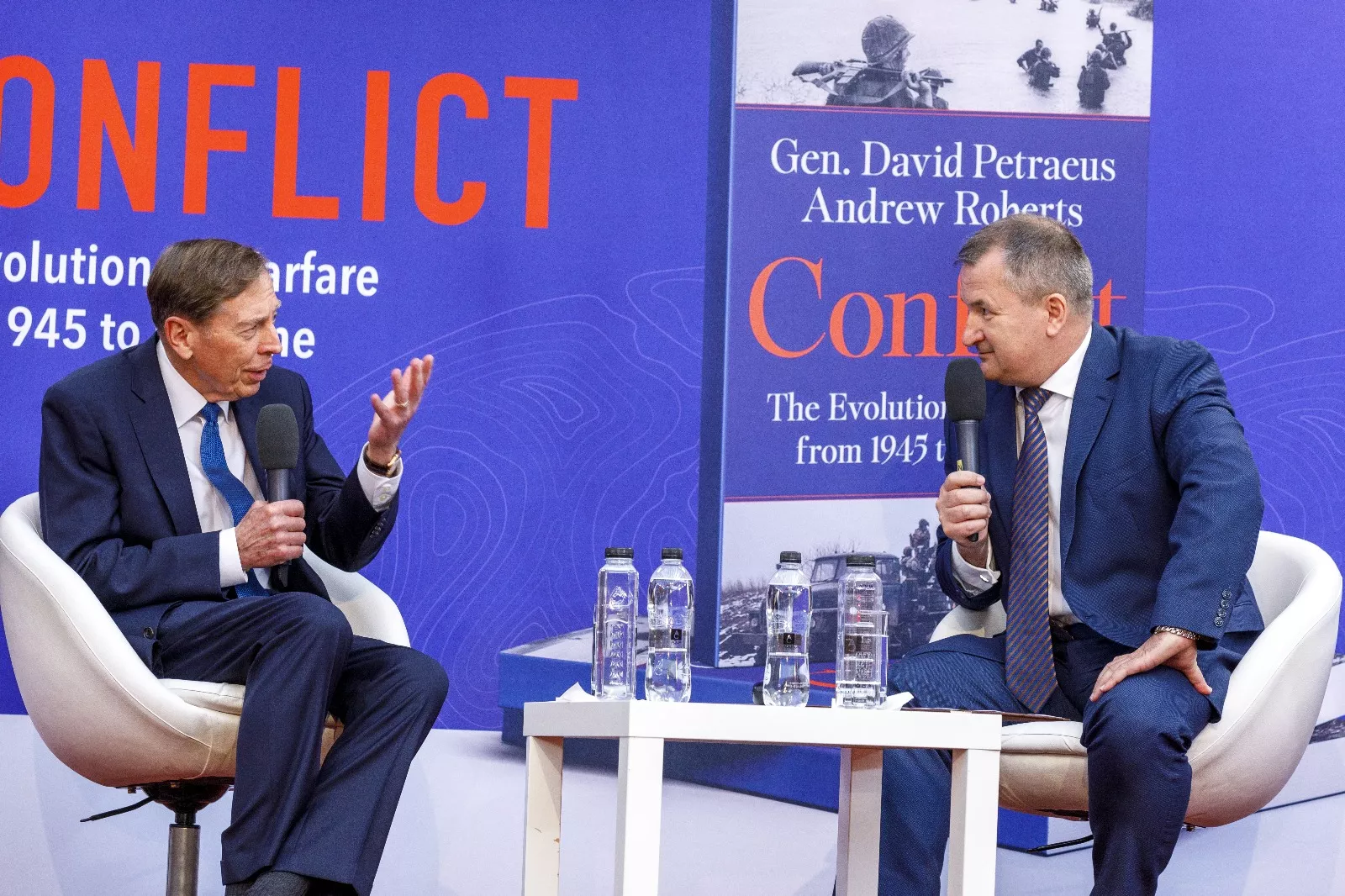
• David Petraeus, former CIA Director, and Andrew Roberts, leading American historian, in the latest American bestseller "Conflict" (October 2023) reveal how the Serb siege of Sarajevo was broken in September 1995... We had to act with dozens of "Tomahawk" missiles from the American aircraft carrier "Normandy" to break down the military fortifications on the hills around Sarajevo.
• No one in the recent Western historiography writing about the war in BiH has written this sentence: "The exceptional brutality of the Serbs and Croats towards their neighbors horrified many..."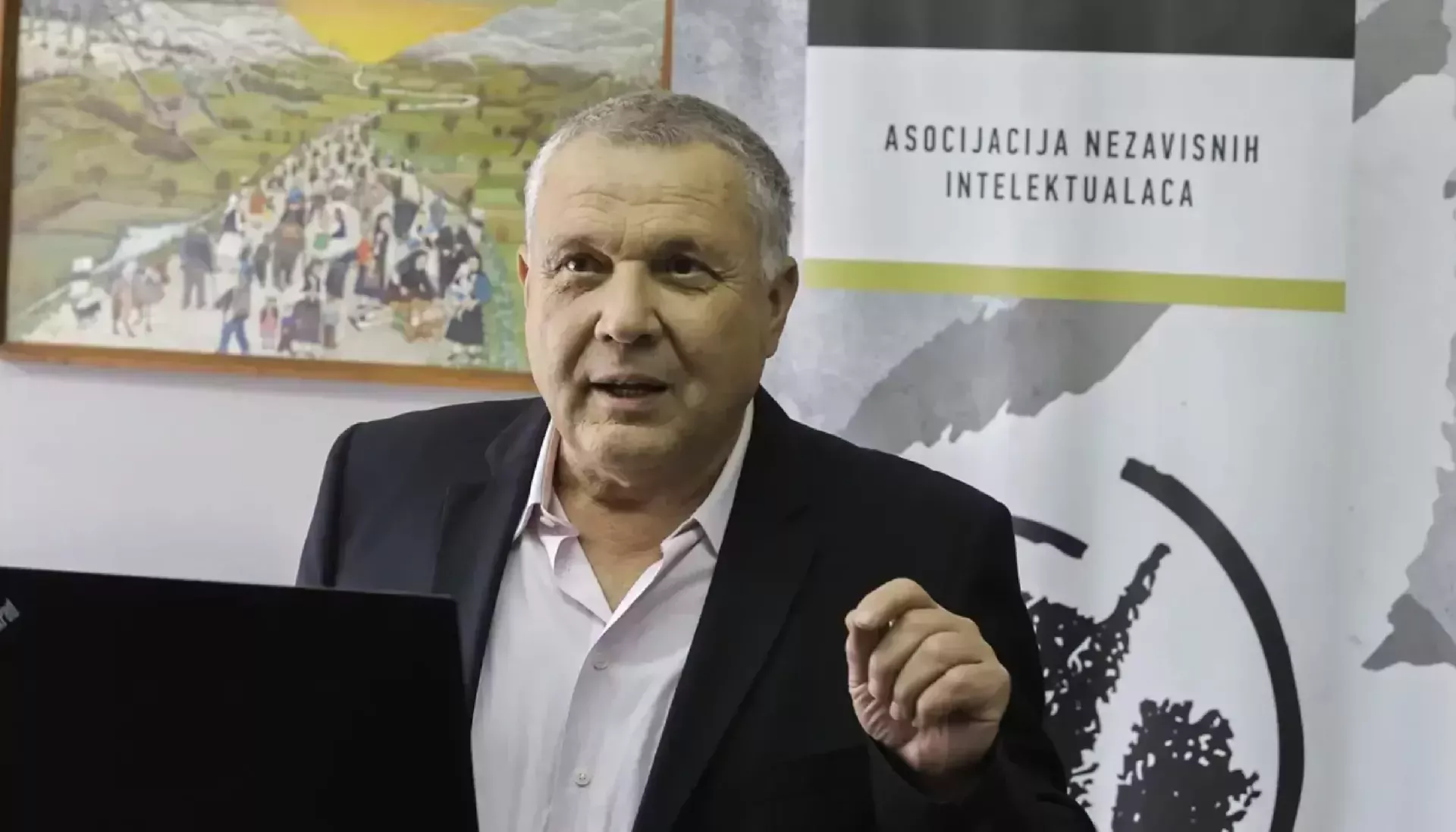
Fuad Đidić
By: Fuad Đidić
What must you learn from the past and how to anticipate your future? This is, in short, the message that two leading American historians and strategists, Andrew Roberts and David Petraeus, send us with a degree of warning in their latest outstanding work "Conflict" ("The evolution of Warfare from 1945 to Ukraine", October 2023).
Two years after this work was released to the public, American critics have given it the highest ratings and placed it at the very top of historical analytics readership in the USA.
"Conflict" is a work that actually deals with the evolution of war in general, from 1945 to the war in Ukraine. However, in the chapter titled "Former Yugoslavia: Did Air Strikes Resolve the Balkans of Ethnic Hatreds?", the authors, with extraordinary sharpness and depth of analysis, describe some pivotal events of the war in BiH that are unknown to our public.
The historical masterpiece of David Petraeus, former CIA Director and commander of military operations in Iraq and Afghanistan, and Andrew Roberts, a leading renowned American historian, is based on a collaboration of field experience and historical analysis, which gives the work a character of high credibility and accuracy of assessments about what the coming decades hold.
Of particular importance for our public is a concise, accurate, and rarely seen portrait of the war waged against BiH from two centers – Belgrade and Zagreb.
In this regard, the authors have not succumbed to a unilateral paradigm, quite widespread in Western historiography, which also omits the coordinated role of Croatia, i.e., Tuđman and their units, who, in alliance with the units of Milošević's and Karadžić's Serb army, initiated violence "of unimaginable proportions".
Let's look at the authors' assessments:
"The exceptional brutality of the Serbs and Croats towards their neighbors horrified those who might have hoped that Europe's time as a bloody battlefield had ended in 1945. Those responsible for such acts committed one of the most heinous examples of ethnic cleansing in modern times. The violence was so horrific, and the victims so racially targeted, that those who ordered the attacks were found guilty of genocide".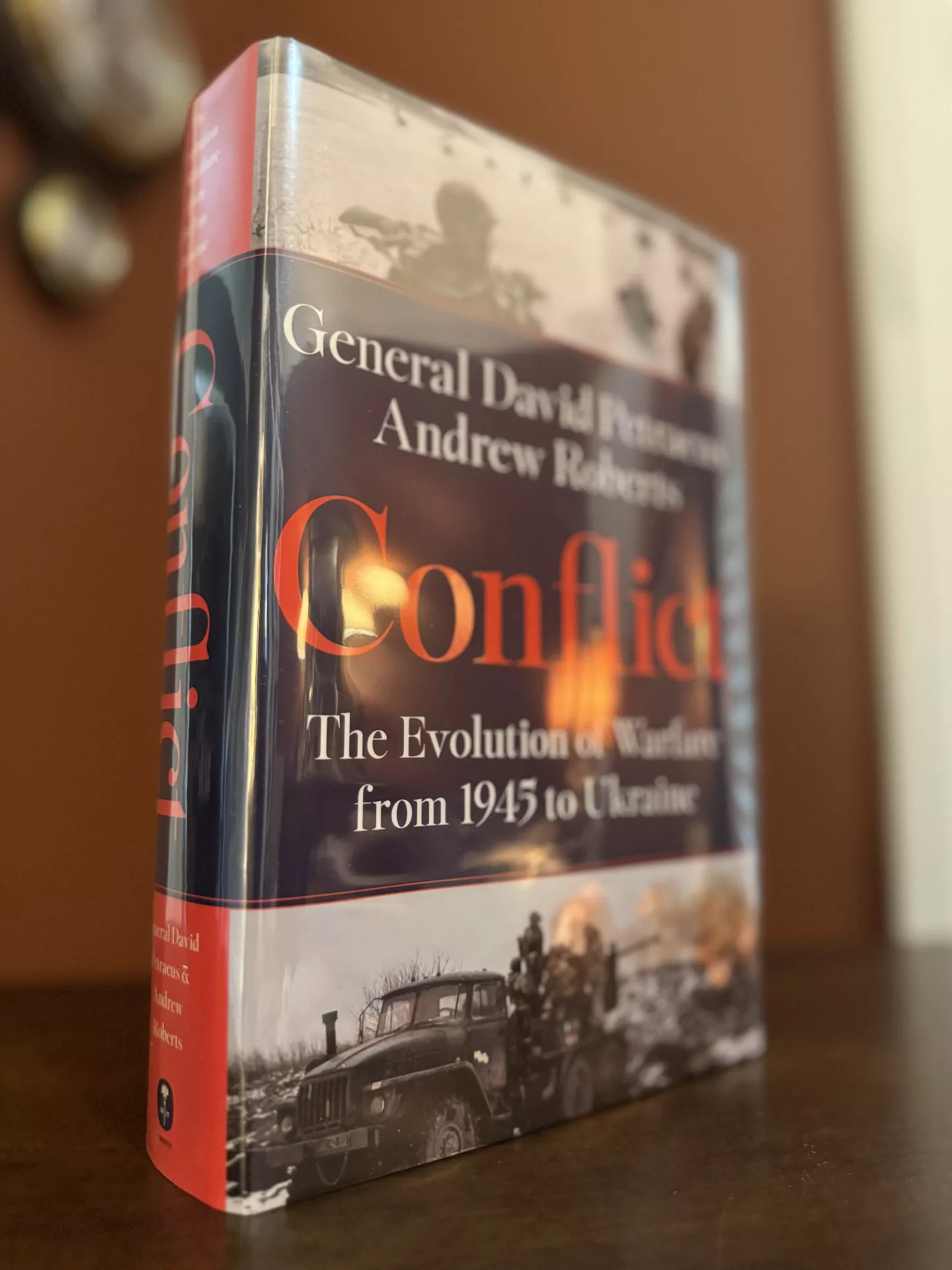
In their further assessments of the war, the authors refer to another significant name in contemporary American historiography – the renowned historian Niall Ferguson, about whom they write that he assessed that "Milošević, Karadžić, and Tuđman's common plan was always genocidal in intent... Furthermore, Tuđman publicly stated that former Yugoslavia would not have a 'Muslim part' despite the fact that Muslims constitute nearly 40% of the population".
Authors Petraeus and Roberts have not only provided accurate assessments of the nature of the war against BiH, but they have also informed the public about new, fascinating facts about how the siege of Sarajevo was broken in the NATO air operation "Deliberate Force", which lasted from August 30 to September 15, 1995, launched after the Markale market massacre on August 28, 1995.
In the part of the book where they discuss the strength and number of weapons on the hills around Sarajevo, the authors simply leave us speechless when they write about "an undetermined number of Russian SAM missile systems that were skillfully hidden on the hills above Sarajevo", which were actually prepared to "target NATO F-16 aircraft".
In addition to these missiles, our enemies possessed a thousand anti-aircraft artillery pieces and an unknown number of "portable air defense systems".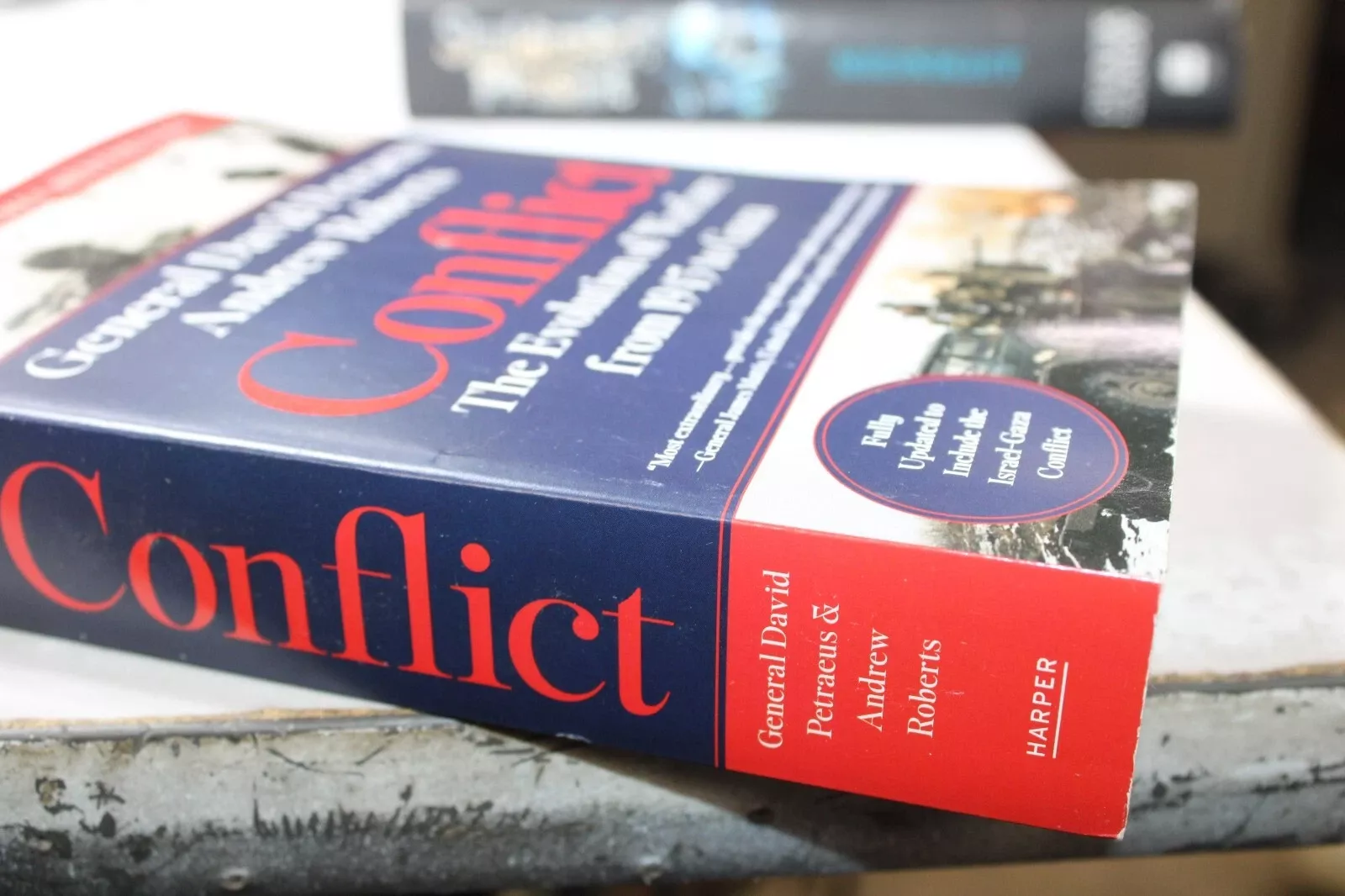
The NATO operation "Deliberate Force" began on the night of August 30, 1995, and involved 350 combat aircraft, mostly stationed in Italian air bases. Of the total number of sorties, three-quarters were carried out by the US Air Force, and the rest by seven of our NATO allies.
On the first day of the "Deliberate Force" operation, 300 combat sorties destroyed air defense targets, including ammunition depots, radar installations, command posts, communication relay stations, surface-to-air missile (SAM) sites, and anti-aircraft artillery units.
The "Deliberate Force" operation consisted of as many as 3,400 combat flights, including 750 attack sorties against fifty-six ground targets.
Given the capacity and scale of Serb armaments around Sarajevo, the "Americans", according to the authors' claim, also had to "fire more than a dozen Tomahawk cruise missiles from the American aircraft carrier USS Normandy" at "Serb targets".
This additional firepower, although concentrated on military targets, represented a much-needed increase in the aggressiveness and determination of the Clinton administration in resolving the siege of Sarajevo, concludes this chapter.
We knew that this action had to be short and that it had to hit all the planned targets. Fortunately, the tide soon turned against the Bosnian Serbs...
Defeated from the air, the Serb forces could not withstand the new attacks by Bosnian forces on the ground, especially after the Croatian Army joined the fight against them, which now also had full American support.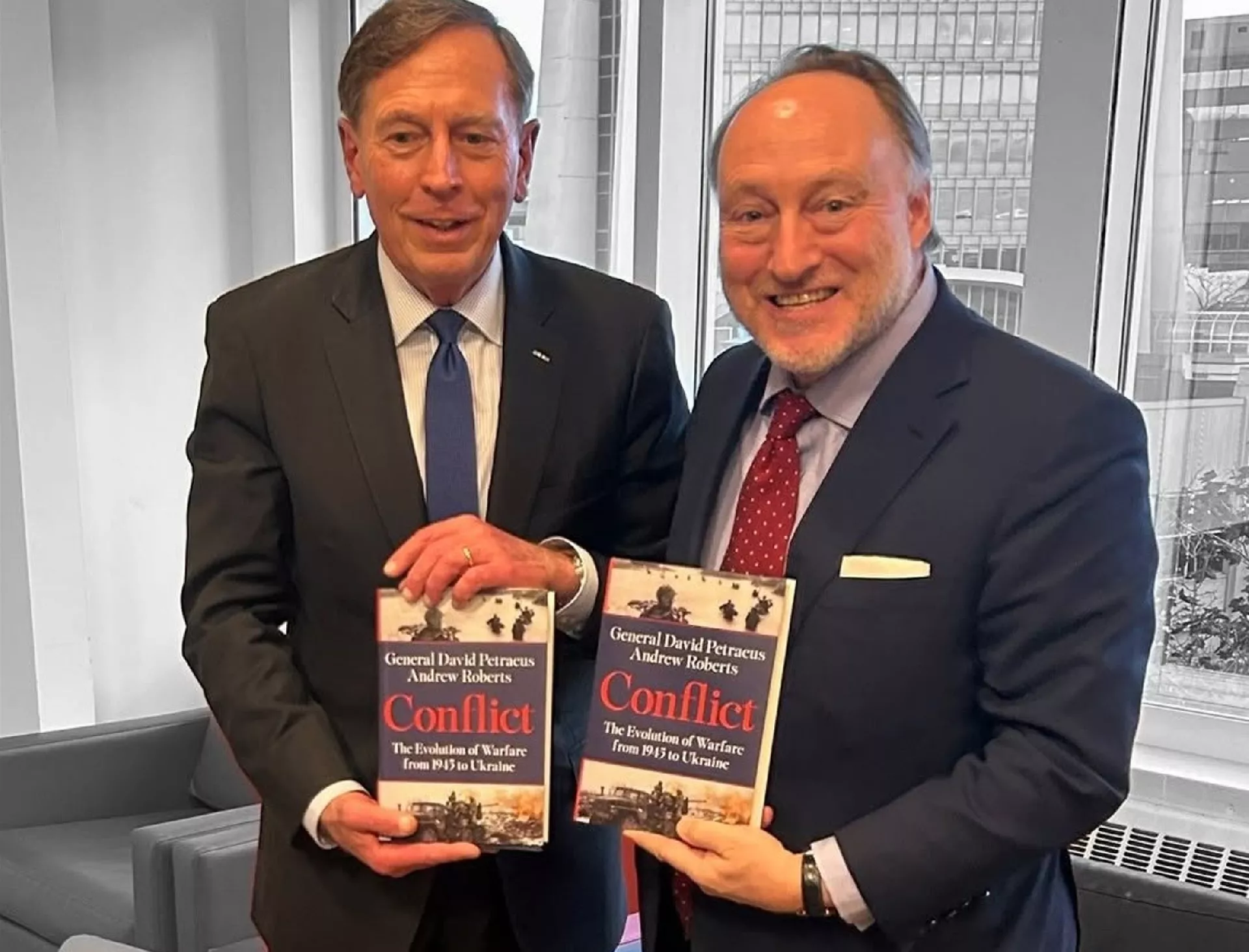
Authors of the book David Petraeus and Andrew Roberts
According to the authors, the operation to break the Serb siege around Sarajevo had several other strong advantages. The Serbs skillfully used the disintegration of the cumbersome UN and NATO coalition, which began to fall apart after only two days of air strikes.
The authors dedicated special paragraphs of their book to the inglorious role of French General Bernard Janvier, commander of UN forces on the ground. According to them, just two days after the planes were launched, he requested a halt to the operation, after meeting with the leadership of the Bosnian Serbs... His naivety, as well as the demands with which he slowed down the bombing of strong Serb fortifications, were - "unbelievable".
However, the impression is that the authors have a hint of understanding for Janvier when they refer to another equally strong asset that the Bosnian Serbs used while concealing the siege of Sarajevo.
"The Bosnian Serbs' propensity for lies and deception, along with the naivety of certain UN leaders, was a powerful weapon in their arsenal..."
In this chapter, with a great deal of resignation, the authors comment on the further fate of General Janvier, who did everything to stop the "Deliberate Force" operation.
Despite the fact that the International Association for the Prevention of Genocide, Crimes Against Humanity, and War Crimes filed a request in 1995 for the indictment of General Janvier for "repeated and systematic prevention of necessary assistance for the protection of the Srebrenica safe area and its population", the general was awarded the rank of Officer of the "Legion of Honor" the following year.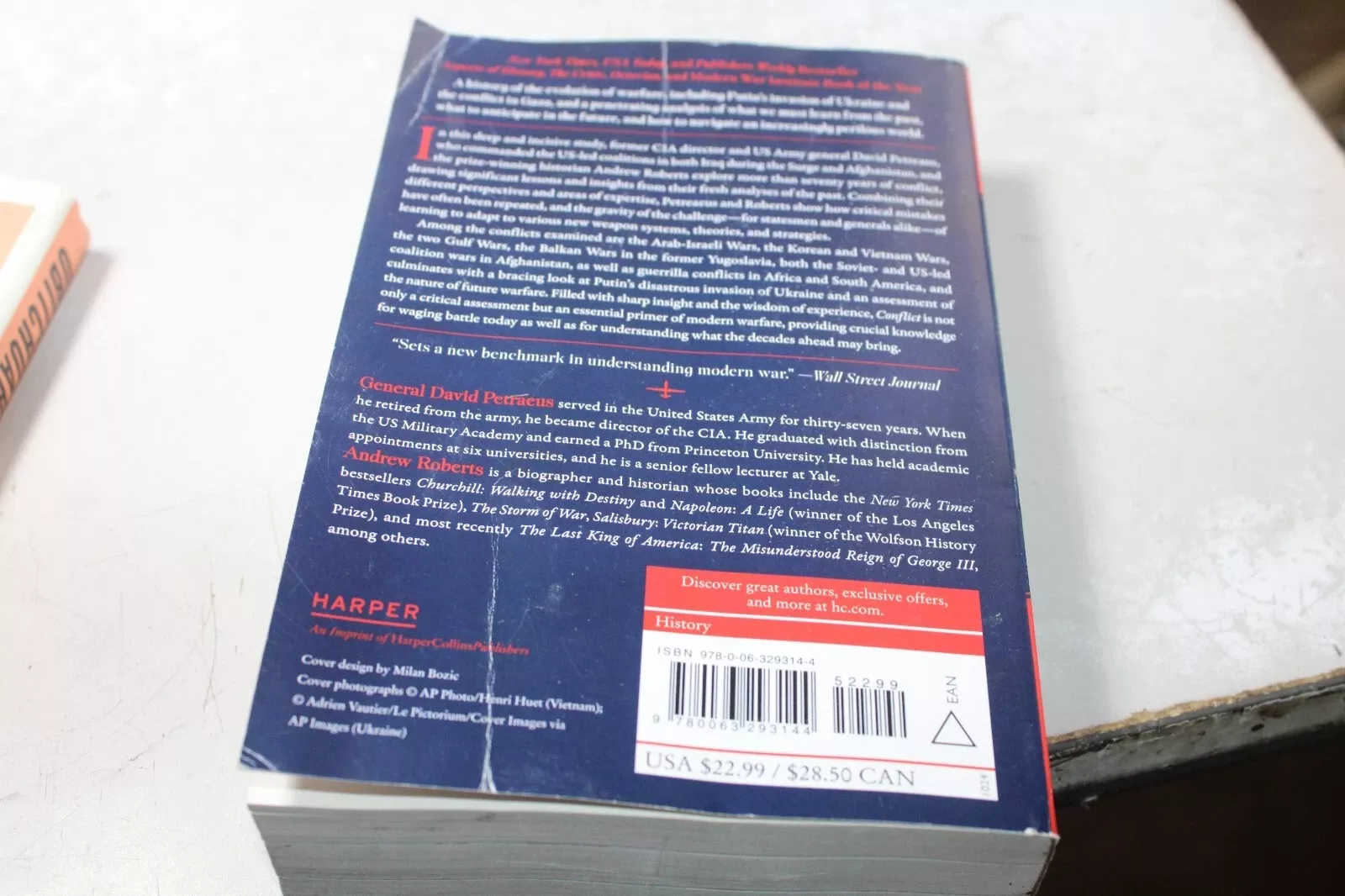
However, the authors were no less critical of the role of American General Colin Powell, who had tried much earlier to prevent American intervention, all with the aim, as later emerged, of saving American forces for an intervention in Iraq. Apparently, Albright's reaction was important and decisive here. Here's what the authors say about it:
"Powell shuddered when Madeleine Albright, the US Ambassador to the UN, sharply told him: 'What's the point of having this top-notch army you're always talking about if we can't use it?'
This outstanding book by authors Roberts and Petraeus, which did not fail to register the extent and horror of the violence against BiH, and especially Bosniaks, is a rare example where the field experience of the former CIA director and the expertise of the most influential American historian Roberts are united.
Unfortunately, Western leaders drew the wrong lessons from this military action, conclude the authors. Milošević was not a great opponent of this bombing. He even welcomed such a thing to "bring the rogue Bosnian Serbs to their senses" and thus absolve himself of responsibility for such a collapse of the siege of Sarajevo. The illusion of Western leaders that Milošević was broken by this action was also wrong, as he decided to act in Kosovo only four years later.
Peace in the Balkans, with such a peace agreement, will not last even half a century, write the authors at the end of this chapter on BiH, adding – "General Clark might be preparing again to oversee some other kind of war in the region through NATO forces".
Komentari (0)
Prijavite se za komentiranje
PrijavaJos nema komentara. Budite prvi!
Minuta
Sve →Iz drugih kategorija

High Representative Not Elected: Germans, French and British Sabotaged Americans, New Attempt at End of June

ČOVIĆ WITHOUT MERCY: How Those Who Brought Ademović to Office Created a Political Hell for Him



Sunny Saturday, quite warm



Tragedy in Albanian resort: Two minors drown












