
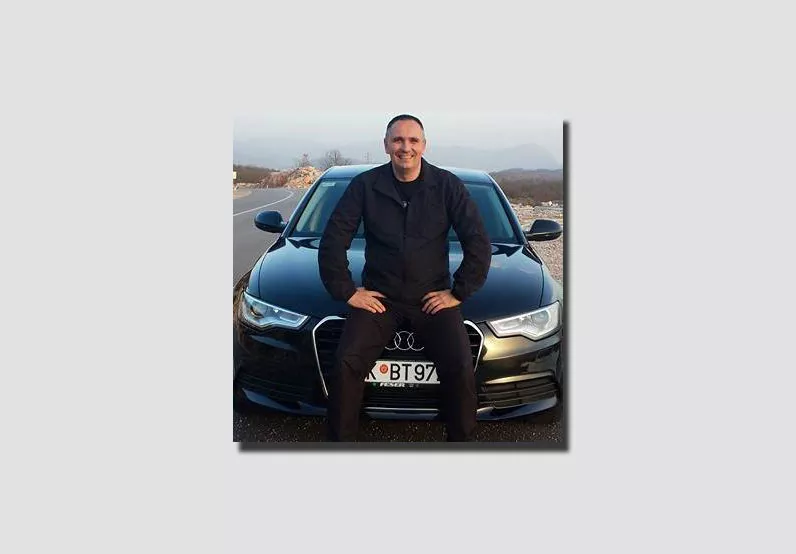
What convicted war criminal Veselin Vlahović Batko was during the aggression against our country in the Sarajevo neighborhood of Grbavica, Zoran Gašević was in Hadžići. Batko was arrested after the war and sentenced to 45 years in prison. However, like the monster Batko from Grbavica, there were a large number of criminals in the ranks of Serbian police, military and paramilitary formations in the occupied territories of Bosnia and Herzegovina.
More than 600 residents of Hadžići were killed or died during the war. Of that number, 250 residents of Hadžići were listed as missing persons, and to this day the remains of 90 of them have not been found. 94 prisoners from Hadžići were killed in camps, namely: Lukavica 46, Hadžići 26, Svrake 11, Kula 7, and one prisoner each in Dretelj, Foča, Kalinovik and Prozor. 906 people passed through the camps in Hadžići, of which 756 were from Hadžići.
Considering that prisoner status is only obtained after 72 hours spent in the camp, the number of people who were detained for 1 or 2 days is several thousand. Not only able-bodied men were imprisoned in the camps. There were old people, women, children, as all surviving residents of Hadžići know well. There are hundreds of testimonies from survivors, both from the war and from court testimonies after the war.
Criminal works in the police in Nikšić
Camps were formed in the Hadžići Cultural Center, the garage of the Hadžići Municipality, the Cultural-Sports and Recreational Center Hadžići (KSIRC), the Health Center, the Technical Repair Institute, the Social Welfare building, the premises of the Hadžići Territorial Defense, the premises of the Hotel building, and many other facilities where residents of Hadžići, Bosniaks and Croats, were imprisoned.
From these camps, residents of Hadžići were deported to the camp at the “Slaviša Vajner Čiča” barracks in Lukavica, from where they were transferred to the “Kula” camp, and from the “Kula” camp to the Ilidža Police Station camp, the Planjina kuća camp and other camps in the occupied areas of Sarajevo.
In the municipality area, 59 graves have been discovered so far with the remains of 97 bodies, and searches are ongoing for another 90. Many residents of Hadžići were killed as human shields or in other camps around Sarajevo.
Who is Zoran Gašević? He is the son of Ratko Gašević, already sentenced to 8 years in prison for crimes committed in Hadžići. Official documents list him as Zoran (Ratko) Gašović, which is the first sign of identity concealment. The Gašević - Gašović family originates from Plužine, Republic of Montenegro. Before the aggression, they moved to Hadžići where they lived and worked. After the reintegration of Hadžići, they moved to Montenegro and settled in Nikšić. After the war, Ratko came to Hadžići to settle property rights and documents as if he were innocent, but in fact he was a rapist who abused innocent and helpless Bosniak women. He was arrested there.
Zoran followed in his father's footsteps, and was among the first to join the Serbian police. Immediately after the capture of the center of Hadžići on May 12, 1992, this executioner was appointed chief interrogator and warden of the Hadžići camp "Garaža". Garaža is considered a death camp, and every second prisoner in this camp was killed. Many have not been found to this day. This was the first camp formed in the occupied territory of Hadžići. It was formed by order of the Crisis Staff, implemented by the SJB Hadžići, and was under their administration, and it existed until August 1992. In addition to Zoran Gašević, prisoners were interrogated and beaten by Borislav Banduka, Mirko Jokić, Miro Kecman, Mladen Kecman, Nemanja Jovičić (convicted war criminal), Mladen Tolj, and many other Chetniks.
In 2013, on TV “Alfa”, in the show “U škripcu”, hosted by journalist Zvonko Marić, Tomo Kovač was a guest. During the war, he served as chief of the police station in Ilidža, then assistant minister of the RS for police and commander of the RS police. He ended the aggression as the only general of the RS police. Regarding the crimes in Hadžići that occurred in May, he said that the “Blažuj Brigade” was to blame.
He stated that Ratko Radić, president of the SDS and the so-called Serbian Municipality of Hadžići, paid a police officer to transport and bury the “killed” residents of Hadžići somewhere in Krupac. This refers to a group of 14 killed prisoners from Hadžići, who were shot in front of the Cultural Center, and whose bodies were exhumed in 2004 in Krupac. The police officer in whom Ratko had immense trust was Zoran Gašević. The bodies were loaded onto a refrigerated truck and taken to Krupac. They fired Zolja rockets at the killed to burn them beyond recognition.
Trafficked Bosniaks with Croats from Kreševo and Kiseljak
On June 22, 1992, 284 prisoners from Hadžići were transferred by several buses to the "Slaviša Vajner Čiča" barracks in Lukavica. The prisoners were escorted by Zoran Gašević, Rade Veselinović (convicted war criminal), Nemanja Jovičić (convicted war criminal), and Stevo Lubura. On June 23-24, judge Slobodan Avlijaš, former assistant minister of justice of the so-called Serbian Republic, handed over a list of prisoners from Hadžići on which individuals for liquidation were already marked. The list of captured Bosniaks was read by Vojo Vukotić. Of the 284 prisoners, 46 were singled out in this barracks, and their remains have not been found to this day. Another 26 were killed in other camps and as human shields. There is information that the lists were made by Zoran Gašević and Nemanja Jovičić, but it is not known on whose orders? The commander of the barracks at the time was Lieutenant Colonel Desimir Šarenac, who today lives freely in his native village of Stari Brod in Rogatica.
On June 26, 1992, Zoran Gašević came with several Chetniks to the Garaža camp and took out Alija Bašić, Ramiz Hrgić and Alija Kovačević. After beating them to death, he took them by van to Vučine-Igman, where they were shot. Their bodies were found and exhumed in 1999.
Numerous individual murders that occurred both in camps and on doorsteps are linked to Gašević. He was also known for robbery, looting, and smuggling not only goods, but also selling captured Bosniaks and Croats, those who were not a "threat" to the creation of the so-called Greater Serbia. The price of a human life was around 3,000 German marks, and the sale went through Kobiljača and well-known Croats from Kreševo and Kiseljak.
Witnesses also accused Gašević of murdering several residents of Donji Hadžići, and 14 killed residents of Hadžići who were exhumed on Igman, from the Đurđevača mass grave.
Today, this criminal from Hadžići lives with his family in Nikšić. He even works in the police, and thanks to the inaction of official judicial and municipal institutions, no one touches him.
Two books have been written about the crimes in Hadžići. One is by authors Alen Almin Bašić, son of a murdered prisoner, and Aziz Tafra, "Hadžići, Crime Without Punishment", and the author of the second book “Six Camps of Hell” is prisoner Remzija Balić.
Komentari (0)
Prijavite se za komentiranje
PrijavaJos nema komentara. Budite prvi!
Minuta
Sve →Iz drugih kategorija

High Representative Not Elected: Germans, French and British Against Americans, New Attempt at End of June

ČOVIĆ WITHOUT MERCY: How Those Who Brought Ademović to Office Created a Political Hell for Him



Sunny Saturday, quite warm



Tragedy in Albanian resort: Two minors drown












