
By Armin Sijamić
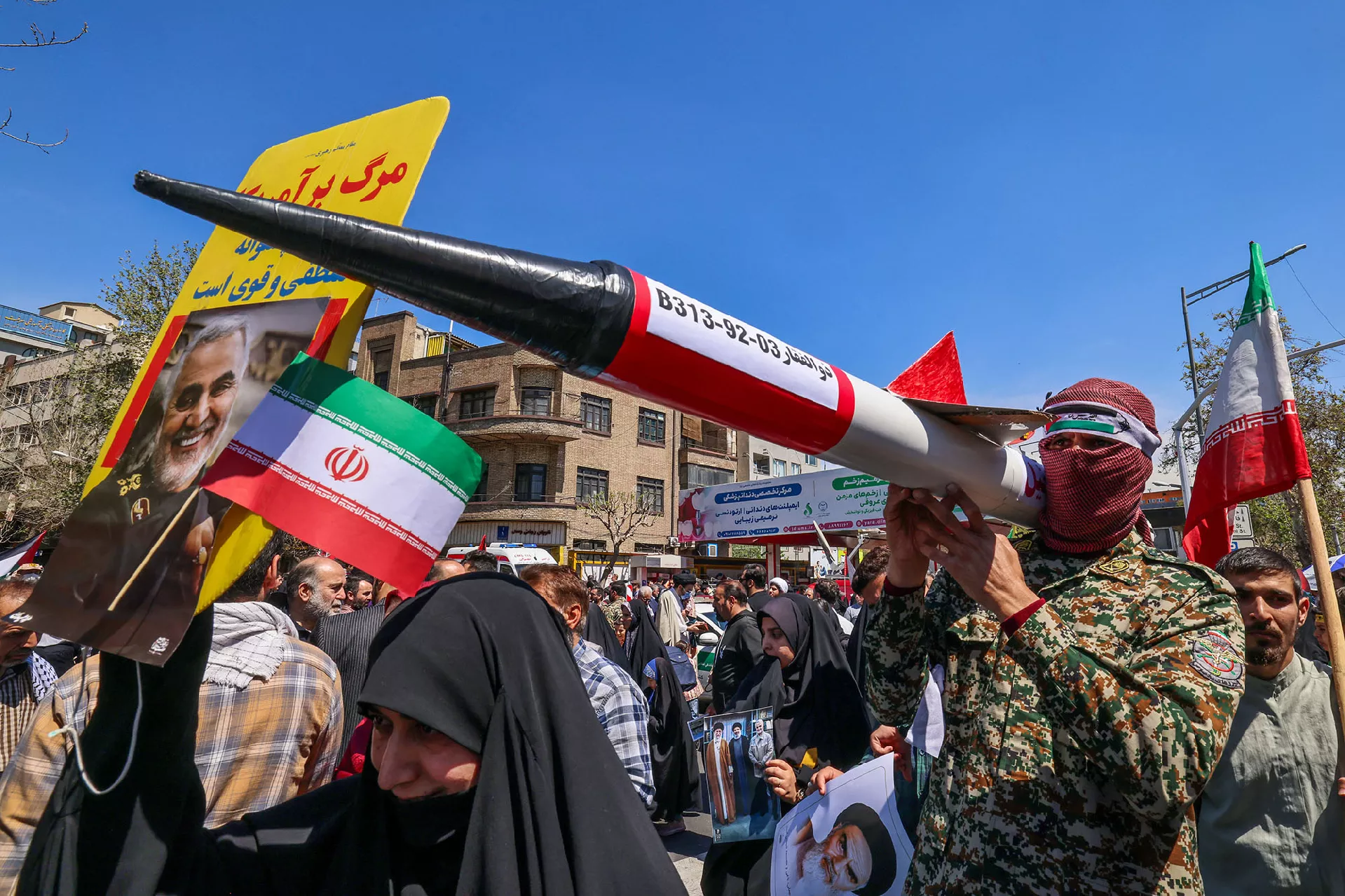
Three weeks have passed since Ismail Haniyeh, the leader of the political bureau of Palestinian Hamas, was assassinated in Tehran. Iran and Hamas have accused Israel of his assassination and promised revenge. However, to this day, Iran has not taken revenge, at least not in the way the public expects, for the attack in Tehran.
The public is not aware of how Haniyeh was assassinated in Tehran, and there are different versions of how it was carried out. An airstrike, explosives planted in the room he was in, a missile launched from a rocket launcher, a drone attack... In other words, the public is left to decide whom to believe, which is not accidental in this high-stakes game.
But no one doubts who is behind the assassination of the man who negotiated peace with Israel in the Gaza Strip. Hamas and Iran claim Israel carried it out, and Tel Aviv has neither confirmed nor denied it. Enough to demand revenge on a state that stands behind the assassinations of its enemies around the world.
Iranian Pride, American Role
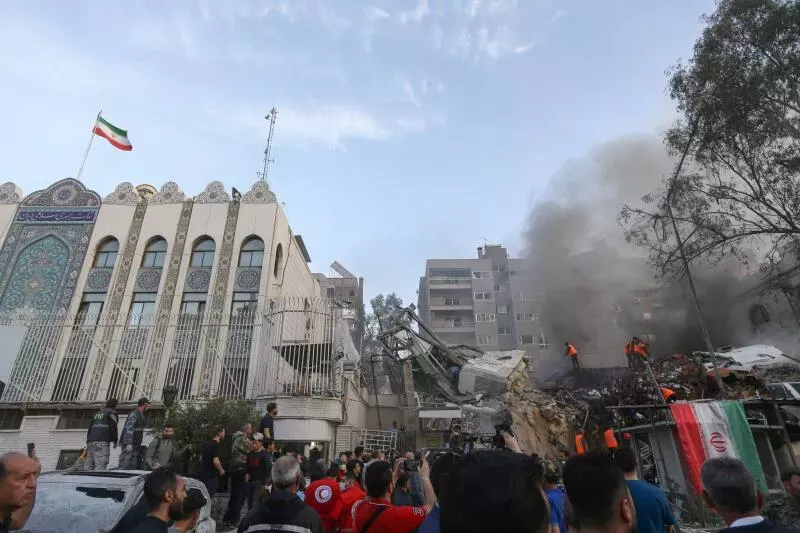
The assassination of the Palestinian Haniyeh was particularly brazen because it occurred on Iranian territory, where he was attending the inauguration of the new president, Masoud Pezeshkian. Whoever did it knew that Iran would have to react, as it concerns pride, or rather a slap in the face to Iran's security network. Perhaps this is one of the reasons why there are so many versions of how the Hamas leader was assassinated.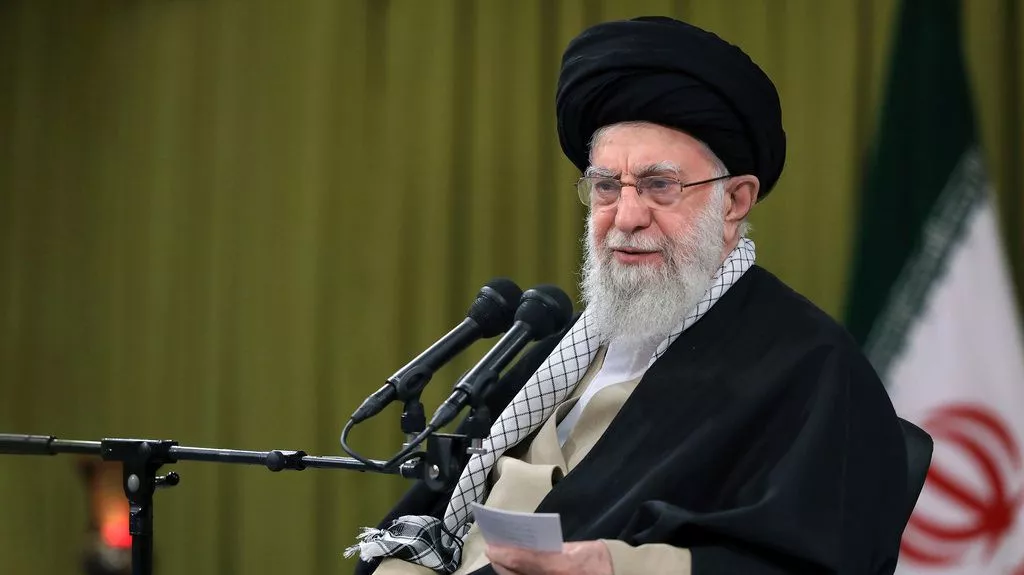
Ayatollah Ali Khamenei, and subsequently other Iranian officials, announced revenge on Israel. Khamenei's order will have to be carried out, as previous ones have been, but it is unclear how and when, which is a fundamentally important question for the Middle East. Will Iran again bomb Israel? How and will Israel retaliate? What will be the role of the United States? Will some Arab countries again side with Israel? Can Iran surprise everyone in the region and carry out the promised revenge?
But the central question in the waiting for Iranian revenge is the behavior of the world's greatest power – the United States. There is no doubt that Israeli Prime Minister Benjamin Netanyahu wants to drag the US into a war against Iran, as Israeli officials have implicitly stated and as Netanyahu has advocated for decades. On the other hand, Joseph Biden's administration says it will defend Israel, but has not said it will attack Iran.
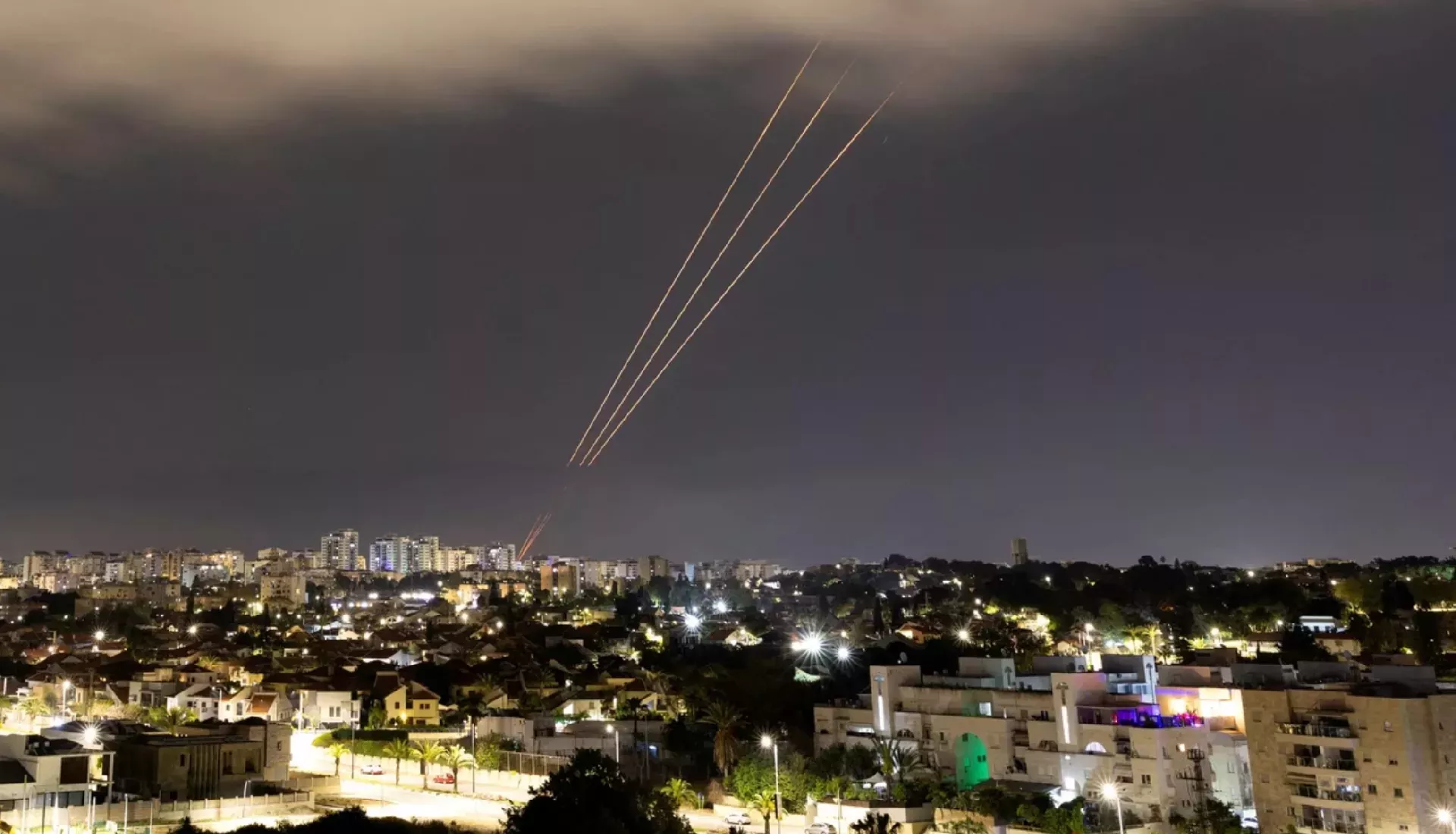
To make the promise more relevant, Washington has sent aircraft carriers, ships, submarines, and planes to the Middle East. It is assumed that the US, just as in April when Iran attacked Israel directly for the first time in history, will intercept Iranian missiles over Iraq, Jordan, and Israel.
Waiting for the Right Opportunity
For three weeks now, Iran has not retaliated, if it is to be a single act, although officials there repeat that it will happen. Numerous diplomatic activities in the Middle East attest to the fact that everyone is aware that Iran must respond to the attack in Tehran, even though Haniyeh was not an Iranian official. Any punishment of Israel brings popularity to the political leadership in Tehran throughout the Middle East. On the other hand, the lack of response so far has been seen by some as Iranian weakness.
A swift response from Iran has not occurred, although movements of Iranian troops have been observed. But as things stand, Iran calculates that time is on its side, meaning that in the current circumstances, Tehran can have an advantage, as it will be able to choose the time and place of action. In addition, it is clear to Iran that the reinforced American troops will eventually have to leave the Middle East and return to their regular deployment.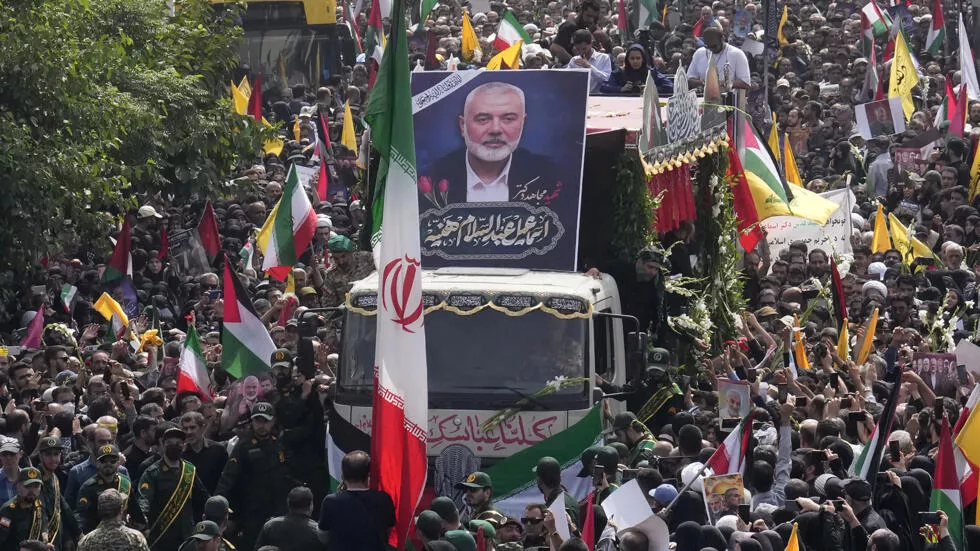
Some consider this risky in the medium term, as there is a possibility that Donald Trump, a sworn enemy of Iran, could return to the White House in January if he wins the November elections. He destroyed the nuclear deal, imposed sanctions on Iran, and supported Israel like few US presidents before him.
But there is a long way to January, and by then Israel must face numerous problems. For weeks, planes from that country have been evacuating people around the world, and numerous airlines have suspended flights indefinitely. Israel is preparing shelters and evacuation plans, tourism has almost ceased, and the north of the country has been displaced by attacks from Lebanese Hezbollah, the economy is suffering... There are reports of particular problems in the agricultural sector, as some workers who came from the Gaza Strip and the West Bank are not working, and there are not enough foreign workers to replace them.
This uncertainty certainly does not suit Israel, especially not ordinary people who want to work and live in peace. Also, this is a blow to the premise that Israel is safe and that Jews from all over the world should come to live there. Netanyahu's policy has thus shaken these two important premises, and many claim that voters will show him this in the next elections.
Does Iran have to respond with a missile attack?
Iran will likely continue to fuel these fears and dilemmas in Israel for as long as possible. But what could Iran's response be, if not similar to the April attack?
In addition to what many expected – a missile attack on Israel – Iran has other options. In recent days, information has emerged that Iran has obtained a list of Israeli agents in various countries and that they could be targets. Then, that Iran is ready to attack alleged Israeli centers in Azerbaijan and Georgia. The story sounds like a continuation of the operation Iran carried out in January in Iraqi Kurdistan, when, as they said, they destroyed Israeli operatives and collaborators with a missile.
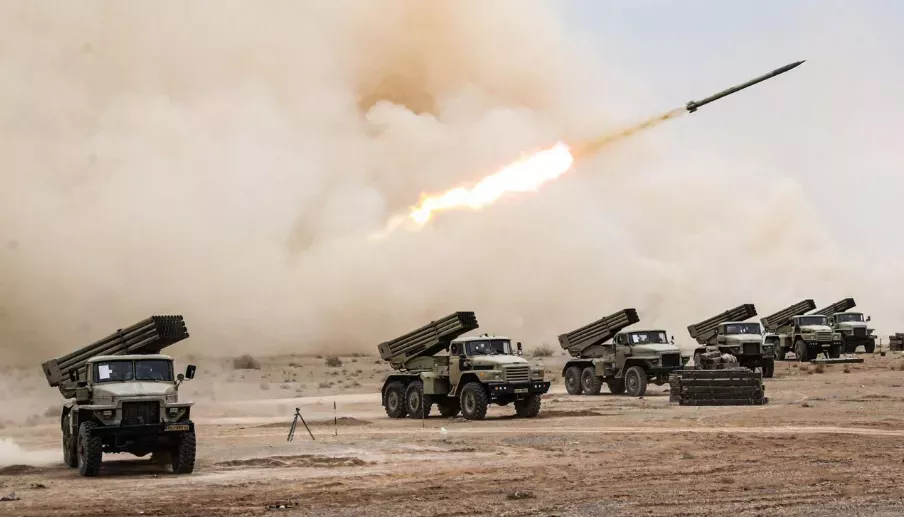
In recent days, statements from Iranian officials have emerged stating that peace in the Gaza Strip does not obligate them and will not deter them from responding to Israel. Furthermore, Iranian media reported that Tehran will prosecute the killing of Haniyeh in domestic and international courts, as it is an act of "international terrorism."
In all possible versions of an Iranian response, the bigger picture is often lost. Namely, the war in the Gaza Strip, and now the assassination of Haniyeh, are seen by Tehran as part of the Middle Eastern mosaic, or rather, just an episode in a war that has been going on for decades. Iran has been particularly successful in this in recent months, although its military leadership has paid a price after a series of assassinations in Syria and elsewhere.
Iran has shown that Israel is vulnerable and that without the help of the United States, its current policy becomes unsustainable. Furthermore, Iran has shown that Israel can strike it, but not inflict a permanent defeat, and that Netanyahu has no quality solution for Hezbollah, which is attacking further and further from the border.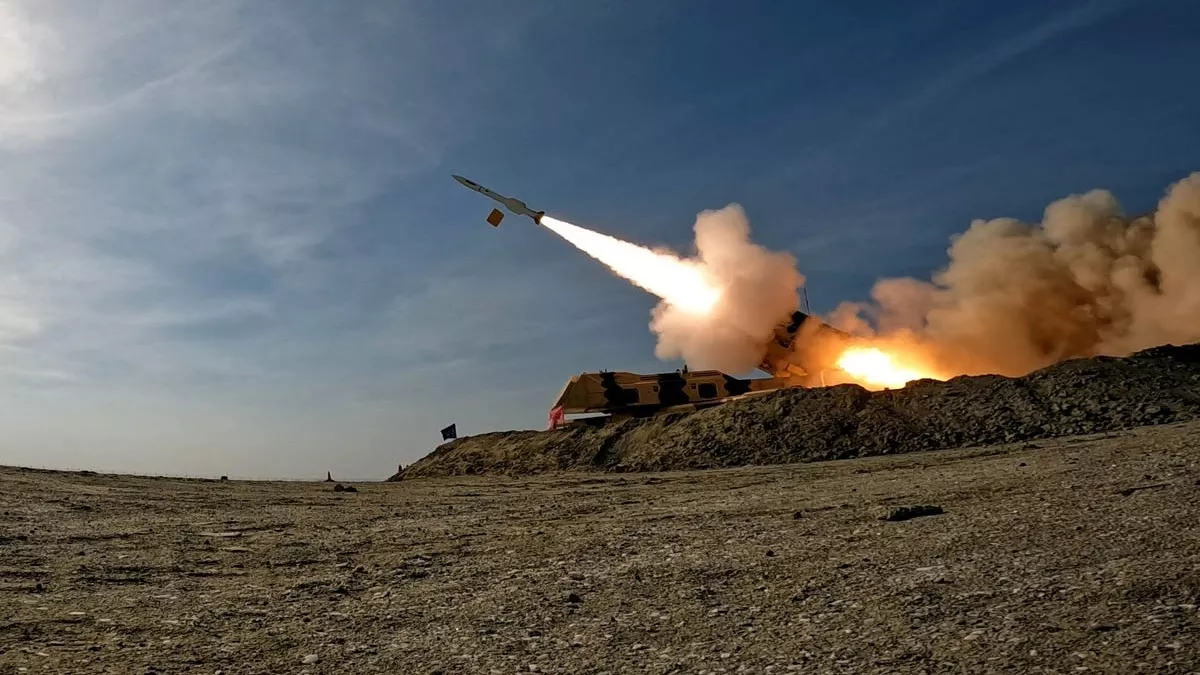
In an even broader picture, Shiite militias have attacked US bases in Iraq, and also paid a price after the US military response, and Shiite politicians in Baghdad have forced the government to begin negotiations with Washington on the withdrawal of US forces from that country next year. In neighboring Syria, devastated by war, tribal militias have recently attacked bases near oil fields in the east of the country, controlled by US and Kurdish forces. With the withdrawal from Iraq, American positions in Syria remain difficult to maintain. The Houthi in Yemen continue to target the Red Sea.
This development of the situation currently favors Tehran, and Iran wants to maintain this trend. The prolongation of this game, which is simultaneously psychological warfare against Israel and geopolitical competition with Washington, currently eliminates the fear of an Israeli and American response in the event of an Iranian attack due to the assassination of Haniyeh. All of this confirms Iran's status as a regional power, while strengthening the image of a country that opposes the United States and Israel in the Middle East. To make matters worse for Israel and the United States, most of these events are the result of Netanyahu's policies.
Komentari (0)
Prijavite se za komentiranje
PrijavaJos nema komentara. Budite prvi!
Minuta
Sve →Iz drugih kategorija

High Representative Not Elected: Germans, French and British Sabotaged Americans, New Attempt at End of June

ČOVIĆ WITHOUT MERCY: How Those Who Brought Ademović to Office Created a Political Hell for Him



Sunny Saturday, quite warm



Tragedy in Albanian resort: Two minors drown












