
By Armin Sijamić
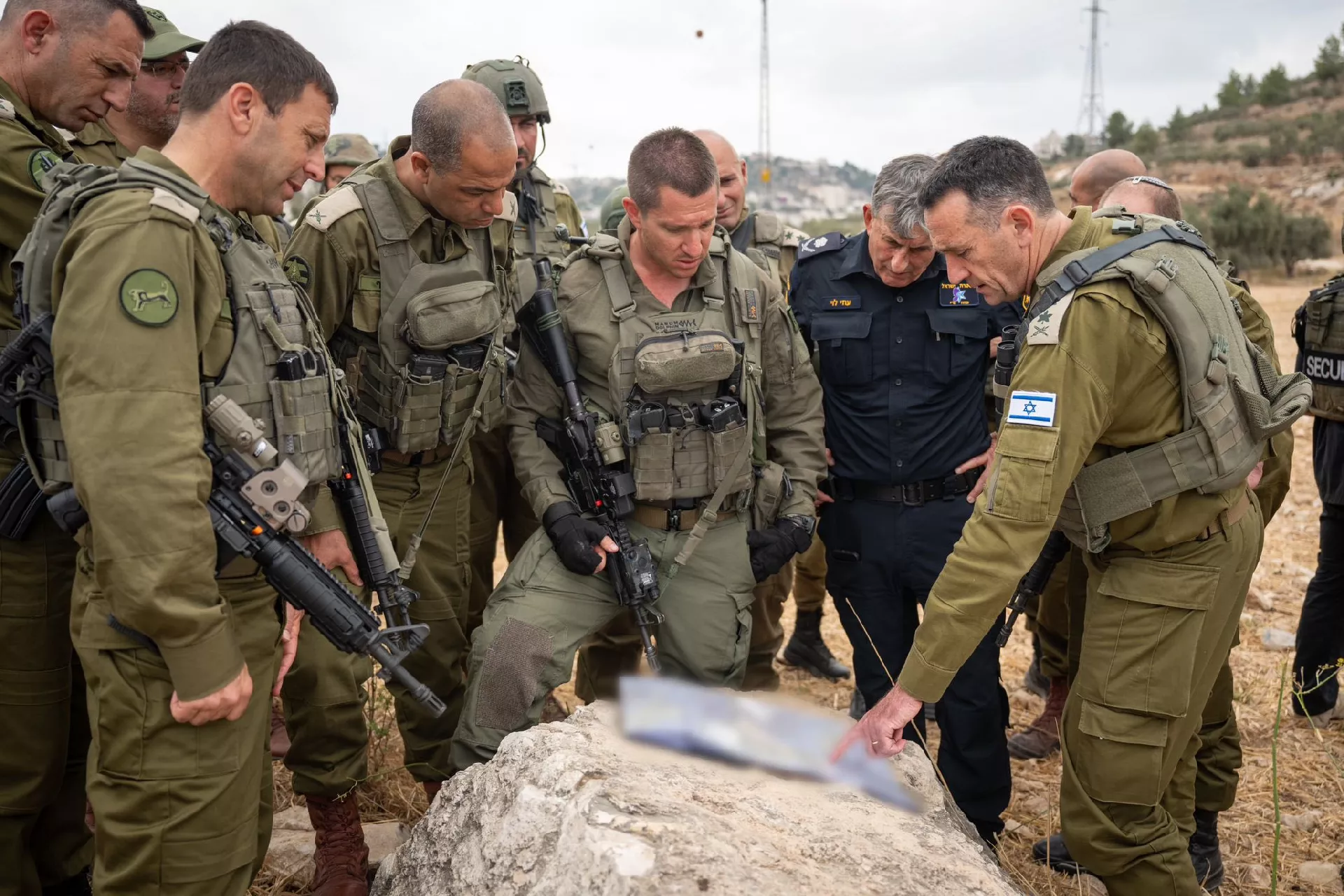
A month ago, the Israeli army launched an invasion of Lebanon with the intention of pushing the Shiite Hezbollah away from its border. In four weeks of war, the effect of the Israeli ground troops has been modest, and now some are announcing a new phase of the operation and the deployment of additional forces. What has happened in the past month, and why has the numerically superior and technically more advanced army not pushed back Hezbollah?
In recent months, the Israeli army has been transferring troops from the Gaza Strip to northern Israel, preparing for an operation in Lebanon against a much stronger opponent than Hamas. Hezbollah claims that around seventy thousand Israeli soldiers are deployed along the border and that they are repelling their attacks.
The public does not know how many Israeli soldiers are there, but the fact is that these troops have not made any significant breakthrough into Lebanon. According to available information, fighting is taking place a few hundred meters from the border between the two countries. Also, according to available data, Hezbollah has not carried out a full mobilization of its forces. So why are the Israeli forces not advancing?
Strategic Positioning
If it weren't for the Israeli bombings of parts of Beirut and other Shiite-populated areas in Lebanon, it seems that Hezbollah could wage this kind of war against Israel indefinitely. When Hamas attacked Israel on October 7, Hezbollah attacked Israeli army bases in the north of the country the very next day, stating that they wanted to help the Palestinian people. That help was invaluable to Hamas, as some of Israel's best units remained outside the Gaza Strip, awaiting an attack from Lebanon.
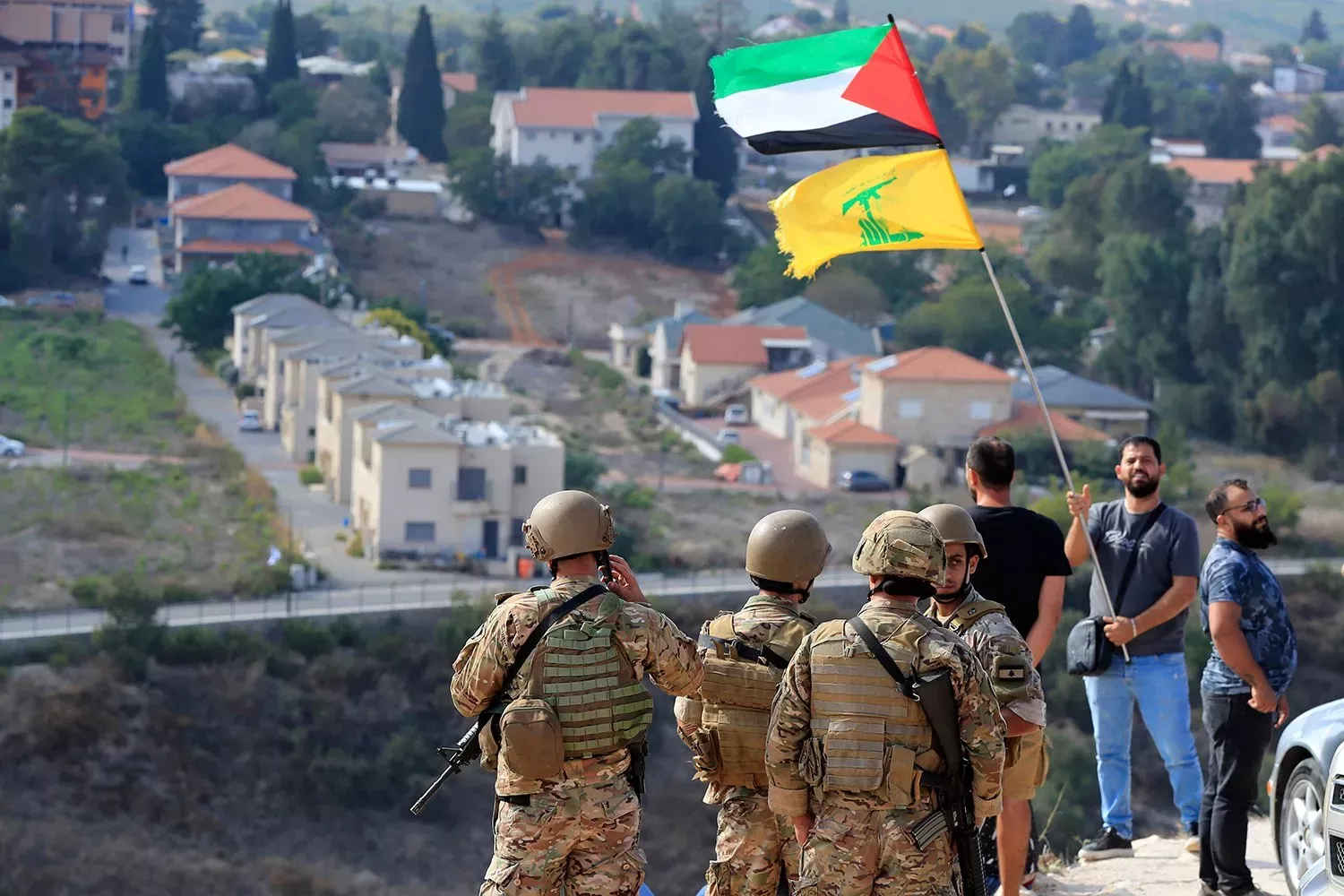
Since then, Hezbollah has been targeting military bases, and then settlements, displacing hundreds of thousands of Israelis from their homes. Hezbollah leader Hassan Nasrallah, who was assassinated by Israel in Beirut on September 27, stated that the movement's attacks would cease when peace was achieved in the Gaza Strip.
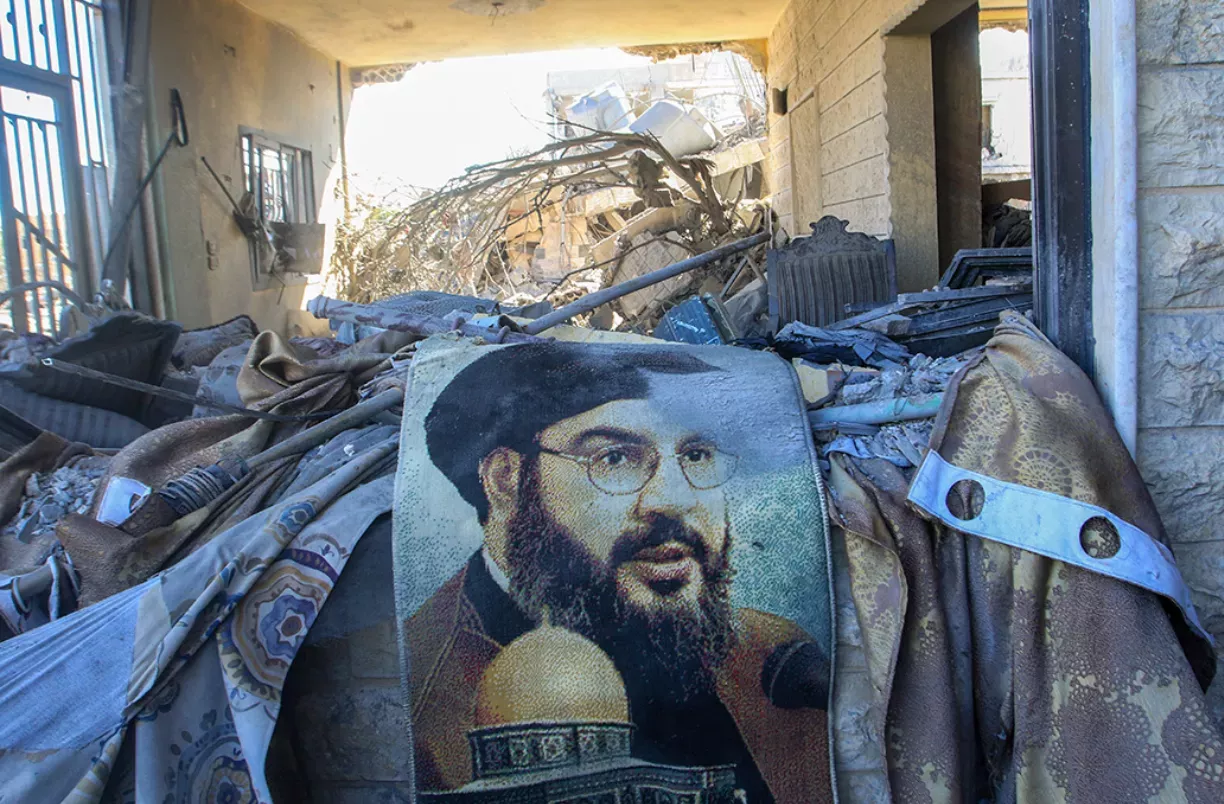
Israel did not agree to these conditions, stating that what Tel Aviv agrees to with Hamas does not apply to Hezbollah. Four days after the invasion began, Nasrallah was assassinated, as were numerous Hezbollah officials before and after. The explosion of pagers and walkie-talkies dealt a severe, but not fatal, blow to Hezbollah.
Before launching the operation in Lebanon, Israeli Prime Minister Benjamin Netanyahu set three goals. First, to push Hezbollah beyond the Litani River, about thirty kilometers from the border. Second, to stop rocket and drone attacks on Israel. Third, to return the displaced residents from northern Israel to their homes. So far, he has not achieved any of these goals.
War Experience
To achieve this, since the proposed solution was not an option, Israel had to launch a ground operation in Lebanon, i.e., return to where it was defeated by the same opponent in 2006. Eighteen years later, Hezbollah is stronger, and the heavy blows it has suffered in recent months are proof of that. After a series of attacks on Hezbollah's infrastructure, many thought they were broken.
The last two weeks show that Hezbollah has recovered, even its media machinery, which publishes video materials of the movement's operations. The military wing seems to have suffered the least. After Israeli airstrikes on Lebanon, Hezbollah targets Israel. They do this every day, attacking Haifa and Tel Aviv. In a recent drone attack, the canteen of the Golani brigade was hit while soldiers were having dinner. Last weekend, a house where Netanyahu lives was hit. A few weeks ago, Israel claimed to have destroyed hundreds of Hezbollah sites, including bunkers and weapons depots, bases...
In addition, other cases have been recorded where Hezbollah inflicted heavy losses on Israel. Media close to the movement claim that dozens of Israeli soldiers have been killed and hundreds wounded. According to these reports, Hezbollah attacks from ambushes, or directly with rockets, artillery, drones...
The exact way the fighting is unfolding is not known to the public, but what is certain is that Hezbollah is using the fact that the fighting is taking place where they have been operating for decades and where they have developed networks of fortifications and tunnels, using the geographical features of the terrain. Looking from Israel towards the north, towards Lebanon, the terrain becomes higher, so every one of the many hills is an obstacle for the Israeli army. Such terrain gives Hezbollah an advantage. That is why Israel has tried in recent weeks to attack from east to west, from the city of Kiryat Shmona towards the coast, wanting to avoid the south-north attack direction.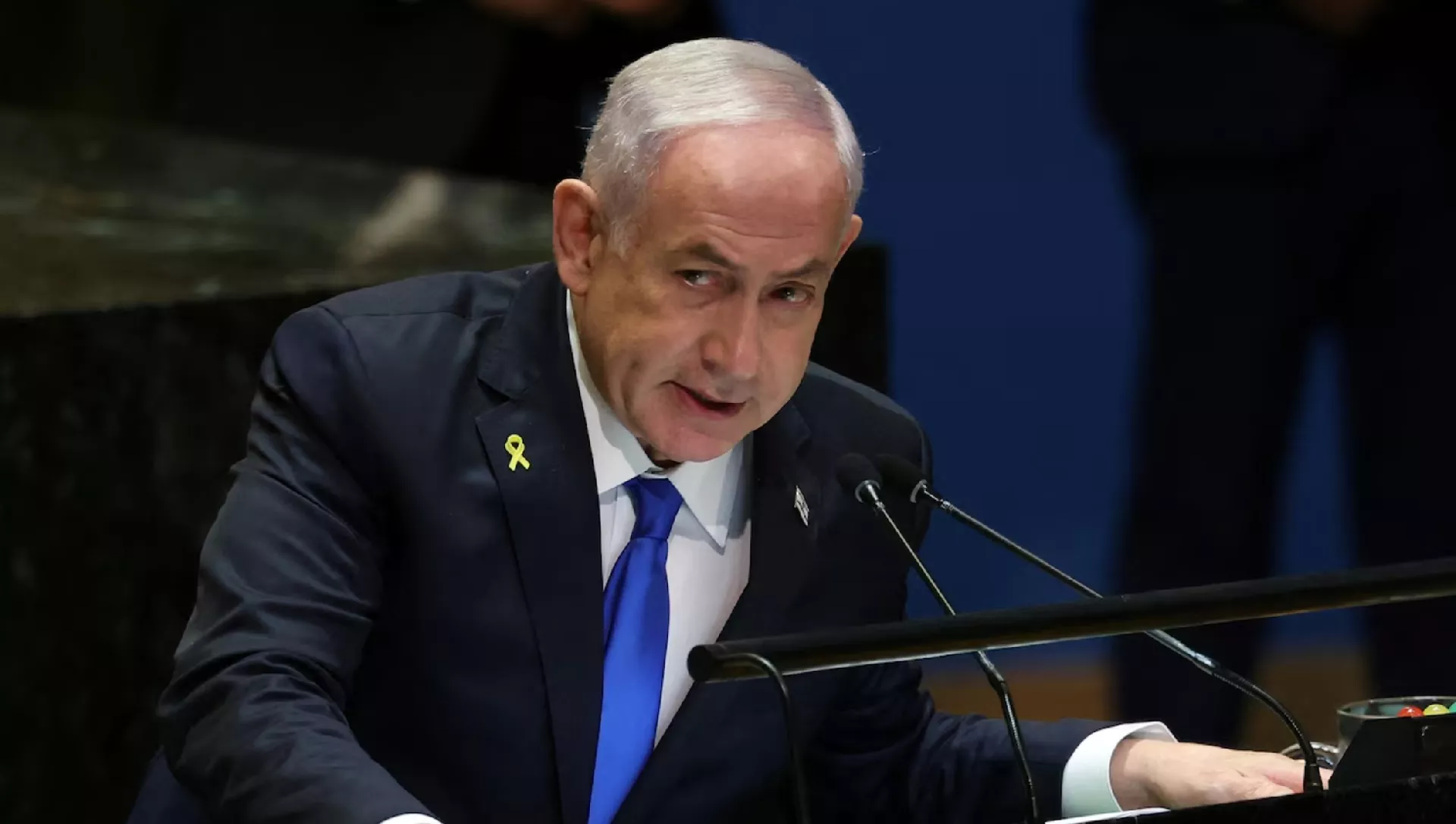
At the same time, Israel has tried to move along the Mediterranean coast, where they have come into conflict with United Nations peacekeeping forces stationed in that part of Lebanon. The mission known as UNIFIL has repeatedly complained of being targeted by Israeli forces and stated that Israel is violating UN Security Council Resolution 1701 from 2006. Netanyahu asked UN soldiers to move away, and the Irish battalion stood out the most in refusing that request. After that, UNIFIL received support from numerous countries, which sent peacekeeping forces to the border between Lebanon and Israel.
The area of southern Lebanon is small in area. It is about thirty kilometers as the crow flies from Kiryat Shmona to the sea, and the same distance from the Lebanese border to the Litani River. In this area, in addition to UNIFIL forces, the conflict between Hezbollah and Israel is ongoing. Although all parameters regarding the number and strength of forces favor the Israeli side, this is not currently visible on the ground. The reason for this is Hezbollah's training, but also the preparations they have made for decades. The public has been shown entire underground cities with all the necessities for the army, and even trucks loaded with rockets moving through tunnels.
Many believe that North Korea helped Hezbollah build these tunnels, as it has similar bases and stores its nuclear arsenal there. Pyongyang used such tunnels, former mining shafts, to test nuclear weapons. Some in Israel believe that North Korean instructors taught Hezbollah how to dig in mountainous and rocky areas like southern Lebanon. These experts believe that Hezbollah has created a network of tunnels and depots up to forty meters deep, and that this is the main reason why Israel did not defeat Hezbollah in the 2006 war.
A special feature of these tunnels and bunkers is that Hezbollah hides artillery in them, i.e., it brings it out for an attack and then hides it again. This makes it difficult for Israel to assess where the fire is coming from, and when an attack is successful, it does not guarantee a hit, as the positions are protected by concrete walls. This slows down the advance of the Israeli army, which has relied on airstrikes, to which Hezbollah cannot adequately respond. There have been cases of Hezbollah shooting down drones, but planes are beyond their range.
New Offensive Imminent
In recent days, some have reported that Israel is preparing a new wave of attacks, i.e., intensified ground troop operations. Everyone is targeted, from UNIFIL to the Lebanese army. Civilian institutions have also come under fire, which, according to Israel's claims, serve Hezbollah. A few days ago, Israel targeted, as it said, the group's banking system. Facilities of the association "Al Qard al-Hassan" were hit, which Hezbollah media claims provides loans to the population in accordance with Islamic banking, to start businesses, or buy solar collectors.
Essentially, this is the application of Israel's "Dahiya Doctrine," named after the Beirut suburb that is a Hezbollah stronghold, meaning the destruction of everything that can serve the enemy in war. The aforementioned Beirut suburb is subjected to Israeli airstrikes almost every day.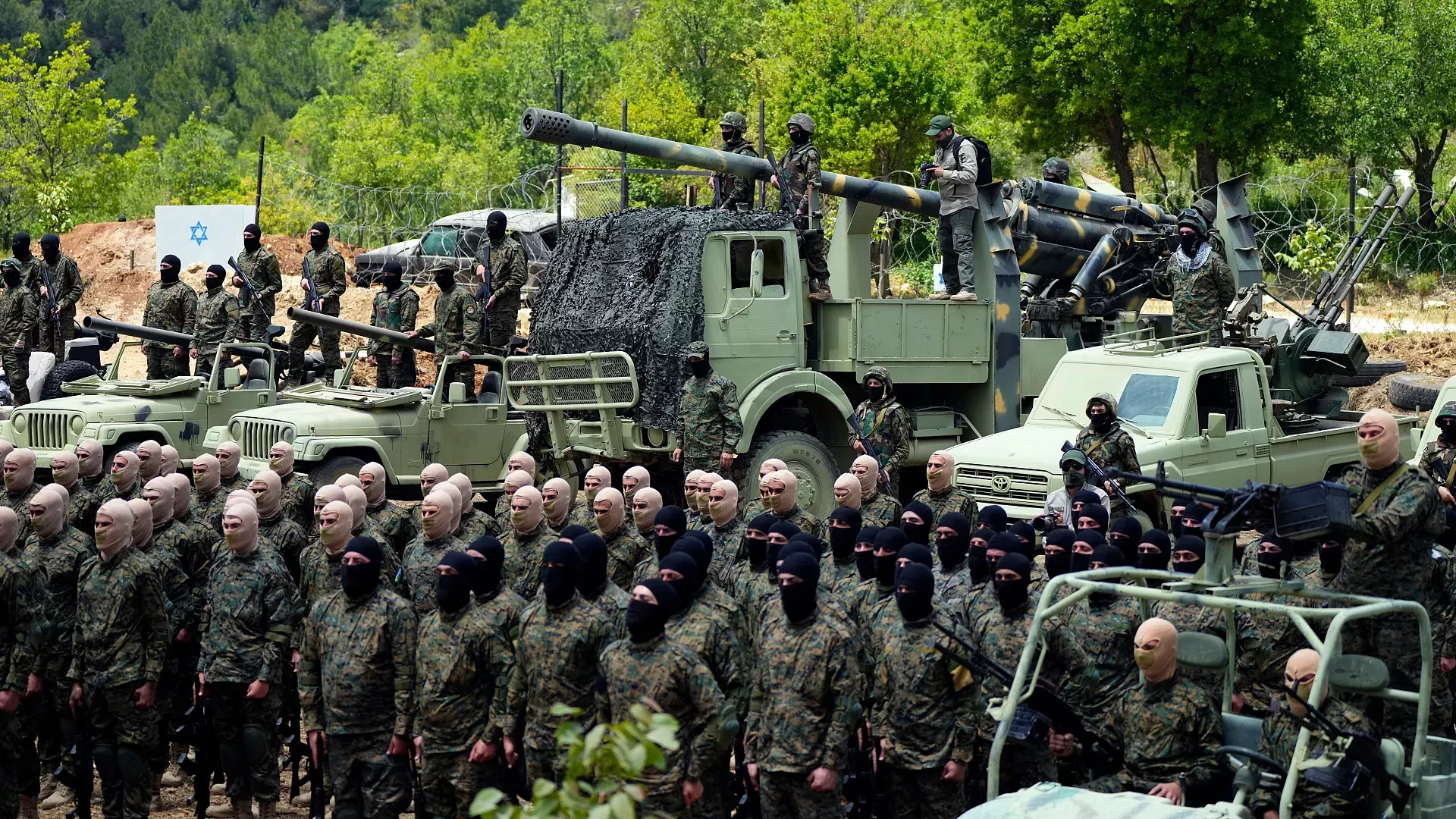
The possibility of Israeli marines landing on the shores of Lebanon has also been mentioned, after they allegedly destroyed Hezbollah's anti-ship missiles. Let's recall that the use of such missiles by Hezbollah was one of the most striking events in the 2006 war.
Israel claimed that "hundreds of millions of dollars in cash and gold" belonging to Hezbollah are located under Al-Sahel Hospital in Beirut. The hospital director called on the Lebanese army to investigate these claims and stated that they are untrue. Rear Admiral Daniel Hagari said on Monday that "the Israeli Air Force is monitoring the complex, as you can see. However, we will not attack the hospital itself."
All of this indicates that Israel will intensify its offensive against Hezbollah troops, as well as strongholds across Lebanon, including civilian ones. According to Lebanese authorities, over 2,500 people have been killed, over 11,500 wounded, and 1.2 million displaced in Israeli attacks in the country over the past month.
US Special Envoy for Lebanon Amos Hochstein visited Beirut these days, presenting a peace plan to Parliament Speaker Nabih Berri, who is close to Hezbollah and a mediator in their talks with the West. Some Lebanese media interpreted this as a call for the Shiite movement's capitulation. According to these sources, Hezbollah rejected the offer. Not so long ago, they reached a historic agreement on natural gas off the coasts of Lebanon and Israel with Hochstein.
The fact that there is less and less desire for diplomacy is also indicated by Israel's claims last night, and Hezbollah's admission today, that they assassinated Hashem Safieddine in an airstrike three weeks ago, who was thought to be the new leader of this Shiite movement. In addition, the world has been expecting an Israeli retaliatory strike against Iran for three weeks, bringing the Middle East closer to a major war, an option that has been on the table since Hamas's attack on October 7.
Komentari (0)
Prijavite se za komentiranje
PrijavaJos nema komentara. Budite prvi!
Minuta
Sve →Iz drugih kategorija

High Representative Not Elected: Germans, French and British Against Americans, New Attempt at End of June

ČOVIĆ WITHOUT MERCY: How Those Who Brought Ademović to Office Created a Political Hell for Him



Sunny Saturday, quite warm



Tragedy in Albanian resort: Two minors drown












