
By Armin Sijamić
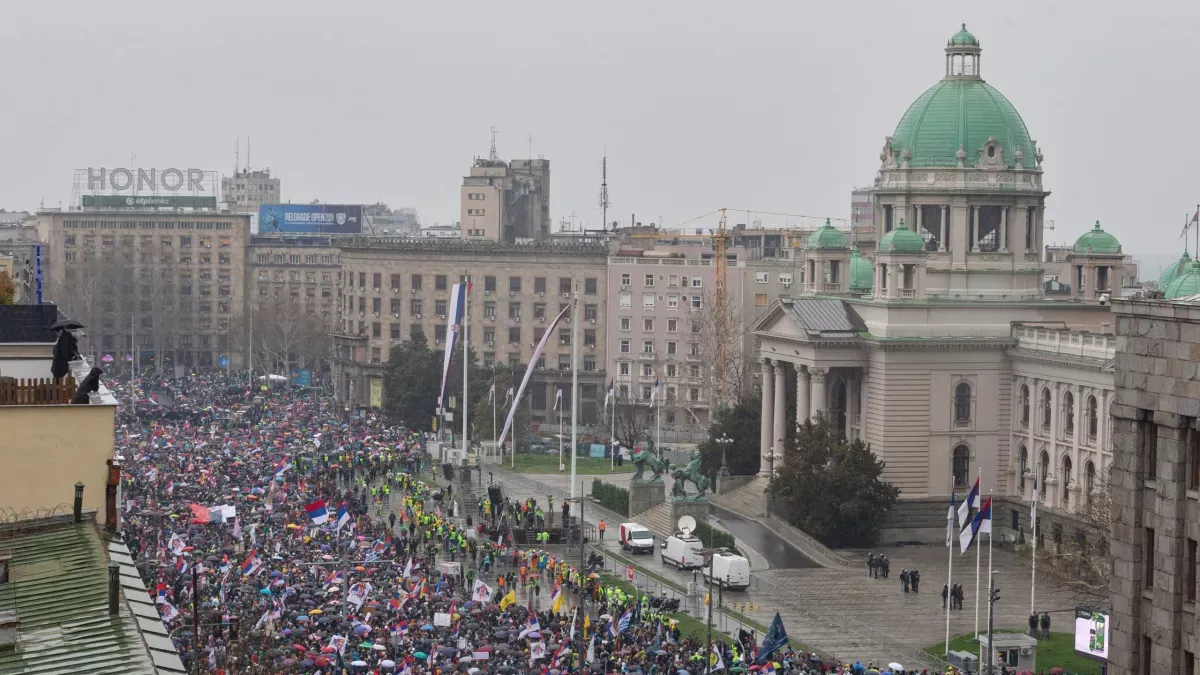
Last night, according to Serbian media, the largest protests in the history of Belgrade and Serbia were held. According to various estimates, between ninety thousand and half a million people were on the streets. After another protest, Serbia finds itself where it was – President Aleksandar Vučić has the power to rule the country as he wishes, and the number of dissatisfied citizens ready to resist is growing.
An extraordinary political situation in Serbia, with short interruptions, has lasted since the Belgrade nationalist elite decided to overthrow Yugoslavia at the end of the eighties of the last century. Even when the situation in Serbia was at a satisfactory level, the authorities did not miss the opportunity to change it, to find an enemy, to create a crisis at home or in the neighborhood.
A new wave of emergency began just under five months ago, when the canopy at the Novi Sad railway station collapsed. Vučić then presented himself as the responsible person for everything happening in Serbia, although students demanded that institutions, not the leader, do their job.
Belgrade Protests
Last night's rally in Belgrade was the culmination of the students' struggle after months of protests in several cities and after they walked almost the entire Serbia on foot with the intention of freeing it from the fear of the repressive government. Many expected this protest to end in a major clash with Vučić's supporters and security forces. But that did not happen. At the first signs of force being used, the students interrupted the protests and told the citizens to disperse, stating that these were no longer their protests.
Many Serbian media outlets and protest participants claim that a "sound cannon" was used. By emitting a strong noise, the device causes pain, panic reactions, and forces people to move away from the protest site. The device is banned in many countries because it can cause permanent damage, such as hearing loss.
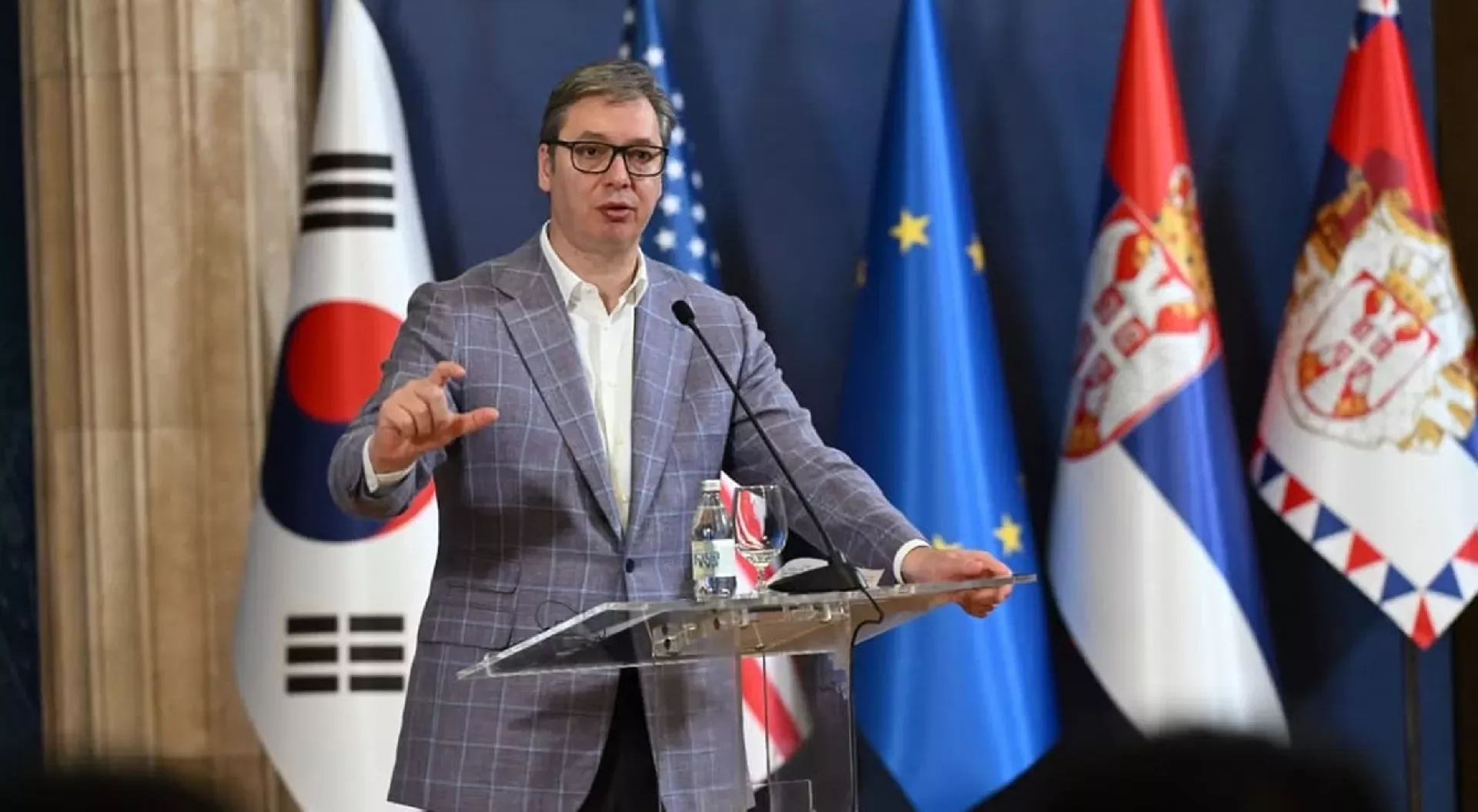
At a press conference held after the protest ended, Vučić denied that law enforcement used this device and accused the demonstrators of violence, stating that they attacked his supporters in front of the Serbian Presidency building, including former members of the notorious Red Berets. He said that some would be prosecuted for this and would pay for the damage they caused, including to the tractors deployed around the camp where his supporters had stayed for days.
Vučić said that 56 people were slightly injured last night and that 22 people were arrested. In addition to claims, for which he provided no evidence, that foreign powers seeking a "color revolution" and the overthrow of his government were behind the protests, Vučić said that the protest was large and that he understood the citizens' message.
Student Success and the State of the Opposition
There is no doubt that Vučić understood the message, or rather, that he followed everything carefully. The students initiated a kind of popular uprising. Farmers, educators, bikers, and war veterans joined them in the column towards Belgrade, among many others.
This is a rebellion of people who have lived for more than a decade in a country where Vučić, as president and prime minister, has countless times gone beyond all constitutional and legal frameworks. The students' success is even greater due to the fact that they did not have the support of any major power, and that Vučić had the support of the West.
The Public Gathering Archive organization estimated that last night's protests had "between 275,000 and 325,000 people, with the possibility that this number is even higher," that people gathered across Belgrade, and therefore it is impossible to determine the exact number. If we know that the last census in Serbia in 2013 showed that the average household in that country has 2.55 members, it means that the students alone, on that basis, gathered about a million voters around some political stance.
This fantastic success in mobilizing citizens is even more impressive due to the fact that Serbia has been in media darkness for years, that violence against dissidents is almost permitted, and that elections there have been deemed irregular by numerous sources. To the alleged use of the so-called "sound cannon," one should add media reports that Serbia has purchased Chinese facial recognition cameras and spy software from Israel to monitor journalists, activists, and the opposition...
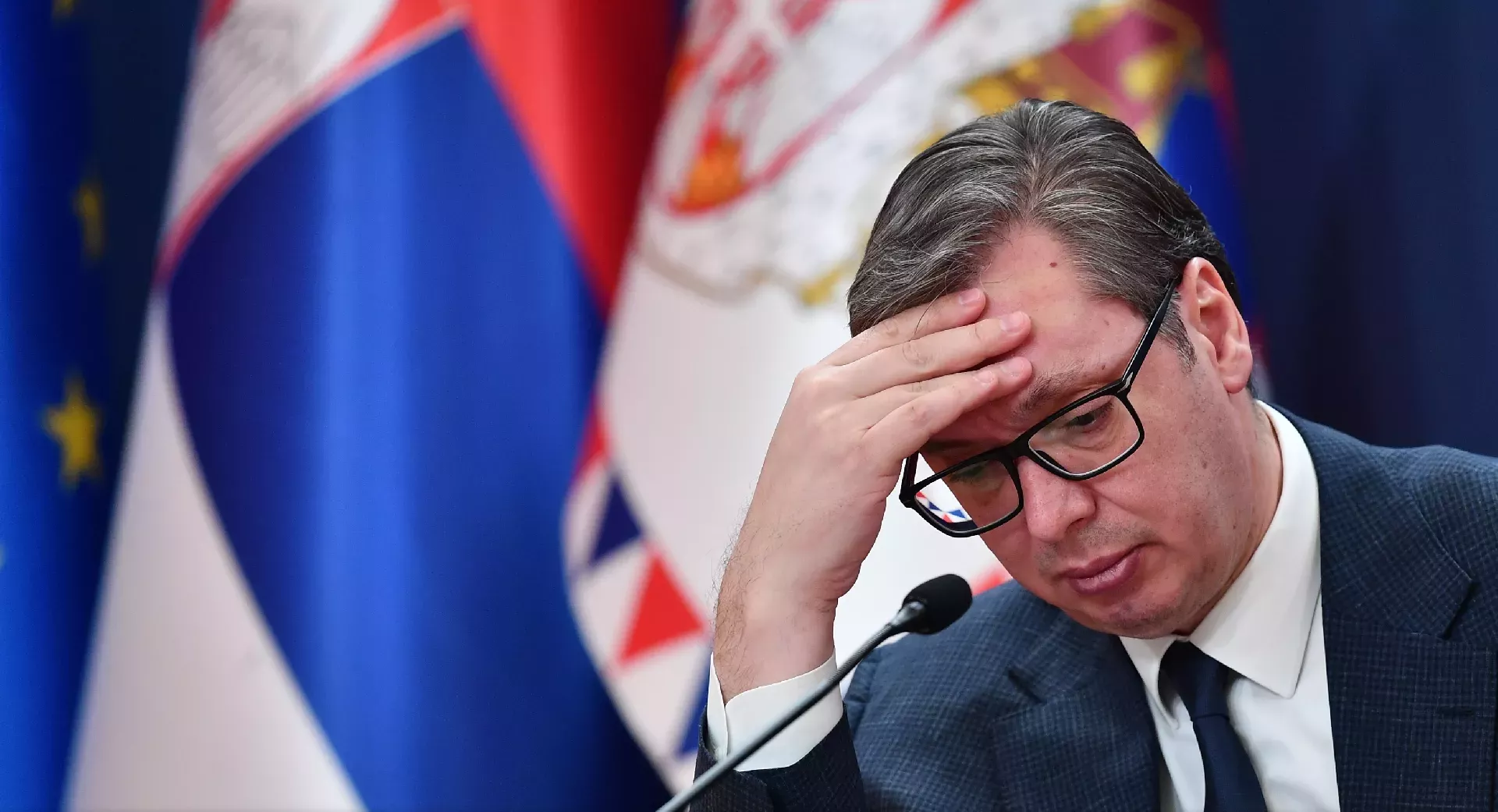
Vučić did not yield to the students' demands. It was illusory to expect him to hand over power out of fear of peaceful citizens. Moreover, he repeatedly stated that they would have to kill him to get a "transitional government," which would, by logical consequence, prepare Serbia for elections, although the students did not ask for that.
By interrupting the mass protest in Belgrade, the students told the opposition that it must lead the rebellion. Given the state of the opposition, Vučić can be happy. The opposition, with its divisions and wrong choice of leaders, will not win. In other words, changes must occur within the opposition, or Vučić will continue to be the only important political figure in Serbia. Peaceful gatherings of citizens do not mean much to Vučić, and the impression is that he would not step down from power even if all the inhabitants of Serbia protested.
Nevertheless, the students have shaken Vučić and the Serbian Progressive Party. A large number of people have shed their fear of the authorities, which could be seen throughout Serbia. This is an important fact, considering that the opposition in Belgrade managed to somewhat match Vučić, but this was not the case in the rest of Serbia. The largest opposition parties are almost non-existent in many parts of Serbia.
Through protests and declarations, the students have written a political program, and surveys show that more than eighty percent of Serbian citizens support them in this. This opens up space for someone to take over this program and, with acceptable candidates, run in elections that would be preceded by changes to the electoral conditions. If this does not happen quickly, this great popular rebellion could be extinguished like some before it.
On the other hand, Vučić now has two options. The first is to continue the current policy and constantly create enemies and crises, and the second is to change the policy within Serbia and beyond its borders. The exhaustion from such a policy was evident in Belgrade, even though many battles were fought far from that city.
Komentari (0)
Prijavite se za komentiranje
PrijavaJos nema komentara. Budite prvi!
Minuta
Sve →Iz drugih kategorija

High Representative Not Elected: Germans, French and British Against Americans, New Attempt at End of June

ČOVIĆ WITHOUT MERCY: How Those Who Brought Ademović to Office Created a Political Hell for Him



Sunny Saturday, quite warm



Tragedy in Albanian resort: Two minors drown












