
Chetniks are an army that has always unsuccessfully fought for the idea of so-called Greater Serbia. The ideology of evil, which is marching through parts of BiH today, committed the crime of genocide in Srebrenica and horrific crimes against Bosniaks in other cities, writes the Patria News Agency.
After genocide and crimes against humanity, these brethren registered as a citizens' association and became a kind of folklore ensemble. At gatherings, they carry daggers, pistols, give speeches about war, and sing about slaughter. Today, what is the point of the World Court of Justice's verdict that genocide was committed in Srebrenica? In whose name was the entire political and military leadership of Serbia and Republika Srpska tried and convicted at the Tribunal, if Chetniks are marching through the sites of crimes?
Today, from this civic association, they utter public, shameless lies that they fought against terrorists. And terrorists are a different kind of bearded men, whom they call either Wahhabis or Salafists. The problem is whether they are truly equal before the state.
Collective Shame and Cameras
Of course, every conscious Bosniak felt shame when that killer Topalović liquidated a Croatian family in Kostajnica, when that bomb in Bugojno killed one and wounded another police officer. We felt collective shame when that Jašarević shot at the American Embassy. No one asked him if he had any instigators for this perfectly timed disgrace of this country.
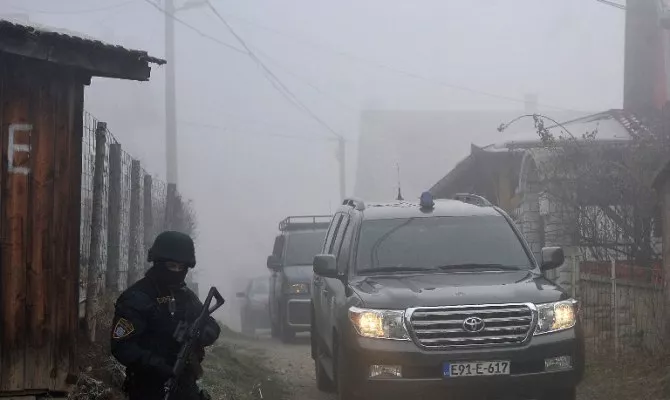
What kind of relationship do the heads of the Federal Ministry of Internal Affairs have with the state, filming the arrest of 11 terrorism suspects from all angles?
We have a problem with anti-terrorism. Suspects of terrorism are arrested as if they have committed a crime, not just shown unclear intentions to act. Suspicion about their intentions is treated as someone's confirmation of an indictment.
Are we all equal before the law? There is no presumption of innocence in this last and any other hunt for alleged terrorists. If it were not so, cameras would not be used to strengthen the construction of alleged guilt, thereby forcing a conviction before investigation and indictment.
Why is someone playing witch hunts and terrorist hunts, all at the expense of the state? If there is no evidence of a terrorist threat, such arrests should be considered a serious problem. The directorial interventions of Dragan (Federal) Lukač and his political boss Aljoša Čampara demand accountability for damaging the reputation of this country.
Recently, Criminology Professor Goran Kovačević publicly called for caution: How do we know it's terrorism in the case of the latest arrest? We still don't have a report from the Prosecutor's Office regarding the murder of a police officer in Zvornik. We don't have a report on the murder of two members of the Armed Forces of BiH and confirmation of whether it was an act of terrorism.
We have many things we don't have, but we have conclusions and equal suspicions.
Ordinary murders for profit or jealousy are no longer happening; they are all considered terrorist acts. For every murder, we have prompt and regular apologies and condemnations from Bosniak state officials. This shows how much of a legal state this is, and how much those same state figures care about the rule of law and an independent judiciary.
The Witch Hunt for Terrorism
Since the era of anti-terrorism began, media space has become limited for both genocide and crimes against humanity. News about mass graves, arrests of criminals for whom indictments have been filed, are almost irrelevant compared to spectacular arrests of alleged terrorists. Who are only suspected.
If someone is hunting for non-existent terrorism, they are hunting it by tarnishing the name of this country. If there is evidence, it should be made public. If there is no evidence for a valid indictment, one must ask: Where in the world do institutions that are supposed to build a state disgrace their own country?
What is the purpose of such outbursts, like this arrest with cameras from the public service? Public lynching is the worst thing that can happen to a state institution. In that case, it is unclear where the credibility of institutions begins and where their reputation is destroyed.
Komentari (0)
Prijavite se za komentiranje
PrijavaJos nema komentara. Budite prvi!
Minuta
Sve →Iz drugih kategorija

High Representative Not Elected: Germans, French and British Sabotaged Americans, New Attempt at End of June

ČOVIĆ WITHOUT MERCY: How Those Who Brought Ademović to Office Created a Political Hell for Him



Sunny Saturday, quite warm



Tragedy in Albanian resort: Two minors drown












