
Written by: Armin Sijamić
Eight days ago, the Ukrainian army entered Russia, in the Kursk region, inflicting a heavy defeat on the Russian army, dealing a blow to the prestige of the Russian state and the reputation of President Vladimir Putin. Although Ukraine has not stated a clear reason for this risky attack, some reasons seem to be hinted at and are in line with earlier moves made by Kyiv and the West.
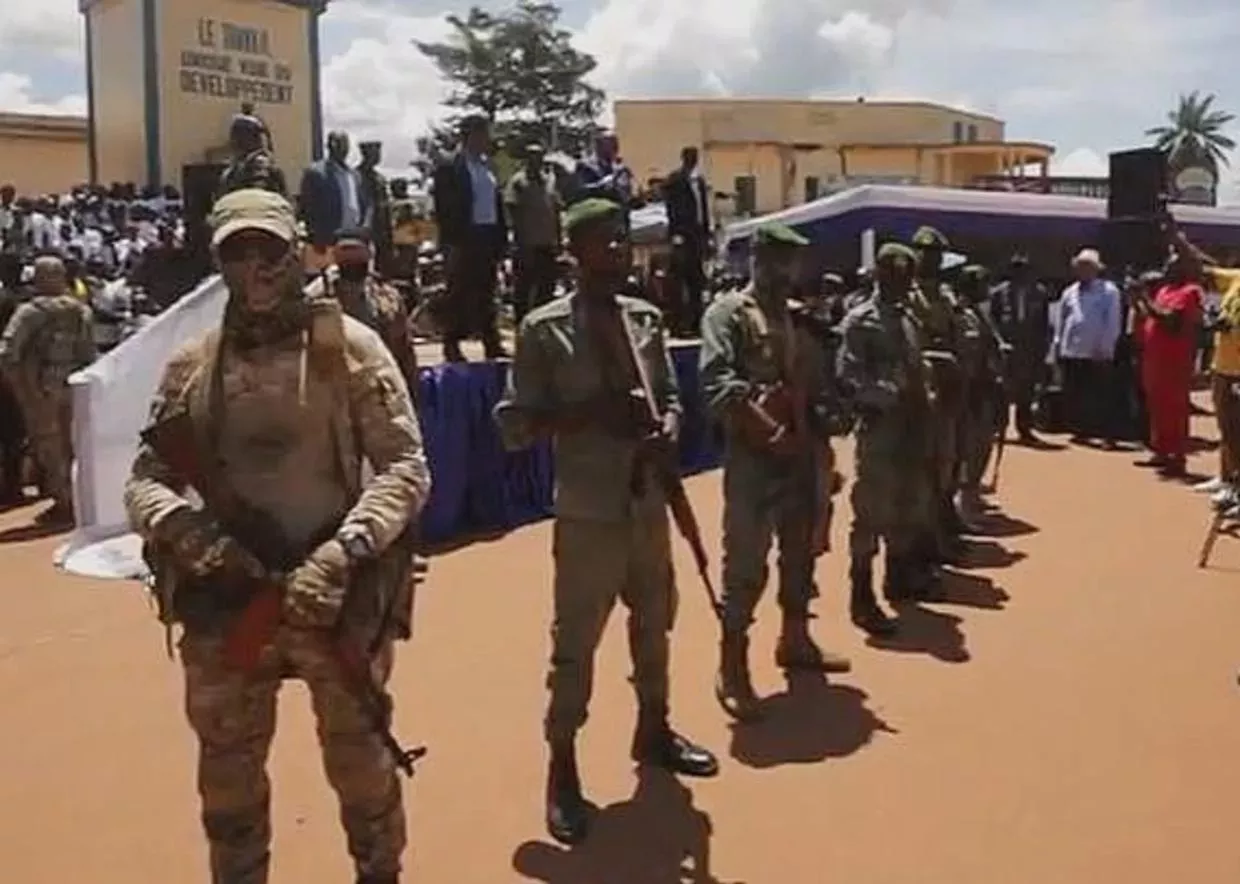
Since the beginning of the year, Russia has achieved some military victories in Ukraine, but as the end of summer approaches, Moscow could remember 2024 as a year of significant tactical, perhaps even strategic, defeats. First, in Mali, the Wagner mercenary group suffered its heaviest blow on African soil, and for the attack, based on reactions from Mali and Senegal and comments from Kyiv, Ukrainian forces are responsible.
The event in Mali remained in the background, because the Ukrainian army made a new feat – it entered Russia and advanced ten to twenty kilometers deep, depending on the source. The Ukrainian army destroyed Russian army checkpoints, captured many soldiers, reached the town of Sudzha, where the last measuring station for gas going from Russia to Ukraine and further to Europe is located, and threatens to reach one of Russia's largest nuclear power plants. Furthermore, the Ukrainian army threatens to reach the railway and highway towards Belgorod, from where Russia attacks Vovchansk and Kharkiv.
Russian déjà vu
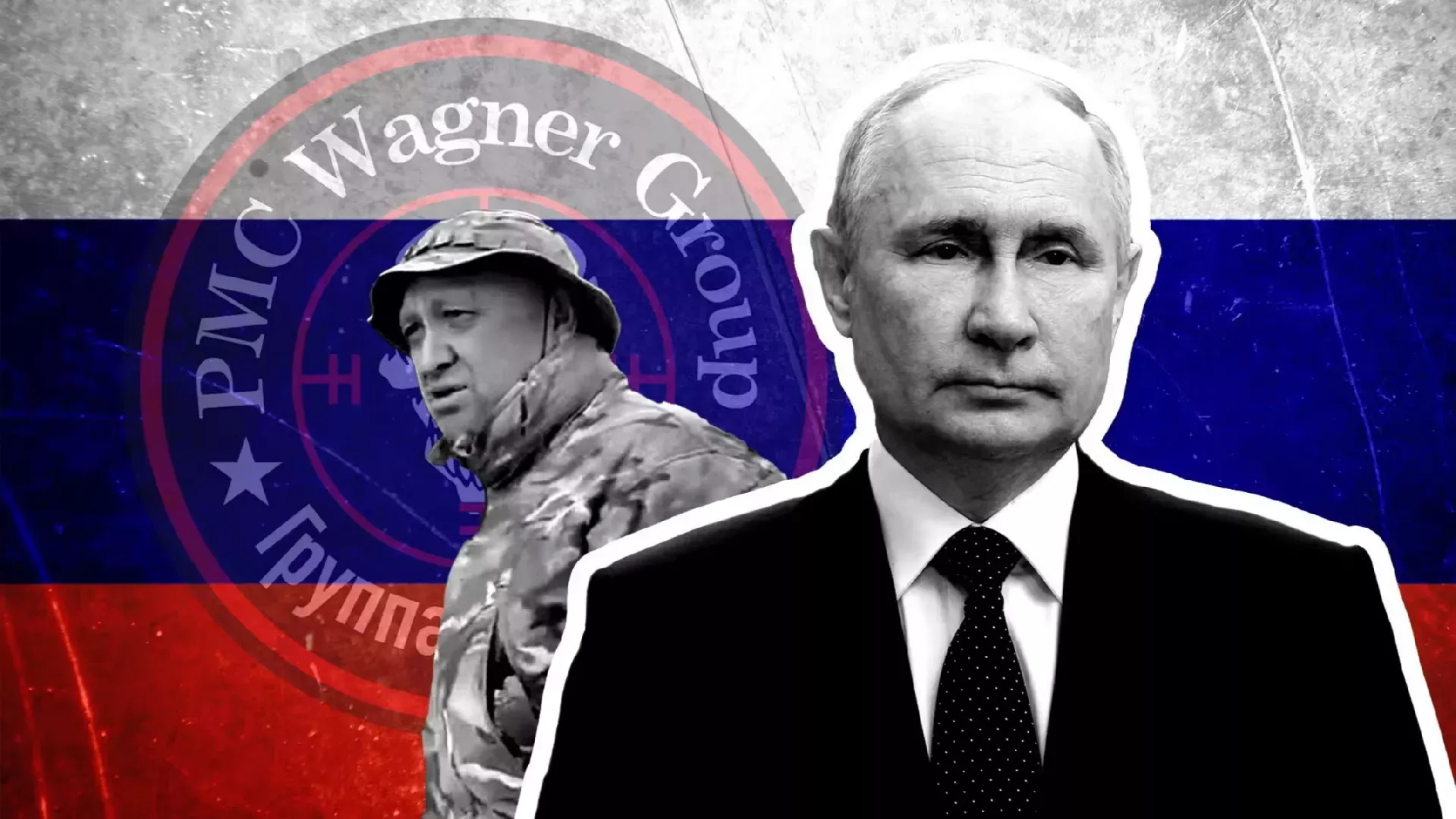
That Russia has enormous problems within Russia, especially in the command and coordination system with civilian authorities, has become evident in recent years. First, the attack again surprised Russia. Second, Ukrainian troops could head in the same direction as the aforementioned Wagner during its rebellion last year.
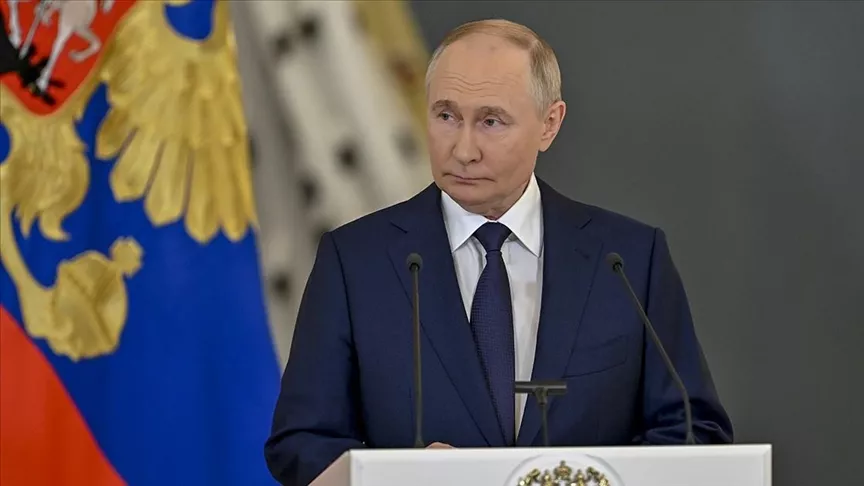
And then another scene with Putin as a replay. The president, generals, and officials confronting each other about how the incursion happened, and that in front of cameras. Putin, dissatisfied and distrustful, listens to the Chief of the General Staff, General Valery Gerasimov, who reports to him that Ukrainian forces near Kursk are almost destroyed. Days later, Ukrainian forces advanced on the ground.
In parallel, some claimed that the Russian FSB informed the military that Ukraine was amassing forces and would attack. So, the military leadership was again at odds with civilian authorities and the intelligence service. This recalled the first days of Russia's aggression against Ukraine, when Putin, at a meeting in front of cameras, angrily demanded that those present explicitly state whether they were for the military operation against Kyiv. Putin's loyal Defense Minister Andrei Belousov, an economist by profession, suffered embarrassment, just like Sergei Shoigu before him. Belousov, who was supposed to deal with curbing corruption and strengthening the war economy and logistics, now must determine how the Ukrainian attack happened and who failed.
The Ukrainian incursion near Kursk, somewhat north of Belgorod, inevitably draws a parallel with the Wagner rebellion, which advanced towards Moscow precisely through that part of Russia. Both them and the Ukrainian troops were supposed to be stopped by Chechen forces, but again this did not happen. In the first case, it was about avoiding a clash with Wagner, and in the second, a military defeat by the Ukrainian army.
The heavy defeat of the Russian army is a blow to the reputation of this nuclear power and to Putin's reputation, who since February 2022 has been trying to protect the Russian population from the consequences of the war in Ukraine. This especially applies to ethnic Russians, because the mobilization of forces is largely carried out among members of other ethnic communities, according to reports from various media. The incursion of Ukrainian forces near Kursk displaced tens of thousands of ethnic Russians, because mostly only they live in that area.
The way the West wants
Besides having to improve his image among Russians, Putin has other worries. The Ukrainian cross-border attack is a demonstration of the army's capabilities. This attack will relieve other parts of the front where Russia is doing better, and part of the Russian forces have already been withdrawn from there. Some media claim that Wagner members are also returning to Russia, from Africa and Belarus, where they have been stationed since the mentioned rebellion. If this is true, it speaks either of a shortage of soldiers in the Russian army, or of Putin's distrust of his own military.
Putin said that Kyiv carried out the attack to improve its negotiating position, which is partly true. Territories in Russia could be exchanged for territories in Ukraine. But more importantly, Kyiv carried out something that the West had previously planned, before Ukraine suffered a series of defeats in the east of the country, due to disagreements between President Volodymyr Zelenskyy and General Valeriy Zaluzhnyi. NATO strategists wanted to establish a relationship of Ukrainian quality against Russian quantity on the battlefield.
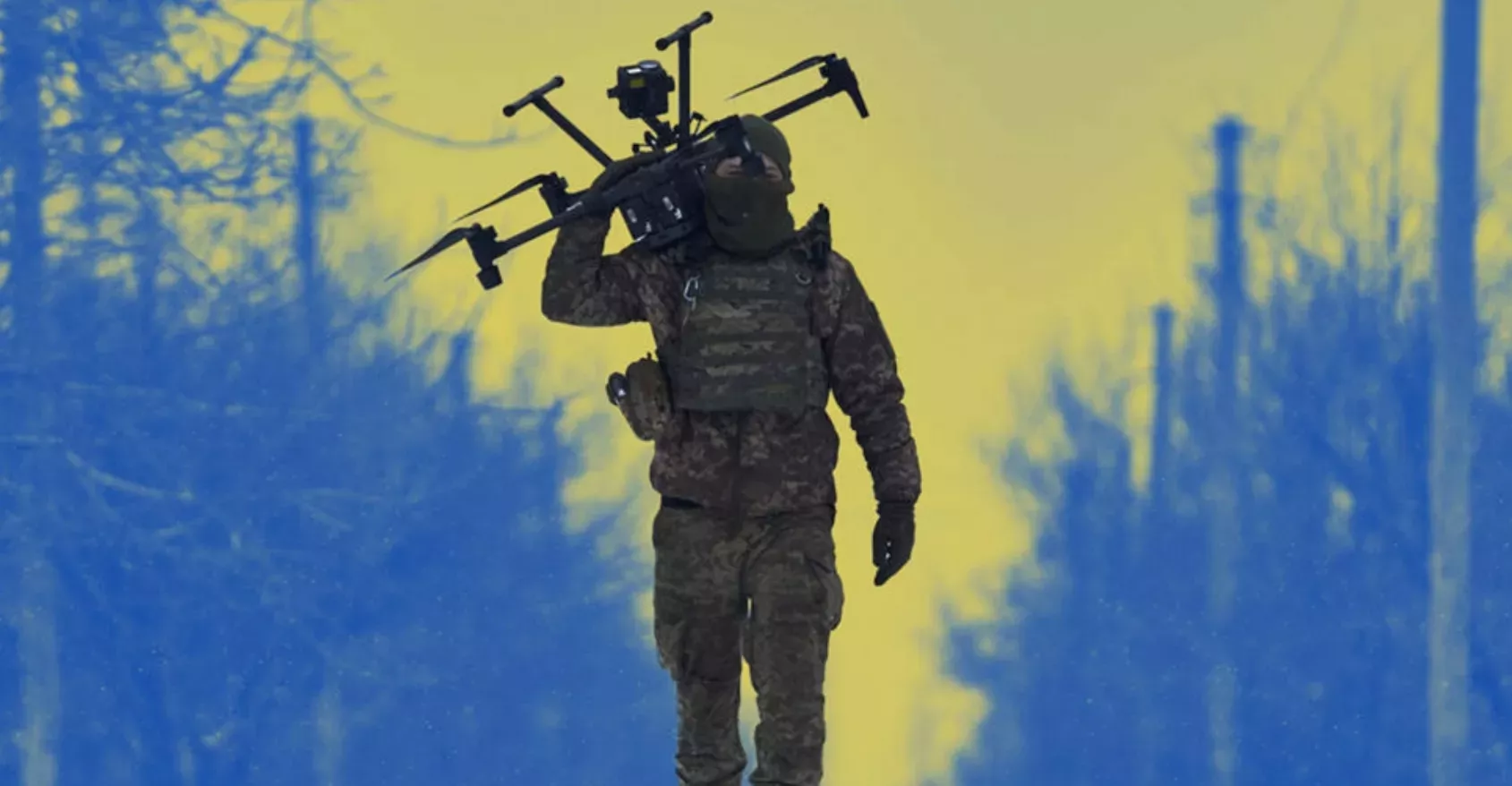
This operation is proof of that. Weapons and equipment from the West have been Ukraine's main asset in recent days. The West wants to show Russia that there will be no peace unless their and Ukraine's positions are respected. A frozen conflict, or a conflict that will last for years, becomes unacceptable for Russia, because the Ukrainians have shown that the front is porous and that the Ukrainian army cannot be contained, i.e., that it can attack inside Russia. When long-range missiles and planes that the West is supplying to Ukraine are added to that, the matter becomes even more dangerous for Moscow.
The West and Kyiv want to force Russia into a compromise, after the Kremlin rejected an agreement that would not provide Moscow with territorial expansion at the expense of Ukraine, and not only in Crimea. "The sooner Russia agrees to a just peace... the sooner the attacks of the Ukrainian defense forces on Russia will stop," said Georgiy Tykhyi, a spokesman for the Ukrainian Ministry of Foreign Affairs, yesterday. Last night, Dmitry Polyansky, deputy Russian envoy to the United Nations, said that Moscow's "generous offer" to Kyiv for de-escalation is no longer on the table and that they will regret it.
In other words, a message was sent to Putin that there is no lasting peace on his terms, because it is not possible to fully protect the border and Russian cities, i.e., that the condition of any peace agreement is that it be acceptable to both sides. Regardless of how the Ukrainian operation in the Kursk region ends, this message remains as a reminder that it can be repeated in some other part of the front.
Komentari (0)
Prijavite se za komentiranje
PrijavaJos nema komentara. Budite prvi!
Minuta
Sve →Iz drugih kategorija

High Representative Not Elected: Germans, French and British Sabotaged Americans, New Attempt at End of June

ČOVIĆ WITHOUT MERCY: How Those Who Brought Ademović to Office Created a Political Hell for Him



Sunny Saturday, quite warm



Tragedy in Albanian resort: Two minors drown












