
By Armin Sijamić
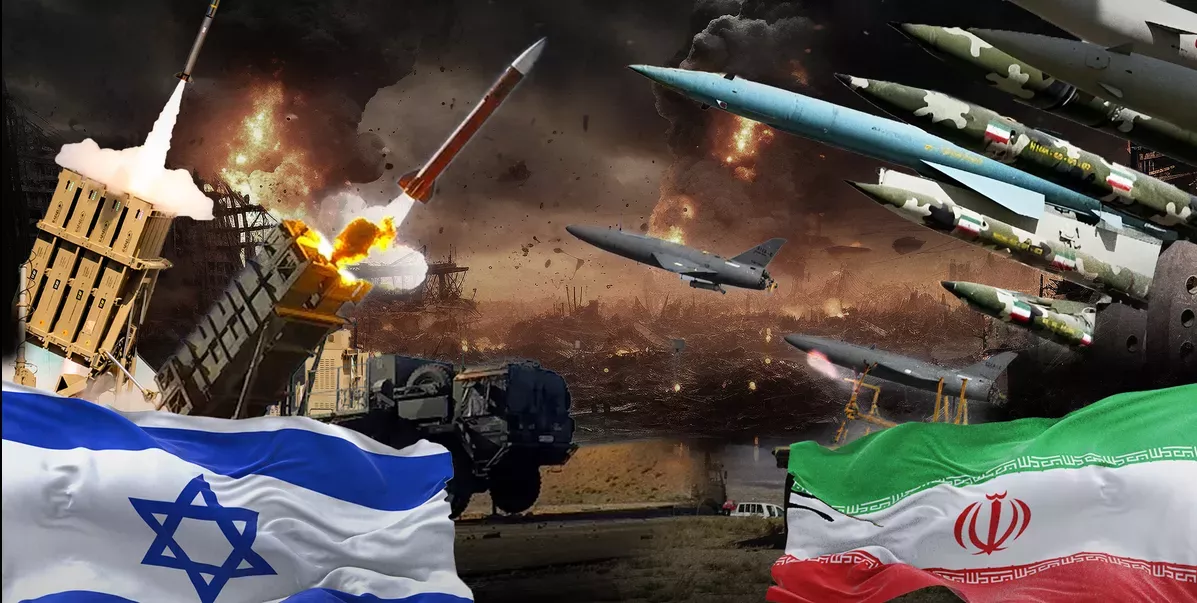
Seven days have passed since the surprise Israeli attack on Iran. Since then, both sides have been attacking each other, while the great powers are assessing the development of the situation in relation to their interests. The United States has no doubts and stands with Israel, while China and Russia stand more cautiously with Iran.
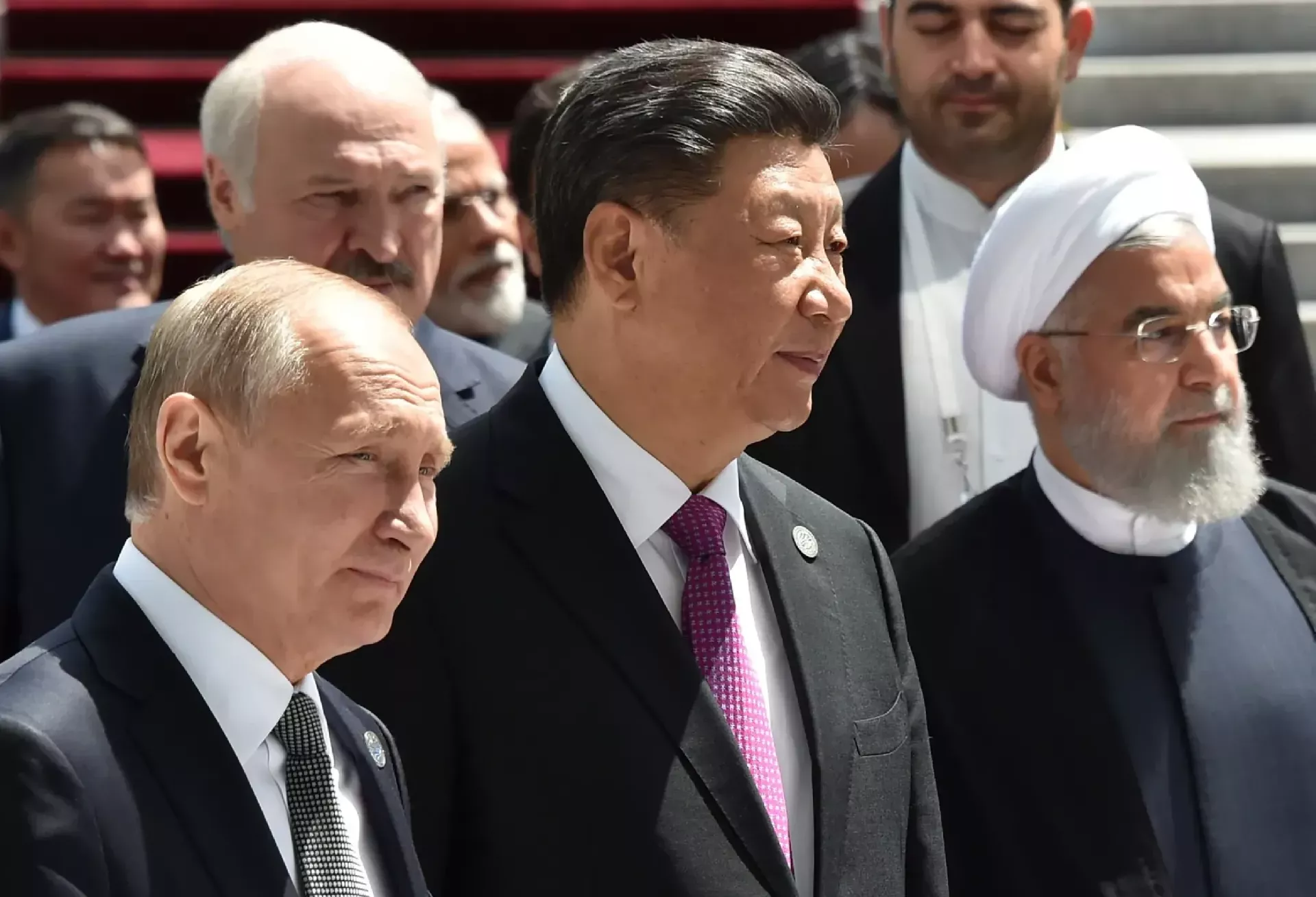
For decades, we have witnessed increasingly strong ties between Russia, Iran, and China, an alliance born out of hardship, or rather, the desire to confront the United States and its allies. Countless works have been written about this worldwide, and it is almost all clear.
However, alliances are tested in individual cases, and then some states respond as (un)expected. The Israeli-Iranian war, which has been ongoing for seven days, is one such event. This conflict is at its very beginning, and it is not possible to precisely predict its development, although its basic premises and dilemmas are clear.
The Russian and Chinese response to the attack on their ally in Tehran is a subject of interest for all concerned with the Middle East. Their stance will likely determine the role of others, including the United States, Middle Eastern powers, and regional actors. For example, any destabilization of Iran is seen as a threat to Pakistan's interests, especially if the government is chosen by the West and Israel.
But in the case of Russia and China, the situation is quite different. Although they have no doubt that the current government in Tehran is their ally, Moscow and Beijing have a more comfortable situation, as the intensity and duration of the war between Iran and Israel affect their interests in different ways.
Therefore, let us consider the option of a short-term conflict here, one that will not escalate into an all-out war that engulfs the entire region and leads to the final defeat of Israel or Iran.
The Russian Perspective
Relations between Russia and Iran have been at their historical peak in recent years. Cooperation between the two countries covers all areas. The latest confirmation is the ratified agreement on comprehensive strategic partnership between Russia and Iran this year.
However, this agreement does not mean that Russia and Iran have unconditionally chosen sides in their relations with third countries in advance. Good relations are the basis for the development of specific ties in various fields.
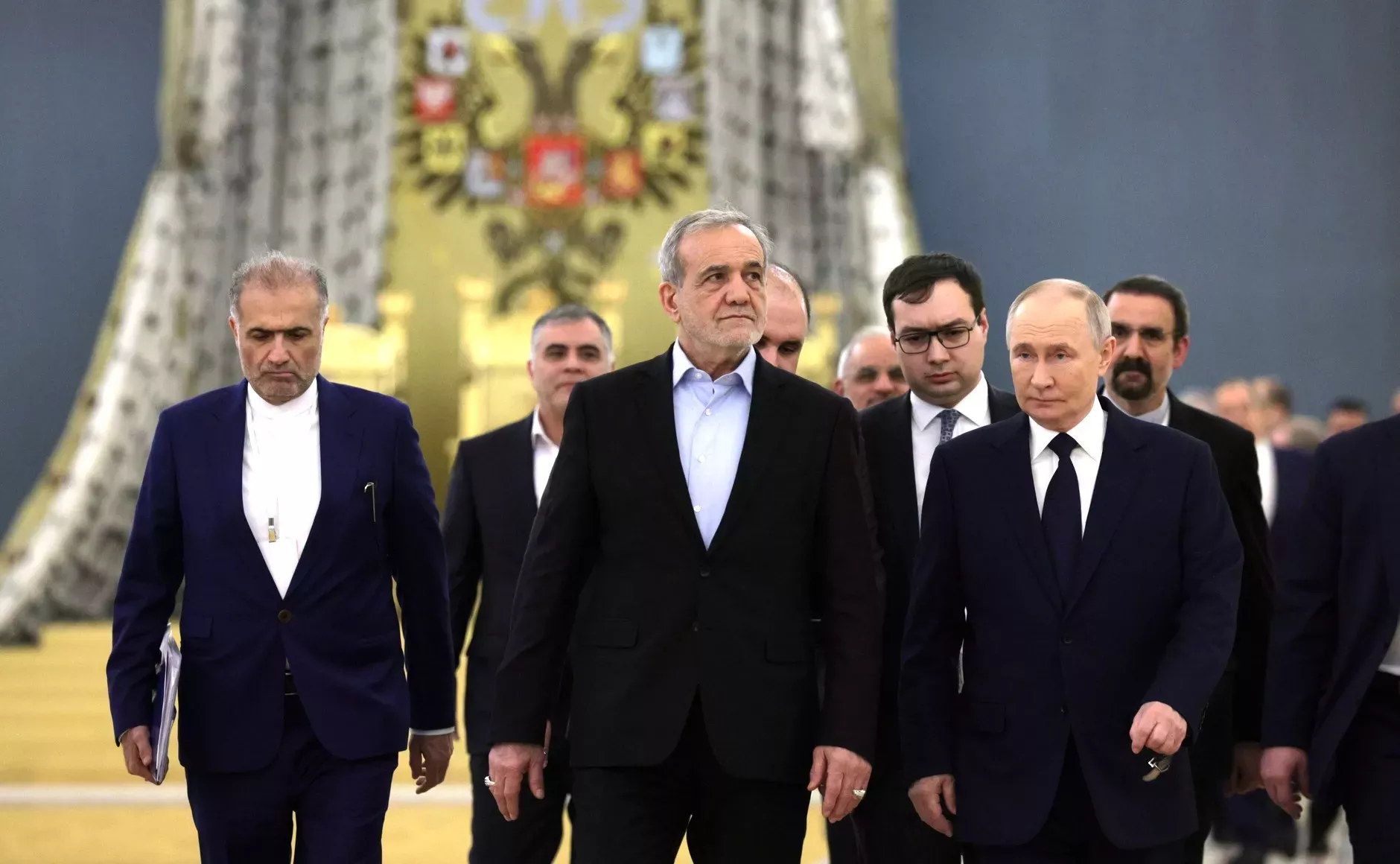
A few days ago, Russian President Vladimir Putin, speaking about the Israeli attack on Iran, said that the aforementioned agreement between Moscow and Tehran does not mean Russia's entry into Iranian wars. "You know, we once offered our Iranian friends to work on an air defense system. At that time, our partners did not show much interest. As for the agreement on our strategic partnership that you mentioned, it does not contain articles related to defense. That is a different matter. Third, our Iranian friends are not asking for it. There is practically nothing to discuss."
From this stance of Putin's, it is clear that Russia will not unconditionally side with Iran, and previous experiences show that it will not do so, especially in the case of Israel. It should be remembered that Israel attacked the Syrian army and Iranian forces in Syria for years, while Russia calmly observed from its Syrian bases. This significantly weakened Bashar al-Assad's government and Iranian positions in the region.
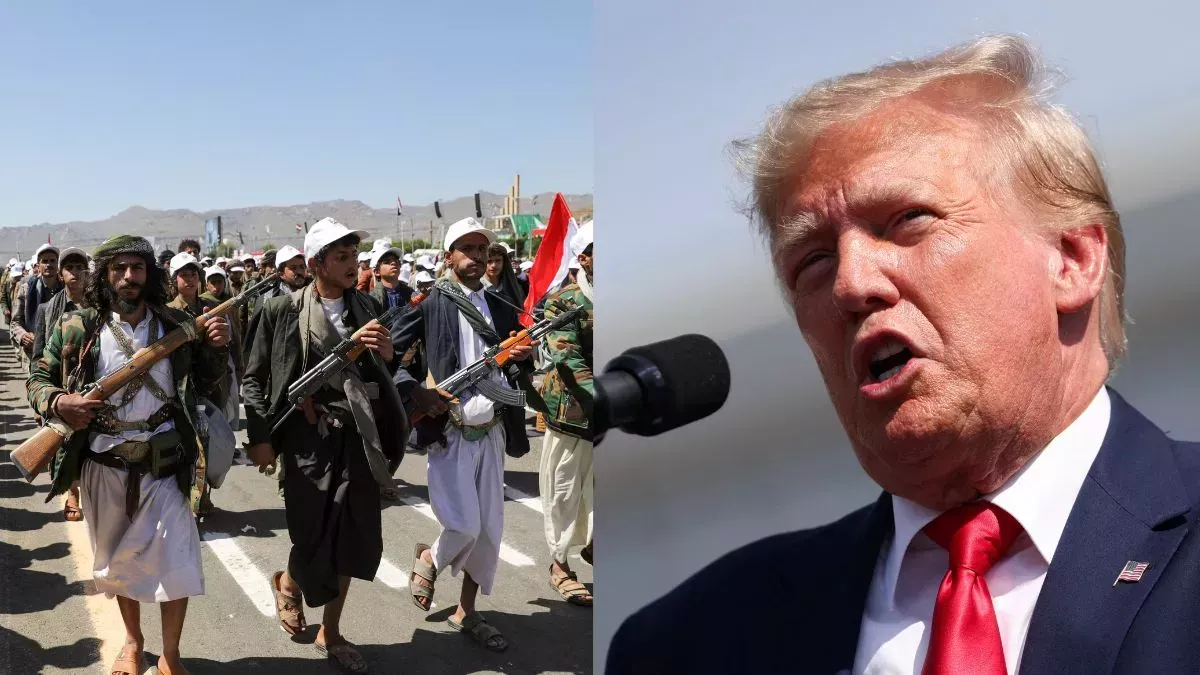
Russia adopted a similar policy in the case of the Yemeni Houthis, after they began attacking Israel in solidarity with the Palestinians in the Gaza Strip. Russia and China in the Security Council allowed the United States and its allies to launch a military operation against the Houthis, which proved to be a kind of trap that consumed American resources and undermined Western credibility.
There is no doubt that Russia has various plans in the current confrontation between Israel and Iran. Moscow understands that Israel's operations require huge amounts of weapons and equipment from the West, and that it will receive them. This means that there will be less of that equipment, and likely other things due to increased costs, for Ukraine. Ukrainian President Volodymyr Zelensky personally confirmed this before the attack on Iran began, complaining that American missiles intended for his country ended up in the Middle East.
The Chinese Calculation
Since the beginning of the Israeli attacks on Iran, some media outlets, without evidence, claimed that Chinese transport planes landed at Iranian airports in record time and delivered the necessary aid to their ally. The news sounded plausible, as no one doubts that Beijing wants to maintain its current relations with Iran.
Iran's place in China's plans is more than significant. In addition to having a friendly government and access to the region through it, China sees Iran as an important link in the "Belt and Road" initiative. China is a strategic economic partner of Iran. In addition to China buying the largest share of Iranian oil, violating American sanctions, it is also the largest market for Iranian non-oil products.
China's need for oil is an important factor in the war between Iran and Israel. If the war expands and Iran decides to close the Strait of Hormuz, one of the victims could be China. This would lead to an increase in oil prices, which would cause problems for China's economy, as it would have to pay more for it. This scenario would lead to higher revenues for Russia, the United States, or Venezuela as major oil exporters.
However, if the Iranian-Israeli confrontation were limited to the current level, it could benefit China. Namely, since the time of Barack Obama, the United States has been working on its pivot to China, or rather, to the Pacific. Containing China requires enormous resources, so reducing its presence in the Middle East is a logical decision for Washington.
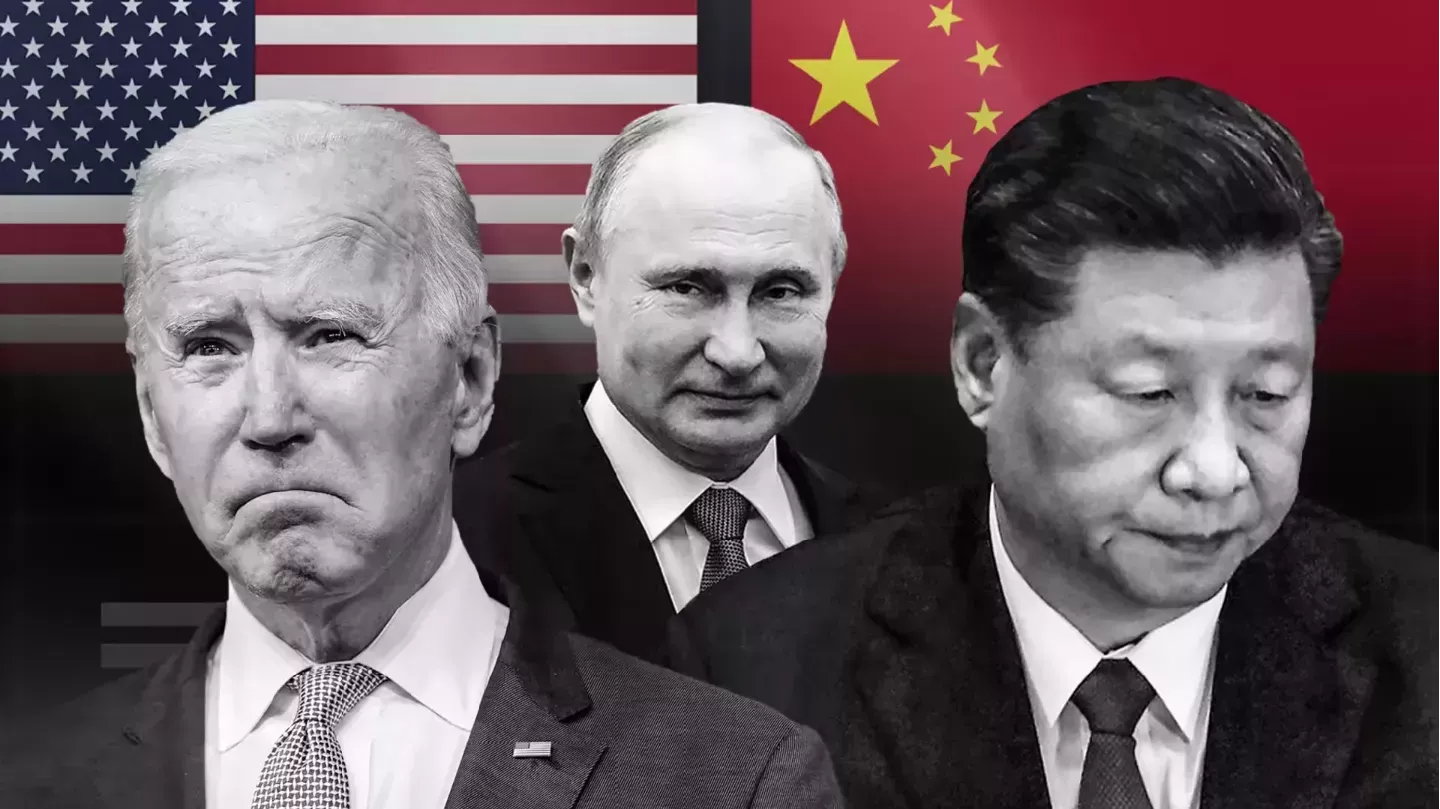
If Israel is at war and needs American aid, Washington will likely not abandon the Middle East. For China, this means more time to prepare for a confrontation with the United States, which, with every major conflict (Ukraine and Russia, or Israel and Iran), has increasing costs and fewer resources available. Trump's truce with the Houthis, after the trap his predecessor Joseph Biden fell into, proved to China the correctness of such an approach.
Conflict Management
Given all of the above, the past behavior of Russia and China is not surprising. It seems that after the initial shock and the successful Israeli attack on Iran, they concluded that Tehran has ways to retaliate and that everything could turn into a conflict that will not last long or into a confrontation that can be controlled, provided that the United States does not directly engage in the war.
This stance is also evident in their publicly stated positions. Both countries have criticized Israel for violating international law and the UN Charter. Russia has been particularly harsh towards Israel for attacking nuclear facilities, claiming that this is pushing the entire region towards a "major nuclear catastrophe".
Russia and China have told Washington to refrain. Chinese President Xi Jinping said that "the international community, especially major powers with special influence on the parties to the conflict, should act to de-escalate the situation, not the opposite" and that "the parties to the conflict, especially Israel, should cease fire as soon as possible to prevent further escalation and resolutely avoid the spillover of the war".
Chinese President Xi Jinping supported Putin's initiative to mediate between Iran and Israel for de-escalation, which shows that the Russian president has an enviable level of relations with Tehran and Tel Aviv and can thus replace the unpredictable Trump. Offering mediation and mild condemnation of Israel indicates that Moscow and Beijing are offering a hand of cooperation to Tel Aviv, valuing their past relations.
Thus, Moscow and Beijing, just as in the case of the Houthis and Biden eighteen months ago, have passed the hot potato to Washington, counting on Trump's clumsiness and America's preoccupation around the world. Although they have shown good intentions towards Iran so far, Russia and China are looking at the bigger picture this time as well – a new opportunity to further weaken Washington and take another step from a unipolar to a multipolar world.
Komentari (0)
Prijavite se za komentiranje
PrijavaJos nema komentara. Budite prvi!
Minuta
Sve →Iz drugih kategorija

High Representative Not Elected: Germans, French and British Sabotaged Americans, New Attempt at End of June

ČOVIĆ WITHOUT MERCY: How Those Who Brought Ademović to Office Created a Political Hell for Him



Sunny Saturday, quite warm



Tragedy in Albanian resort: Two minors drown












