
By: Armin Sijamić
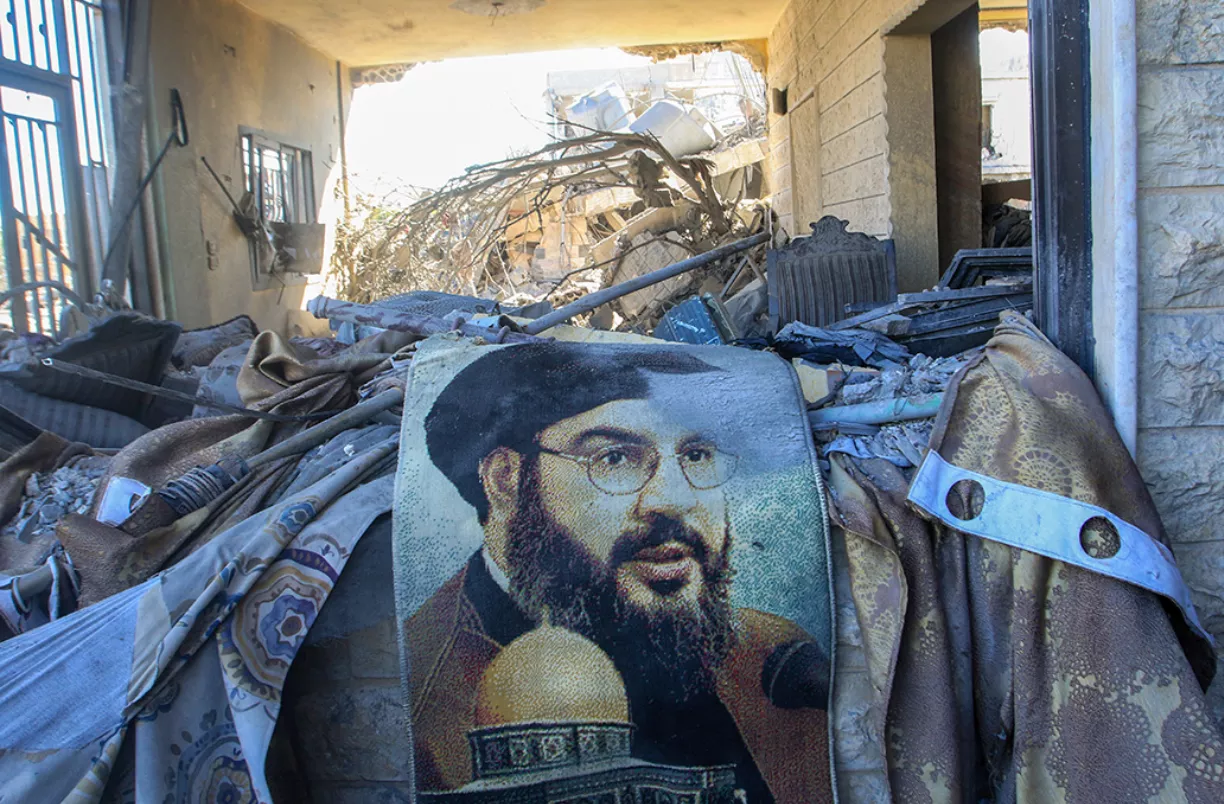
Israel assassinated the Secretary-General of the Lebanese Shiite movement Hezbollah, Hassan Nasrallah, on Friday. This is an important event in the war that Hezbollah and Israel have been waging since October 8 last year, which is essentially a continuation of previous ones. With this move, Israel wanted to take the initiative, but there is a long way to ultimate victory, which in this case means fulfilling previously proclaimed goals.
The Israeli army has shown a high level of capability outside the battlefield in recent days. While the UN General Assembly session was underway in New York, and when Israeli Prime Minister Benjamin Netanyahu was humiliated by numerous diplomats by leaving the hall during his address, the army waged an operation in the media and has imposed its narrative in most Western media to this day.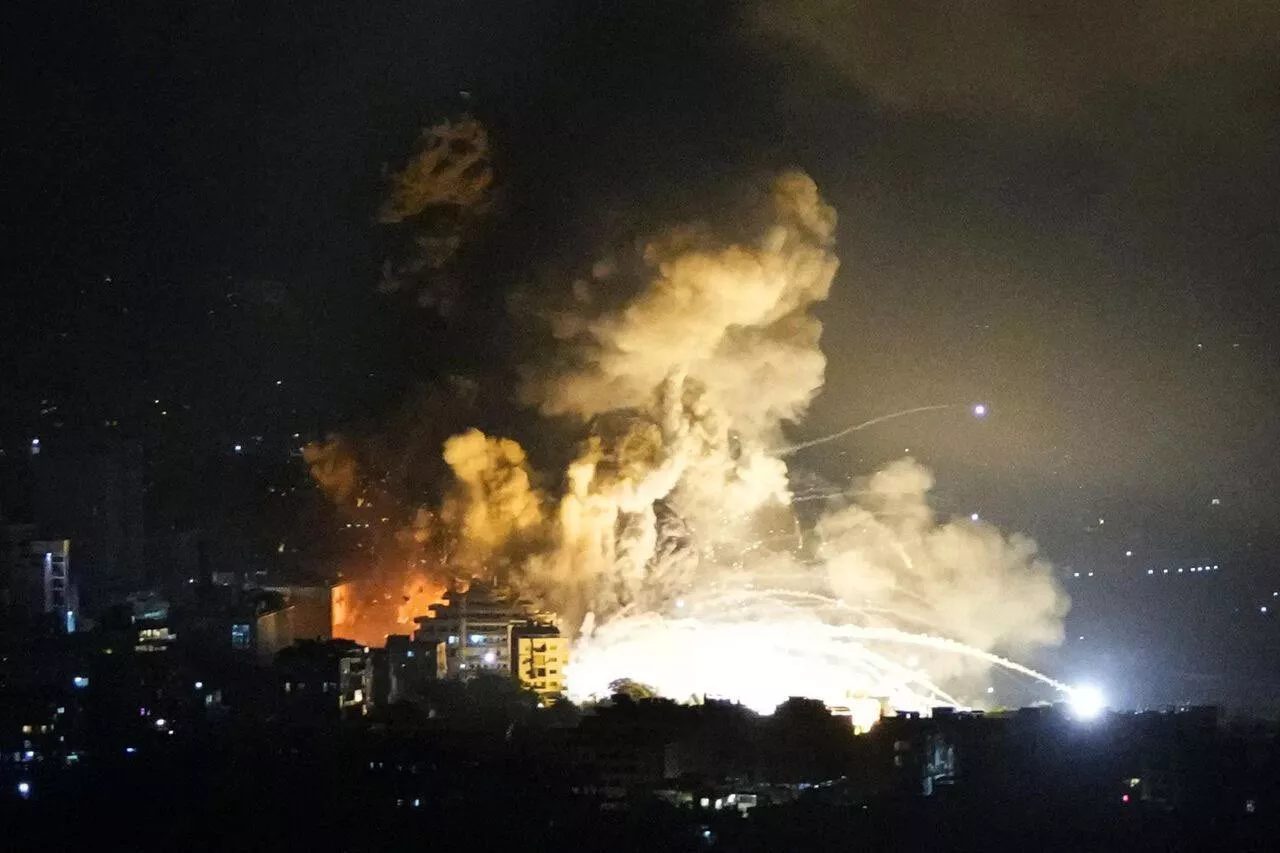
Bombing of Beirut
The world was informed and shown in photographs that Netanyahu issued the order for the attack on Beirut from the United States. Dozens of missiles wiped out a part of Beirut. Several residential buildings were reduced to nothing. The missiles launched by Israeli planes carried several tons of explosives each, turning buildings and the people inside them into dust. Civilians are hardly mentioned by anyone, while the focus is on the success of the liquidation and the army's ability to eliminate the enemy.
The main target was Nasrallah, whom Israel had wanted to assassinate for years. He is the latest in a series of officials and commanders of that and allied movements and armies killed in Israeli attacks. His assassination dealt a heavy blow to Hezbollah, but not a fatal one, as was attempted to be presented to the public, especially after the explosion of pagers and walkie-talkies, because the military wing of the group remained largely intact.
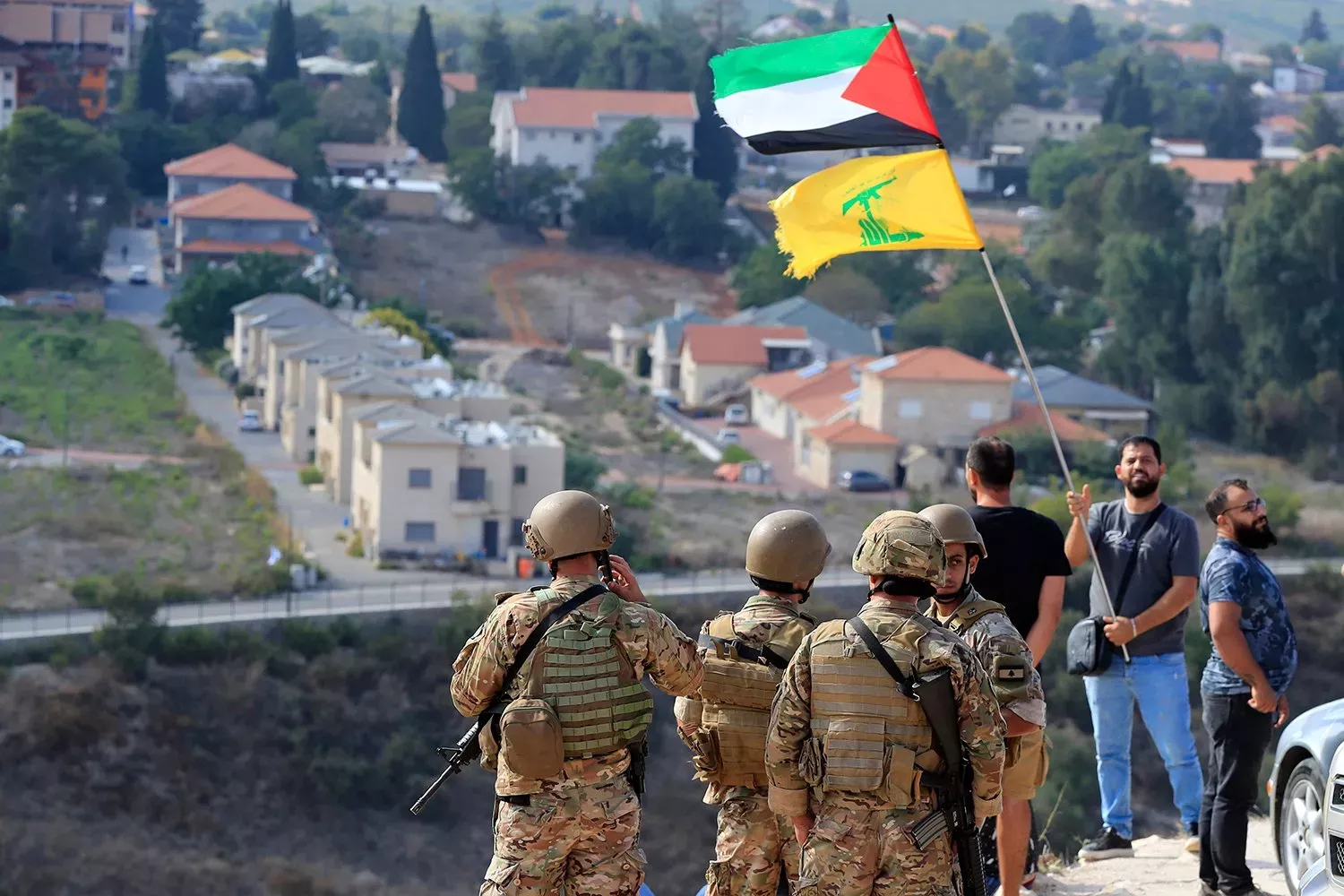
Netanyahu made Nasrallah a legend and gave Hezbollah legitimacy
Hezbollah's policies have always met with resistance in Lebanon. Many disliked that Hezbollah was stronger than the Lebanese army and that it interfered in wars in Syria and elsewhere. Hezbollah was accused of exacerbating sectarian divisions. The slightest spark threatened to ignite a fire.
Hezbollah brought war to Lebanon on October 8, after the Palestinian Hamas invaded Israel the day before and carried out a massacre. In support of the Palestinian people and calling for a ceasefire in the Gaza Strip, Hezbollah targeted sites in northern Israel and displaced hundreds of thousands of people on both sides of the border. Some criticized these actions by Hezbollah, saying it was merely promoting the Shiite movement.
Netanyahu's decision to kill the sixty-four-year-old leader of Hezbollah has forever changed the movement's image. The Shiite leader lost his life fighting for Sunni Palestinians, while Sunni leaders do little to help their "brothers." In a way, he became the Che Guevara of the Middle East, a person whose name is chanted as a battle cry on the streets of Lebanon, Palestine, Syria, Iraq, and Iran...
In military terms, Netanyahu gained little. Assassinated Hezbollah leaders will be replaced by others, as the organization has existed for decades. It is possible that new leaders will be more capable than the veterans who led the movement. Hezbollah has lost leaders and commanders before, but it has survived and then strengthened. For example, Israel killed Abbas al-Musawi in 1992, who was succeeded as Secretary-General by Nasrallah. Or, numerous Hezbollah commanders died in the war in Syria.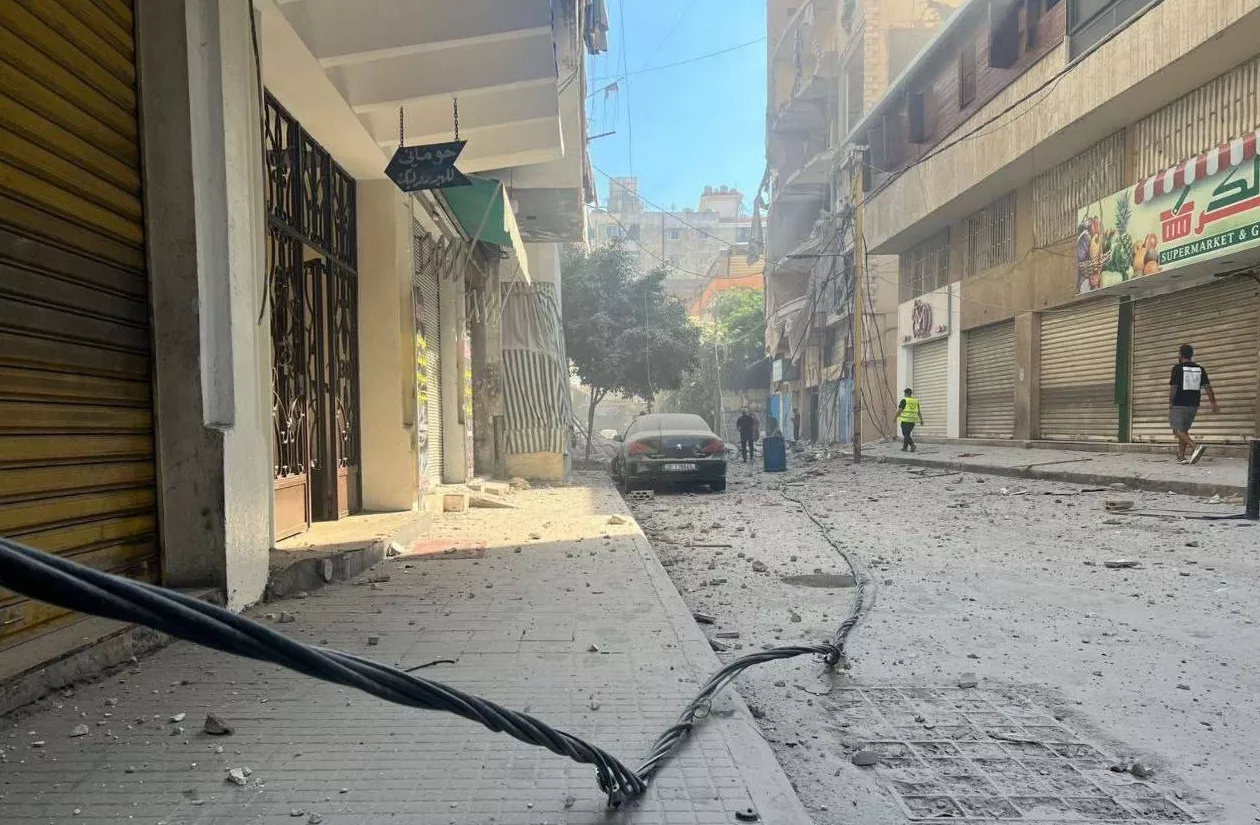
Beirut after Israeli bombing
The media reported that a high-ranking Iranian official, responsible for training troops and conducting operations, was assassinated along with Nasrallah. This would not be the first time Iranians have commanded Lebanese fighters. This was evident in the war in Syria. Therefore, Iran can send new soldiers to Lebanon if necessary.
At the same time, by massively bombing across Lebanon and causing the deaths of thousands of civilians, Netanyahu sent a message to Lebanon and surrounding countries why they need groups like Hezbollah. He vividly illustrated this by deciding to invade southern Lebanon, which Hezbollah repelled earlier this week.
Hezbollah will not surrender
The past two weeks have been difficult for Hezbollah, and Israel has tried to capitalize on this. A significant number of troops have been transferred from the Gaza Strip to northern Israel, and there is talk of a "limited" operation in Lebanon. The extent to which it will be limited, and whether it will be limited at all, depends on the army's success. In any case, it is an invasion. Such an action led to the formation of Hezbollah, and then to Israel's defeat in the 2006 war. A new invasion is a new phase of the war that will cause immense damage to Lebanon and Israel, or rather, to Hezbollah and the Israeli army.
Netanyahu has repeatedly stated that his goal is to destroy Hezbollah, push them thirty kilometers from the border (beyond the Litani River), return displaced residents to the north of the country, and end cross-border rocket fire. This is a precise description of what is sufficient to declare victory. In his last public address, Nasrallah stated that they would not succeed in this, meaning Hezbollah would not withdraw, and the only way to return people to northern Israel is if Israel stops its attacks on the Gaza Strip.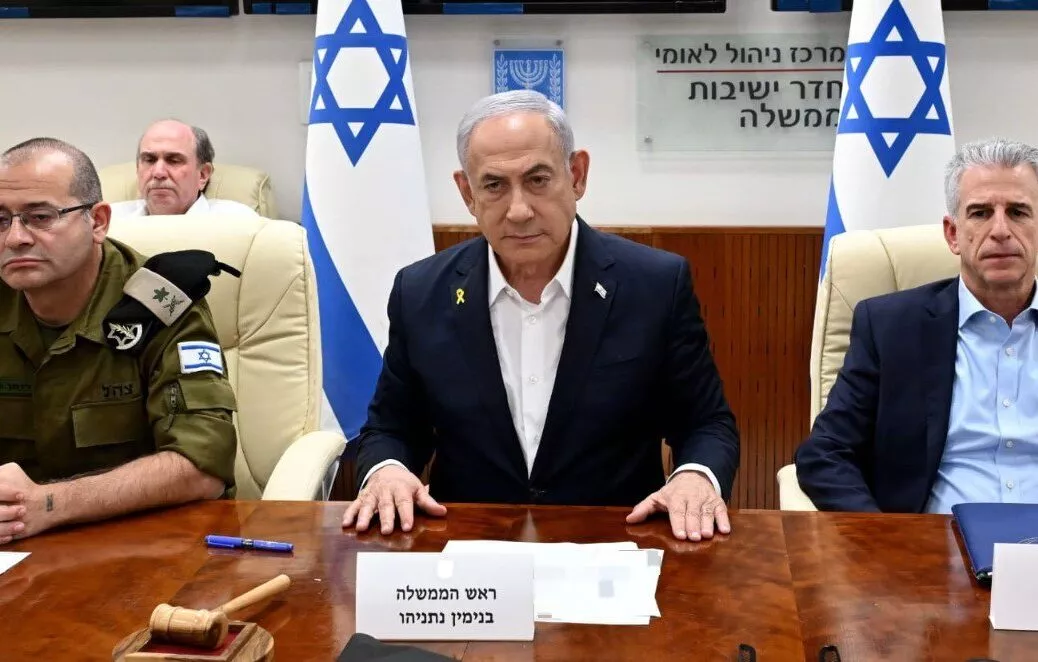
Israeli Prime Minister Benjamin Netanyahu
Netanyahu wants to resolve the Hezbollah issue militarily. Since Nasrallah's assassination, the army has been attacking southern Lebanon, targeting Hezbollah positions. Tel Aviv claims to have destroyed missile depots. Hezbollah claims its arsenal is intact, which they have tried to prove by attacking Israel. Yesterday, Tel Aviv was targeted multiple times, and the Lebanese group announced that it used certain types of missiles for the first time.
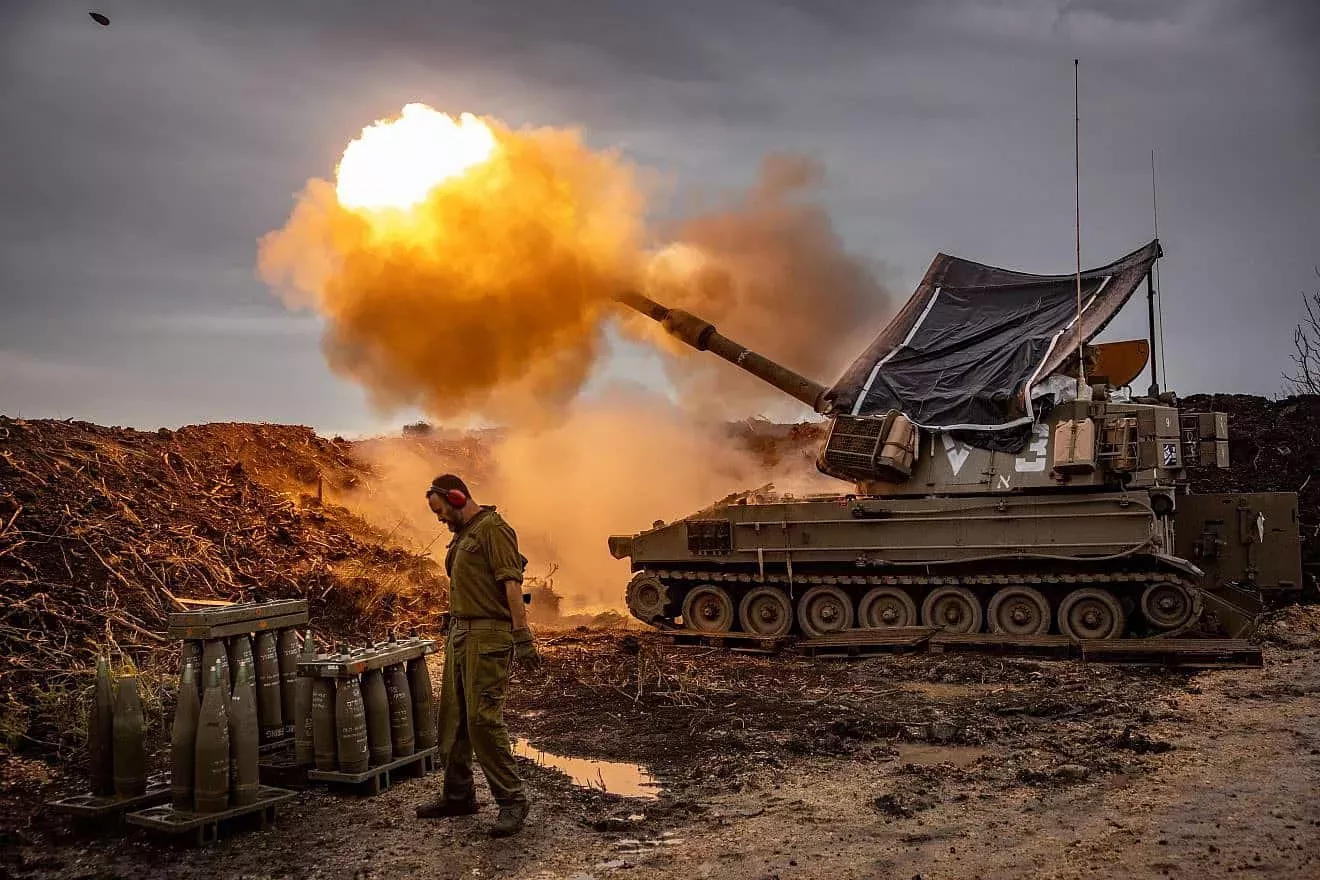
In recent days, Hezbollah has shown that it will not surrender, despite losing commanders and the Secretary-General. The best way to show it is still strong is through clashes with the Israeli army along the Lebanese border, as it has an advantage there. For decades, Hezbollah has been preparing for an Israeli incursion into this part of Lebanon, which is mountainous and difficult to traverse. It is believed that Hezbollah has networks of tunnels, shelters, and fortifications there. The unsuccessful attempt at a "limited" Israeli operation this week showed that at least part of this is true, meaning Hezbollah will fight and Tel Aviv will have to sacrifice a lot.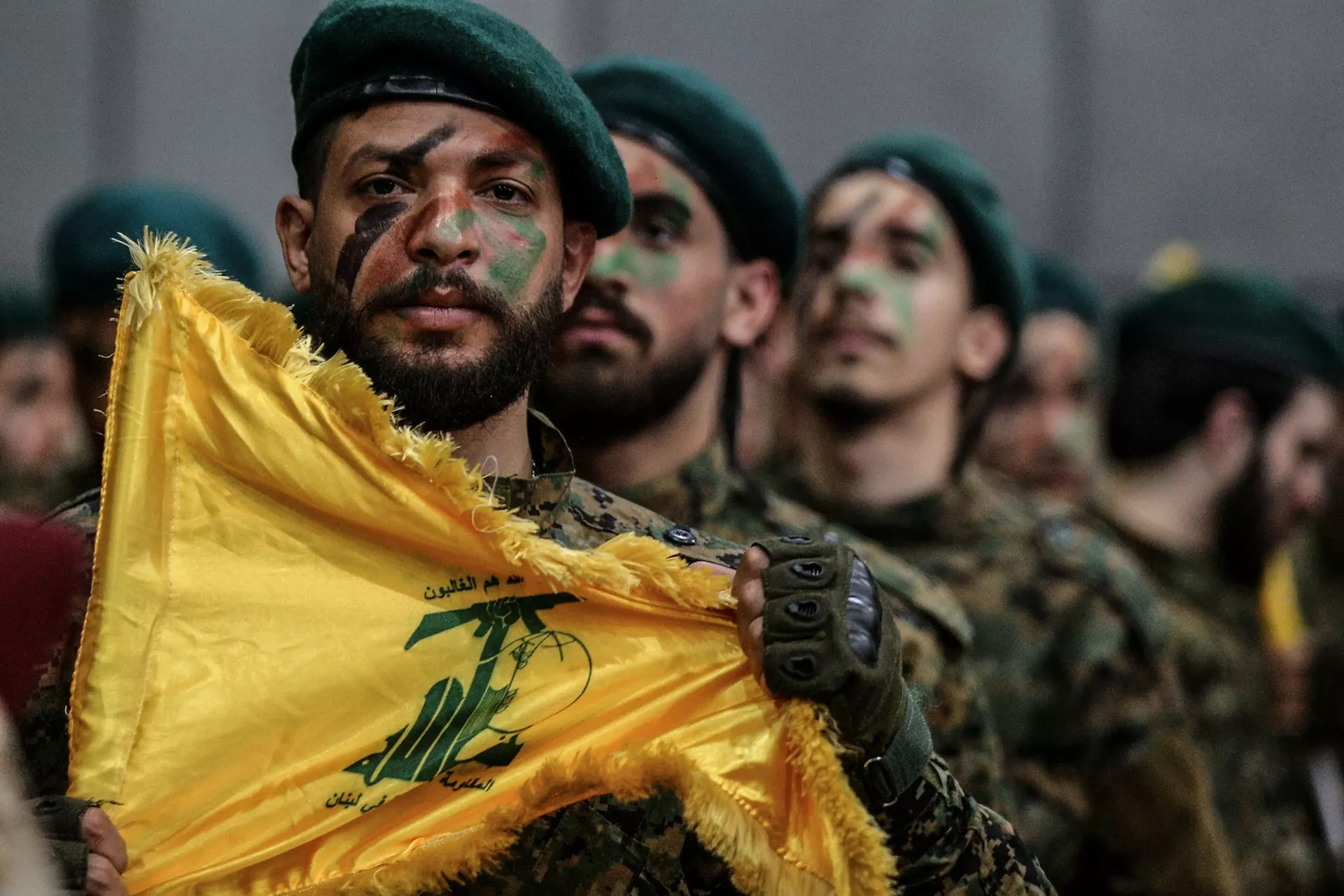
Hezbollah fighters
Although the US is with Israel, President Joseph Biden advised Netanyahu not to launch a ground operation in Lebanon. Netanyahu did not listen. After failing to achieve his goals in the Gaza Strip (destroying Hamas and freeing hostages), which he set himself, he has now decided to attack Lebanon with new civilians. Yesterday, he also received a response from Iran because of this, when drones and missiles again fell on Israel. If anything can make him happy, it is the opinion polls, conducted after Nasrallah's assassination, which showed that his popularity is growing for the first time since the start of the war in the Gaza Strip.
Komentari (0)
Prijavite se za komentiranje
PrijavaJos nema komentara. Budite prvi!
Minuta
Sve →Iz drugih kategorija

High Representative Not Elected: Germans, French and British Against Americans, New Attempt at End of June

ČOVIĆ WITHOUT MERCY: How Those Who Brought Ademović to Office Created a Political Hell for Him



Sunny Saturday, quite warm



Tragedy in Albanian resort: Two minors drown












