
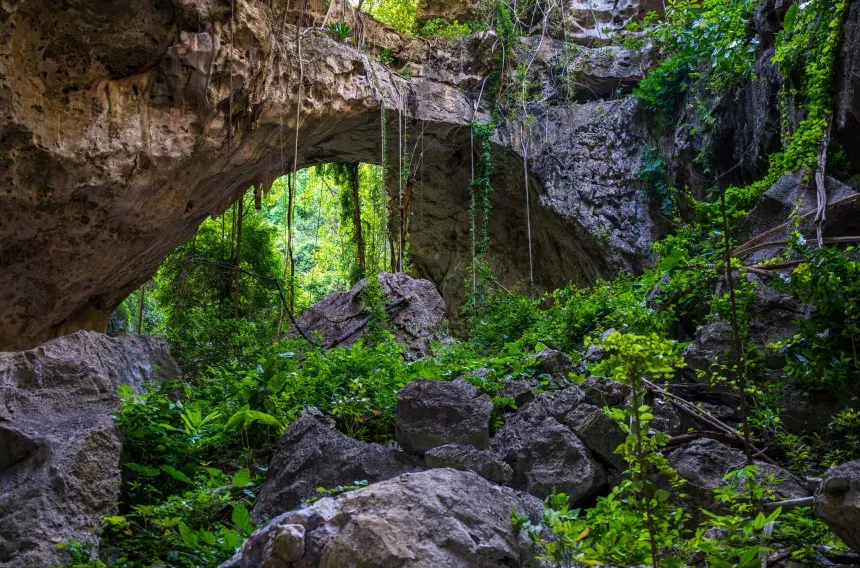
(Patria) - A whole range of previously unknown species, including a turquoise pit viper, a flying snake, several geckos, two micro-snails, and two millipedes, have been discovered in the largely unexplored limestone caves of Cambodia, which stretch for thousands of kilometers.
Research conducted in the northwestern province of Battambang has uncovered unique ecosystems with creatures that cannot be found anywhere else on Earth, writes CNN.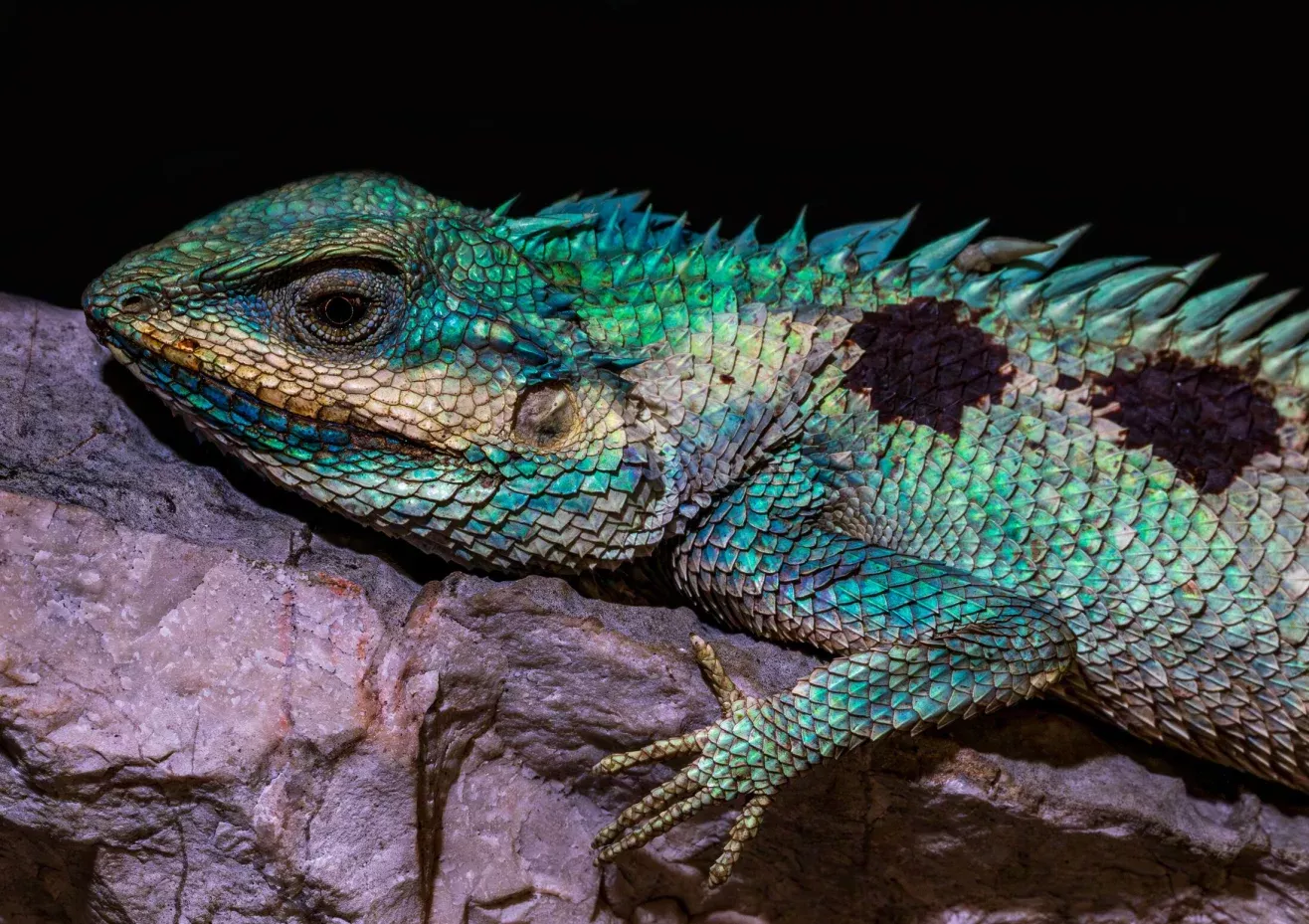
The pit viper and three newly discovered gecko species are still awaiting official naming and description.
Other discoveries were formally recognized during biodiversity research that covered 64 caves in 10 hills between November 2023 and July 2025, with the results published in a report yesterday.
Each hill and cave in Cambodia's rocky karst landscape is isolated from the others.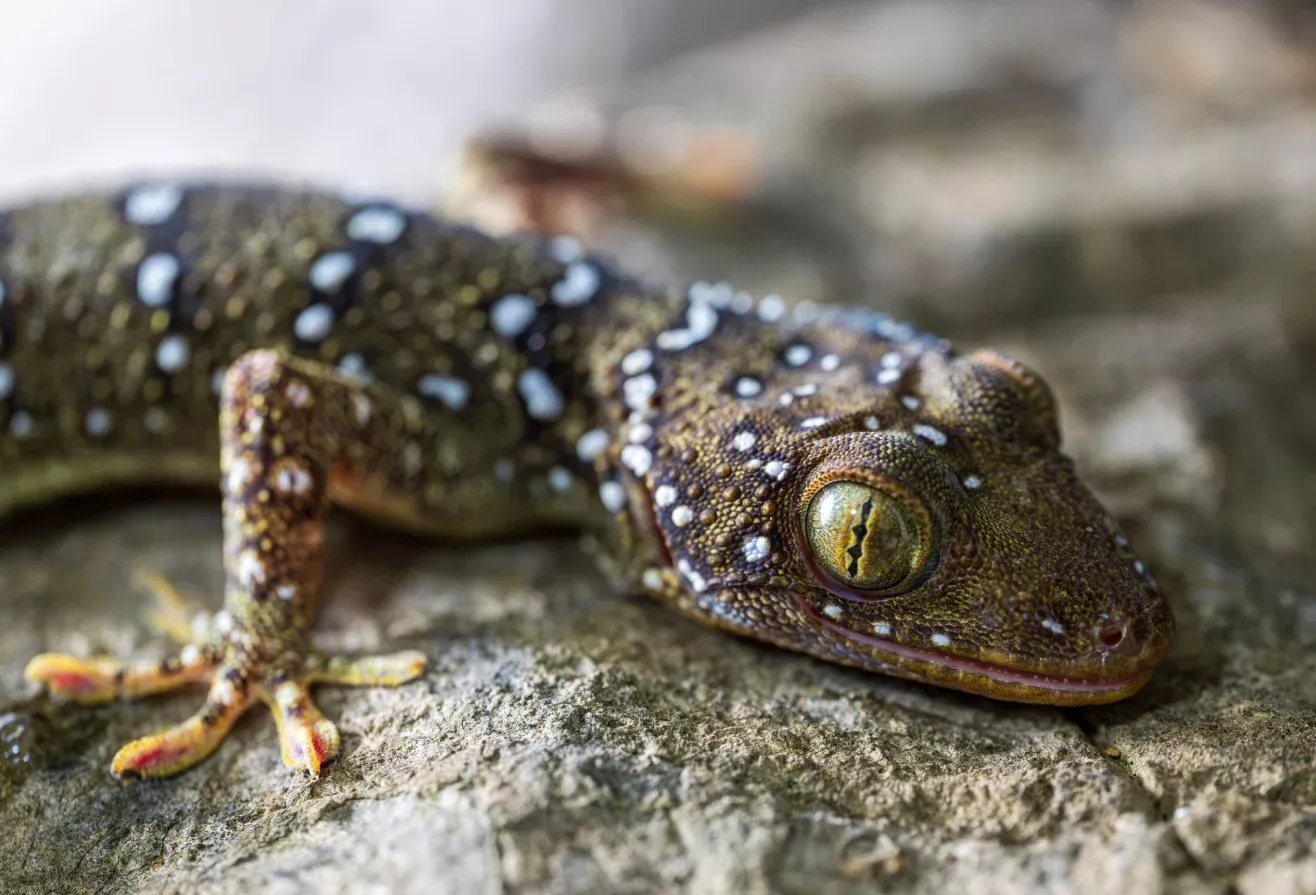
They function as separate "island laboratories" of evolution, with numerous different life forms adapted to their specific habitats, according to the British conservation organization Fauna & Flora, which led the research with the Cambodian Ministry of Environment.
- Each of these places is like a small showcase of biodiversity, where nature independently conducts the same experiment over and over again - said evolutionary biologist Lee Grismer from La Sierra University in California, who supported the research team.
- We go to these separate places, analyze the DNA of the species, and observe how the experiment unfolded. Some look similar, some different, and through analysis, we can gain insight into the driving forces of their evolution - Grismer points out.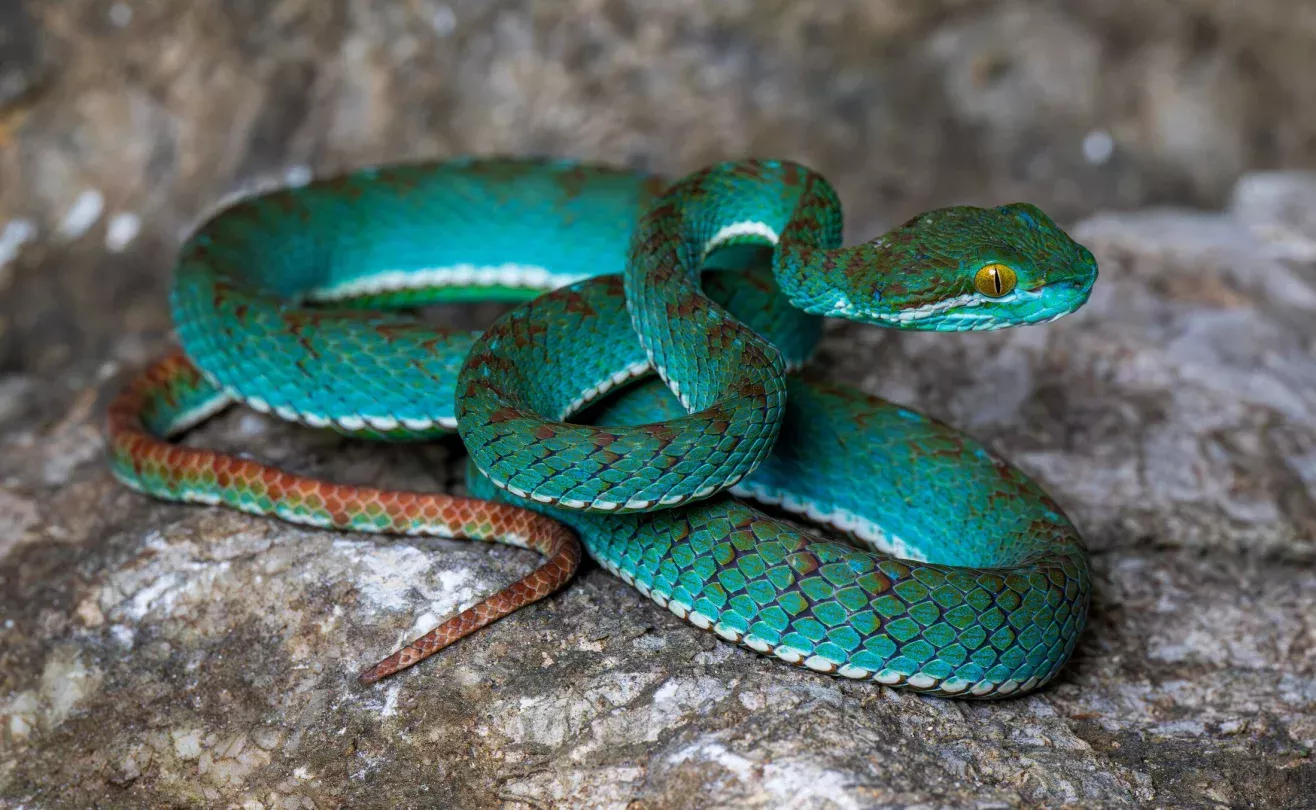
For example, although researchers identified one species of bent-toed striped gecko, named Cyrtodactylus kampingpoiensis, during fieldwork in 2024, they found four different populations that had evolved in different ways.
- If we really want to preserve biodiversity on the planet, we need to understand everything that exists on it. We cannot protect something that we don't even know exists - Grismer added.
Biologist Pablo Sinovas, who led the Fauna & Flora team in Cambodia, described how he studied the terrain during the day with local researchers, while the "fun part" – searching for creatures like snakes and geckos – took place at night.
- They are most active then and come out of their hiding places - Sinovas told CNN.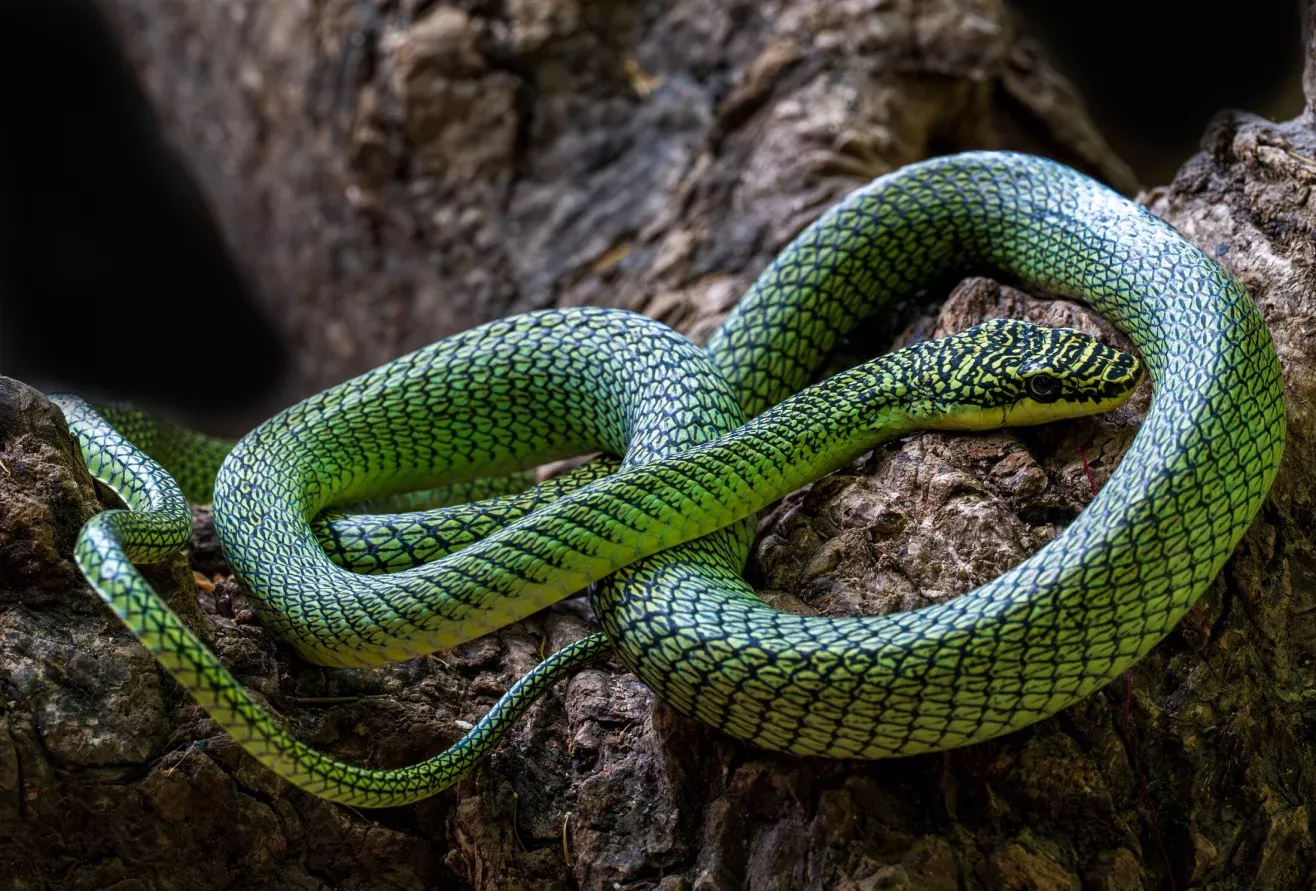
The team would set out after sunset and trek through "sharp, rocky terrain" for hours with the help of flashlights.
- We peered into every crack, around caves, rocks, branches, vegetation, literally everywhere. It was a kind of beautiful hunt - said Sinovas.
He added that they had only "scratched the surface" of the biodiversity waiting to be discovered.
Karst landscapes make up about nine percent of Cambodia's land area, or 20,000 square kilometers, and much of this area is still unknown to science.
Globally endangered species such as the Sunda pangolin, green peafowl, and long-tailed and northern pig-tailed macaques were also found during the research.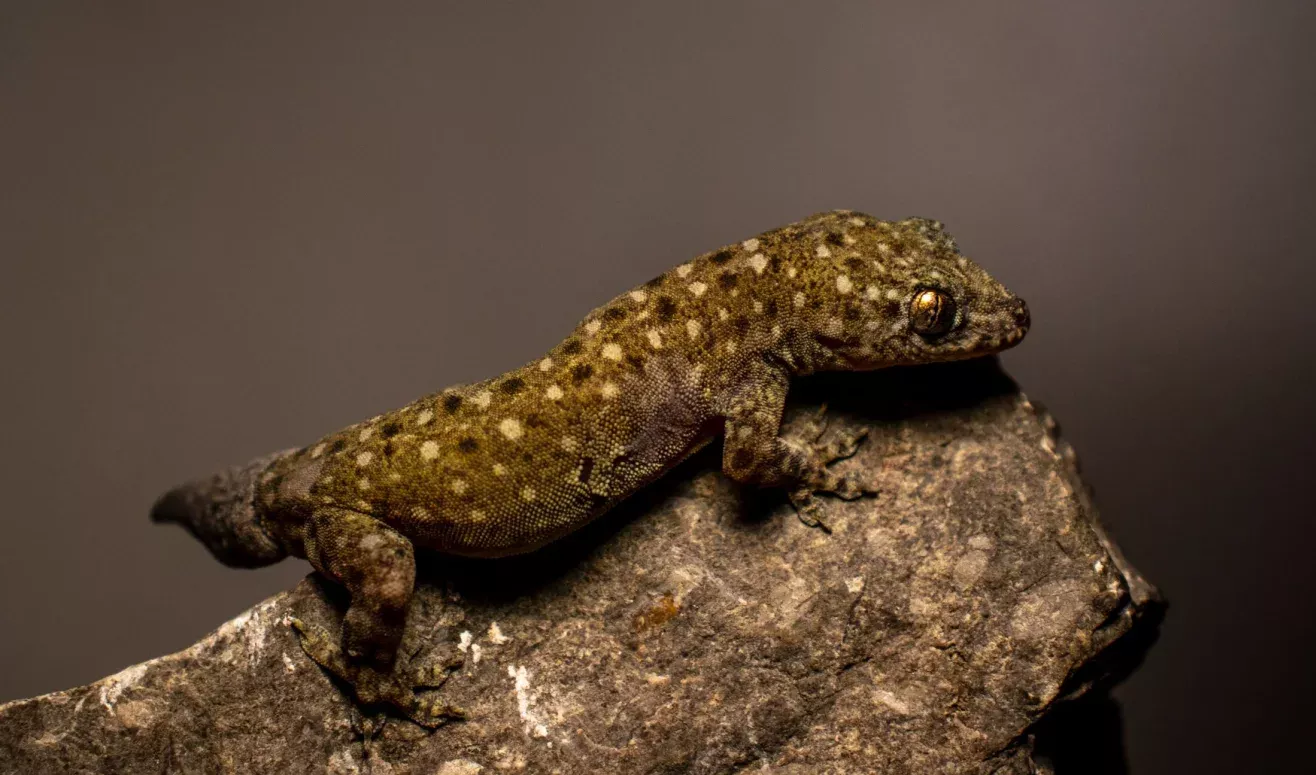
Among the 11 new species, the spectacular turquoise pit viper stands out. The name "pit viper" refers to a heat-sensitive organ on its head, which it uses to detect and track warm-blooded prey.
A decorative flying snake was also discovered, which glides from tree to tree by flattening its chest and undulating through the air. Due to its vibrant colors, it is increasingly targeted by illegal traders.
One of the new geckos was named Gekko shiva, after the Hindu god of destruction, as it was discovered in a Thai cave temple dedicated to that deity in early 2025.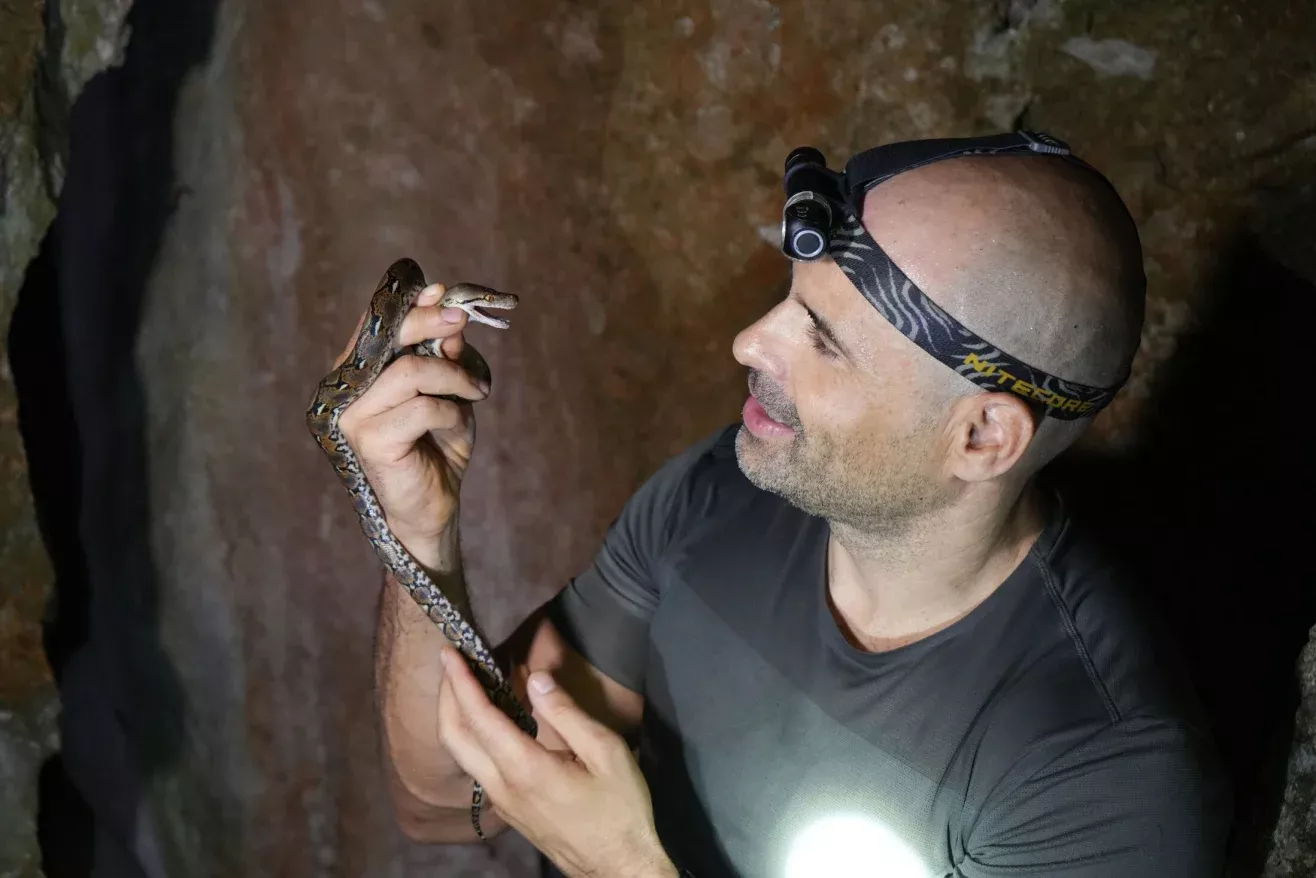
Researchers warn that its striking appearance makes it a target for the exotic pet trade.
During the research, the Cambodian blue-crested agama, a lizard that changes its vibrant colors when it feels threatened, was also identified, and was only recognized as a new species in 2021.
Despite their biological and cultural importance – many caves serve as sanctuaries – karst habitats are threatened by raw material extraction for cement production, unregulated tourism, poaching, deforestation, and forest fires.
The demand for cement is growing, and karst limestone is a key raw material for its production.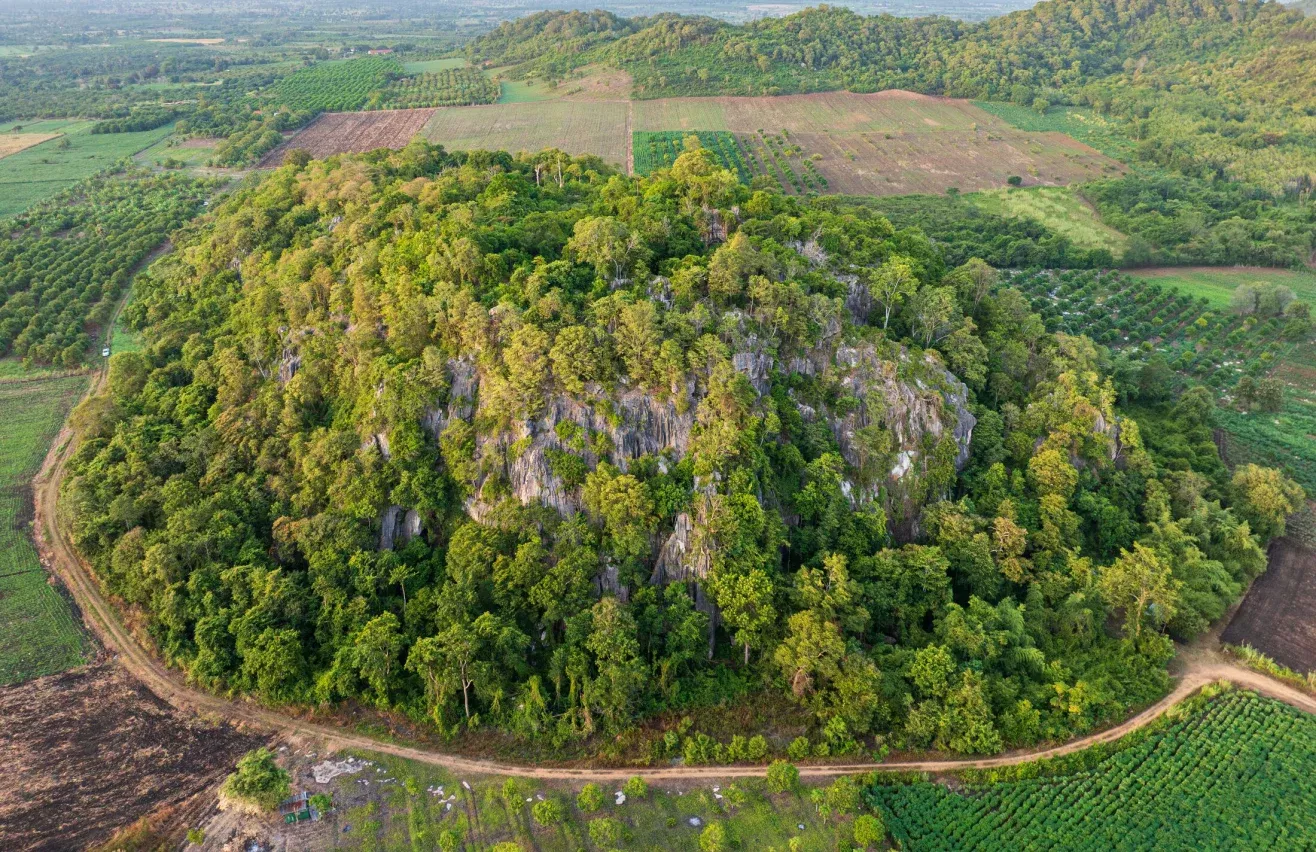
- But it is obvious that if you destroy the area where certain species live, and they live nowhere else, you could automatically cause their extinction – in some cases, species that have not even been described yet.
Therefore, we are cooperating with the government to ensure better protection of these important areas - said Sinovas, adding that discussions are underway about "giving this area some form of protected status, so that it can be preserved for the future."
Komentari (0)
Prijavite se za komentiranje
PrijavaJos nema komentara. Budite prvi!
Minuta
Sve →Iz drugih kategorija

High Representative Not Elected: Germans, French and British Against Americans, New Attempt at End of June

ČOVIĆ WITHOUT MERCY: How Those Who Brought Ademović to Office Created a Political Hell for Him



Sunny Saturday, quite warm



Tragedy in Albanian resort: Two minors drown












