
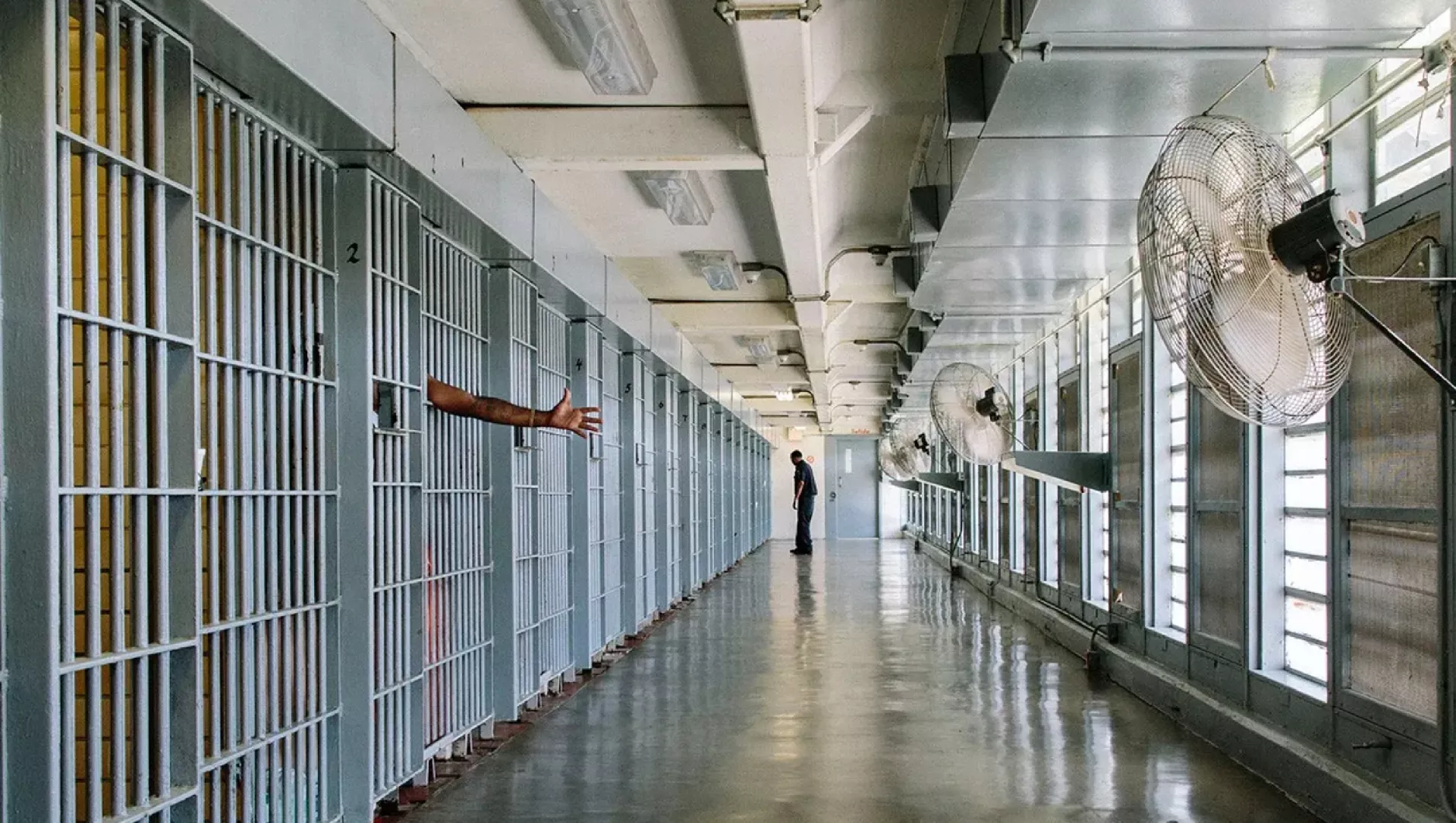
(Patria) - The United States continues to hold the unenviable title of the country with the largest number of prisoners in the world.
Currently, around 1.9 million people are in US prisons, and behind these numbers lies a complex story of racial and ethnic disparities shaping the country's justice system.
According to the latest data, the US has nearly two million prisoners distributed across various types of facilities: state prisons, federal prisons, local detention centers, juvenile facilities, and immigration centers.
Men constitute the majority of the prison population, but the number of women in prisons is growing faster than ever before.
One of the most significant aspects of the American justice system is the pronounced racial disparities among prisoners.
Black individuals make up 32% of all prisoners, despite constituting only 14% of the total US population. White individuals make up 31%, and Hispanic individuals 24%, despite making up only 19% of the population.
The incarceration rate by race (per 100,000 inhabitants) looks like this: Black 901, Hispanic 434, White 181.
Black individuals are incarcerated five times more often than white individuals, while Hispanic individuals end up behind bars twice as often.
In some states, like Wisconsin, the ratio between Black and white prisoners reaches as high as 9 to 1, while Black individuals constitute more than half of the prison population in states like Alabama, Georgia, and Louisiana.
Why are the disparities so large?
• Socioeconomic inequalities: poverty and lack of access to quality legal aid increase the chances of harsher sentences;
• Discrimination in the justice system: Black individuals are more likely to end up in pre-trial detention, increasing the probability of receiving a prison sentence instead of probation;
• Sentence length: Black and Hispanic individuals often receive longer sentences for the same crimes compared to white individuals.
Despite positive trends, the overall incarceration rate remains high - with over 541 people per 100,000 inhabitants, the US is among the leading countries in incarceration rates globally.
Discussions about justice system reform are increasingly coming from organizations like the Prison Policy Initiative, which call for reducing the number of prisoners through alternative sentences for minor offenses and investing in education and employment to reduce recidivism among marginalized groups.
However, critics warn about the influence of private prisons that profit from mass incarceration and lobby against reforms that would reduce the number of prisoners.
The private sector plays a significant role in maintaining high incarceration rates as their profits depend on the occupancy of facility capacities.
Mass incarceration in the US is not just a justice issue - it reflects deeper societal problems like racism, poverty, and inequality.
While the numbers are slowly decreasing, the path towards a more just system remains long and difficult. As one activist from Wisconsin says: "Prisons are not just places of punishment, they are a mirror of our society".
Komentari (0)
Prijavite se za komentiranje
PrijavaJos nema komentara. Budite prvi!
Minuta
Sve →Iz drugih kategorija

High Representative Not Elected: Germans, French and British Sabotaged Americans, New Attempt at End of June

ČOVIĆ WITHOUT MERCY: How Those Who Brought Ademović to Office Created a Political Hell for Him



Sunny Saturday, quite warm



Tragedy in Albanian resort: Two minors drown












