
By Armin Sijamić
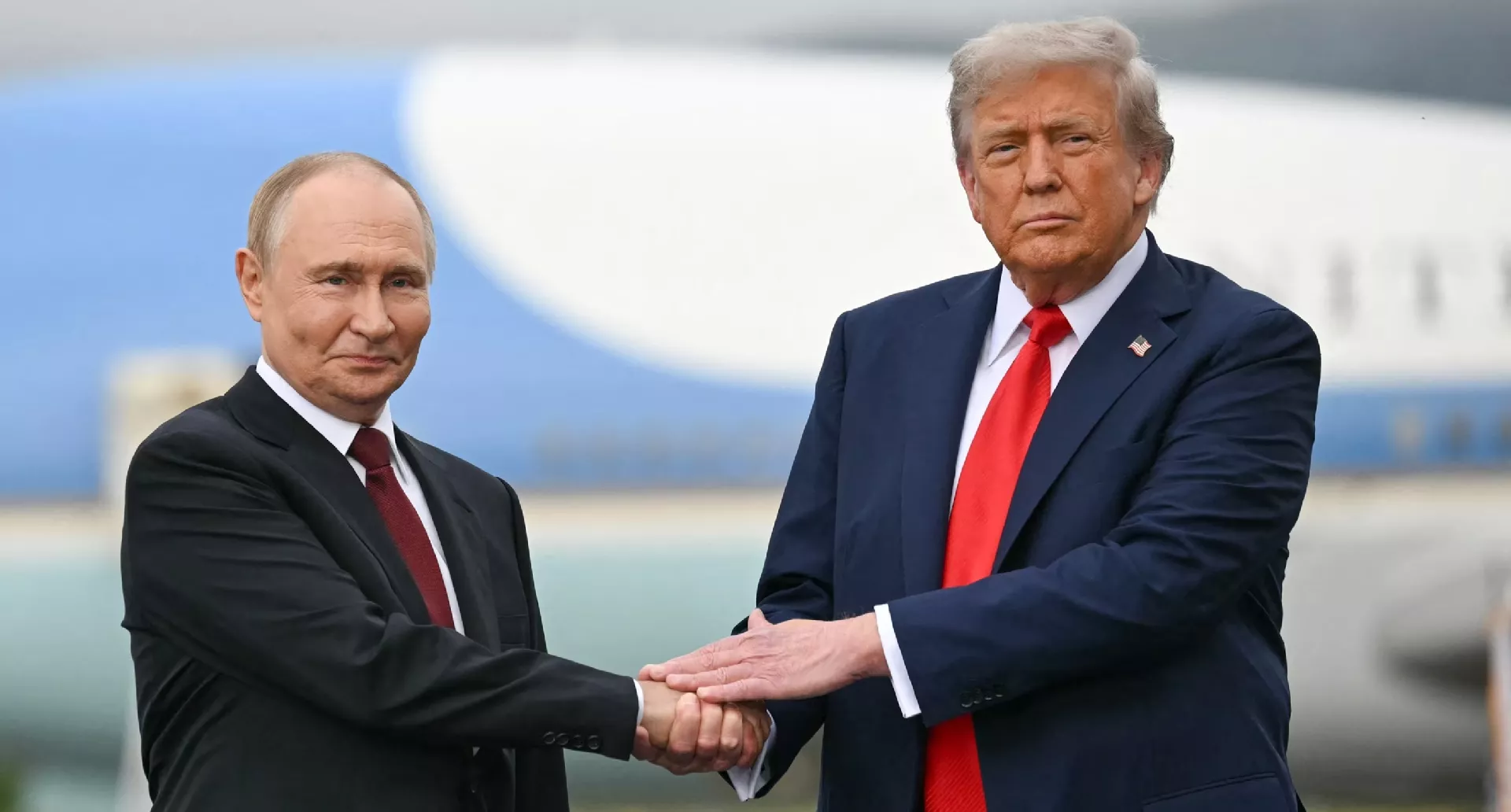
Donald Trump in his second term is more aggressive than any of his predecessors in the White House this century. Closest Russian allies are falling under the onslaught of the American president, but there is no response from Moscow. Russian President Vladimir Putin, who has presented himself for decades as a person of great power, is silently observing Trump's moves.
Donald Trump's return to the White House is, it is already certain, a historically significant event. In his second term, Trump wants to stop the further strengthening of rising powers and does not shy away from any means to achieve this.
It sounds almost unbelievable that Trump, who desperately wants a Nobel Peace Prize, ordered military strikes on Yemen, Iran, Syria, Venezuela, Nigeria in the first year of his second term and threatened the use of force against Panama, Cuba, Mexico, Colombia, and Denmark in the case of Greenland.
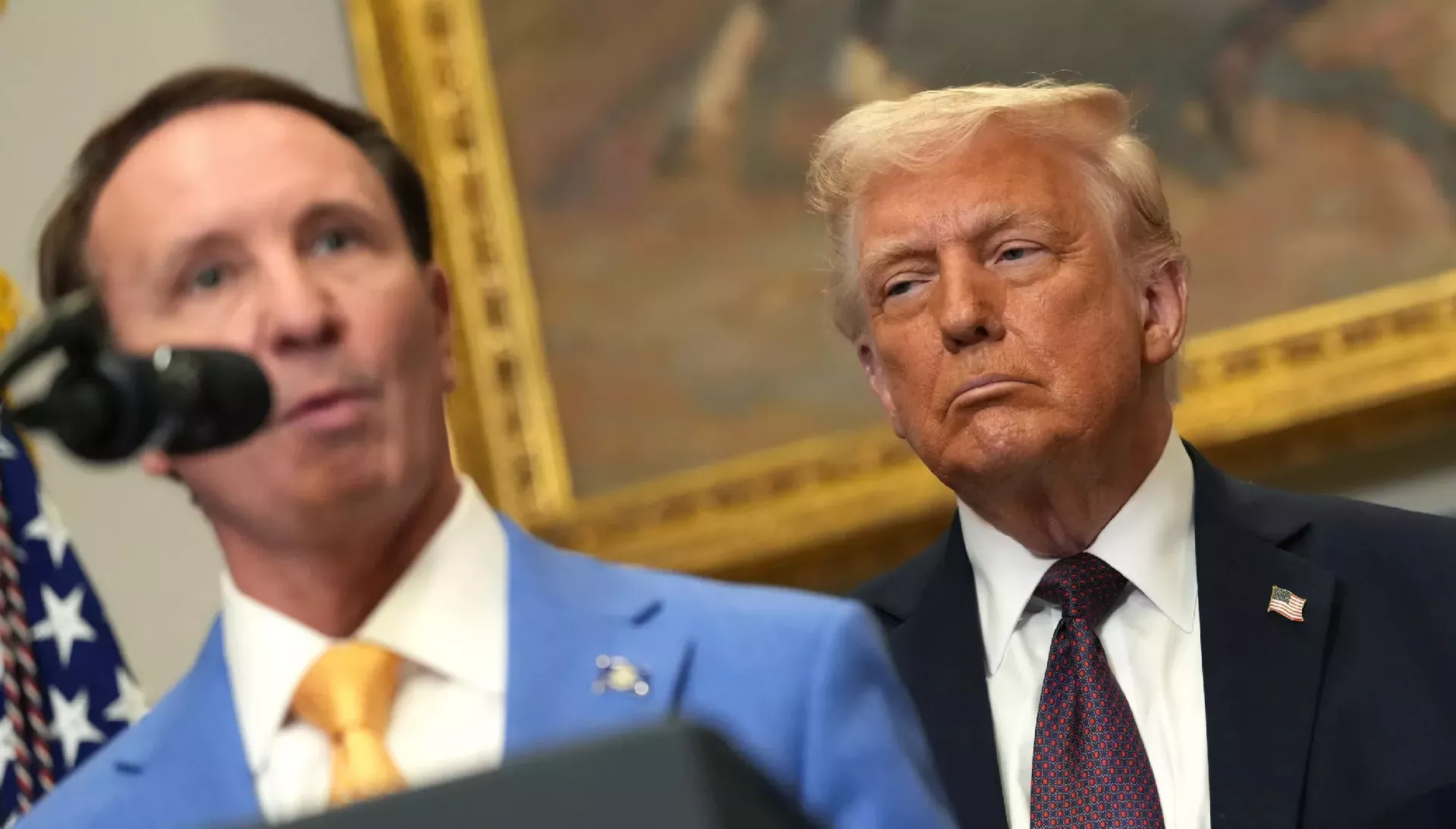
The frequent use of military force by the White House seems to have accustomed the international public to it being normal, and there is no resistance to it in the way there was to the wars initiated and waged by George W. Bush at the beginning of the century. Even allied European states, some of which have traditionally been against Washington's policies in the Middle East and elsewhere in recent decades, are not offering resistance. Rare voices, like those of Spain and Ireland, are drowned out by the silence of European states.
There is no doubt that Putin is pleased by the rift in the West, as in the case of Greenland. There is also no doubt that Putin and Russia are concerned by any fall of an allied regime. Although Putin and the Kremlin remain silent about it, Russia is suffering enormous damage from Trump's actions.
From Ukraine to Venezuela
One of the favorite "explanations" by pro-Russian media and analysts for Putin's failures is that the Russian leader is "playing chess" and that, accordingly, every Russian defeat is actually a long-term victory. This masterful propaganda construct, which targets the fact that some Russians play chess exceptionally well, has been applied to every Kremlin defeat in the last two decades.
This is how the Russian war in Ukraine is presented, which has already lasted longer than it took the USSR to defeat Nazi Germany. Allegedly, Putin is exhausting the West's resources with a long war and inciting internal conflict. In reality, the Russian aggression against Ukraine is not going according to plan, but the Kremlin does not want to admit it even after four years of war. Ukrainians, supported by the West, have inflicted terrible losses on the Russian army and shaken Russia and its economy.
Putin expects Trump to force Ukraine into a peace agreement that would meet Russian demands. In the meantime, Trump has dismantled the regime of Bashar al-Assad in Syria (although the Syrian leader fell while Joseph Biden was in the White House), bombed Yemeni Houthis who complicated Western plans in the Middle East and the Horn of Africa, attacked Iran, an ally of Russia, and abducted Venezuelan President Nicolás Maduro Moros from Caracas, thus leaving Cuba almost without energy supplies.
Those who believe that Trump and Putin agreed on the division of spheres of influence in Alaska, even far from the borders of Ukraine, would find it difficult to defend such a thesis less than six months after that event, as it turns out that the Russian side ceded influence in the rest of the world in exchange for Eastern Europe.
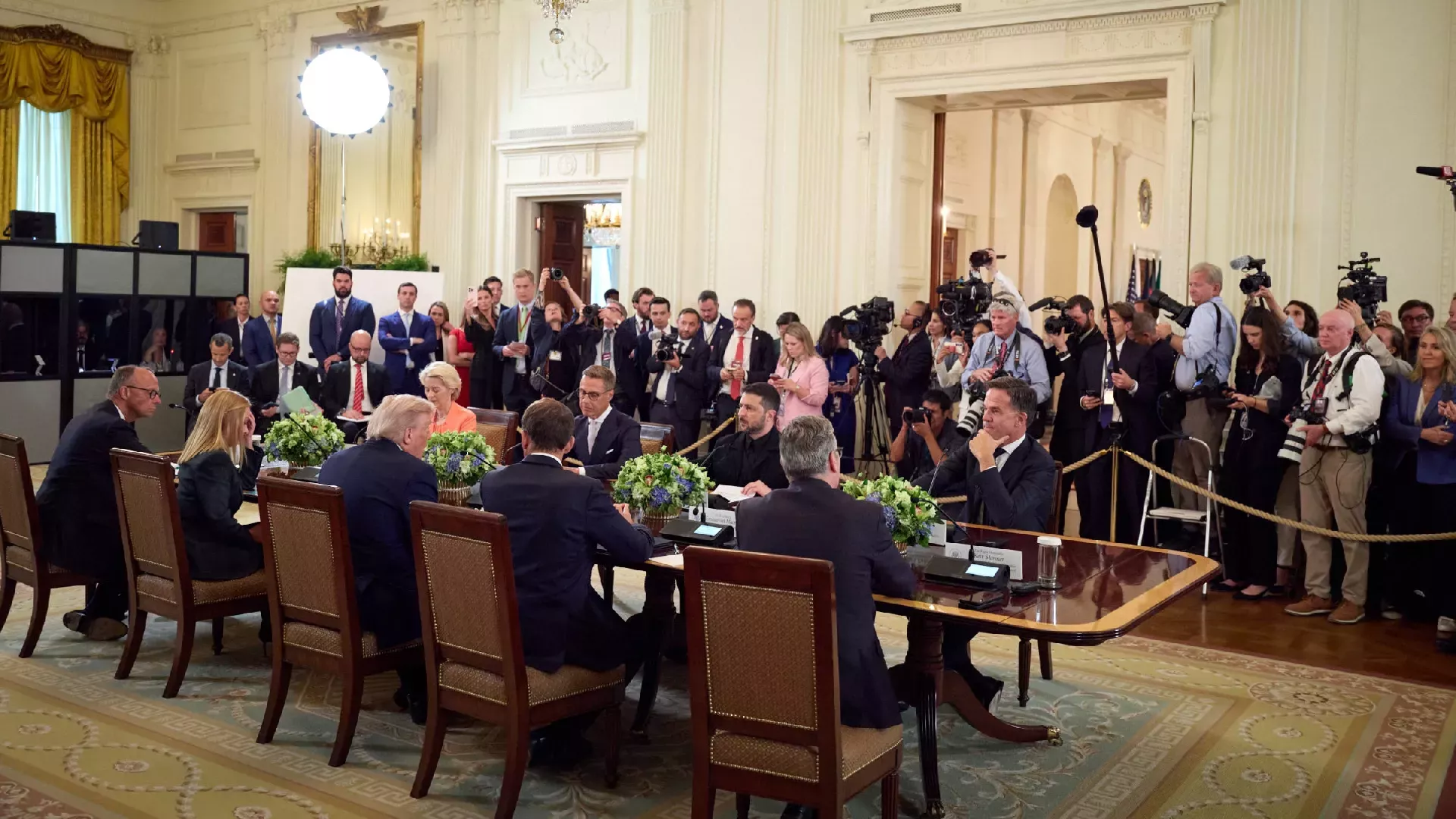
Pro-Russian voices refuse to admit that in the clash between two leaders building an image of invincibility, Trump is defeating Putin. And this is not the first time Trump has overshadowed his Russian counterpart in the same way. One should recall the time of the coronavirus outbreak and the way the two presidents led their countries. While Putin isolated himself and communicated with the rest of the world via video link, the six-year-older Trump appeared in public even when infected with the virus.
Russian (In)Power, Trump's Offensive
With such a policy, although it is not its primary goal, Trump has actually shown the limits of Russian power and practically confirmed what has been circulating in American strategic documents for years – Russia is not a world power and cannot compete with the United States far from its borders. In other words, the once global American rival is now a regional power with nuclear weapons and vast reserves of energy and natural resources of all kinds.
The fact that Russian allies are falling under Trump's onslaught is not an outcome that pleases the Kremlin. The series of defeats of Russian allies negatively affects Russia's image as a power that can protect its allies.
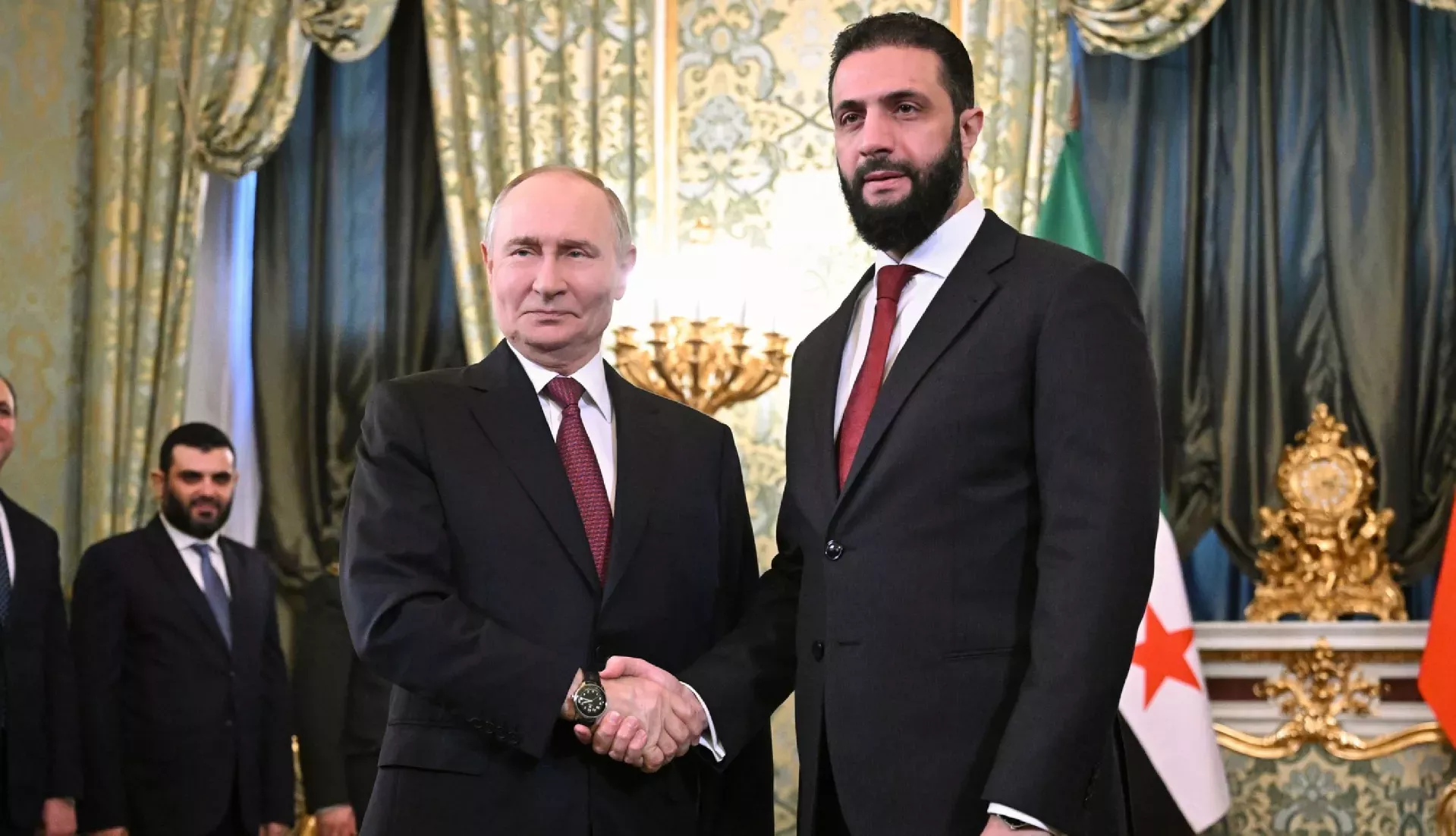
The war in Ukraine shows that Russia cannot even protect its own interests, because in addition to battlefield losses and sanctions that hinder its economy, Ukraine's choice of the West over "brotherly" Moscow also speaks to the loss of the Kremlin's ideological appeal. The refusal of numerous countries around the world to side with Moscow in the war against Ukraine also speaks to Russia's current reputation. This is a defeat for Russia on multiple fronts, and Putin still has no way to respond to Trump, nor to extricate himself from the war in Ukraine undefeated and redirect Moscow's strength to other parts of the world.
It seems that Putin's and Russia's strategy now is to wait for an agreement with Trump, which could lead to lasting divisions in the West and particularly harm European powers, and that the backup option of the same plan is to expect Trump to fail somewhere else, as happened in the war against the Houthis.
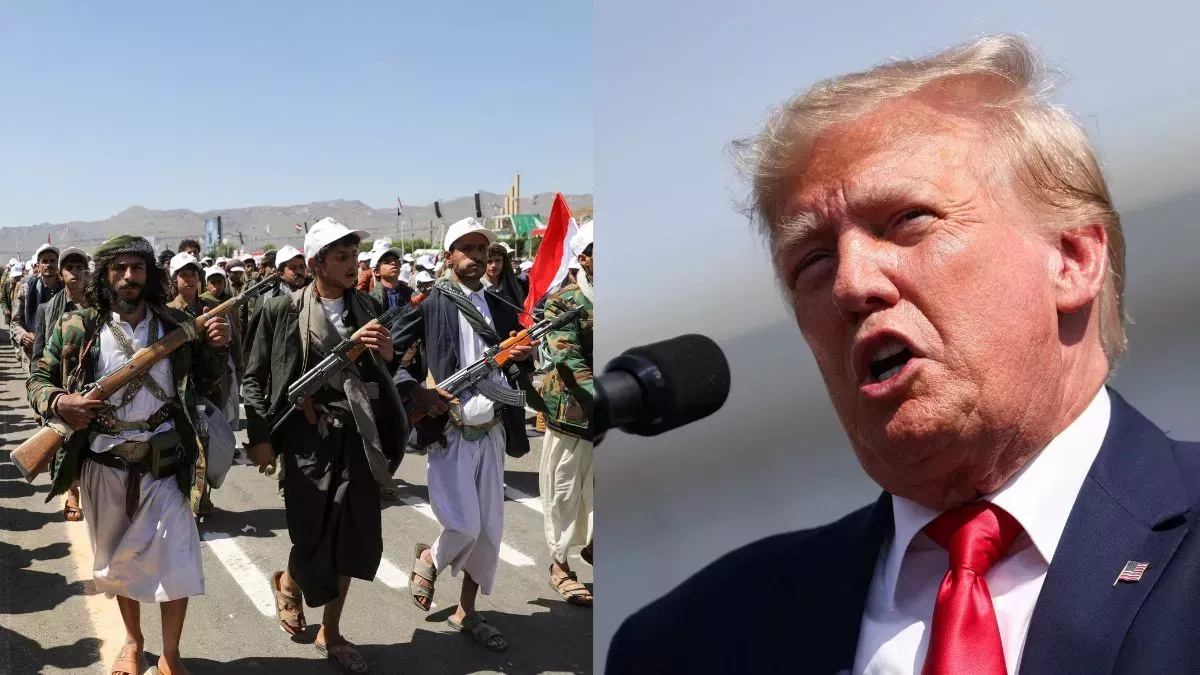
Russia's yielding to Trump to make the first moves around the world speaks to the state Russia is in, or rather, where Vladimir Putin has led that country with his policies. Besides having long ago ceded the ring to China for a direct confrontation with Washington in the fight for the number one world power, the Kremlin lacks the strength to protect its vital interests, such as those in Syria and Venezuela.
Perhaps even more painful for Russians is the fact that the Kremlin currently cannot capitalize on Trump's catastrophic blunders, which are creating enemies around the world at an incredible speed, even where no one expected it just a few months ago.
Simply put, under Putin, Russia has little to offer those who would like to tell Trump "no." Trump understands this perfectly, which is why he does not shy away from using force even against Russia's closest allies.
Komentari (0)
Prijavite se za komentiranje
PrijavaJos nema komentara. Budite prvi!
Minuta
Sve →Iz drugih kategorija

High Representative Not Elected: Germans, French and British Against Americans, New Attempt at End of June

ČOVIĆ WITHOUT MERCY: How Those Who Brought Ademović to Office Created a Political Hell for Him



Sunny Saturday, quite warm



Tragedy in Albanian resort: Two minors drown












