
By Armin Sijamić
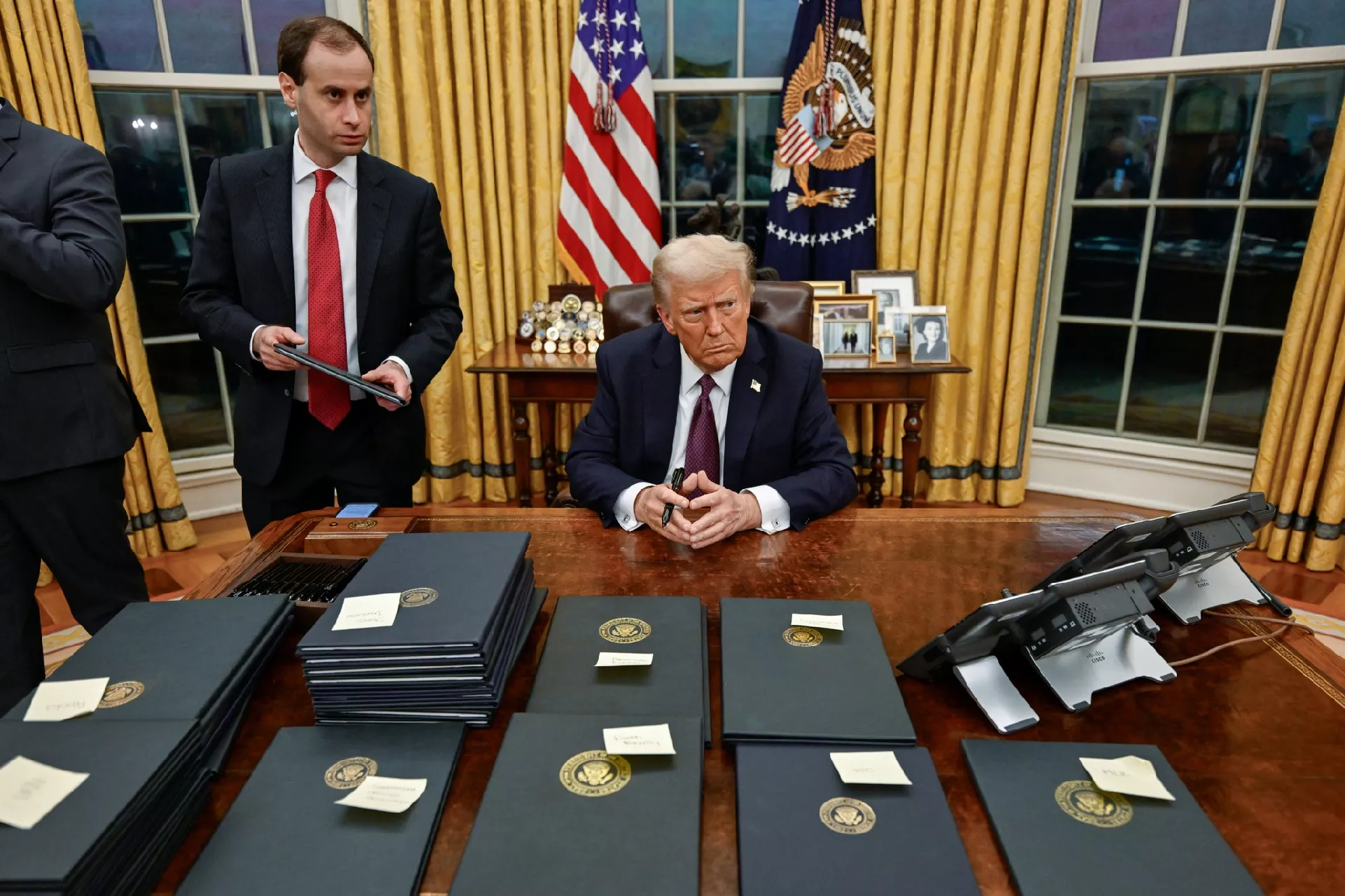
Donald Trump took office on Monday. The new President of the United States has, in just a few days, shown his intentions and confirmed the fears of many at home and abroad that this term will also be full of political upheavals and conflicts.
Trump is back, and a new era in American politics has begun, which will have an impact on almost the entire world, as many will align their positions in relation to the world's greatest power. Many wished for Trump's return, expecting him to pick up where he left off four years ago.
But the first days in office show that the world has a new Trump – a president in league with some of America's wealthiest individuals, a man into whom billions of dollars have been invested in various ways. In return, Trump promises, among other things, low taxes.
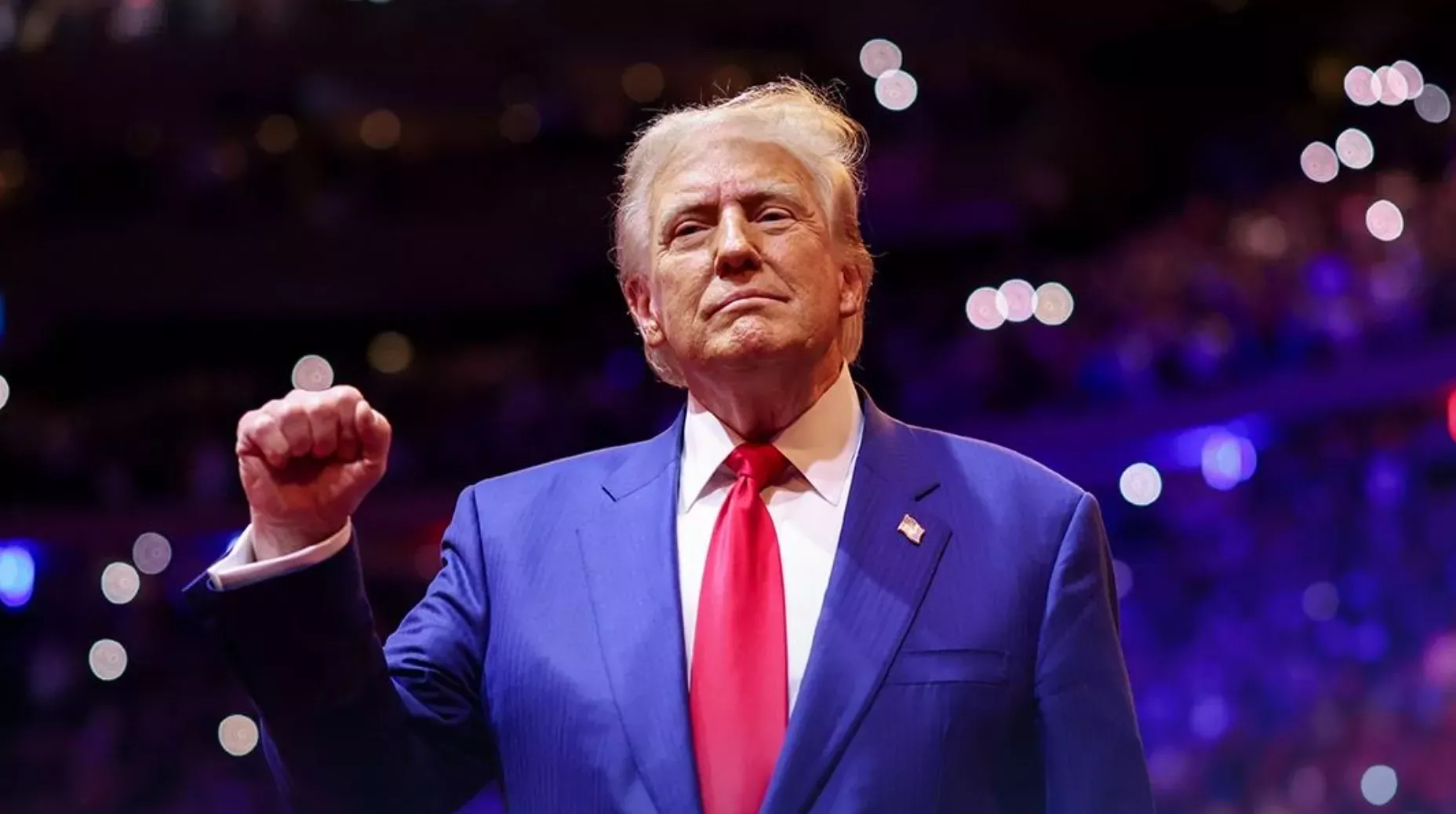
For Trump, who self-funded his political activities at the start of his first presidential campaign, this is a significant turnaround. The hero of dissatisfied middle and lower-class Americans has become the hero of the wealthiest, who have seen their fortunes grow year after year while the middle class has dwindled and filled the lower class. In recent days, Trump has made billions of dollars from cryptocurrencies.
Power and Law
The grand return to power has been accompanied by strong statements and media propaganda, especially after social media moguls sided with Trump and the people behind him. It seems as if everything is ready for Trump to implement his vision and deliver on his promises.
But that optimism and the image of an all-powerful Trump will begin to fade when someone refuses to comply. After all, if some things could have been achieved, the previous administration would have done so. For example, Joseph Biden's administration did not resolve the issue of the war in Ukraine. Washington's strength is the same with Trump, who has been in power briefly, and to achieve something in politics, resources are also needed.
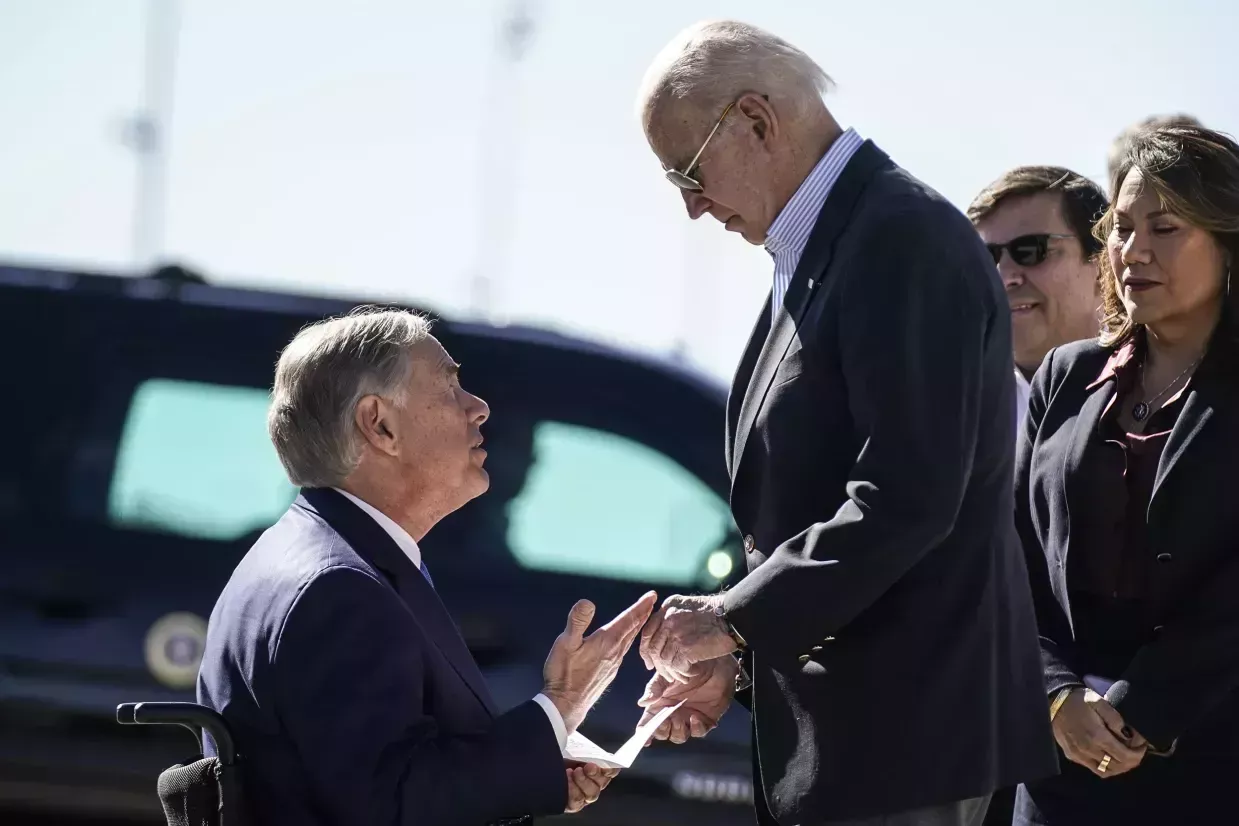
In an effort to avoid lengthy and often surgically precise observations from US lawmakers, Trump has decided to impose his policies through executive orders. Article II of the Constitution grants this right to the president. Trump has issued dozens of orders, which marks the beginning of political and legal disputes. For example, he issued an order prohibiting citizenship by birth in the United States, which is contrary to the Fourteenth Amendment to the Constitution. A group of Democratic governors has announced legal action, and it is not out of the question that the situation will become complicated, as in the case of Biden and Greg Abbott.
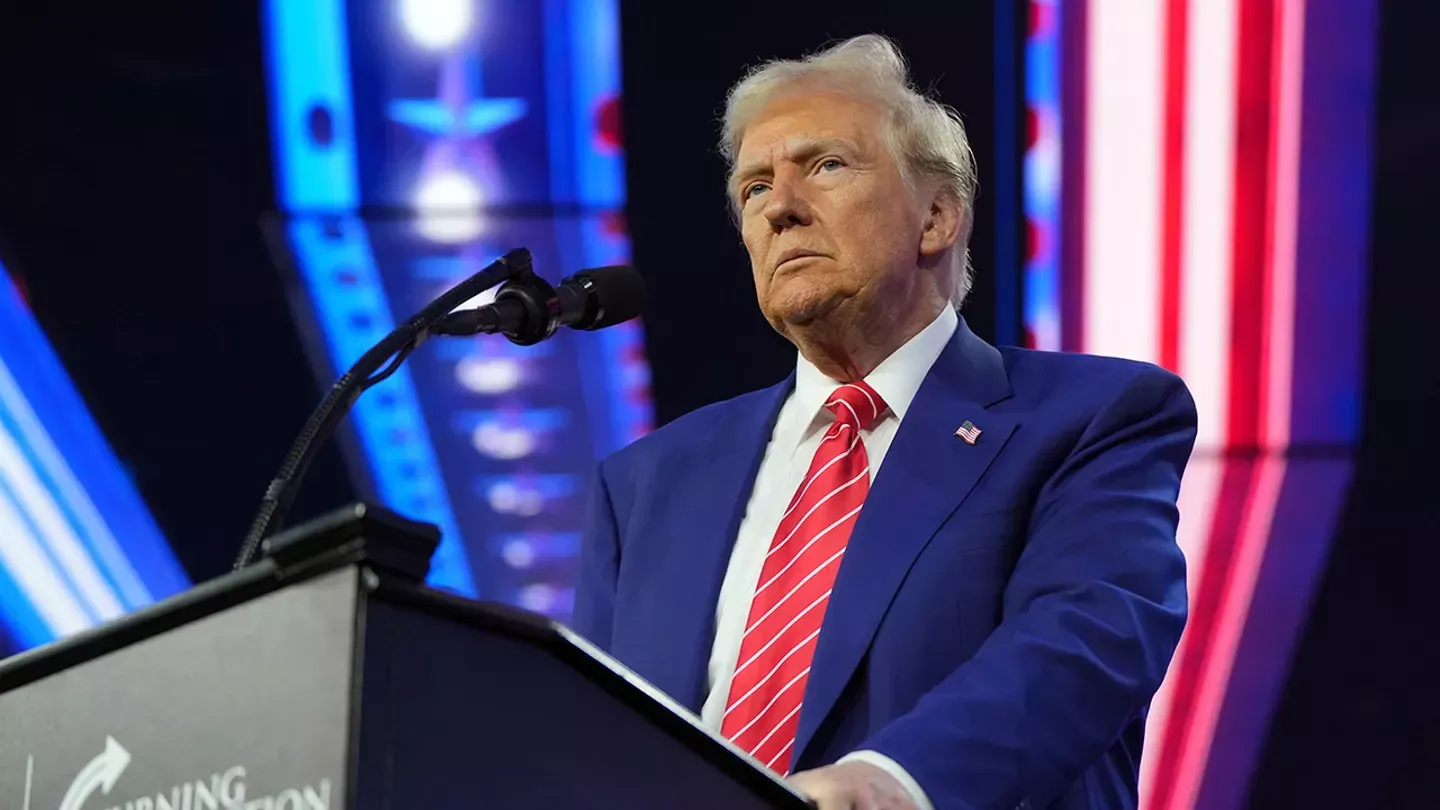
Trump rescinded 78 of Biden's orders, withdrew the US from the Paris Agreement on climate, left the World Health Organization, abolished remote work for civil servants and banned new hiring except for the military and national security-related professions, pardoned rioters from the Capitol on January 6, 2021, rescinded Biden's sanctions on Israeli settlers in the West Bank, declared a state of emergency on the border with Mexico and sent the army to prevent the entry of illegal migrants and ordered their deportation, allowed oil and gas extraction across the country, declared Mexican drug cartels terrorist organizations, returned Cuba to the list of states sponsoring terrorism days after Biden removed it, issued an order that there are only two genders (male and female), postponed the ban on TikTok for 75 days, facilitated investments in artificial intelligence and cryptocurrencies, declassified documents on the assassinations of John F. Kennedy, Robert Kennedy, and Martin Luther King...
Who are Allies, and Who are Enemies?
Trump did not stop there. He continued to send threats to allies around the world to fulfill their obligations to Washington or face tariffs and other impositions. This particularly applies to Canada, but also to some other countries.
Those who rely on Washington's predictability have followed the statements of long-time senator and current Secretary of State Marc Rubio. He previously spoke about how the US should approach Brazil, which is developing increasingly better relations with China, saying that sanctions are becoming less effective. According to him, Brazil and China will conduct their mutual trade in their national currencies within a few years, so sanctions on their use and transactions in dollars will mean nothing to them.
Trump's special envoy for special missions, Richard Grenell, triumphantly wrote on social media X on Monday that "diplomacy has returned," announcing his meetings with Venezuelan government officials. Venezuela is under US sanctions but has oil that Trump wants. "When I left, Venezuela was ready for collapse. We would have taken it over. We would have gotten all that oil, it would have been right there," Trump said in 2023, referring to the sanctions he imposed and when he advocated for a military option against Caracas.
Trump insulted Mexico by renaming the "Gulf of Mexico" to the "American Gulf" and threatening tariffs and mass deportations of migrants from third countries. After sending the army to the border, Trump will demand that Mexico, and perhaps Venezuela, accept migrants he deports. The deportation plan will be complicated by domestic resistance. Trump has warned local authorities not to resist.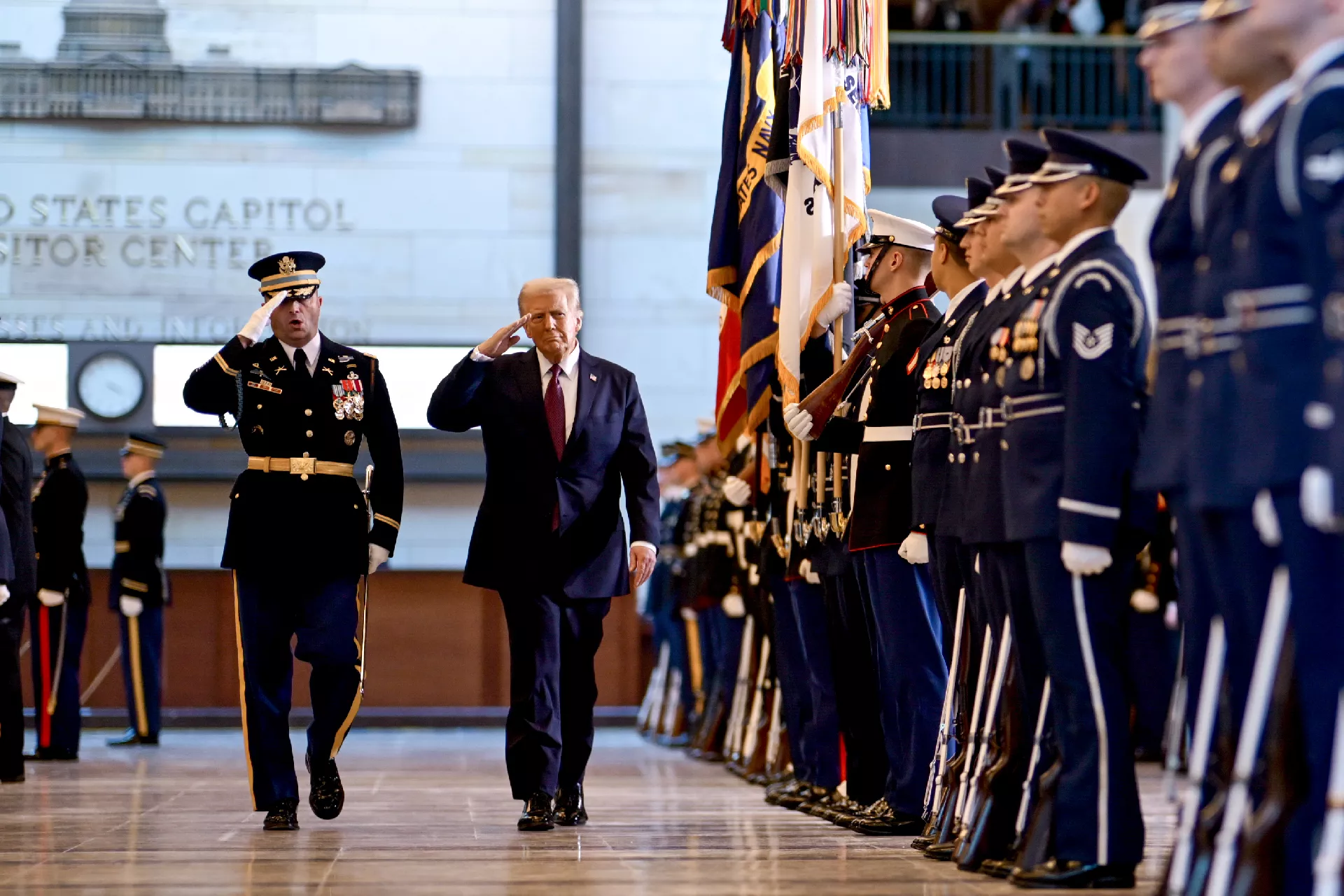
Some, however, have noted that he has softened his stance on migrants, saying he would allow them to work under the H-1B immigration program and that he has used such workers in his companies, even as waiters. This is also the stance of big American capital, which wants skilled workers, and who often cost less than domestic workers. Trump's supporters will surely not like this.
Everything suggests that Trump will first focus on the United States and its economy, then on its neighbors, especially due to China's strengthening. Then, he will help Israel, create alliances of leaders around the world who will follow him, due to conviction, fear, or dependence on Washington. Argentine President Javier Milei says he will follow Trump along with several right-wing figures from around the world, and Saudi Arabia announced yesterday that it will invest $600 billion in the US over the next four years, just a day after Trump said he would visit the country if they spent $450 to $500 billion on US products.
Economy and China, Isolation or World Power
Trump believes that China can only be stopped by strengthening its own economy, which is why he wants to open all kinds of businesses in the United States. Yesterday, he called on countries to open manufacturing plants in the United States or they will pay taxes on imports.
China is an obsession for US officials. Deputy Secretary of State in the Biden administration, Kurt Campbell, said in mid-September that China is "the most significant challenge in our history" and that the country is a greater challenge than the Cold War. "It's not just a military challenge, it's comprehensive. It's the Global South. It's in technology," said Campbell, who is believed to be the architect of US policy towards China for the next fifteen years.
In line with this, the issue of TikTok is also being resolved. During Biden's administration, the Chinese company ByteDance was ordered to sell TikTok or it would be banned in the United States. Trump wanted to ban TikTok in his first term, but later opened his profile there to reach young voters. This week, he said that many wealthy individuals had called him about TikTok, confirming interest in buying the company. Chinese owners have so far refused to sell, relying on the US constitution and laws.

The plan to curb China is hindered by the war in Ukraine. Trump promised in his campaign, and failed to deliver, to end the war even before entering the White House. In its approach to Ukraine, Washington is testing European allies, the status of NATO, and relations with Russia. Therefore, messages from the European Union that they expect cooperation from Washington, not unilateral actions, are not surprising.
Although Trump is largely aiming for economic isolationism, politically, the United States cannot afford it if it wants to remain the world's greatest power. The question is whether Trump will manage to find a balance between economy and politics, or which issues he will prioritize.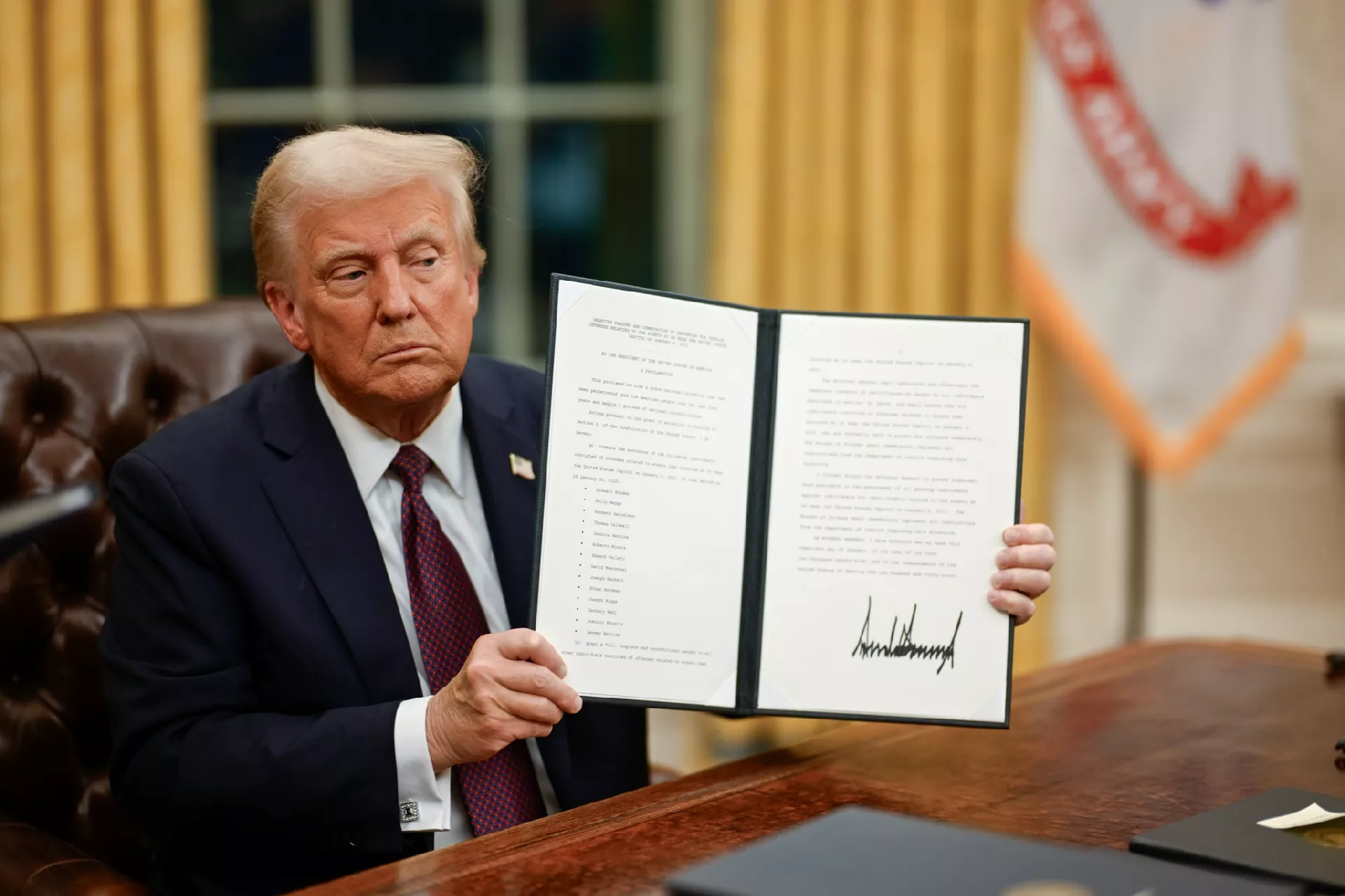
It is difficult to believe that he will achieve his vision on all fronts, just as he failed to do so in his first term. The cooler-headed part of the American political elite will decide whether to continue being a power that other countries want to follow, or a power that they follow out of fear and lack of better alternatives.
Komentari (0)
Prijavite se za komentiranje
PrijavaJos nema komentara. Budite prvi!
Minuta
Sve →Iz drugih kategorija

High Representative Not Elected: Germans, French and British Sabotaged Americans, New Attempt at End of June

ČOVIĆ WITHOUT MERCY: How Those Who Brought Ademović to Office Created a Political Hell for Him



Sunny Saturday, quite warm



Tragedy in Albanian resort: Two minors drown












