
By: Armin Sijamić
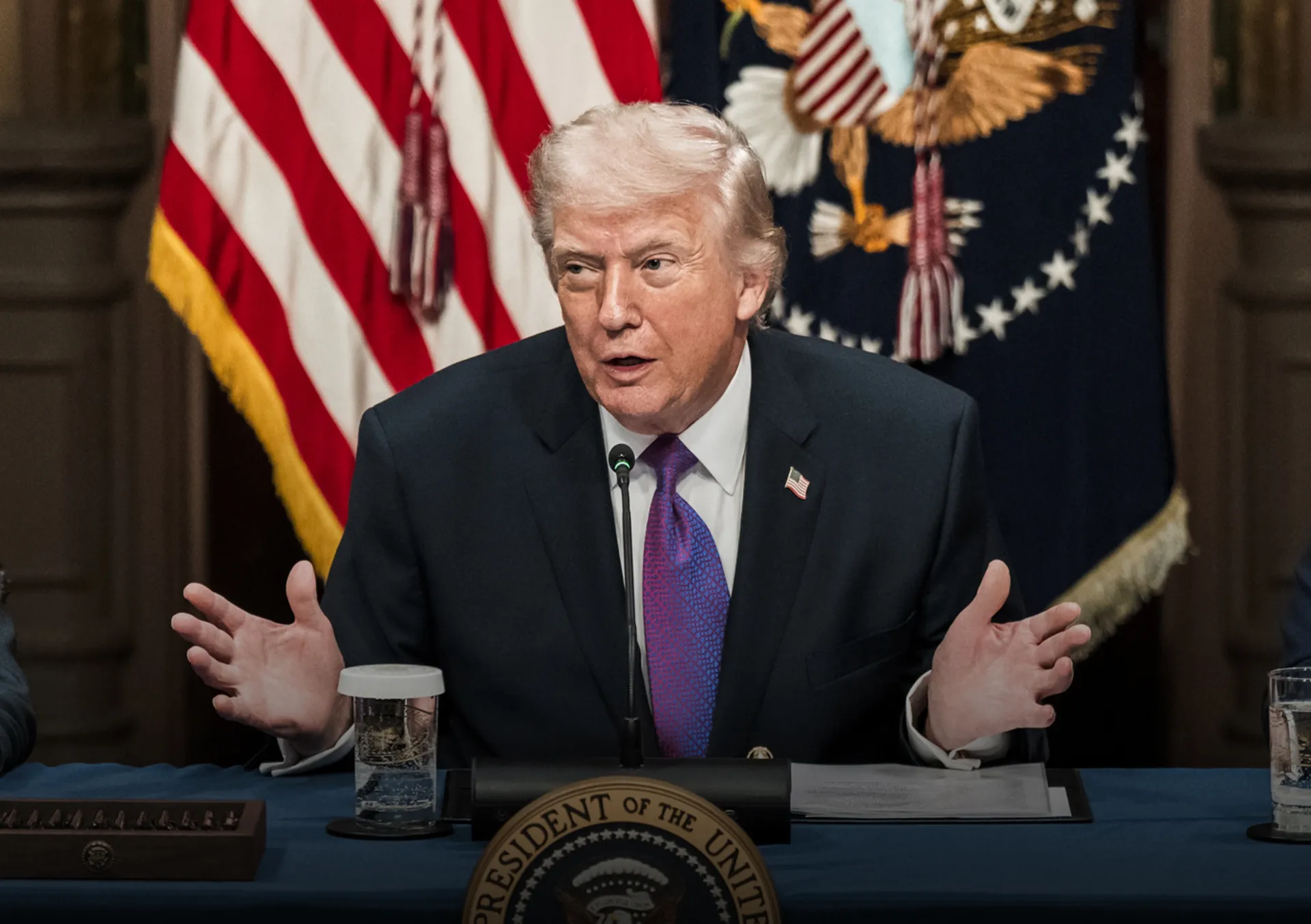
US President Donald Trump has been consistent in one thing throughout both of his terms – the European Union is not friendly enough towards Washington, and that must change.
However, the word friendship in Trump's case requires an explanation, or rather a clarification, because he does not mean cooperation based on trust and mutual interests. For Trump, friendship means a relationship in which the United States always emerges as the winner and the one leading all processes.
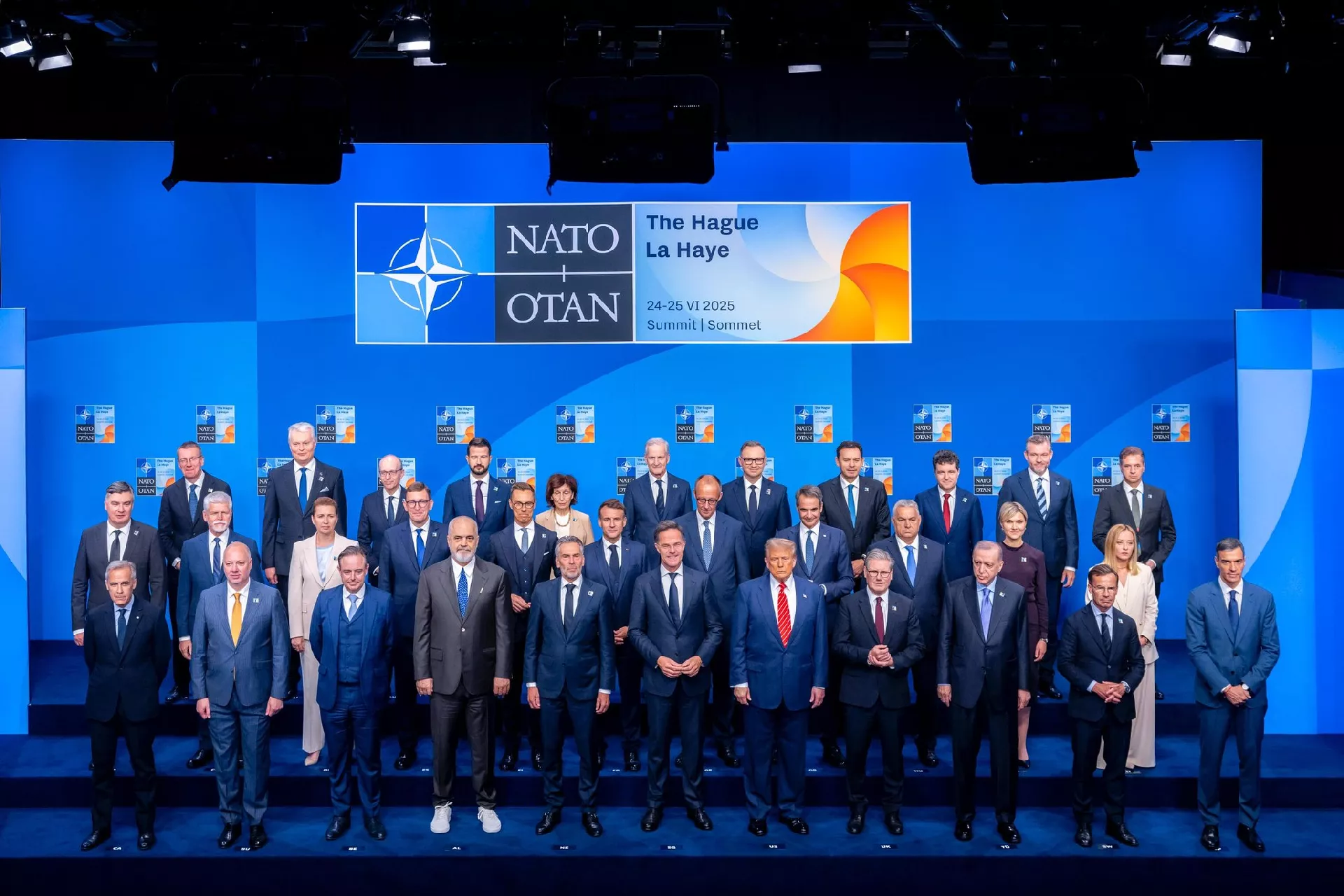
Trump cannot be entirely blamed for this. Some things caught him by surprise when he entered the White House and harmed his efforts to reform the world's greatest power. For example, the United States provides enormous financial resources for the military protection of many European countries, which they will acknowledge by deciding to increase their defense spending in accordance with the NATO agreement.
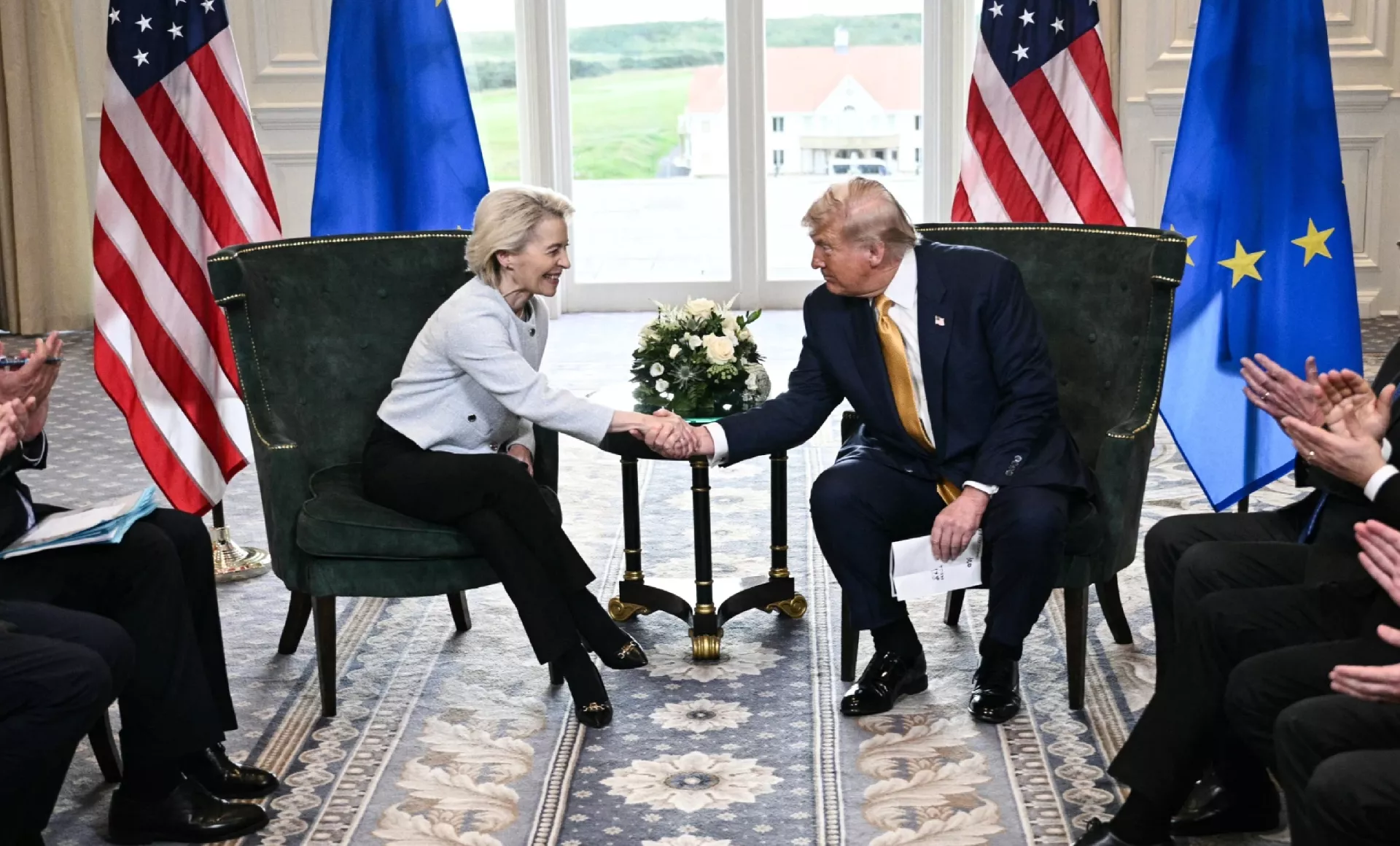
The European Union, aware of the importance of the United States for overall relations on the European continent, also understood the message and tried to meet Trump's wishes. The trade agreement fulfilled all of Trump's demands, likely at the expense of the European side.
From Cars to Energy Sources
Trump was not satisfied with this either. He now accuses the European side of not adhering to that agreement and, in retaliation, threatens with 25 percent tariffs on imported European cars. Europeans responded that they are adhering to the agreement and will introduce countermeasures if Trump increases tariffs.
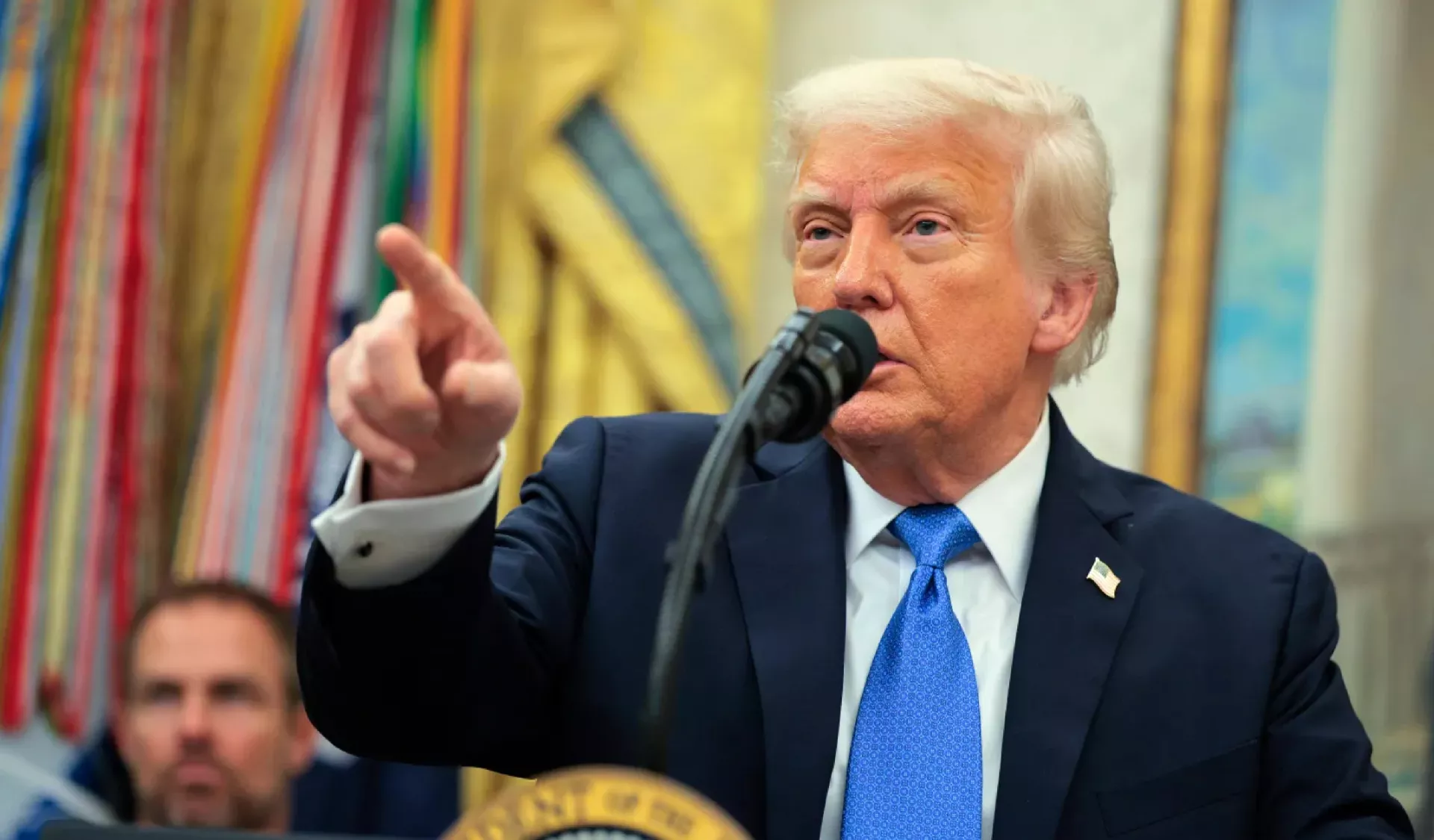
Convincing Trump, or rather winning an argument with him, is a futile endeavor. His public appearances, especially his addresses on social media, seem to have the main goal of reminding everyone else that the president of the world's most powerful nation is ready for anything.
However, in explaining why he wants to impose new tariffs on European car manufacturers, Trump mentions a very important point that partly explains his behavior. In a social media post, he stated that numerous car and truck factories are being built in the United States. He estimated the value of these projects at over one hundred billion US dollars.
The reindustrialization of the United States is no longer a distant dream. In a short time, Trump has transformed the United States into an energy superpower, a leading exporter of all types of energy sources, and someone who can sell coal, oil, and natural gas. His attacks on Venezuela and Iran are part of his effort to dominate the largest share of energy resources needed by other countries.
Energy sources power the world and are important to both producers and consumers. Trump now holds a significant percentage of the world market in his hands, and the question is how he will manage it.
His relationship with Russia, peace negotiations with Iran, and policy towards China should be viewed in this context. Of course, this also includes the European Union, which has imposed sanctions on Iran and Russia, and the closure of the Strait of Hormuz has reduced its access to energy resources from Arab countries.
Some believe that Trump's threats to the European Union with new tariffs are, in fact, a threat that he will take more drastic measures if the European side does not agree to procure energy resources under American terms. Reaching such an agreement at current prices would bring enormous revenues to the American side, even if it acts as an intermediary in the resale of Venezuelan or Russian oil.
From Military to Geopolitical Importance
The fact that such a thesis is not entirely wrong is shown, at least in part, by Trump's confrontation with German Chancellor Friedrich Merz, who recently said that Iran is "humiliating" the entire American nation in negotiations with the American side.
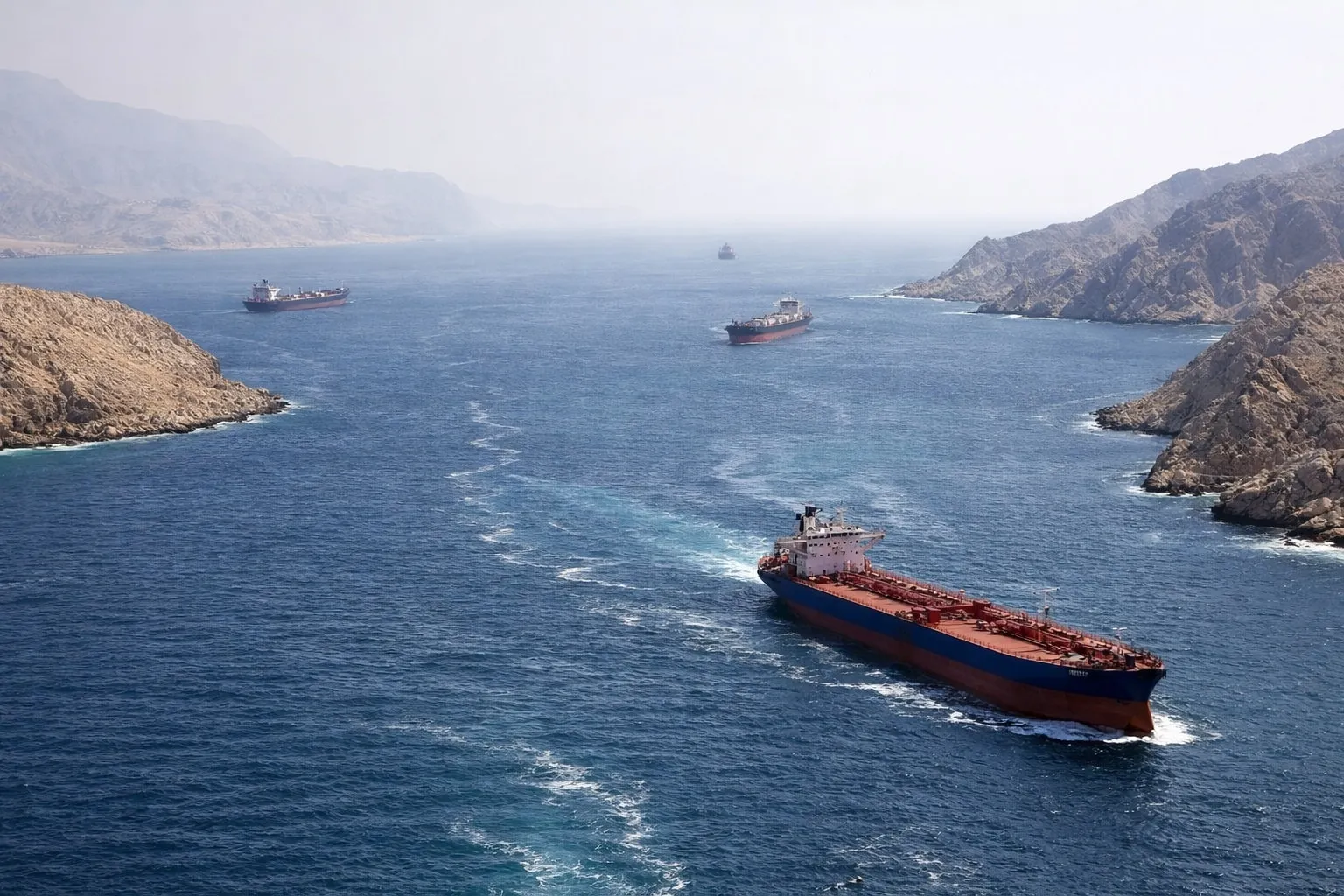
Merz's statement has little to do with Iran as such. It seems that Merz was indirectly targeting the idea that a kind of global energy map is being drawn in US-Iranian negotiations, and that the European side is not present at that table.
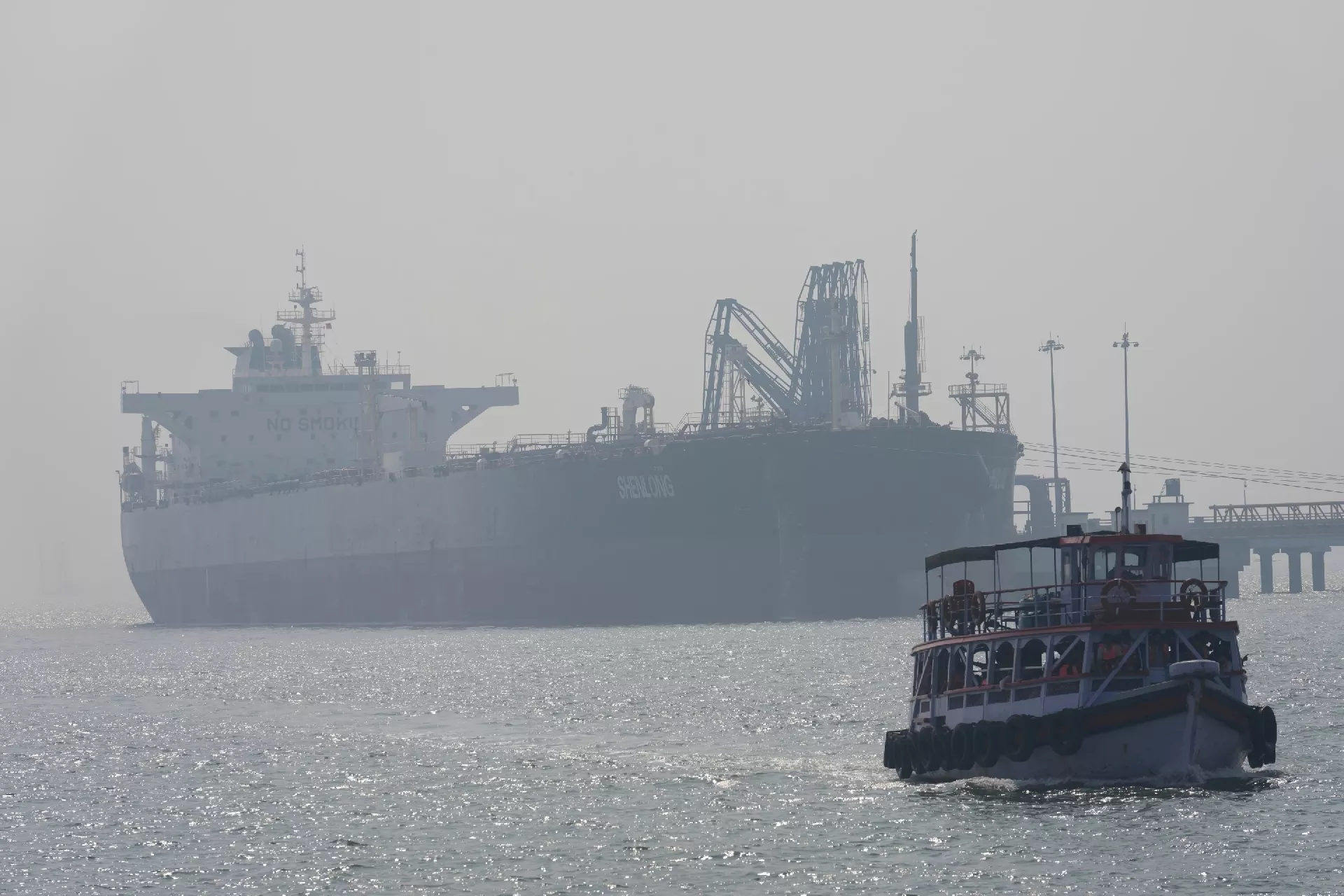
Trump's response was swift. In addition to the standard disqualifications of his opponents as "terrible" at their jobs, Trump also responded by reducing the number of US soldiers in Germany, and then announced that this might happen elsewhere, in Italy or Spain, for example.
This move by Trump is also a warning of what could happen. The reduction of US troops in Europe is expected, and such plans have existed for a long time. In addition to US soldiers being needed elsewhere by the US leadership, it also fits into the policy of cost reduction, modernization of combat systems, and strengthening European allies in accordance with the NATO agreement. The US military, in line with its plans, is undergoing reorganization and repositioning.
However, Trump's announcement of withdrawing US troops from European countries was pompous and was one of the main news stories in Western media for days, because if this trend continues, the logical question is where it is leading and what Europe will do without American military assistance.
Europeans are divided on this issue. There is no doubt that among NATO members, there are those who want less American influence in Europe, and there are those who trust Washington more than Brussels. In some countries, such loyalty to Washington stems from historical reasons, i.e., the fate of their countries under the German, Russian, or some other boot.
American strategists know this, and Trump's messages are directed at both groups. Simply put, Trump is telling Europeans that it is time to align with Washington and that there is no time for debates and blockades, which the European Union has witnessed for decades.
Unlike previous US administrations, Trump now demands unquestioning obedience, which for the purposes of domestic politics can also be called friendship and alliance.
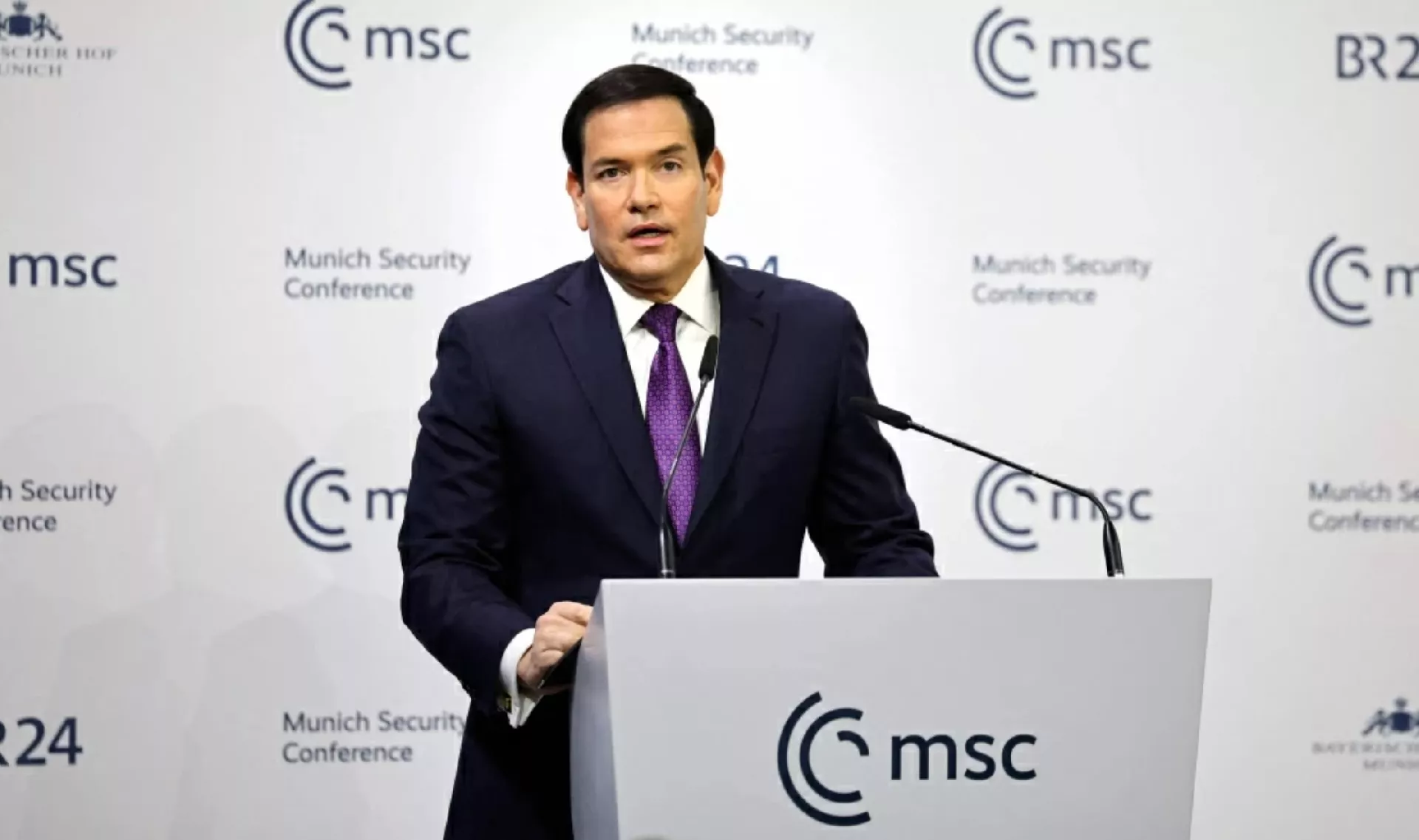
Such an approach by Trump will face criticism, and one of the main arguments will likely be that NATO benefits the United States beyond the military sphere. And they would be right. However, American strategists are now calculating that the United States controls a good portion of energy resources, that Russia is now an enemy of almost all European countries, and that the Middle East, after the war against Iran, is no longer so close and may become even more distant if Tehran manages to maintain the current balance of power.
Komentari (0)
Prijavite se za komentiranje
PrijavaJos nema komentara. Budite prvi!
Minuta
Sve →Iz drugih kategorija

High Representative Not Elected: Germans, French and British Against Americans, New Attempt at End of June

ČOVIĆ WITHOUT MERCY: How Those Who Brought Ademović to Office Created a Political Hell for Him



Sunny Saturday, quite warm



Tragedy in Albanian resort: Two minors drown












