
By Armin Sijamić
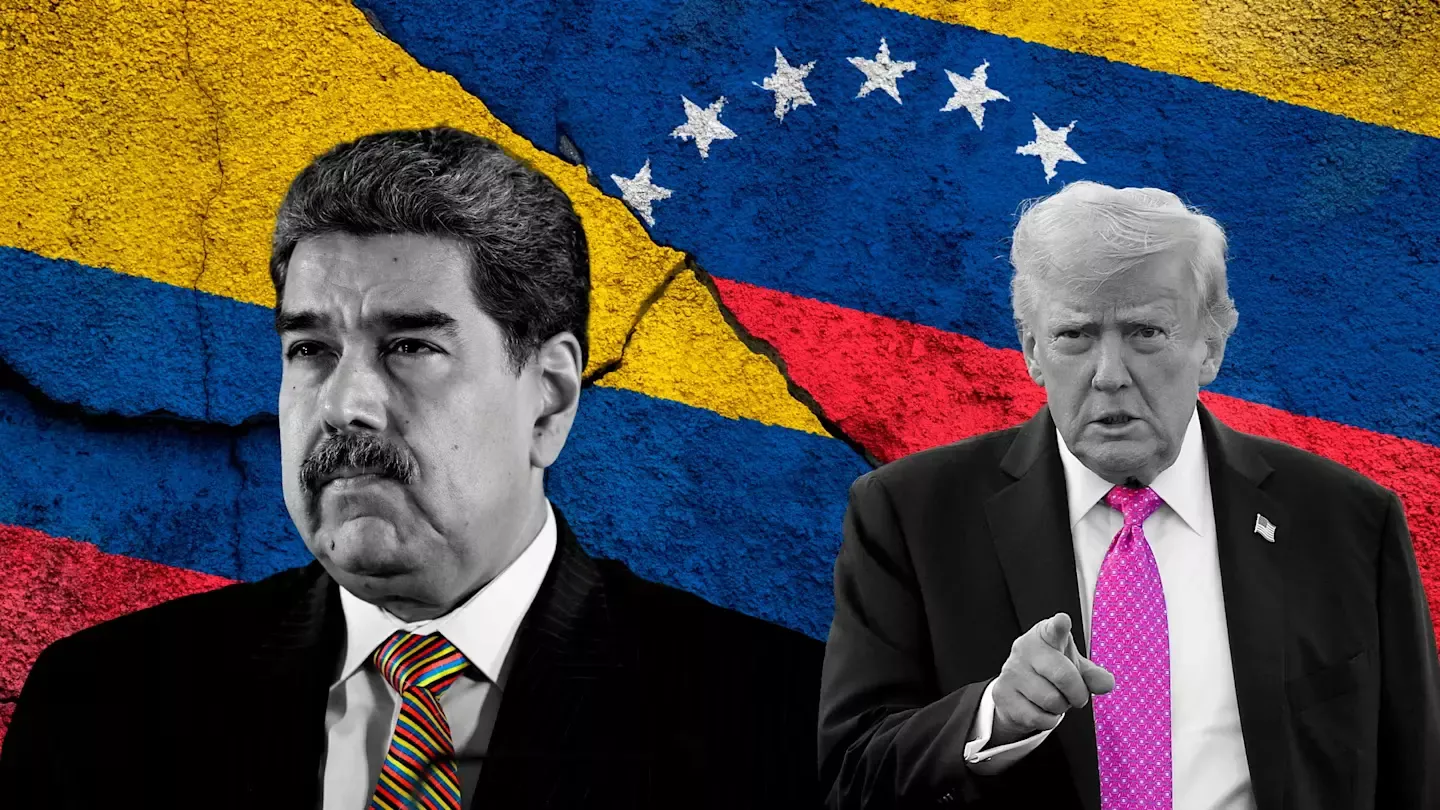
The decision of US President Donald Trump to forcibly remove Venezuelan President Nicolás Maduro Moros from power on January 3rd of this year has opened numerous questions, but also provided one answer – the current occupant of the White House does not shy away from any means to achieve his goals, and he does not hide it.
“I don’t care what the United Nations says,” said US Secretary of State Marco Rubio earlier this week, defending the decision to abduct Maduro from Caracas on drug trafficking charges. This was his response to a journalist’s observation that various UN findings do not link Maduro to drug trafficking.
Rubio’s statement, although the secondary issue here is whether Maduro trafficked drugs, is an answer to all those who rightly claim that international law was violated by this American operation. The president of a foreign country is being tried in New York under US laws, and that says enough about what the Trump administration thinks of international law.
But even that “formality” had to be carried out in the grand game of removing undesirable regimes in the “American backyard,” where Trump, according to the Monroe Doctrine, plans to do as he pleases, aware that containing China must begin at America’s borders.
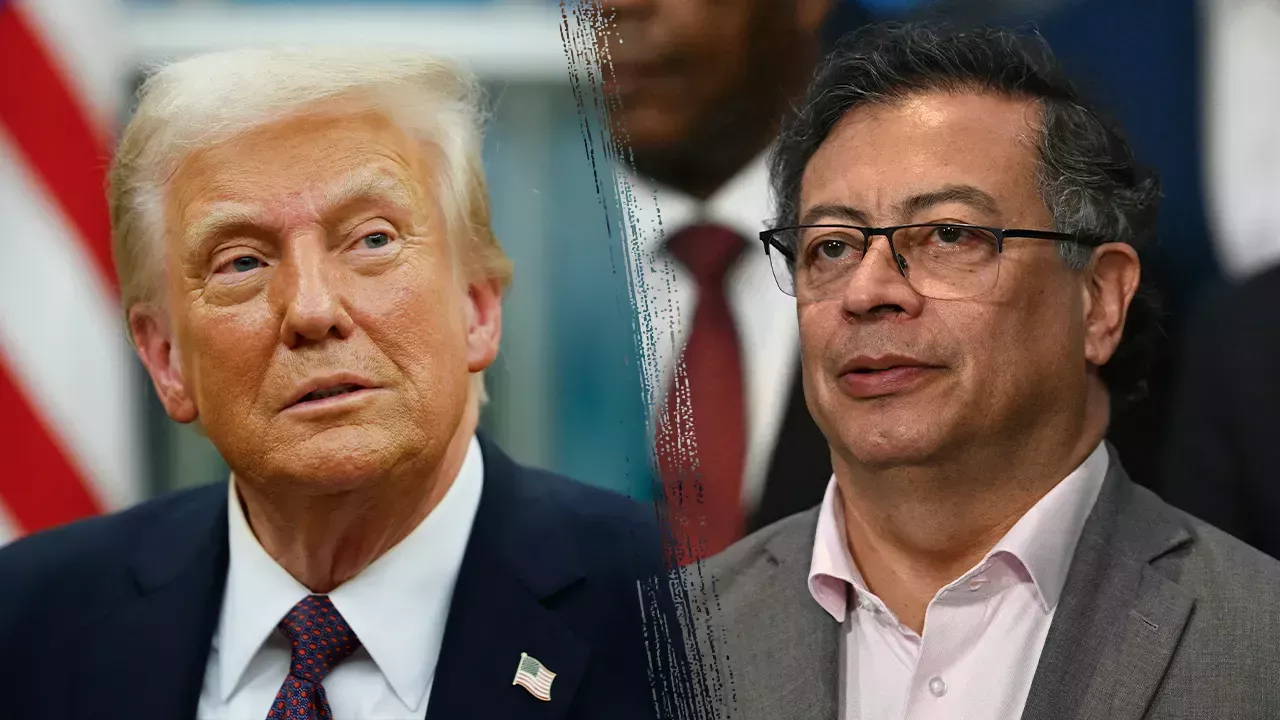
Who (gave up) Maduro?
After Rubio confirmed, which was already clear, that the current US administration does not care about international law if it prevents the United States from achieving its interests, another important question should be addressed – how did Maduro fall?
Venezuelan and American media, and numerous others in Spanish and English, are trying to reconstruct what happened four days ago in Caracas and how Maduro, as president of the country and a protected person, fell into the hands of the US military, which has been threatening attacks on his country for weeks.
The public will get an answer to this question sooner or later, as some witnessed the event up close. When we get the details, it will be clear whether the Venezuelan military and police leadership is unimaginably incompetent or if corruption flourished even among Maduro’s personal guards. At this moment, both options seem possible, as Maduro has shown for years that his government is not capable of even simple tasks, while corruption has been widespread.
Maduro, such as he is, has become an easy target for Washington, which has been trying to break the government in Caracas for decades. Sanctions, a naval blockade, assassinations of people off the Venezuelan coast, a media campaign, arrest warrants for government officials... are just part of the operations undertaken against a country that refused to bow to official Washington.
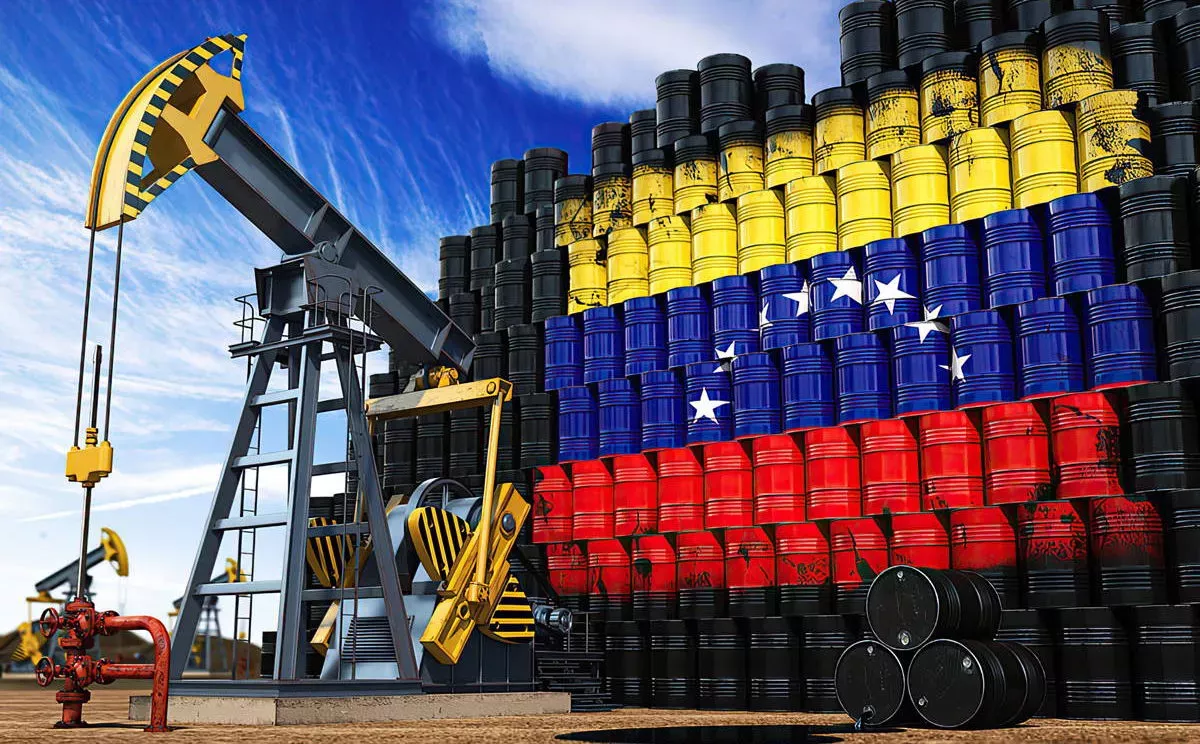
Since Trump's first term, as he has stated many times, American interest in Venezuela stems from its oil, and then because China, Russia, Cuba, and others have a foothold there.
To get the oil, Trump removed Maduro. Trump could not reach an agreement with Maduro as he wished, so he simultaneously played on other players in Venezuelan politics.
Observers of the situation in Venezuela know that there are four main factions within the government. Besides Maduro and his family (wife and son), the other three are Interior Minister Diosdado Cabello Rondón, Defense Minister Vladimir Padrino López, Maduro's Vice President Delcy Eloína Rodríguez Gómez and her brother Jorge Jesús Rodríguez Gómez as head of the national parliament. According to previous media reports, all of them have negotiated with Washington on various occasions.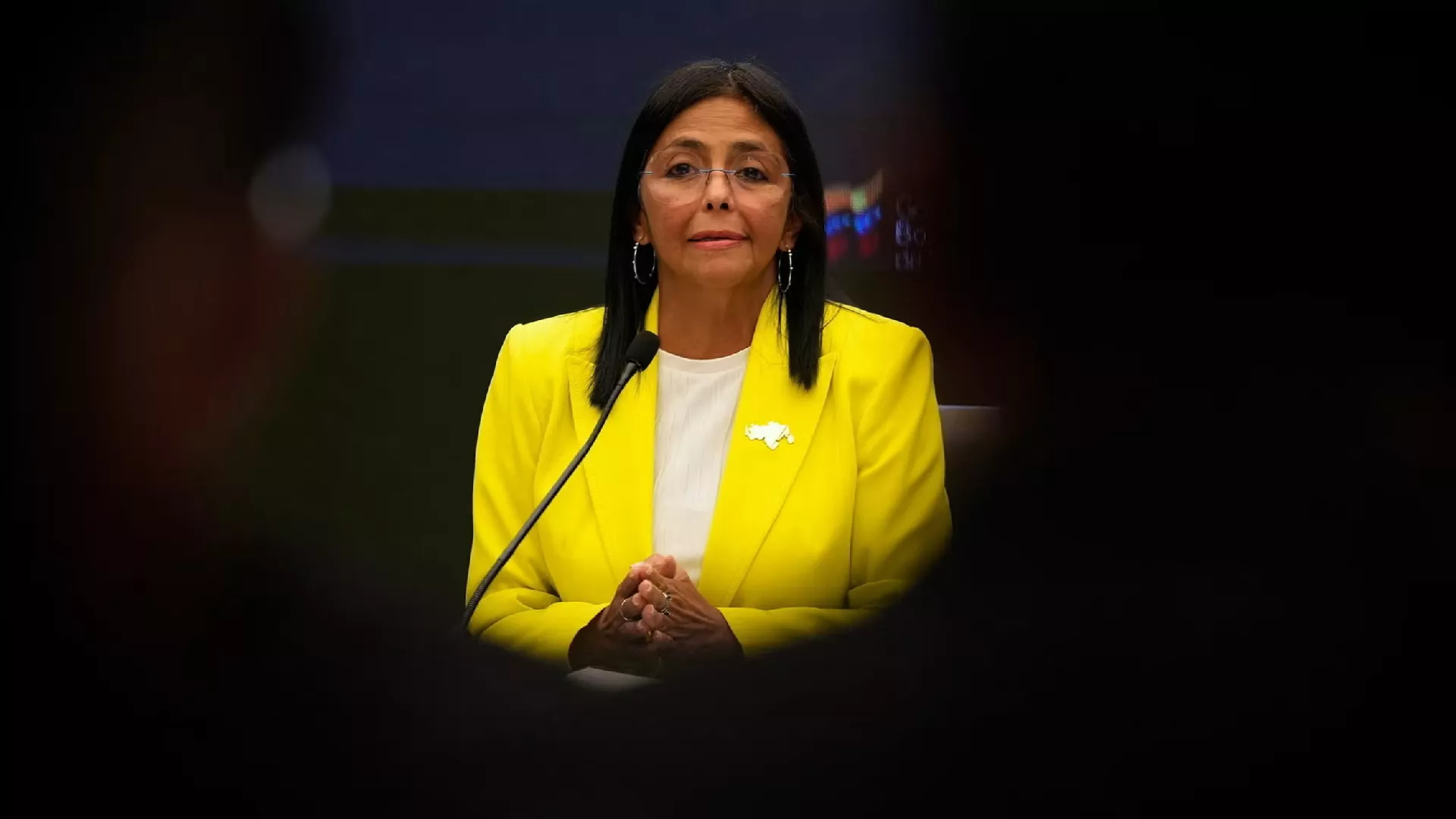
Delcy Rodríguez
Agreement while Trump tightens the noose
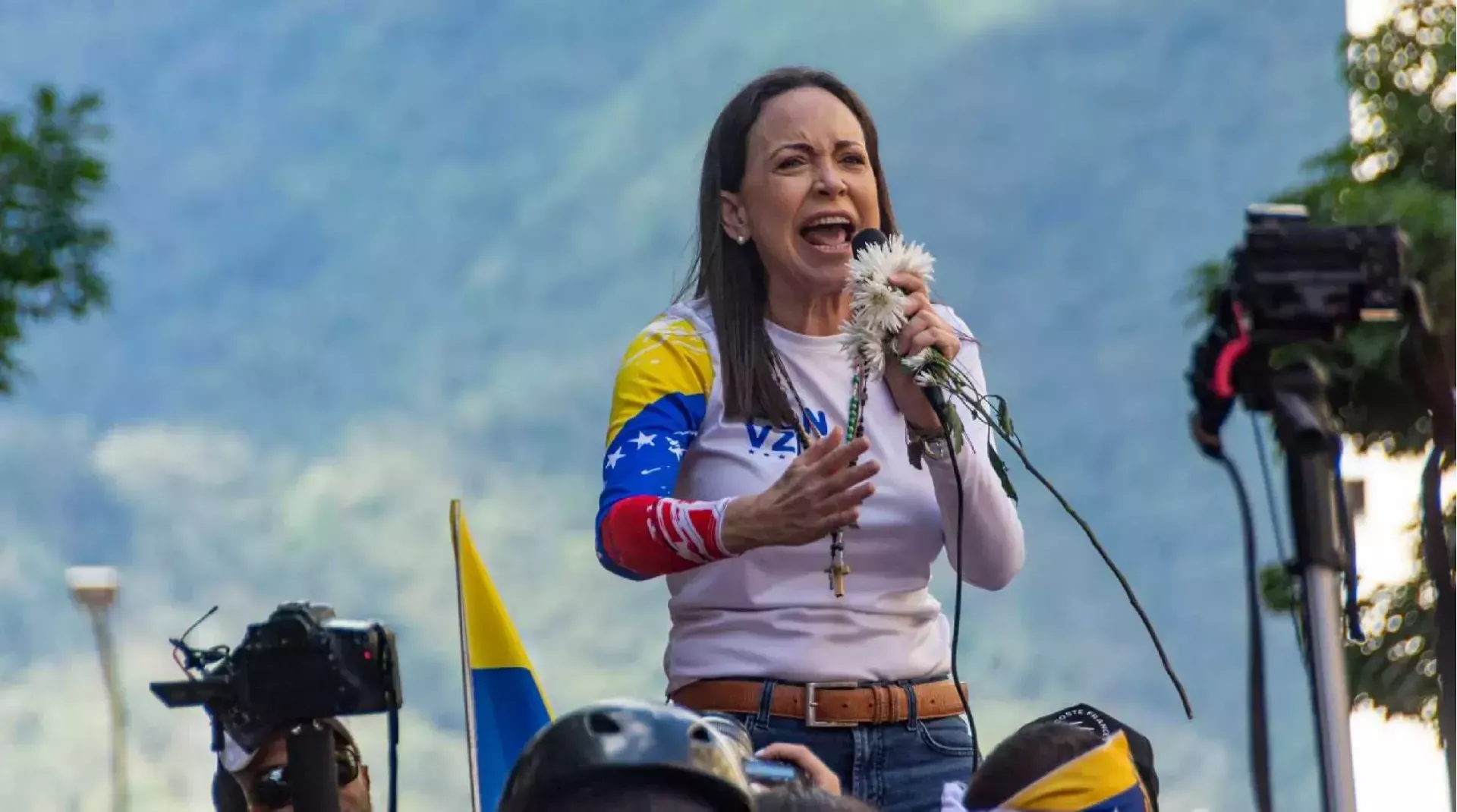
By removing Maduro, although his son, who shares the same name as his father, remained in Caracas, the number of possible combinations in the "game of thrones" has decreased. The fact that Trump is not counting on the opposition, as he stated when he dismissed the possibility of Nobel Peace Prize laureate María Corina Machado Parisca taking power in Caracas, says enough about how much support the opposition enjoys in a country against which they called for foreign military intervention and ultimately received it.
Trump seems to have chosen Rodríguez as a counterpart, as Cabello and Padrino had previously shown that they could not deliver what Washington demanded of them. The role of these two in the US military's incursion into Venezuela is one of the more important questions for a complete picture. Security experts agree that such an American incursion would not have been possible without inside help. Cuban media report that 32 Cubans protecting Maduro were killed that night, and Caracas says about twenty Venezuelan soldiers died.
It was previously suspected that Rodríguez might have been a possible counterpart for Washington even before January 3rd. For example, the right-wing Spanish newspaper El Mundo wrote about her on December 25th as a person who should carry out the "transition from Maduro's dictatorship to democracy." This somewhat bizarre article discusses her actions in Venezuelan politics, as head of diplomacy and vice president of the country, her education, knowledge of foreign languages, but also as a woman whom many men could not resist. The author of the article claims that Delcy Rodríguez drew some of her power in politics from love affairs with rich and powerful people.
However, things can be viewed differently, or the aforementioned understood as part of an intelligence and propaganda war. With Maduro removed, the country has not plunged into anarchy. The constitution states that in the absence of the president, power passes to the vice president, who calls for elections within a month. Delcy Rodríguez thus became acting president and took the oath before her brother Jorge. During the swearing-in ceremony, she also swore to her brother that she would do her best in the interest of Venezuela.
Trump's decision to support Rodríguez is therefore a logical choice, even if no agreement with her exists. The American side understands that the current government in Venezuela has great power, or more precisely, the power is not tied to a single person, especially not from the opposition. Developing democracy, as Venezuelan socialists see it, the system is built to reach every village and every street. Citizen groups represent a kind of mini-government in a certain area, and through a system of delegation, the network narrows in Caracas but also operates independently. For weeks, Maduro has been arming government supporters. Such a system has given many certain privileges.
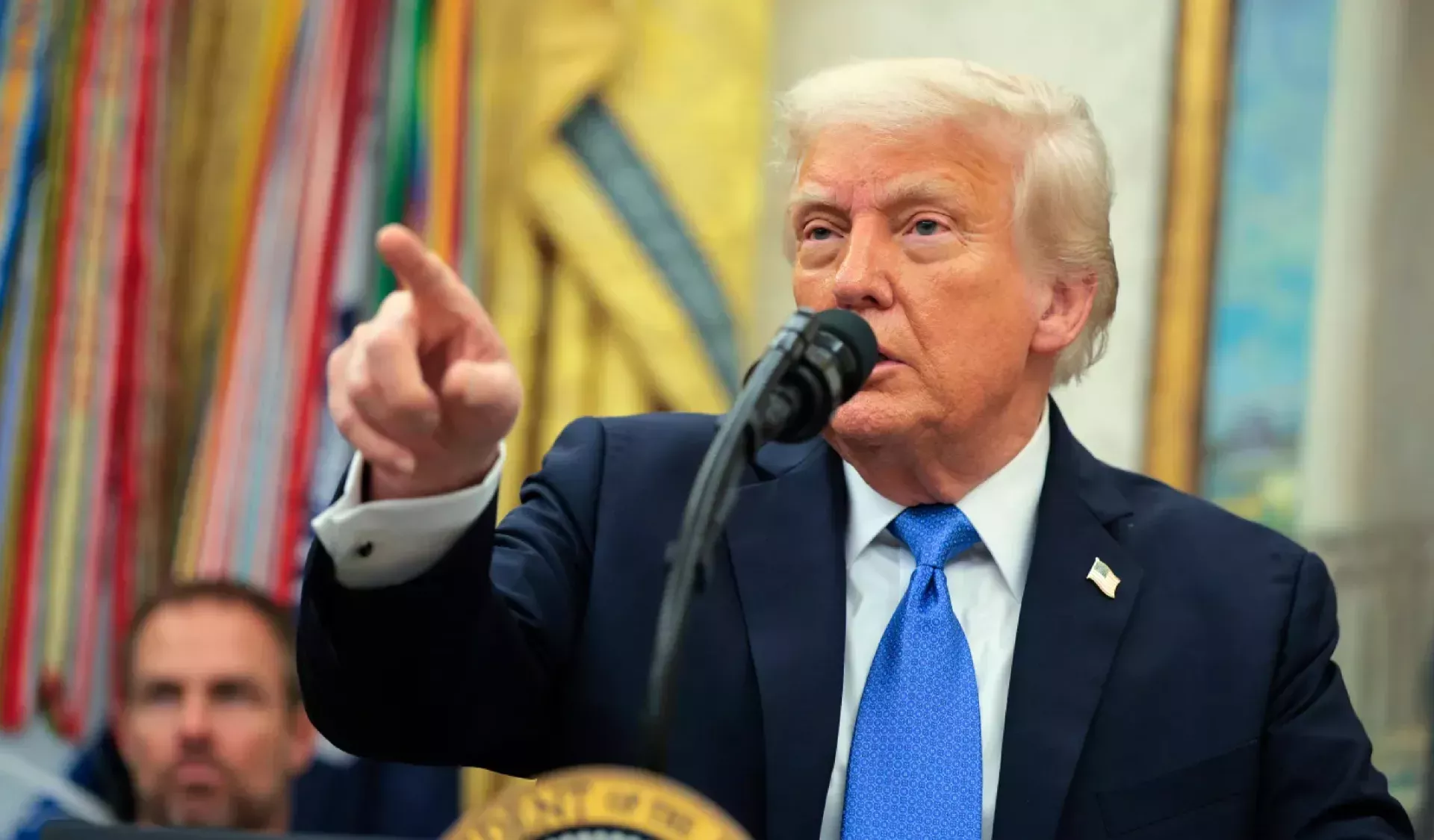
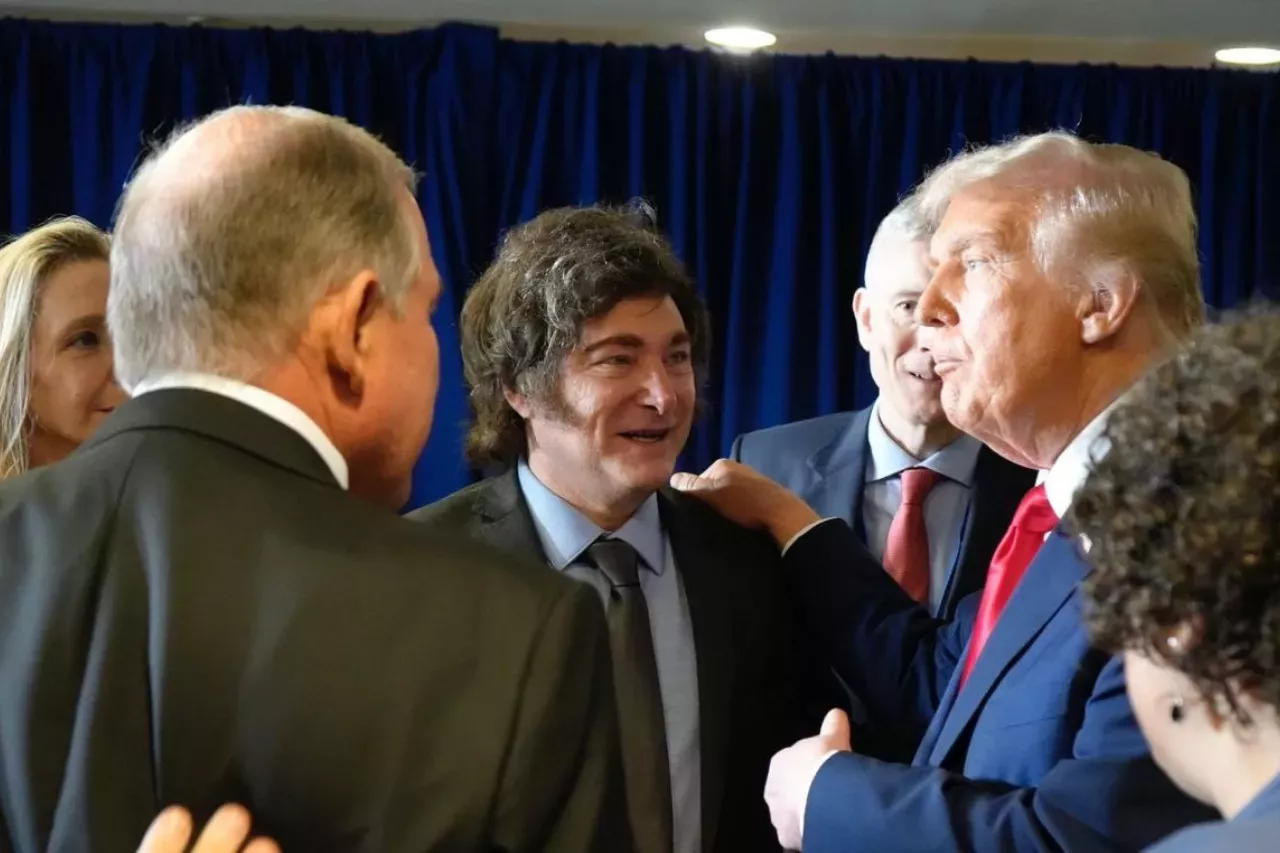
Although Trump has removed Maduro from the game, the job is not finished. Trump has not ruled out new military attacks, while the naval blockade and sanctions remain. This gives Trump the ability to tighten the noose around Venezuela, forcing official Caracas to obey. This means that anyone who comes to Miraflores must understand that the same thing that happened to Maduro could happen to them. Trump could thus get an opportunity to choose the Venezuelan government, if other options fail, through economic aid and political support in elections, similar to Javier Milei's recent election victory in Argentina.
On the other hand, Delcy Rodríguez now has little room to maneuver. Venezuela's allies in this crisis have not positioned themselves well, which was to be expected, given that none of them see Maduro's departure as a tragedy, and if we consider the well-known Mexican saying that "God is so far away, and the United States is so close." Simply put, Maduro was not up to the task he held, but he had supporters on the platform established by Hugo Rafael Chávez Frías. Therefore, it is more important for Venezuela's allies that the system survives, which is geographically distant for many, rather than Maduro's government.
And that is one of the few cards the president can play if she wants to maintain Caracas's current political course and does not want to reach an agreement with Trump – to rely on what falls under "Chavismo," since "Madurismo" has nothing to boast about. These days, many in Venezuela and across Latin America remember Chávez and his efforts for Venezuela to govern itself, while Trump declares that in the "American backyard," only Washington decides.
Komentari (0)
Prijavite se za komentiranje
PrijavaJos nema komentara. Budite prvi!
Minuta
Sve →Iz drugih kategorija

High Representative Not Elected: Germans, French and British Against Americans, New Attempt at End of June

ČOVIĆ WITHOUT MERCY: How Those Who Brought Ademović to Office Created a Political Hell for Him



Sunny Saturday, quite warm



Tragedy in Albanian resort: Two minors drown












