By Armin Sijamić
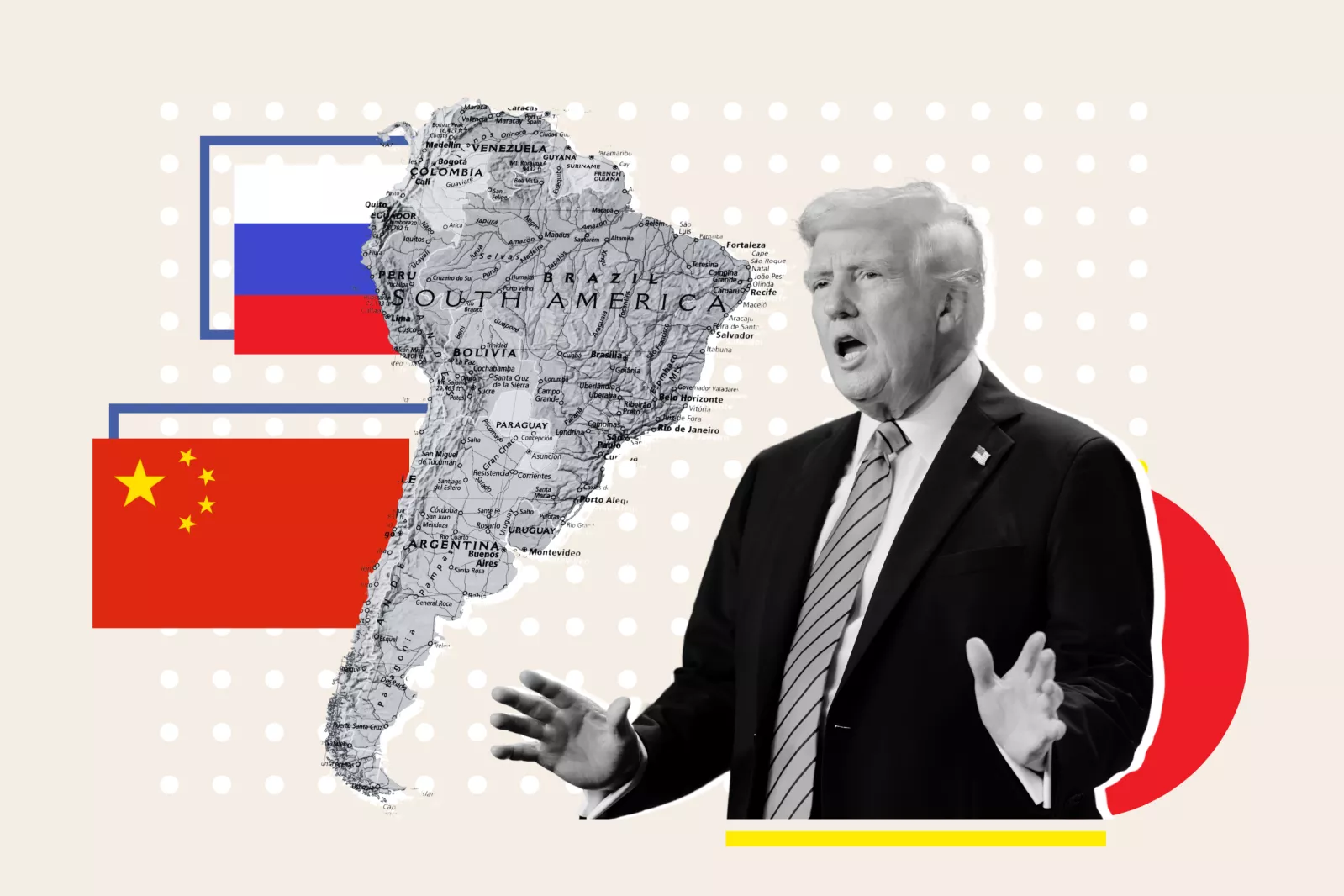
After almost two decades, Bolivia will not have a leftist and anti-American government. This is a gift that US President Donald Trump could use in his showdown with China and significantly strengthen American positions in Latin America and around the world.
In the shadow of news related to Venezuela and Latin America, where Trump is overthrowing the government of Nicolás Maduro Moros, a drama has been unfolding for months, the end of which has been known for weeks.
On Sunday, in the second round of presidential elections in Bolivia, centrist and American student Rodrigo Paz Pereira from the Christian Democratic Party (PDC) won, securing 54.5 percent of the vote. The defeated Jorge Fernando „Tuto“ Quiroga Ramirez, who formally stands to the right of the newly elected president and was the candidate for the Free Alliance (LIBRE), won 45.5 percent of the vote. Thus ended the electoral race for a five-year term, which began on August 17.
What will happen in Bolivia in the time to come is more significant than the first round of elections than the second, which featured two similar candidates. The decade-long division between left and right guaranteed elections offering two completely different political programs.
Indeed, the Bolivian leftists were defeated before the elections even began. The current Bolivian president, Luis Alberto Arce Catacora, clashed with his mentor and former Bolivian president Juan Evo Morales Ayma over who would lead the Movement for Socialism (MAS), the party that has united the poor, peasants, farmers, and indigenous Bolivian peoples for decades.
Arce managed to retain control of MAS, or rather, what was left of the movement. Young minister Eduardo Del Castillo Del Carpio was his presidential candidate, and Morales called on voters to boycott. Only three percent of the votes for the MAS candidate and sixth place in the first round of presidential elections – the worst defeat for Bolivian leftists in decades.
For Washington, the second round was a formality
Paz will take office on November 8, becoming the third member of his family to hold that position, including his father who was president from 1989 to 1993.
But for Washington, the race ended in the first round of elections with the defeat of the leftists. Both candidates who advanced to the second round stated their desire to move closer to the United States, or rather, to distance themselves from the policies pursued by MAS, symbolized by Morales. Paz and Quiroga have disagreements on how and at what pace to implement this distancing.
US Secretary of State Marco Rubio stated before the second round of elections that both candidates "want stronger, better relations with the United States" and added that "these elections are a transformative opportunity." After Paz's victory, Rubio said that Washington is "ready to cooperate with Bolivia on joint projects."
At the end of September, Paz presented an economic agreement with US officials worth 1.5 billion US dollars to the public, which includes the supply of fuel that Bolivia has been lacking for months due to a shortage of foreign currency to pay suppliers.
In other words, the stage was already set, and only the formal start of the play was awaited.
This victory for Washington, in the decade-long conflict with Latin American leftists and with China and Russia seeking to establish themselves in America's "backyard" – as seen through the Monroe Doctrine – is the result of the leftists' (in)action. The US and Bolivia have almost no diplomatic ties, as Morales expelled the US ambassador in 2008 and USAID personnel five years later.
By the end of 2025, Washington has gained allies in La Paz without a major fight.
Prelude to the collapse of the leftists
The defeat of the Bolivian leftists came as the culmination of policies pursued for almost two decades, with the exception of an eleven-month term starting in November 2019, by President Jeanine Áñez Chávez, who came to power after Morales went into exile.
Morales' concept of economy and politics was completely different from what Bolivia was before. The first president from the indigenous Bolivian peoples entered into a confrontation with the United States, nationalized natural resources and factories, legally protected "Mother Earth" from pollution, encouraged coca cultivation, provided subsidies to small businesses and social assistance to the poor, moved closer to China, Russia, Venezuela, Cuba, and anyone who resisted Washington. This was certainly too broad a front for the poorest country in Latin America and one of the two that do not have access to the open sea.
The culmination of the crisis for the leftist government in Bolivia occurred this year when Arce ran out of foreign currency, primarily US dollars, with which he bought wheat from Argentina, which was later subsidized to bakers to make bread whose price had not changed for seventeen years. In early August, Arce ordered bread prices to be frozen regardless of changed circumstances. In parallel, Bolivia ran out of fuel, forcing bakers to reduce the quality and quantity of their products.
Thus, in a few months, Arce's economic policy collapsed, and inflation reached a forty-year record, measured in figures of twenty to fifty percent, after being lower than in Germany two years ago, or after being just over six percent in September last year.
Under Morales, Arce was a successful finance minister, and Bolivia had impressive economic growth without relying on international creditors. However, as president, as a political leader, he did not rise to the occasion. In addition to the conflict with his former friend Morales, Arce's policy was negatively affected by the monetary and economic crisis in neighboring Argentina, whose president Javier Milei is cracking down on everything that reminds him of the left.
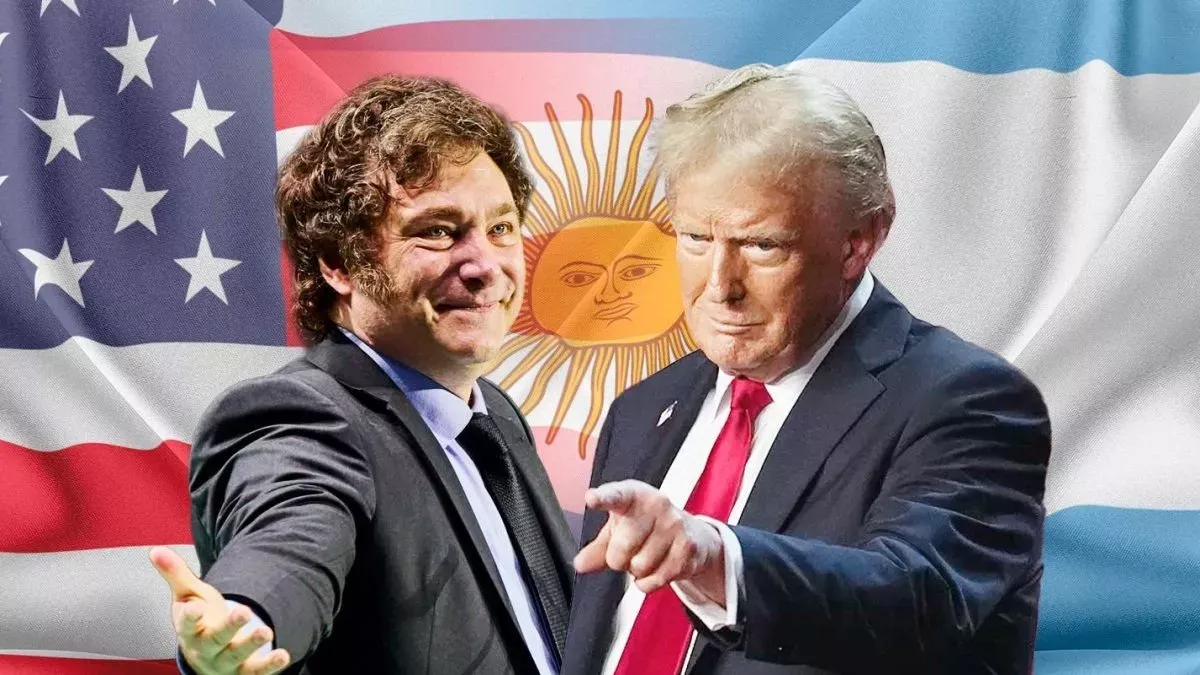
Bolivia turns a new page to Trump's satisfaction
The first measures Paz will take when he takes office in about fifteen days are not yet known. A complicating factor is that his party does not have a majority. In the Lower House, PDC has 49 out of 130 seats, and in the Senate, 16 out of 36. This will force him to negotiate with the coalition represented by Quiroga in these elections, which has 43 and 12 seats respectively in these legislative bodies. Also, the question remains how Bolivians who dislike these measures will react.
However, if Paz accepts Washington's outstretched hand, the richest country in the world has ways to quickly, at least in the short term, recover the impoverished Bolivia, if nothing else, by flooding the market of twelve million people with all the goods it lacks. In return, Bolivia can offer a lot to Washington, and not just in the showdown with Latin American leftists.
Bolivia has various resources within its almost 1.1 million square kilometers of area, and Washington is primarily interested in lithium, which is used in lithium-ion batteries found in mobile phones, electric vehicles, laptops, energy storage systems... In addition, Bolivia also has reserves of natural gas, zinc, gold, silver, lead, fertile land, forests, water...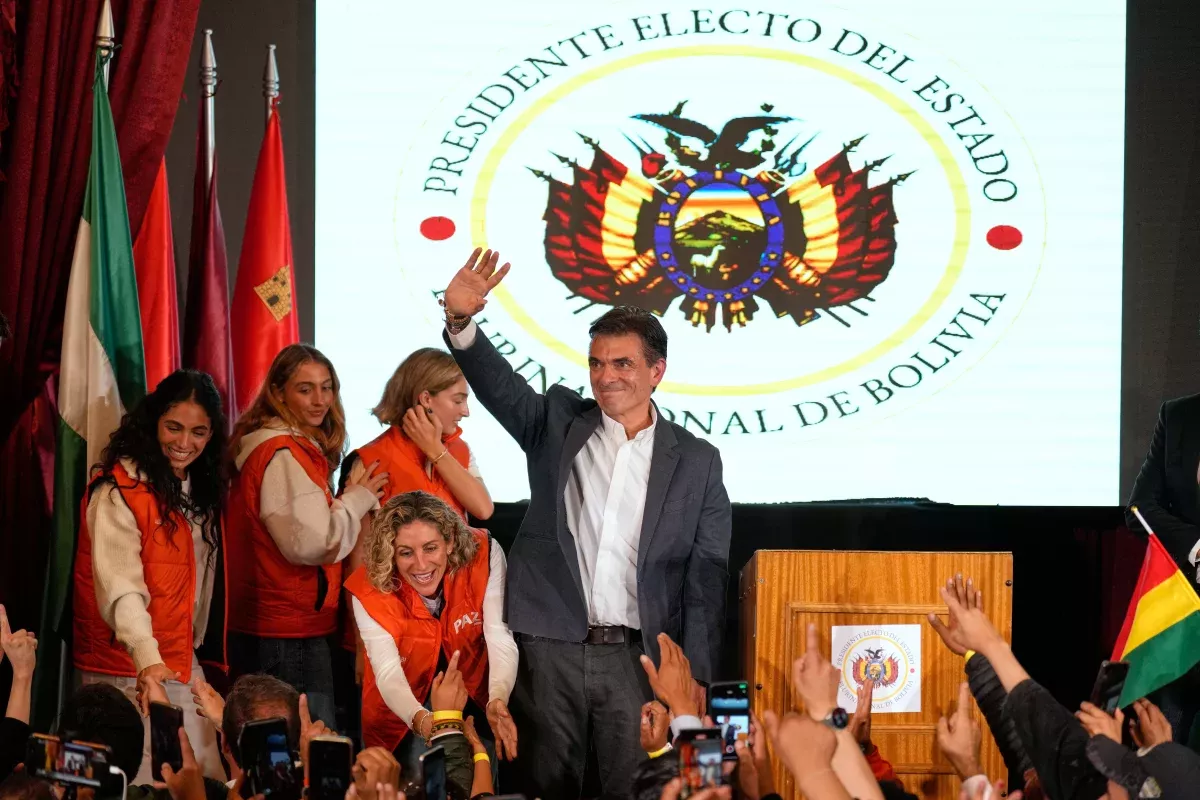
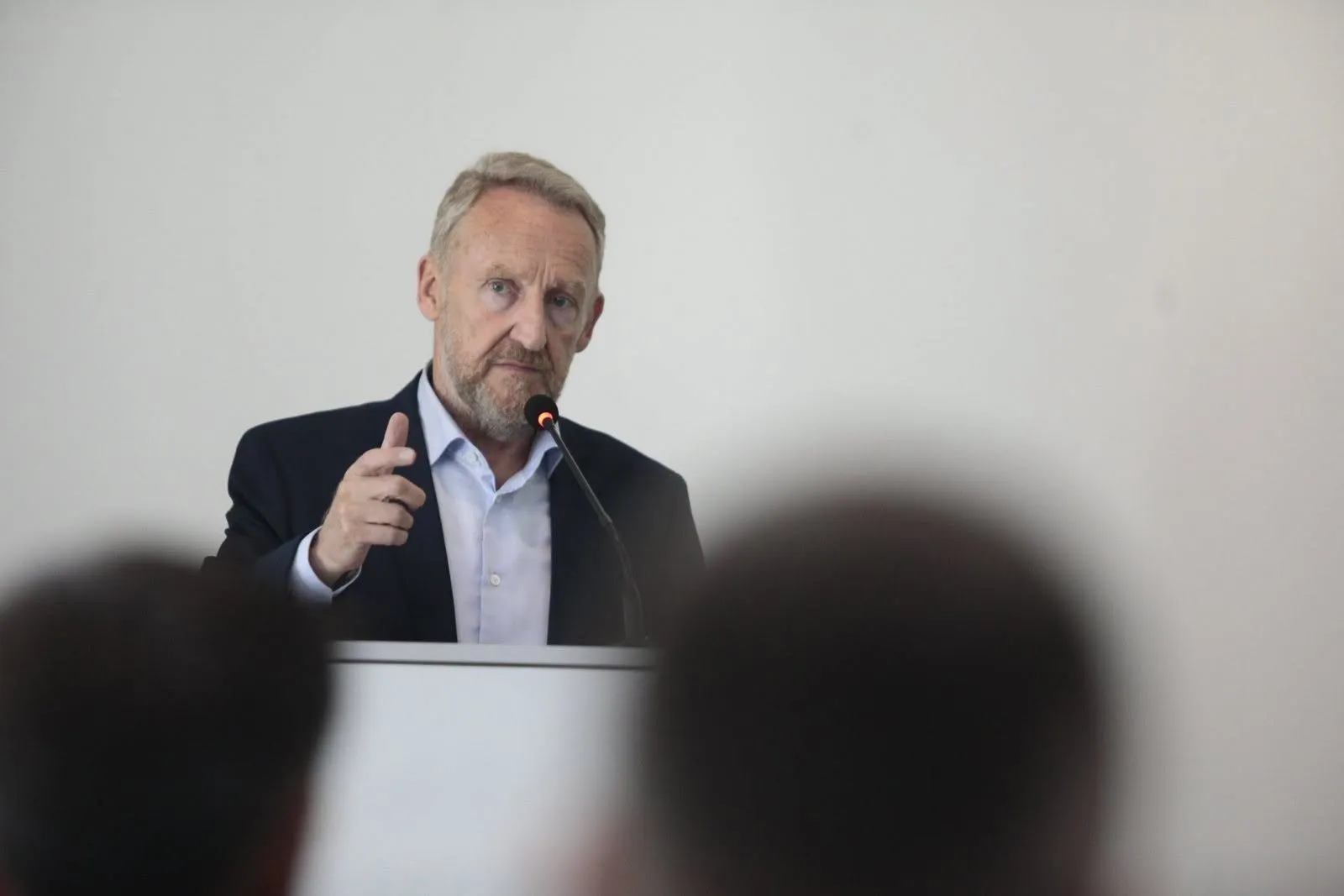
New Bolivian President Rodrigo Paz Pereira
Bolivia is considered to have one of the largest lithium reserves in the world, and if used correctly, it can influence its price on the international market. If we add to this that Venezuela has the largest oil reserves in the world, then the importance of the battles Trump is fighting in Latin America becomes clear.
The US, China, and Russia have shown interest in Bolivian lithium, or "white gold" as some call it, for decades. In November last year, the Chinese company CBC, a subsidiary of the world's largest lithium battery manufacturer CATL, secured a billion-dollar deal in Bolivia. Russian companies are also working on lithium deposits there. Germany has also shown interest.
The internal conflict within the Bolivian left opened the door for their opponents to take power. The new Bolivian president is extending a hand to Washington, and there is no doubt that Trump will accept it on his terms. Thus, Trump has gained new allies and access to rare resources without much effort in the ruthless fight he has been waging with China since his first term in the White House.
Komentari (0)
Prijavite se za komentiranje
PrijavaJos nema komentara. Budite prvi!
Minuta
Sve →Iz drugih kategorija
High Representative Not Elected: Germans, French and British Sabotaged Americans, New Attempt at End of June
ČOVIĆ WITHOUT MERCY: How Those Who Brought Ademović to Office Created a Political Hell for Him

Sunny Saturday, quite warm
Tragedy in Albanian resort: Two minors drown