
By Armin Sijamić
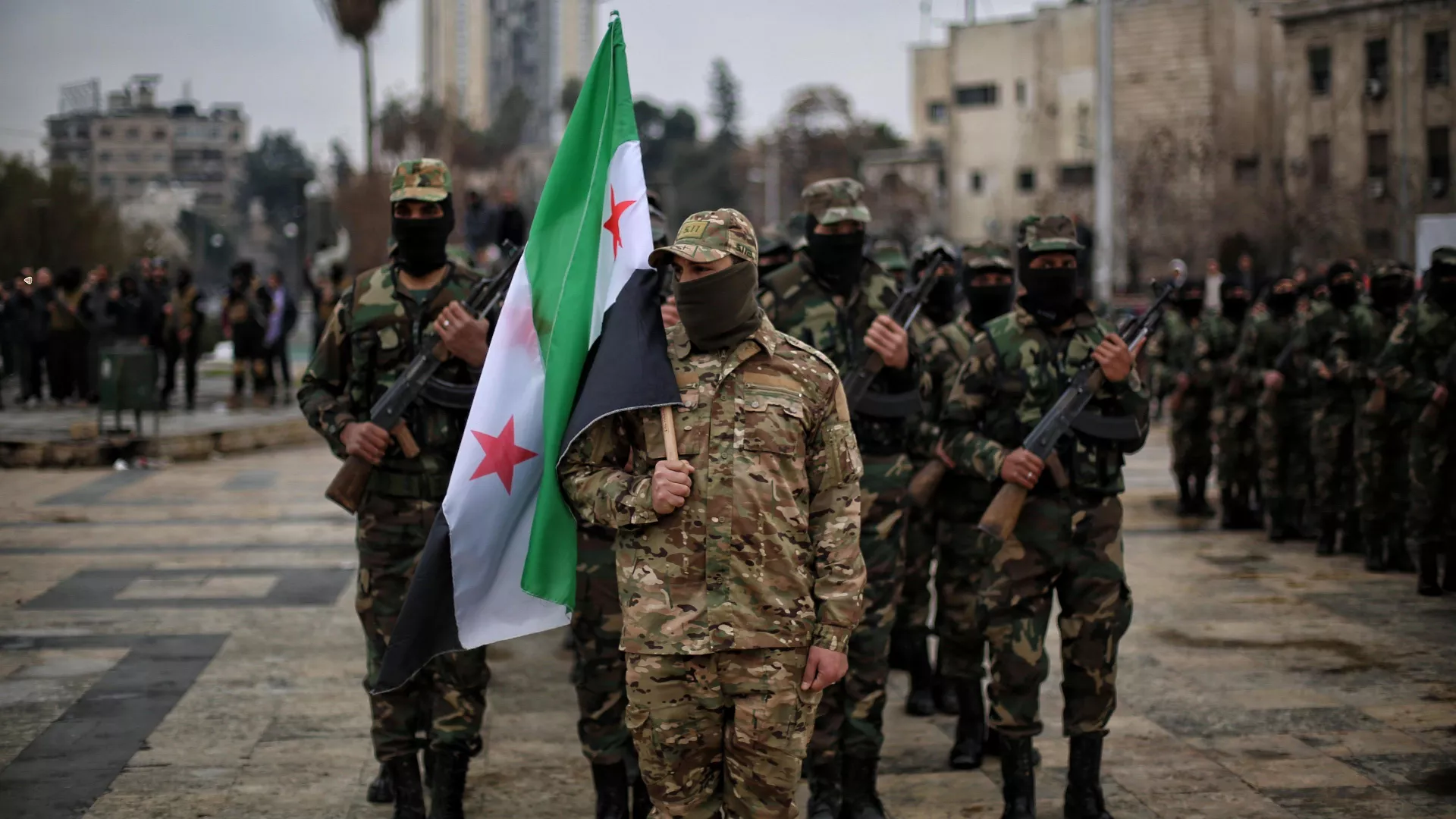
The fall of Bashar al-Assad's regime marked the end of an era for Syria. A few months later, Syria is again at a crossroads. The United States and Turkey play the main role.
Less than six months ago, al-Assad was overthrown and the Middle East changed. Russia could lose its only naval base in the Mediterranean, Iran has been pushed out of Syria, Lebanese Hezbollah has lost its land connection to Tehran via Iraq, and all those who overthrew al-Assad have achieved a great victory. This primarily applies to most Western countries, Israel, and ultimately Turkey, which can gain more from the new reshuffling in the Middle East.
The last days of Joseph Biden's administration, while waiting to hand over power to his successor, were marked by al-Assad's fall. Biden is the president under whose mandate a major enemy of Washington was defeated, after numerous White House occupants, including Trump in his first term, had tried.
Trump and Syria
In his first term, Trump ordered attacks on Syria, and the US military had previously entered the country under the pretext of fighting ISIL. It turned out that Washington thus militarily strengthened the Kurds and built the Al-Tanf military base at the tri-border area of Syria, Iraq, and Jordan, preventing Damascus from reaching its state borders. On the northern border, American bases protected the Kurds from Turkish attacks.
In his new term, Trump is again dealing with Syria. Biden has left him clear positions. American media wrote for months before the presidential elections that he would withdraw the army from Syria upon his return to the White House. Now he has the opportunity to carry out the withdrawal even more simply and get something in return.
In a complex geopolitical game involving Israel, Iran, Russia, Lebanon, Jordan, and Iraq, Trump will pay special attention to allied Turkey, a NATO member. An agreement with Ankara could improve some American positions in the Middle East and bring Turkey closer. Trump is particularly counting on good personal relations with Turkish President Recep Tayyip Erdogan.
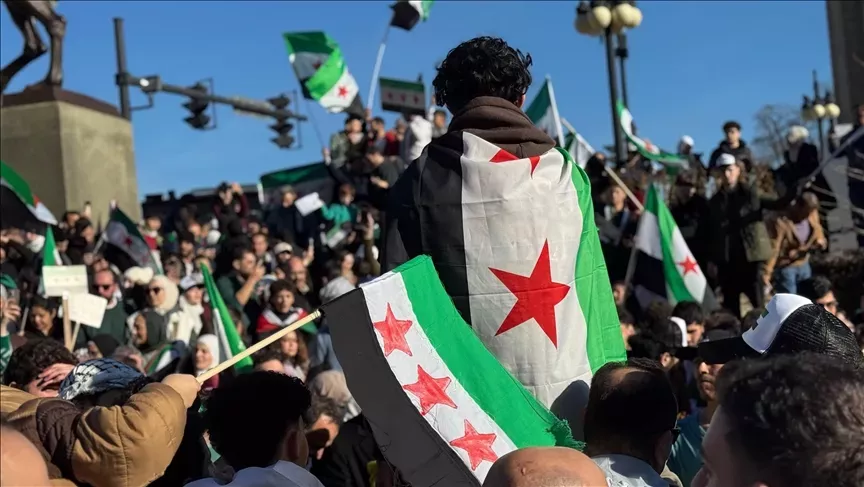
Last week, Washington announced the withdrawal of some of its forces from Syria, after the government in Damascus, close to Turkey, agreed with the Kurds to hand over oil fields for management, as well as the Tishrin dam on the Euphrates River. The US will leave about a thousand soldiers in Syria, and withdraw approximately the same number.
The Kurds' consent to hand over vital facilities to Damascus could not have happened without American approval. The Kurds know that only the United States can protect them from Turkey, which accuses some of them of terrorism. This particularly applies to the Kurdistan Workers' Party (PKK), which Washington also considers a terrorist organization, but its elements were part of the Syrian Democratic Forces (SDF) in the war against ISIL.
Turkish Presence in Syria and Israel's Concerns
Trump's decision to gradually integrate Syrian Kurds into the new Syrian government and to give Damascus greater influence in territories where it has not had a presence for years is a sign of his confidence in relations with Erdogan, despite Israel's opposition, which resists the strengthening of Turkish presence in Syria.
Last week, Trump told Israeli Prime Minister Benjamin Netanyahu that he "has to be reasonable" regarding any disagreements with Turkey over Syria and praised his personal relationship with Erdogan.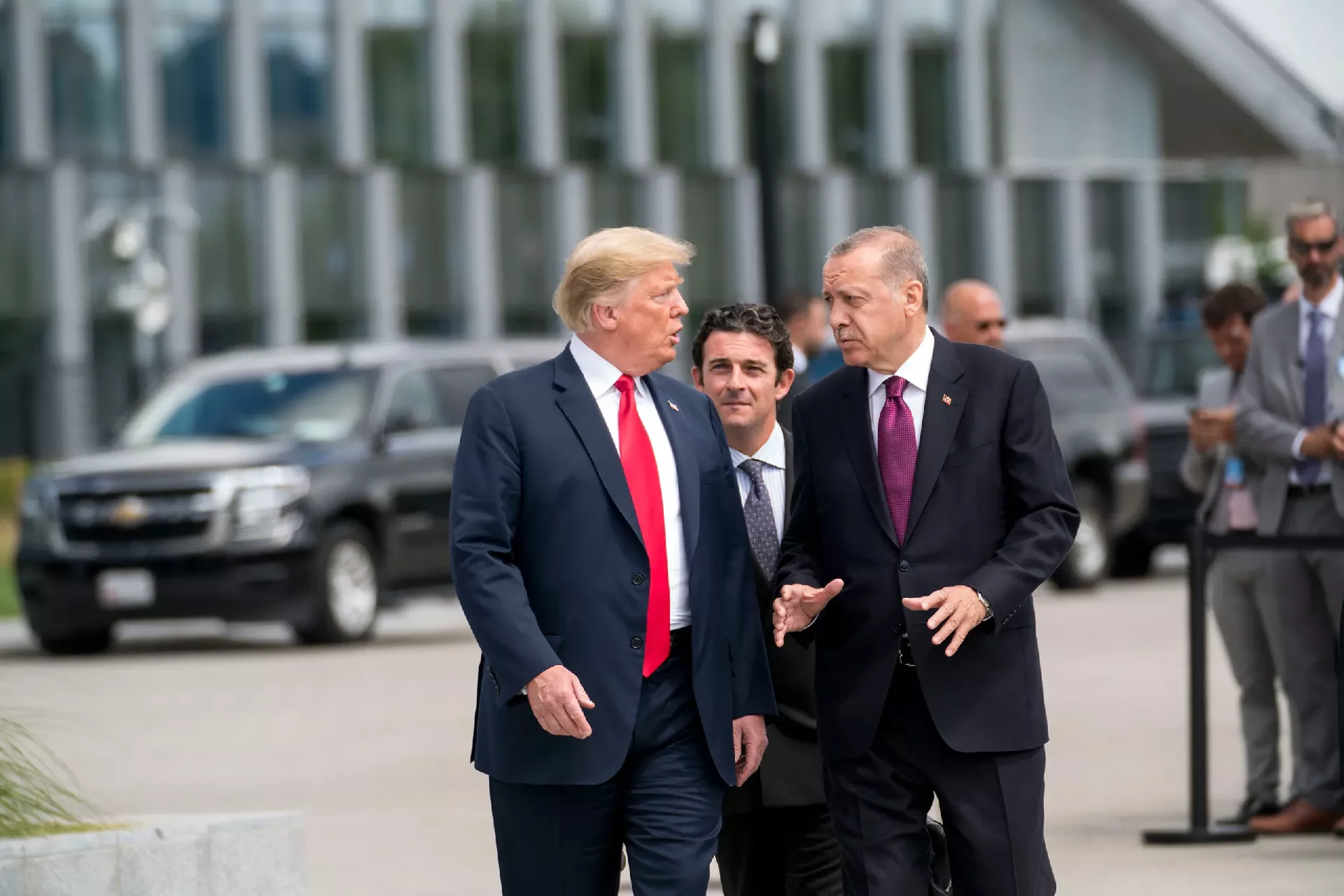
"Any problem you have with Turkey, I think I can solve it. I mean, as long as you're reasonable, you have to be reasonable. We have to be reasonable," Trump said in the Oval Office where he hosted Netanyahu. "Bibi, if you have a problem with Turkey, I really think you'll be able to solve it. You know, I have a very good relationship with Turkey and with their leader, and I think we'll be able to solve it. So I hope it won't be a problem. I don't think it will be a problem," he added, using the Israeli prime minister's nickname.
Netanyahu's opposition to the Turkish presence is not accidental. Turkey is reportedly considering establishing its air military bases near Hama and Palmyra, in central Syria. A few days before the alleged visit of Turkish experts to these bases, Israel bombed them. Israel is bothered by the Turkish presence, especially since Turkey could thus control an even larger part of Syria's airspace, which could at some point be an obstacle for Israeli forces to operate as they have been.
However, the official interpretation from Tel Aviv is that the presence of the Turkish army could lead to incidents between the two armies. Washington has tried to calm its closest ally, saying that constant communication channels with Turkey are needed to avoid this. Middle East Eye reported that Turkey told Washington that they have similar communication channels in Syria with the United States, Russia, and Iran, and that it would not be a problem for them to establish another one with Israel.
The fate of the Syrian Kurds remains unclear for now. Turkey does not want armed Kurds on its borders, and the new government in Damascus is trying to regain control over all of Syria. During the war in Syria, the Kurds were a way for the United States to enter Syrian territory without an invitation from official Damascus and to protect Kurdish forces from attacks by Turkey, Syria, Russia, or Iran. Tel Aviv does not want a reduction in American military presence in Syria, and some in Israel have been proposing rapprochement with the Kurds for decades as potential strategic partners in the Middle East.
New Syria
Ahmed al-Sharaa, a former member of Al-Qaeda and ISIL, has come to power in Damascus and is more acceptable to the West and almost all Syrian neighbors than the secular al-Assad. In recent months, al-Sharaa has been visiting and receiving visits, including from the West, which had considered him a terrorist for years.
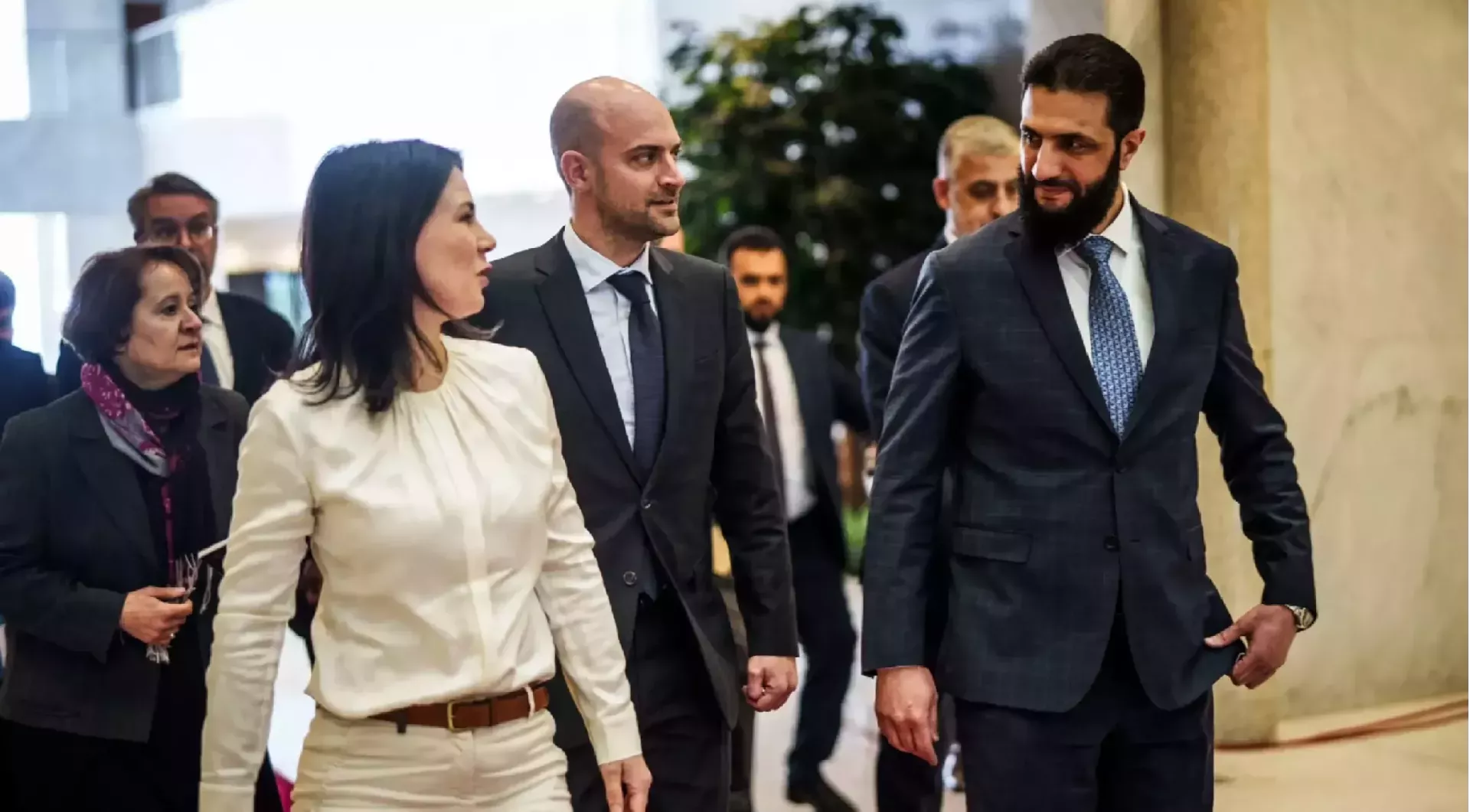
Now al-Sharaa is a dialogue partner for the West, and American, German, French, and many other delegations are visiting Damascus. The European Union is announcing aid for Syria, and the United States and the United Kingdom have begun removing new Syrian rulers and the government in Damascus itself from sanctions lists.
Al-Sharaa has said he wants Syria to be rebuilt and does not want wars with its neighbors. He has not responded to Israel's occupation of part of Syrian territory. According to him, the only problem Syria has in its relations with the region is Iran's influence.
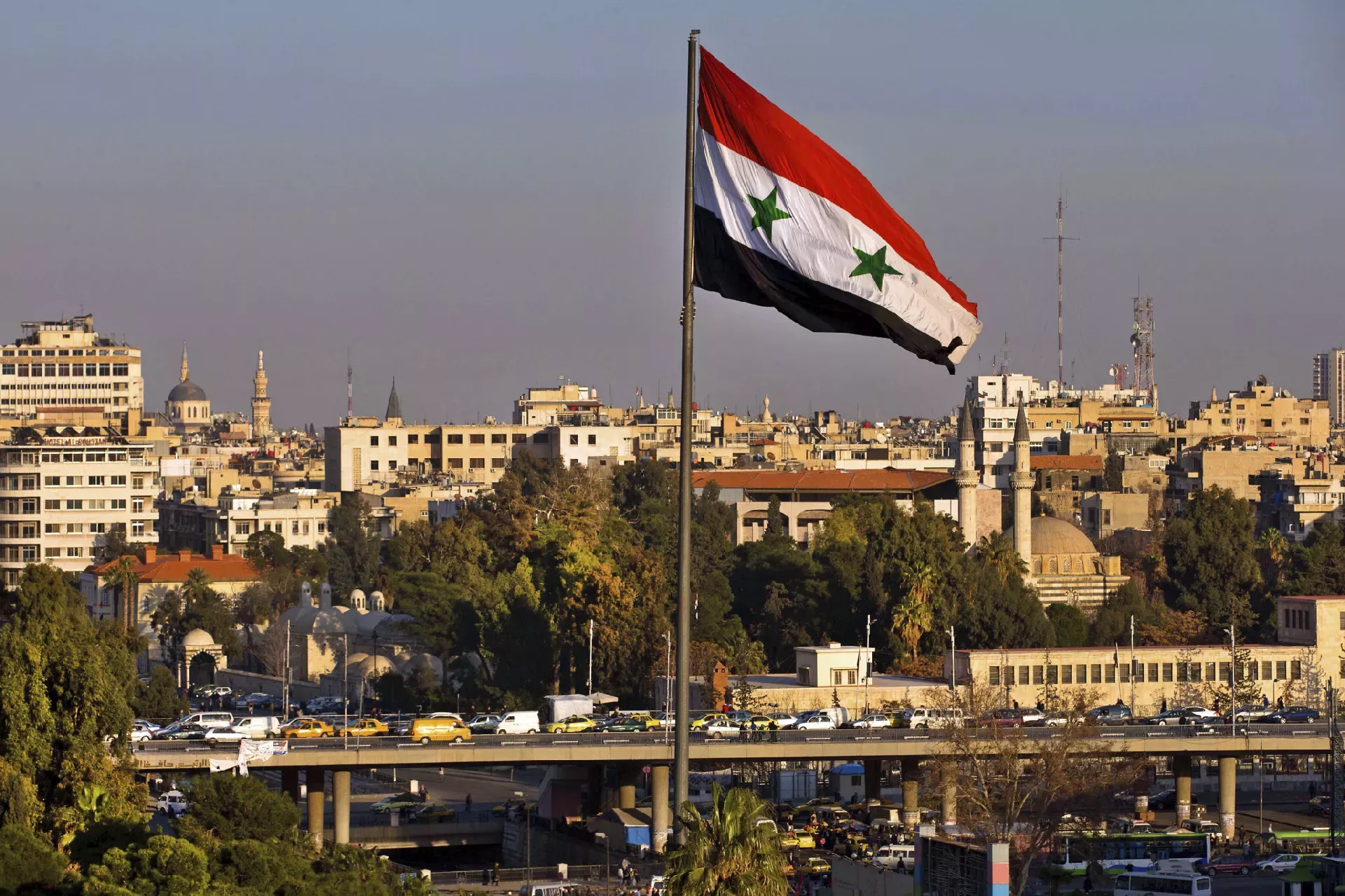
Al-Sharaa does not seem to plan to stop there, if we are to believe Republican representative Cory Mills, who a few days ago brought a letter from Damascus, from a meeting with the new Syrian president, to Trump. He spoke with his colleague Marlin Stutzman with the Syrian leader who, according to Israeli media, expressed readiness to join the Abraham Accords under certain conditions, i.e., to recognize Israel.
The readiness of the new Syrian authorities to talk to everyone and the readiness of others to listen to them indicates a new dynamic of relations in the Middle East. This political stance is also conditioned by the fact that Syria is devastated, that they need foreign aid, and that they want sanctions against Syria to be lifted. Since Iran and Russia have been pushed out of Syria, Washington is the only possible address they can turn to.
The fate of Syria will be determined by the overall relations in the Middle East. With the defeat of Iran and Russia in Syria, Turkey and Israel have an opportunity to expand their influence. This is happening at a time when Washington is pressuring Tehran to sign an agreement on Iran's nuclear program.
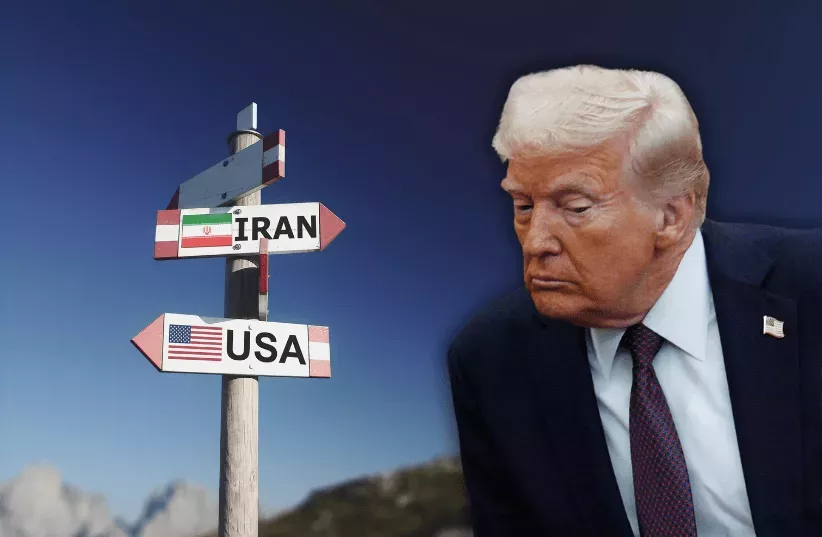
Washington is looking for partners who will take over some of the American positions in the Middle East, as the world's largest power wants to focus on confronting China. It seems that Trump is also counting on Erdogan. Thus, Syria becomes part of the emerging Middle Eastern mosaic. At the same time, this country becomes a field on which the two presidents are testing their personal relationships and further strengthening the strategic ties of two friendly nations.
Komentari (0)
Prijavite se za komentiranje
PrijavaJos nema komentara. Budite prvi!
Minuta
Sve →Iz drugih kategorija

High Representative Not Elected: Germans, French and British Sabotaged Americans, New Attempt at End of June

ČOVIĆ WITHOUT MERCY: How Those Who Brought Ademović to Office Created a Political Hell for Him



Sunny Saturday, quite warm



Tragedy in Albanian resort: Two minors drown












