
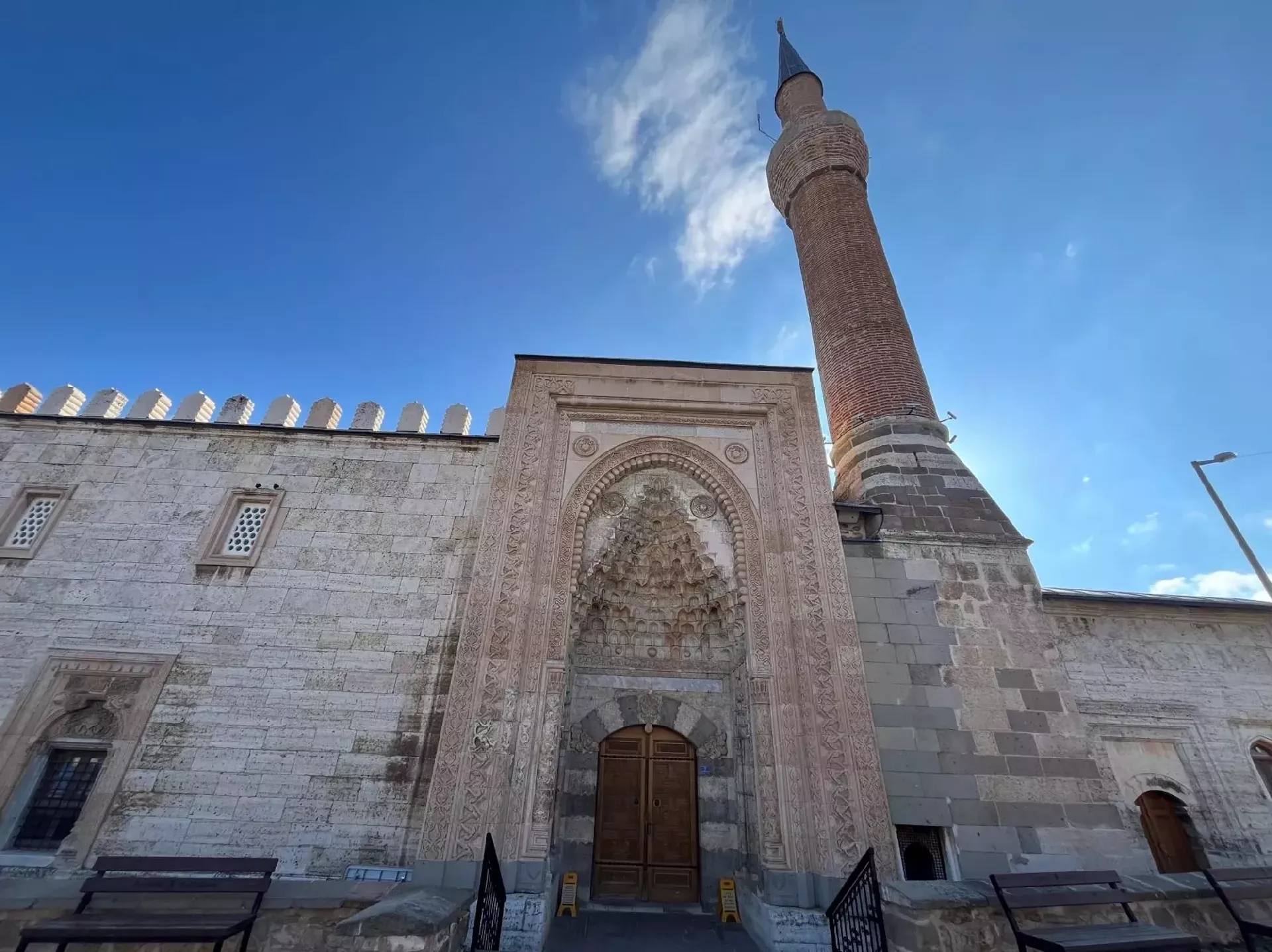
For centuries, Anatolia has been home to ancient civilizations, preserving historical and architectural treasures that offer visitors unique experiences today. Among them are the "Anatolian Medieval Wooden Hypostyle Mosques" – Turkey's twenty-first item on the UNESCO World Heritage list, added last year. Along this route are works of Turkish-Islamic architectural tradition, including five mosques built in Anatolia between the late 13th and mid-14th centuries, erected by the Turks.
These intriguing mosques date back to the Middle Ages and share technical characteristics such as wooden interior columns (hypostyle type) and decorations reflecting the aesthetics of the era.
Let's explore these magnificent structures from five different Anatolian cities, as well as other significant local landmarks.
Konya: Beyşehir Eşrefoğlu Mosque
The route begins at the Beyşehir Eşrefoğlu Mosque in Konya. In the 12th and 13th centuries, Konya was the capital of the Seljuk Turks, and many artifacts from that period can still be seen in the city. The Beyşehir Eşrefoğlu Mosque, built between 1296-1299, is one of them. Representing the magnificence of stone and wood craftsmanship from the Seljuk period, it is the largest wooden mosque in Anatolia and the only one that encompasses diverse decorative arts such as stone, brick, and colorful tiles.
Don't miss visiting: Discover the sights of Çatalhöyük, one of Turkey's UNESCO World Heritage sites, considered one of the world's oldest Neolithic settlements. The newly opened Çatalhöyük Visitor Information Center offers visitors an interactive journey through the history of this famous site.
Don't miss trying: Try Konya's famous etli ekmek, a flatbread topped with seasoned minced meat.
After leaving Konya, the next destination in the vicinity is Afyonkarahisar. The Ulu (Great) Mosque, one of the largest mosques in this historic city that was home to ancient civilizations from the Phrygians to the Ottomans, was also built by the Seljuks. Recently restored, it retains its original splendor, representing a prime example of Seljuk architecture and masterful woodwork. The structure is also known as the "Mosque of 40 Columns" as it has 40 wooden columns arranged in five rows.
Don't miss visiting: In Afyon, you can visit the Phrygian mountain region, which features rock formations and ancient ruins bearing traces of the Phrygians. The area was inscribed on the UNESCO World Heritage list in 2015, offering insight into the region's rich history spanning three millennia.
Don't miss trying: In Afyonkarahisar, a member of the UNESCO Creative Cities Network in Gastronomy, local specialties include Turkish delight, sucuk, and kaymak.
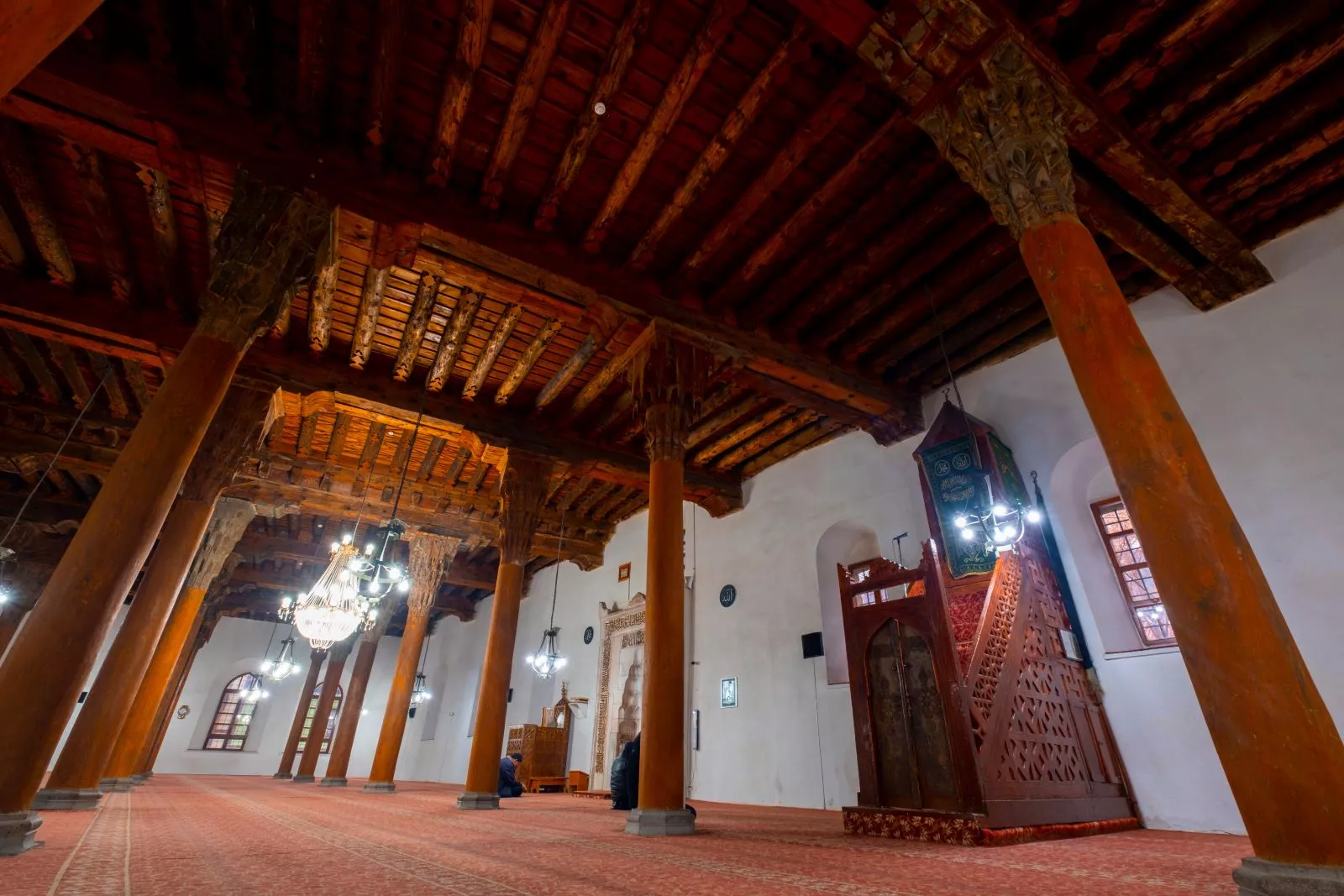
Afyonkarahisar: Ulu (Great) Mosque
Eskişehir: Sivrihisar Ulu (Great) Mosque
Eskişehir is an impressive city with both historical and modern aspects. The Sivrihisar Ulu (Great) Mosque in Eskişehir is one of the largest wooden-columned mosques in Anatolia. The mosque, which can accommodate up to 2,500 worshippers, features beautiful examples of Sivrihisar carpet weaving. The upper parts of some of the 67 columns in the mosque are decorated with fine ornaments, while others are adorned in a Byzantine style. The mosque is also known for its walnut wood minbar and is considered one of the finest examples of its kind.
Don't miss visiting: In Yazılıkaya, in Eskişehir's Han district, lies the Midas Monument, named after King Midas, son of King Gordius, known for the legend that he could turn everything he touched into gold. Surrounded by ancient caves and temples, this site is worth visiting to see the magnificent 17-meter-high temple carved into the rock about three thousand years ago.
Don't miss trying: Eskişehir, historically known as the wheat production center of Anatolia, is also home to a traditional dish known as çibörek, made with minced meat.
Ankara: Ahi Şerafeddin (Arslanhane) Mosque
The Ahi Şerefeddin Mosque in Ankara, just an hour and a half by high-speed train from Eskişehir, is an architectural marvel that captivates despite its modesty. The Seljuk-era structure is also known as Arslanhane (Lion's Den) due to an ancient marble lion statue embedded in the inner wall of the tomb complex to its east. The single-story mosque, with 24 wooden columns and marble capitals, exemplifies the harmony of stone and wood.
Don't miss visiting: You must visit Gordion, the city of King Midas and Turkey's 20th cultural heritage site on the UNESCO World Heritage list. Gordion and the area around the city have been inhabited for nearly 4,500 years. Visit the five-million-year-old Tulumtaş Cave in Ankara's Gölbaşı district; the cave, which is being rapidly prepared for visitors, is archaeologically significant as its layers contain remnants of settlements from the Middle Bronze Age, Hellenistic, Roman, and Byzantine periods.
Don't miss trying: While in Turkey's capital, try Ankara simidi, döner, and Çubuk turşusu (pickles).
Kastamonu: Kasaba Village Mahmut Bey Mosque
The Mahmut Bey Mosque in Kasaba village, Kastamonu, is the final structure on the route of Anatolian wooden mosques. The mosque, built during the Candaroğulları principality, is known as the "Nail-less Mosque" due to its unique construction method without the use of metal nails. One of the building's most prominent features is its beautiful crown gate, a true work of art. As there are very few examples of this type in Turkey, the doors are housed in the Kastamonu Ethnography Museum. After visiting the mosque, head to the museum to see the doors and learn more about Kastamonu's culture.
Don't miss visiting: In Kastamonu, you can explore historic mansions built in the late 19th and first half of the 20th centuries, and visit the Archaeological Museum, which reveals the richness of the city's archaeological heritage.
Don't miss trying: Before leaving the city, be sure to try simit tiridi, made from crumbled, stale simits without sesame seeds, served with bone broth and garlic yogurt.
Komentari (0)
Prijavite se za komentiranje
PrijavaJos nema komentara. Budite prvi!
Minuta
Sve →Iz drugih kategorija

High Representative Not Elected: Germans, French and British Against Americans, New Attempt at End of June

ČOVIĆ WITHOUT MERCY: How Those Who Brought Ademović to Office Created a Political Hell for Him



Sunny Saturday, quite warm



Tragedy in Albanian resort: Two minors drown












