
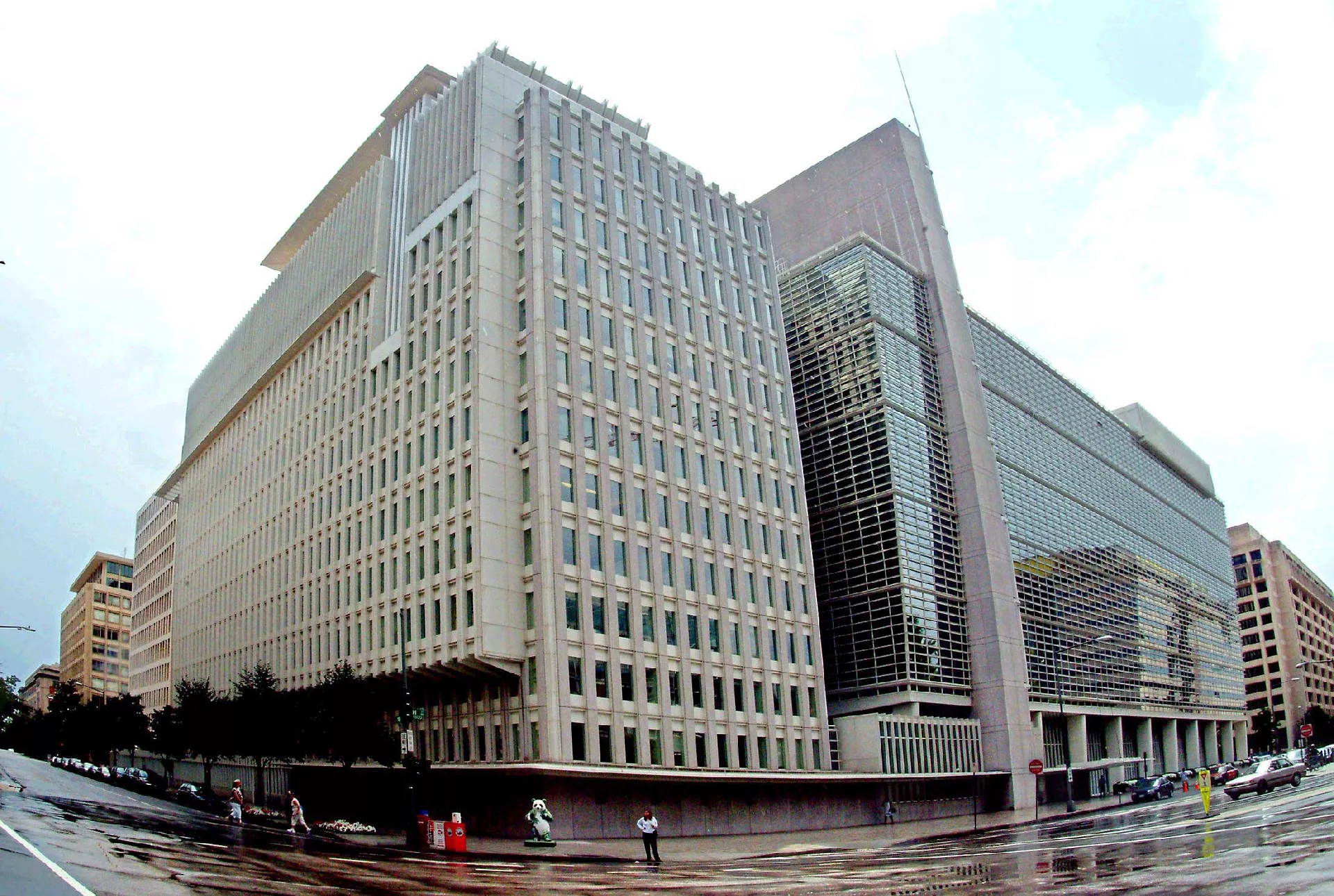
The economy of Southeast Europe began to recover from the 2012 recession, with an average growth of 2.2 percent in 2013, according to the latest Regular Economic Report of the World Bank for Southeast Europe (SEE RER), it was announced, reports the BiH news agency Patria (NAP).
The report states projections that the region will grow at a rate of 1.9 percent in 2014 and 2.6 percent in 2015, thanks to rising external demand, but significant challenges overshadow these prospects, including the expected impact of recent floods in the region.
- The major floods, particularly in Bosnia and Herzegovina and Serbia, which occurred in mid-May as a result of unprecedented rainfall, led to a humanitarian crisis, with dozens dead, millions displaced, and those left without access to drinking water or electricity. Homes, crops, and livestock were lost, and major transport links were severed. The floods will certainly have a negative impact on growth in 2014, although it is still too early to measure the full impact. Damage and reconstruction needs assessments are underway, while the initial aid program continues - stated the World Bank.
In 2013, each of the six Southeast European countries recorded positive growth rates, with growth of 3 percent or more in Kosovo, the Former Yugoslav Republic of Macedonia, and Montenegro. In all countries, a good agricultural year and growth in industrial production contributed to economic activity in the region.
- Southeast Europe began to recover from the recession in 2013 - said Ellen Goldstein, World Bank Director for Southeast Europe.
- Economic growth was possible thanks to increased demand from high-income countries, especially European Union (EU) countries, for exports from the region. The devastating floods in mid-May are a humanitarian catastrophe for several Southeast European countries, and will affect economic recovery for several years to come in a way that still needs to be fully assessed - she stated. Domestic demand in the region decreased in 2013.
- We encourage Western Balkan countries to shift from domestic demand-driven growth to export-driven growth, which will enable the region to integrate more into European and global markets. With the recovery underway, now is the time to focus on creating an investment climate conducive to export-driven growth and strengthening connectivity - she emphasized.
Domestic demand was further suppressed by a decrease in remittance inflows to the region in 2013, reflecting the still slow economic recovery and prevailing high unemployment in EU countries. With few new jobs, declining remittance inflows, and limited lending to businesses, household incomes and company profits were unable to boost domestic consumption or investment in the region, it was announced.
Overall, although the recovery led to growth, countries in the region have achieved limited success in translating that economic recovery into job creation.
Komentari (0)
Prijavite se za komentiranje
PrijavaJos nema komentara. Budite prvi!
Minuta
Sve →Iz drugih kategorija

High Representative Not Elected: Germans, French and British Against Americans, New Attempt at End of June

ČOVIĆ WITHOUT MERCY: How Those Who Brought Ademović to Office Created a Political Hell for Him



Sunny Saturday, quite warm



Tragedy in Albanian resort: Two minors drown












