
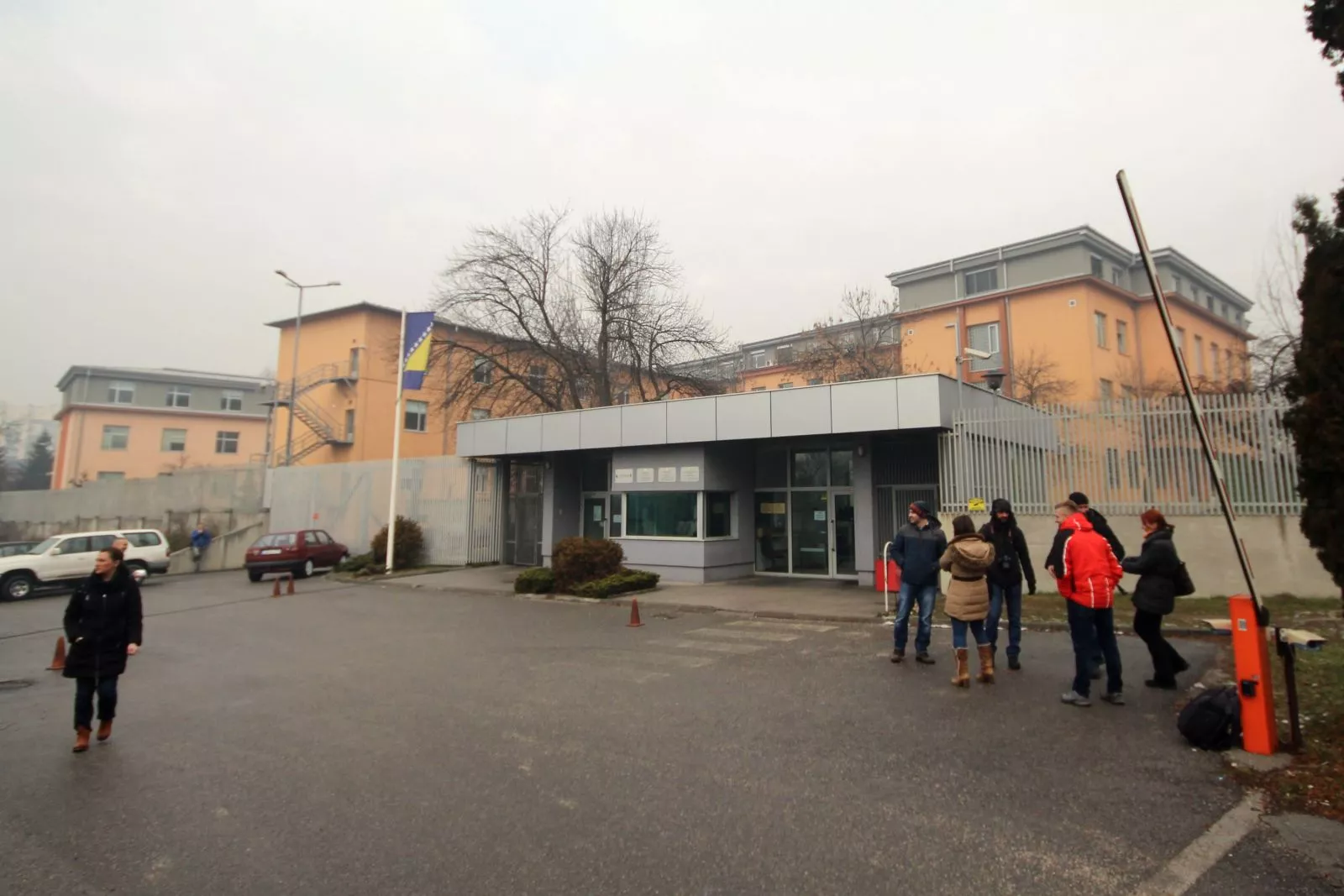
SARAJEVO, (Patria) - The OSCE Mission to Bosnia and Herzegovina today presented in Sarajevo the report of esteemed judge Joanne Korner on the processing of war crimes cases at the state level in Bosnia and Herzegovina, which includes a number of criticisms regarding the work of the current Chief State Prosecutor Gordana Tadić.
In the 79-page report has serious criticisms of the work of the BiH Prosecutor's Office.
“It should be noted that the answers to the question (asked of each prosecutor) about whether teams exist as working units were inconsistent. When those who answered that they exist were asked about the geographical area covered by the cases they are working on, it was clear from their answers that the teams exist only nominally. One prosecutor was of the opinion that not only have the teams not been reintroduced, but that potential interviewees have been instructed to provide false information to the author of this report. If this is true, it is not only an unfortunate but also an extremely short-sighted decision, because any recommendation for improving the work of the Prosecutor's Office must be based on the actual state of affairs,” stated Korner.
An additional problem is the appointment of prosecutors working in the Special Department for War Crimes.
“Currently, there are 27 prosecutors in the BiH Prosecutor's Office assigned to the Special Department. Three were appointed in June and July 2019. Two had previous experience working on war crimes cases (one as a prosecutor in an entity prosecutor's office, and the other as a legal associate in the War Crimes Department of the BiH Court's Criminal Division), while the third prosecutor had no such experience. It is self-evident that working on war crimes cases requires knowledge of legal institutes and facts (about the areas where the armed conflict took place and cases from the ICTY / BiH Court related to those areas), which do not appear in other cases. No matter how competent a prosecutor is, acquiring the knowledge necessary for proper investigation and prosecution in war crimes cases requires time that will be invested not only by that prosecutor but also by others who need to help them acquire the necessary knowledge. It is recommended that in the future, only prosecutors with previous experience in war crimes cases be appointed and assigned to the Special Department,” is one of the recommendations.
Korner criticized the fact that working hours end at 4 PM, and those who accept positions in the Special Department must, at this stage, be prepared to work outside of official working hours to ensure effective investigations and the holding of main hearings.
Korner also analyzed the employees in the BiH Prosecutor's Office who work on war crimes cases, and there are only four analysts.
“However, analysts are not lawyers. It is evident that prosecutors are shifting some of their responsibilities to analysts, tasks that do not fall, and should not fall, within their area of responsibility. One analyst recounted that after searching databases for documents and witnesses, she “suggested further investigative actions”. Another analyst emphasized the importance of them attending the same training as prosecutors to “know what prosecutors need”. They could participate in investigations more productively if department/team meetings were held, which, as one analyst sadly noted, “they used to have on a regular basis”.
Korner also analyzed the indictments filed by BiH Prosecutor's Office prosecutors.
“Both judges and defense attorneys pointed out that the descriptions in the indictments, both legal and factual, are too often flawed. For example, they cited the following: Incorrect legal qualification of the criminal offense with which the accused is charged, e.g., charges of war crimes for acts that contain the legal characteristics of crimes against humanity; inaccuracy in the description of the crime, i.e., the description does not relate to the characteristics of the criminal offense; charges of joint criminal enterprise (JCE) and command responsibility as alternative forms of participation in the commission of the act; the accused is charged with both command responsibility and direct commission in relation to the same event.
Criticism also relates to the length of proceedings in war crimes cases, which last for several years. She also recommended that the Council of Ministers of BiH adopt the Revised War Crimes Strategy as soon as possible.
Judge Korner concluded that the deadline for resolving war crimes cases by the end of 2023 will not be met.
Komentari (0)
Prijavite se za komentiranje
PrijavaJos nema komentara. Budite prvi!
Minuta
Sve →Iz drugih kategorija

High Representative Not Elected: Germans, French and British Sabotaged Americans, New Attempt at End of June

ČOVIĆ WITHOUT MERCY: How Those Who Brought Ademović to Office Created a Political Hell for Him



Sunny Saturday, quite warm



Tragedy in Albanian resort: Two minors drown












