
By Armin Sijamić
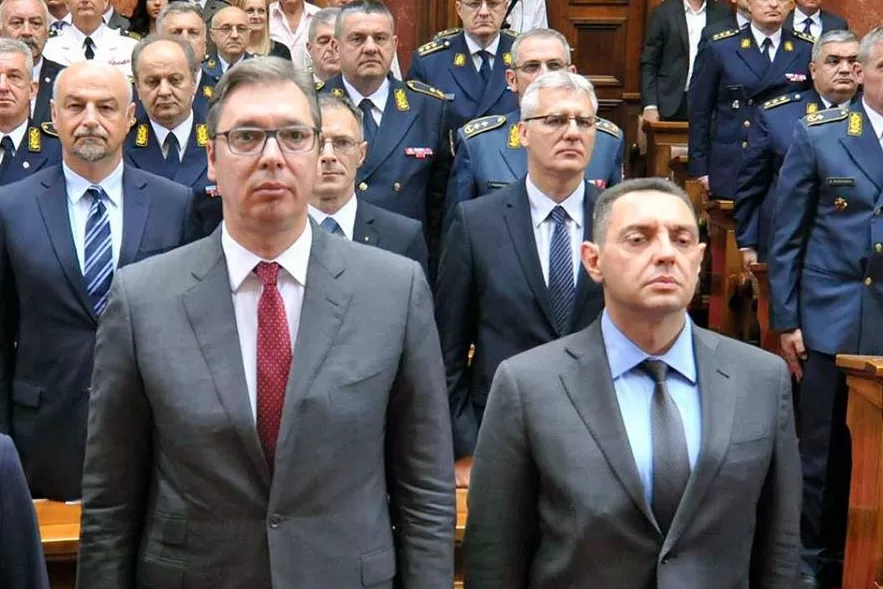
This week again, contradictory statements from Belgrade designed to mislead. While Serbian President Aleksandar Vučić advocates for the European Union and better relations in the region, the omnipresent and close associate Aleksandar Vulin advocates for the 'Serbian World' and the end of the European path. All this before the eyes of the West.
In the time of Yugoslavia's breakup and during the wars conceived in Belgrade, Slobodan Milošević, as president of Serbia and undisputed leader in the territories that wished to remain under his rule, had a simple tactic towards the West. Counting on the superficiality and fear of the West of Belgrade's alleged strength, Milošević would scare his interlocutors with Vojislav Šešelj.
In one intercepted phone conversation between Milošević and war criminal Radovan Karadžić, Milošević described the leader of the Serbian Radical Party as 'crazy'. Milošević would convey that the 'crazy' Šešelj would come to power if the West's attitude towards him changed.
From NIS to the European Union
Vučić has used this matrix in his dealings with the West multiple times. As propaganda minister under Milošević and secretary of Šešelj's party, Vučić had the opportunity to learn from this duo. He has repeatedly sold the story to the West, especially the European Union, about Serbia as a guarantor of stability in the Balkans and a leader in European integration, while simultaneously starting fires across the region.
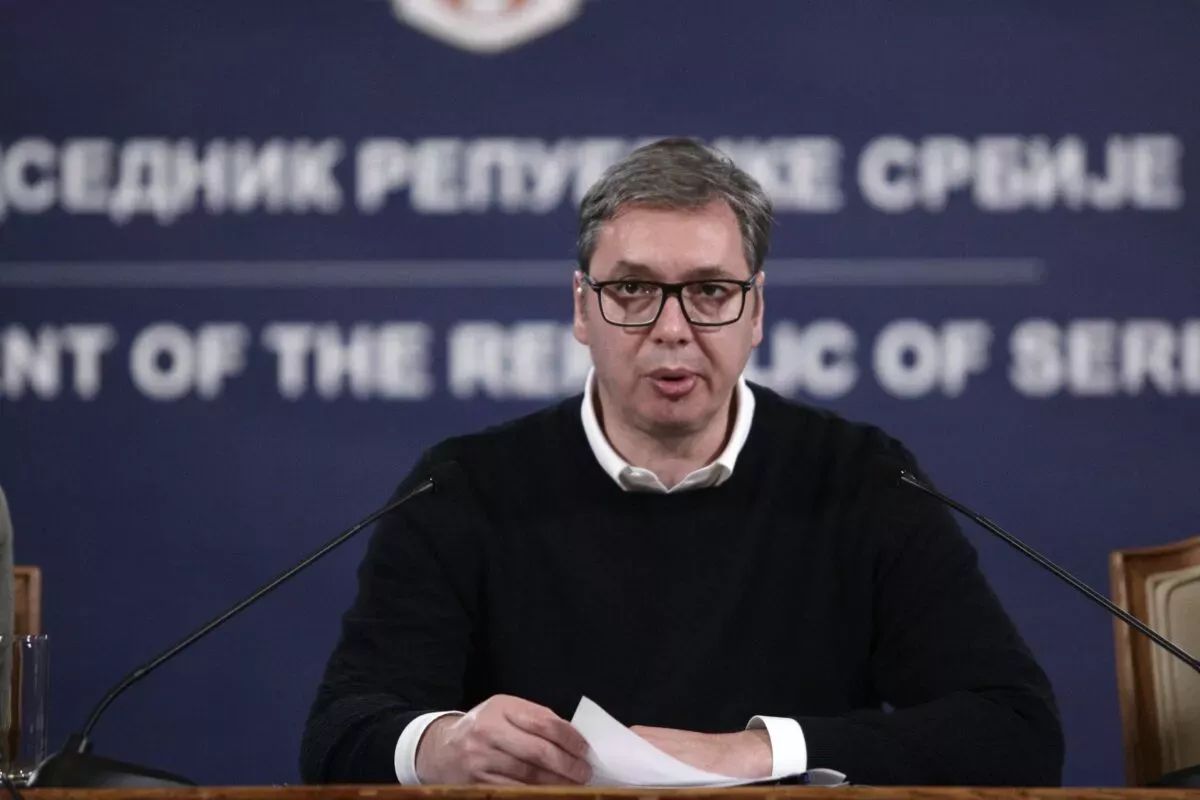
We have the latest such case this week. Announcing that he would attend a working dinner with EU leaders Ursula von der Leyen and Antonio Costa in Brussels on Thursday, he stated that he would ask his interlocutors to admit all Balkan countries into full membership together.
'If someone is left out, what will you do with those countries? And I know everyone talks about harmonization, but this is not just about the future of the region, but about the future of Europe. If they admit us all together, without exception, everyone will feel better, both Albanians and Bosniaks... I only hear good reactions to this idea,' said Vučić.
To add further emphasis to his 'idea', which the European Union will not accept now, upon arriving at the press conference with Von der Leyen and Costa, Vučić loudly said that he 'just received a message from Moscow'. Von der Leyen interrupted him, saying 'let's wait', probably thinking it was neither the time nor the place for such discussions. In Serbia, some have characterized this move by Vučić as a diplomatic gaffe, but it is likely a deliberate move to offer Brussels something or to threaten that Belgrade has an alternative, while also sending a 'message from Moscow' to the public in Serbia.
Music to the ears of the naive, embodied in the call for EU membership, came according to Milošević's matrix. Vučić's alleged concern for neighboring peoples and worry that someone might be 'left out' is actually a misdirection. Namely, Serbia under his rule cannot even organize fair and free elections, while Albanians and Bosniaks are struggling with Belgrade's tentacles. Separatism in Bosnia and Herzegovina has had its headquarters in Belgrade for decades, and Kosovo Albanians have repeatedly been targets of Belgrade's paramilitary formations.
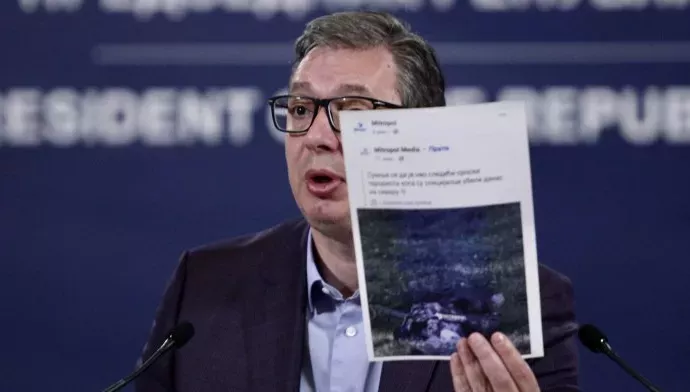
The attempt to shift the blame to Brussels comes at a time when Vučić is facing US sanctions against Naftna Industrija Srbije (NIS), a company owned by Russia, which has come under US scrutiny. Vučić has refused for months to remove Russians from NIS, despite experts proposing various solutions. Russia will not easily give up its important tool in the Balkans, and Vučić will not take that tool out of their hands, while he is likely seeking favors from the European Union in this case as well.
Vulin as the Keeper of the Flame
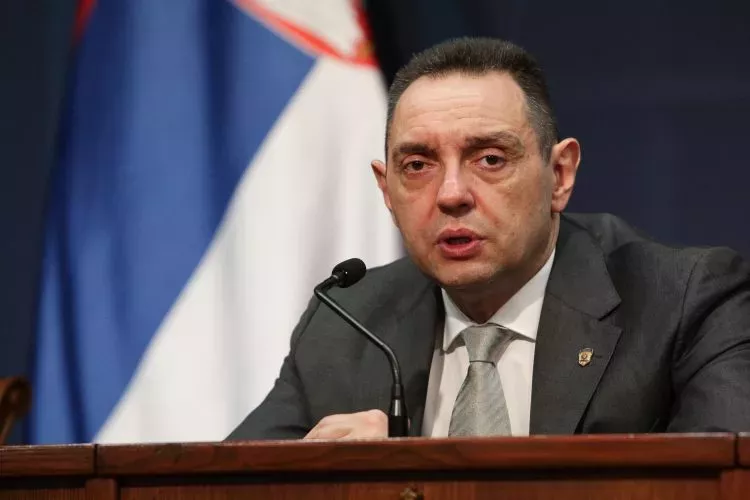
Vučić's observation that he hears 'only good reactions to this idea' logically must have a completely different perspective in Serbian politics. His close associate, former minister in several departments, and head of the secret police, completely rejects the 'European path of Serbia' and calls for a 'Serbian World'.
In an op-ed for 'Večernje novosti', a media outlet many in Serbia see as more pro-Russian than others – if that is even measurable, even at a time when Serbia faces secondary sanctions and possible economic collapse due to Russians in NIS – Vulin states that Belgrade's European integration is 'in direct conflict with the idea of uniting Serbs'.
Vulin says that Serbian citizens must decide in a referendum whether they want the European Union or the 'Serbian World'. Translated, Vulin wants to ask citizens if they want peace and cooperation with their neighbors, or if they want conflicts over other countries' territories. In normal circumstances, the government would seek such a referendum, as anyone would choose peace and cooperation over conflict and war. But, in a country ruled by Vučić, this will not happen, because Vulin's proposal would likely win in a referendum, which is one of the main 'achievements' of the authorities in Belgrade from Milošević to the present day.
The pro-Russian oriented Vulin, who is under US sanctions, has put forward similar ideas before. Throughout these years, Vulin has had the same goal – to create instability in the region, prevent the European path of Serbia and neighboring countries, and remain within Moscow's sphere of influence.
New Belgrade Bait for the West
Vučić's concern for the feelings of Bosniaks and Albanians is false. The number of war criminals that Serbia does not extradite to Bosnia and Herzegovina speaks volumes about what Vučić thinks of neighboring peoples and how much he cares about reconciliation, and Vulin's proposals indicate what could happen to them if they are not prepared to resist.
But what is particularly interesting in these two statements by Vučić and Vulin is the stance of the former head of the secret police. He is calling for a 'change in national policy' in favor of his idea, which should imply that Vučić's policy so far has been pro-European and different from his pro-Russian one.
The fact that Vučić managed to 'sell' such a policy to Brussels is a tragedy that has cost the region more than a decade of European and NATO integration, further divided people, and dug new trenches.
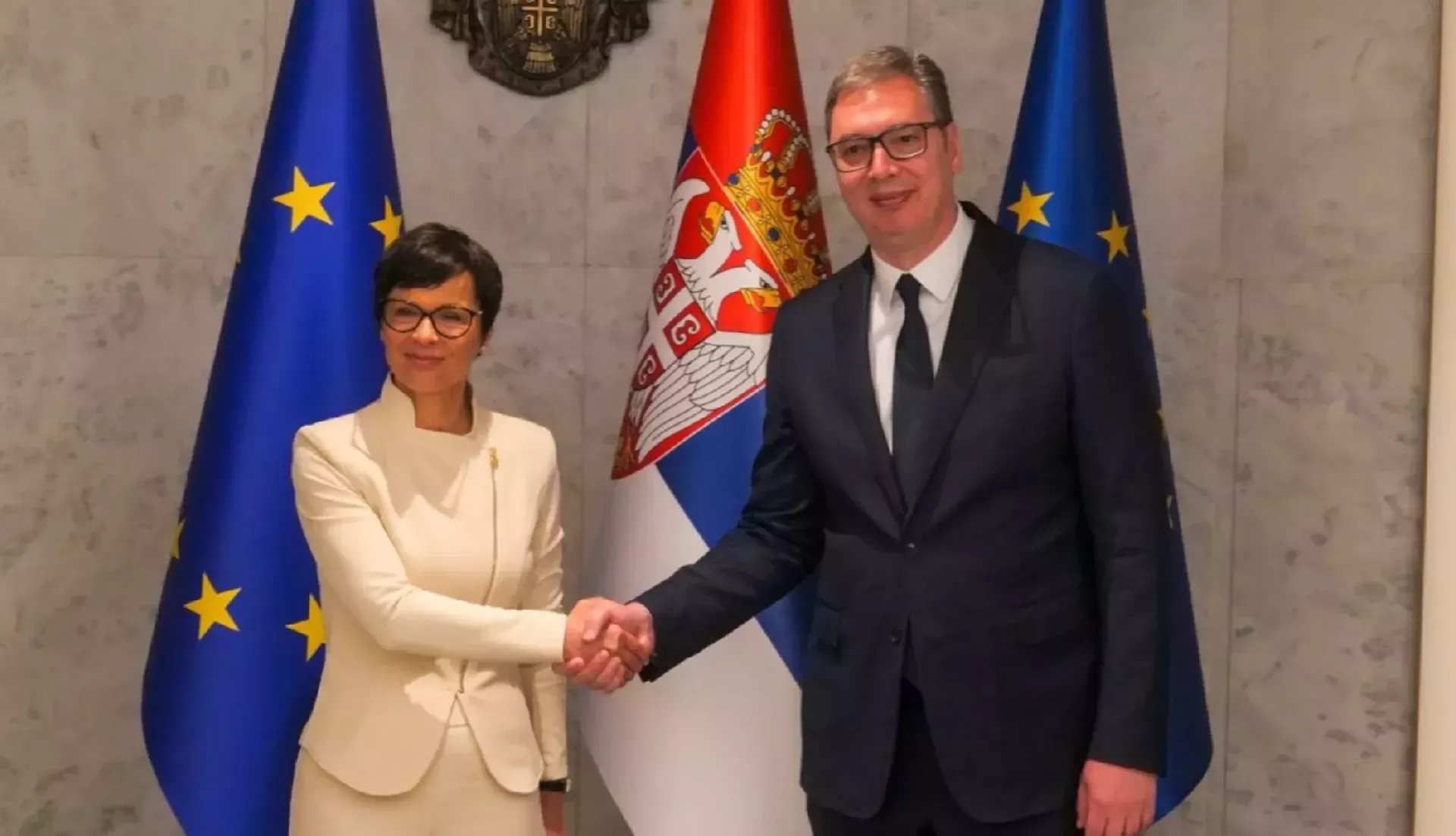
In a new attempt, while student and popular protests are ongoing, Vučić is again trying to present himself to Brussels as a peacemaker who wants the region to become part of the European Union and NATO.
The question is whether Brussels will once again believe official Belgrade that it is possible to go to the West with a pro-Russian policy and pro-Russian ministers and undo the effects of a policy that has claimed over a hundred thousand lives, displaced millions, devastated society, deindustrialized the region, and turned it into a European periphery that bows to all sorts of demands when Washington, Moscow, Berlin, or Brussels threaten seriously enough.
Komentari (0)
Prijavite se za komentiranje
PrijavaJos nema komentara. Budite prvi!
Minuta
Sve →Iz drugih kategorija

High Representative Not Elected: Germans, French and British Sabotaged Americans, New Attempt at End of June

ČOVIĆ WITHOUT MERCY: How Those Who Brought Ademović to Office Created a Political Hell for Him



Sunny Saturday, quite warm



Tragedy in Albanian resort: Two minors drown












