
By: Armin Sijamić
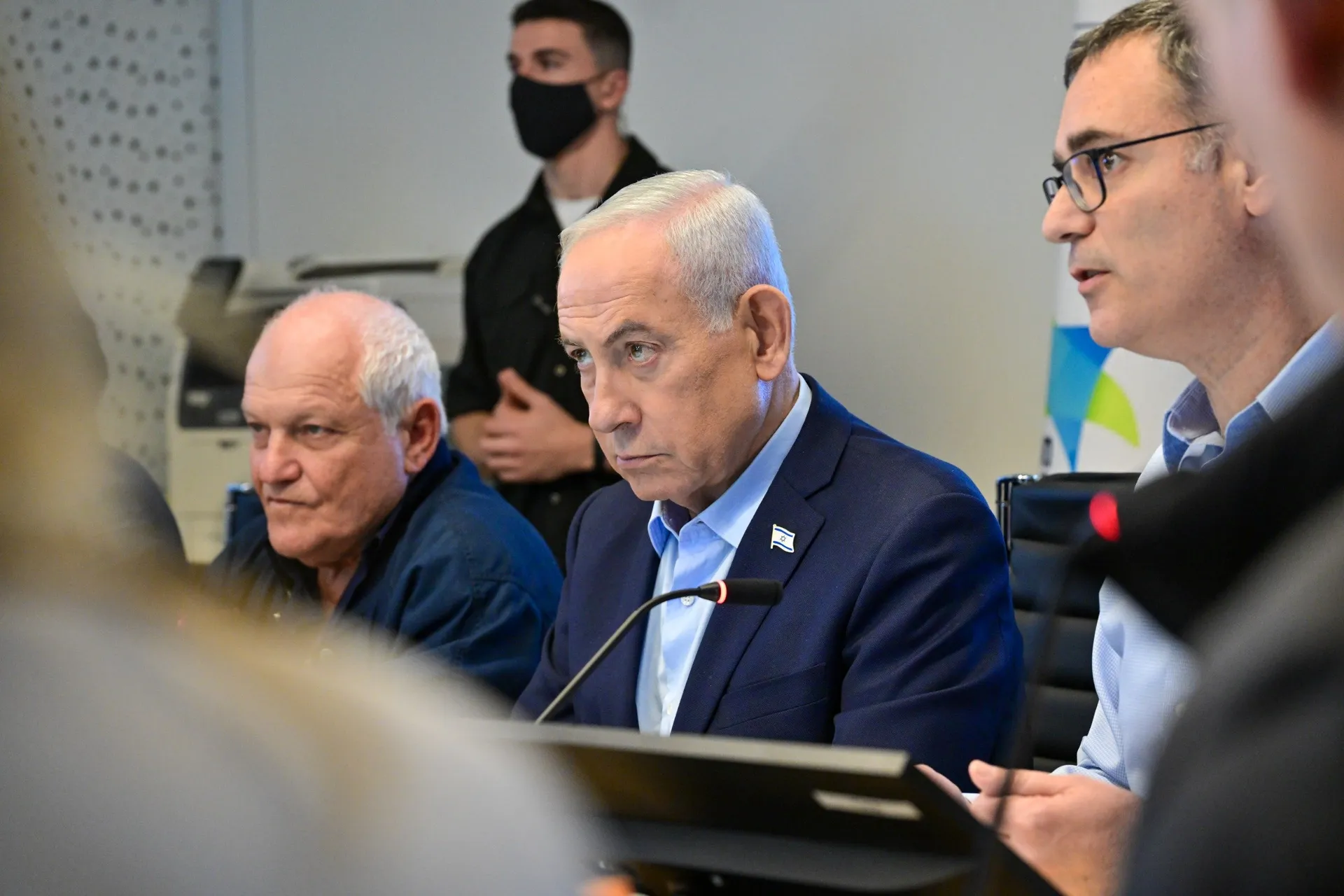
Midway through this week, Western media shook the Middle Eastern political scene – Israeli Prime Minister Benjamin Netanyahu arrived in the United Arab Emirates on a secret visit, allegedly while the American-Israeli war against Iran was ongoing.
The news came in the weeks after the United Arab Emirates left OPEC and OPEC+ and when it became clear that this wealthy state is reassessing its political and economic course.
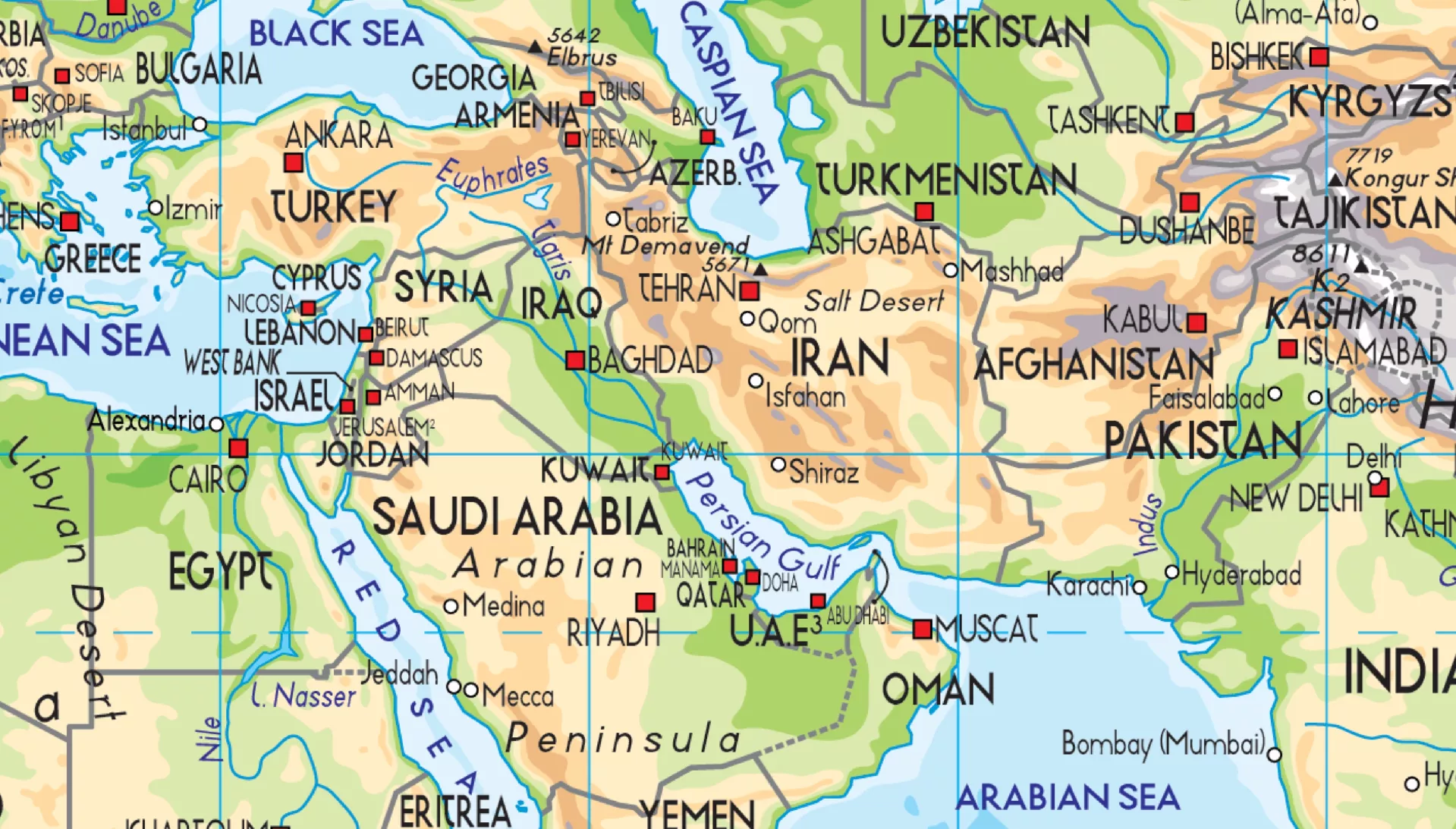
The timing of this "exclusive news," as some described it, leads to the conclusion that this information about Netanyahu's visit to the UAE and the meeting with President Sheikh Mohammed bin Zayed is in some way connected to a broader political picture beyond the meeting of the two politicians.
The news that bin Zayed and Netanyahu met was also announced from the office of the Israeli prime minister, so this could be another piece in the mosaic that was hinted at earlier from Tel Aviv.
Namely, just before the attack on Iran on February 28, Netanyahu said that a new alliance is being formed in and around the Middle East, which many interpreted as an rapprochement, among others, between Israel, India, and the United Arab Emirates.
Denial and New Suspicions
From the UAE, they denied that there was a Netanyahu visit and added that "relations with Israel are public and established within the framework of the well-known and publicly proclaimed Abraham Accords. These relations are not based on secrecy or secret agreements."
Before Netanyahu's office issued this statement, Reuters even wrote about the location of the meeting with bin Zayed, mentioning the city of Al-Ain near the border with Oman.
Western media did not stop there. Noting that Israel and the UAE have had diplomatic ties since Donald Trump's first term in the White House, through the aforementioned Abraham Accords, some claim that this small Arab state participated in some attacks on Iran with the American and Israeli military.
Western media were not the only ones claiming that cooperation between Israel and the UAE has been elevated to a very high level. For example, US Ambassador to Israel Mike Huckabee said on Tuesday that Israel sent its "Iron Dome" system to the United Arab Emirates to defend that state from Iranian missile and drone attacks.
That there was something in the UAE that Iran desperately wanted to hit is also shown by the report from the Ministry of Defense of this Arab state dated May 10. According to the report, the UAE attempted to intercept "551 ballistic missiles, 29 cruise missiles, and 2,265 drones since the outbreak of the war at the end of February," BBC reported.
Iran did not hide its intention to inflict enormous damage on the UAE at any moment. The ferocity of the attacks led many to wonder why they are doing it and why they do not direct their response at other states.
There is still no precise answer, and even after the ceasefire with the US, Iran has related to the UAE hostilely on several occasions. From the UAE, they stated that they reserve the right to respond to those attacks.
Israel's Public and Secret Network of Allies
The statement from the Israeli prime minister's office shook the Arab public, which for decades has hoped for some Arab or Muslim unity.
That somewhat naive wish, at least with the current Arab rulers, seems to have already faced the reality on the ground before – Israel is closer to many Arab states than some of them are to each other. The attitude of Arab states toward Palestine and the provision of assistance to the United States and Israel in the war against Iran proves this. What was being hidden during the war in Syria became clear to all who want to see it after Hamas's attack on Israel on October 7, 2023.
That is why the statement from Netanyahu's office is a surprise. Why would he want to shake the UAE leadership? For what purpose? There are several possible explanations for why Netanyahu would do this.
First, to tell the Arab and world public that a new Middle East is emerging and that Israel is no longer on the side of the minority. If one considers the relations of Arab and other Middle Eastern states toward Israel's war against Palestine, Lebanon, and Iran, it can be seen that Tehran is in the minority. If this is the case, then Israel will find it increasingly difficult in the West to advocate the position that it is a state threatened by neighbors who want to wipe it off the regional map.
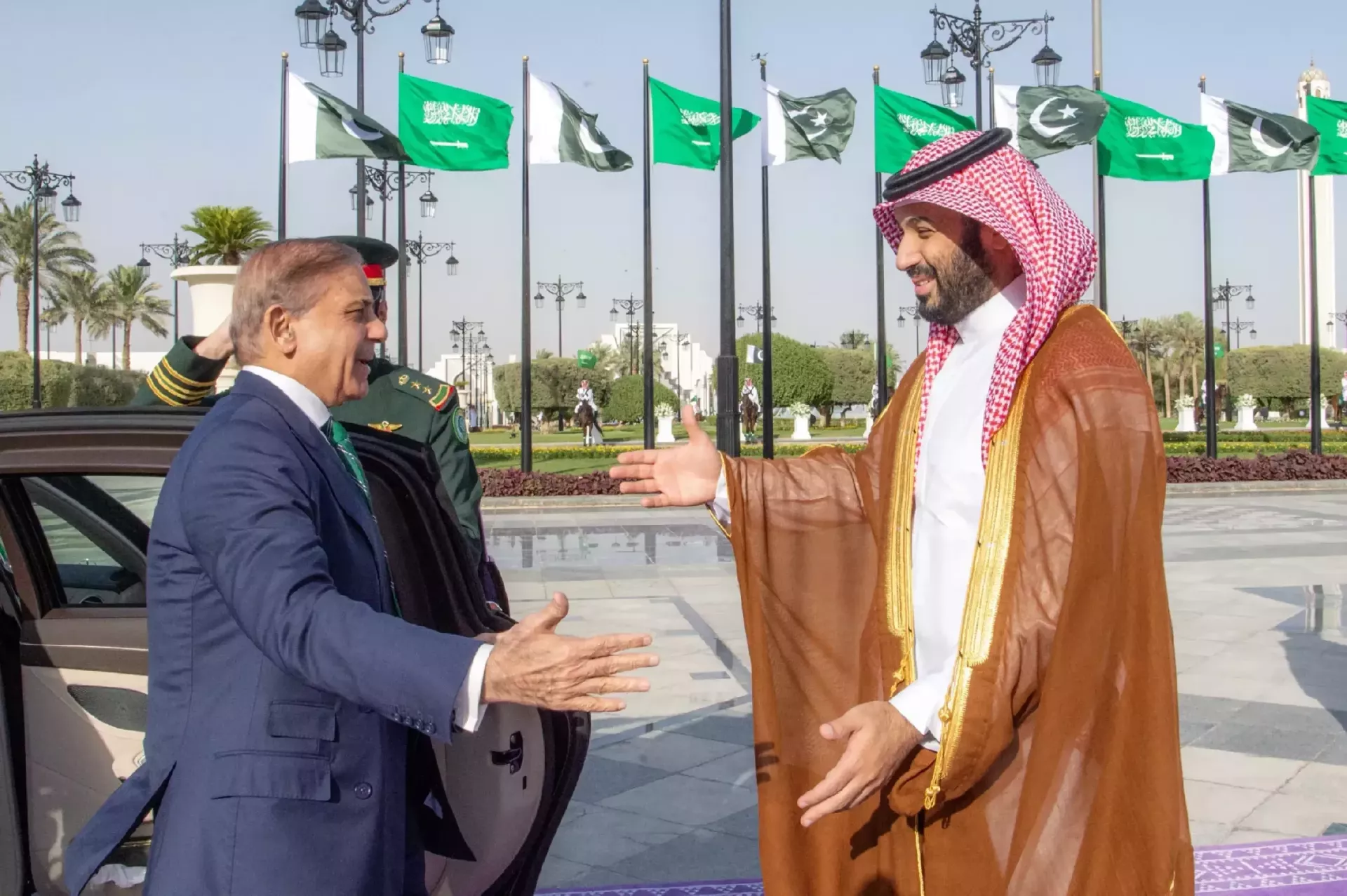
Second, by insisting that it has close political and military relations with the UAE, in addition to economic ones that both sides boast about, Netanyahu may want to encourage further Arab and Muslim divisions, prompting some rulers to suspect that there may be secret agreements in the region and that they may be responses to those public ones, like the one between Saudi Arabia and Pakistan on mutual defense.
The third explanation may lie in the dissatisfaction of Israel and the West with the behavior of the UAE leadership, as that state has recently shown that it also counts on China as an important economic partner. It should be remembered that when future relations with China were being considered, there was talk of an alleged rebellion in one of the emirates, which was allegedly ready to leave the state of the United Arab Emirates.
The American-Iranian Factor
The American-Israeli attack on Iran and subsequent negotiations between Tehran and Washington bring tectonic changes. Although the public does not know what is all on the table and whether there will be a continuation of the war or continuation of negotiations, some things in US-Iran relations are gaining their own dynamic and developing on their own.
This could be seen in the case of Iraq, where the United States and Iran are fighting for predominance. The struggle for the new mandate holder to form a new Iraqi government ended with congratulations from Washington and Tehran to Ali al-Zaid, proposed by Shiite parties. Trump sent him congratulations via social media on the last day of April, and yesterday the head of Iranian diplomacy, Seyed Abbas Araghchi, did the same after the government was elected.
Al-Zaidi, a newcomer to politics, emerged as one of the proposals for mandate holder, after the initial idea was for it to be the experienced politician Nouri al-Maliki, who openly leans toward Iran.
Financial Times wrote yesterday that Saudi Arabia is talking with allies about a possible non-aggression agreement with Iran and that many European capitals and the European Union have supported that plan.
Two days ago, Bloomberg wrote, citing Pakistani Defense Minister Khawaja Asif, that there is a possibility that Turkey and Qatar will join the aforementioned mutual defense agreement between Saudi Arabia and Pakistan.
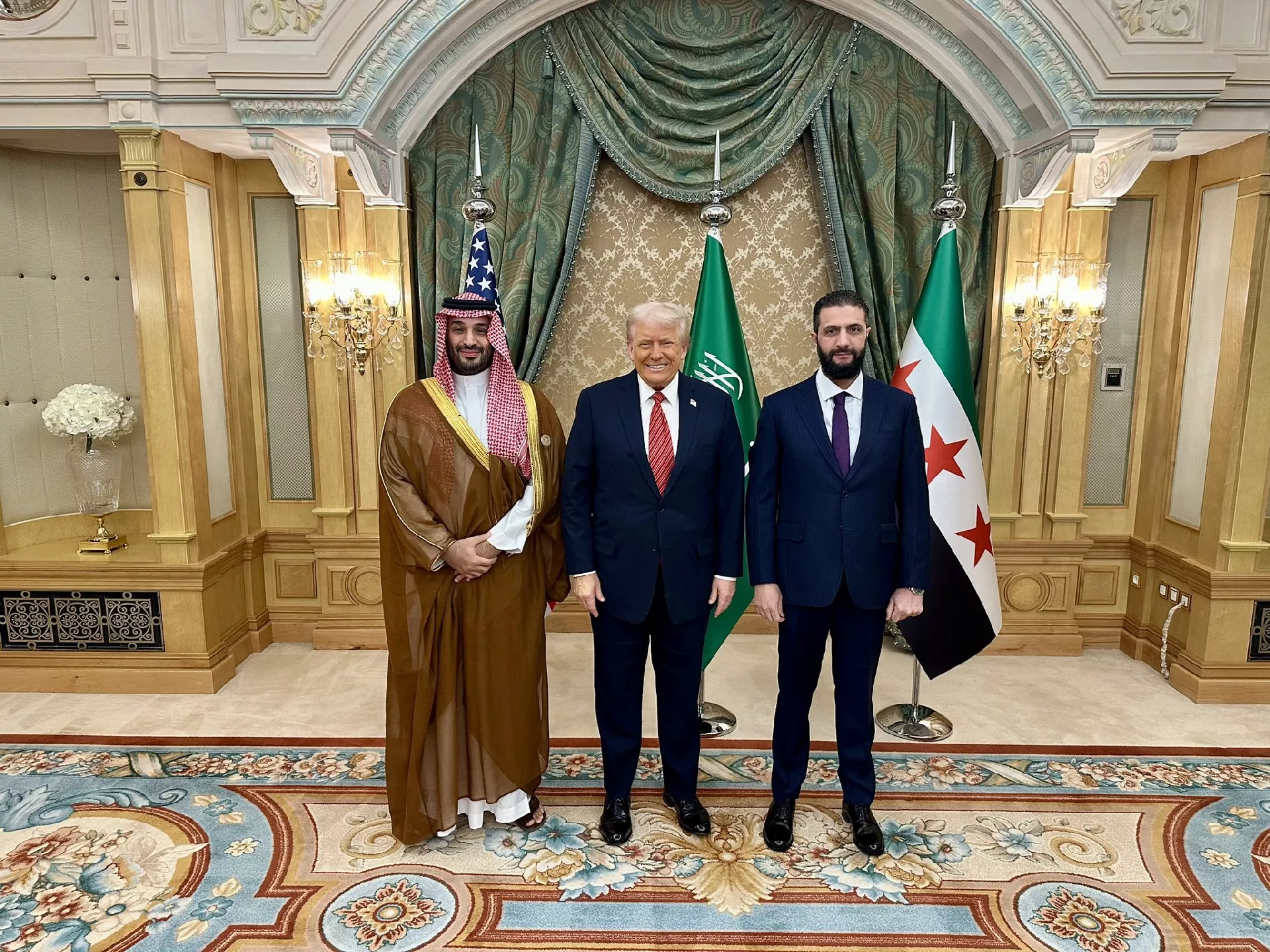
These few examples outline possible blocs forming in the Middle East after the Americans and Israelis did not break Iran. This grouping will not bypass Israel or the United Arab Emirates either, although it can be argued that Tel Aviv initiated this regional regrouping.
For Israel, which has long been almost isolated among Arab neighbors, every new ally is a success, especially if it is a wealthy or militarily strong state. Therefore, it is an important question whether the United Arab Emirates will join the bloc gathered around Riyadh, Tehran, or Tel Aviv. If they choose Tel Aviv, it would be a new blow to Arab unity and Riyadh's intention to lead Arab states, especially those in the Persian Gulf. The fact that the United Arab Emirates have already turned the page in the energy sector, leaving OPEC and OPEC+, suggests that they will turn a new page in their politics as well.
Tags: Armin Sijamić, UAE, Israel, Iran, US, Iraq, Middle East, Pakistan, Saudi Arabia, Benjamin Netanyahu, Mohammed bin Zayed
Komentari (0)
Prijavite se za komentiranje
PrijavaJos nema komentara. Budite prvi!
Minuta
Sve →Iz drugih kategorija

High Representative Not Elected: Germans, French and British Against Americans, New Attempt at End of June

ČOVIĆ WITHOUT MERCY: How Those Who Brought Ademović to Office Created a Political Hell for Him



Sunny Saturday, quite warm



Tragedy in Albanian resort: Two minors drown












