
(Patria) - Two or three weeks ago, the most important news, besides that about the COVID-19 pandemic and the spread of the virus, was news about mass purchasing and stockpiling of food, cleaning and disinfecting supplies, and toilet paper.
These news items were usually illustrated with images of empty supermarket shelves and indicated that shortages of food and other necessities would become a serious problem. And for a short while, in Bosnia and Herzegovina, that shortage was real, but not when it came to chicken meat and products. We can thank the strong BH poultry industry and producers who know what they are doing for that.
Last year, BiH received approval from the European Union for the export of chicken, chicken products, and eggs for further processing, and the first deliveries to the EU market went out in September.
Application of Food Safety Standards
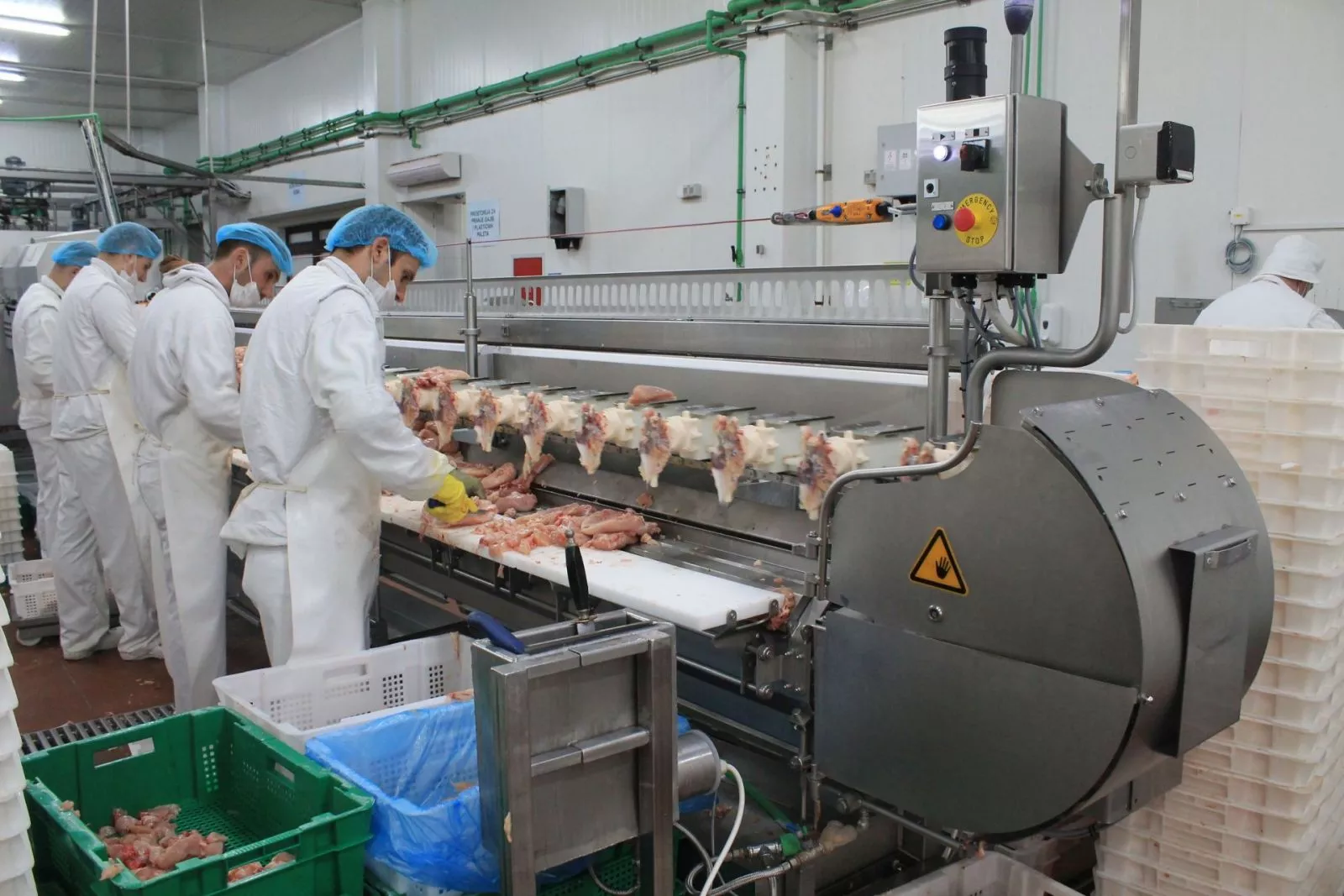
The COVID-19 pandemic did not surprise BROVIS, a chicken meat producer from Visoko and a member of AKOVA GRUPA, and Jasmin Spahić, director of BROVIS, emphasizes that they were capable of responding to it.
“In our food production, we already apply HACCP safety standards based on critical control points in hazard analysis, and our employees are accustomed to wearing protective equipment daily. With the emergence of the coronavirus, we reacted quickly. We procured additional protective equipment, as well as disinfectants that employees use not only while working but also at home.“
Strong Production and Secure Jobs
Jasmin says that their production proceeds according to a strict schedule from the moment the chick hatches, through raising the chicken, to meat production and processing. He states that the pandemic did not affect this process, but that during March, there was an increase in demand of about 15 percent, which they were able to meet.
“We noticed an initial increase in demand that we could cover. We produce animal feed ourselves and cooperate with more than 100 farms, i.e., cooperants, who raise broilers for us, so we were in a good position from that side.“
MADI, a chicken processor from Tešanj, decided to reduce exports, hire an additional 30 workers, and increase production by 15 percent during the same period, and suspend new projects to free up resources that were more needed at that moment for stabilizing the domestic market.
“At the beginning of the pandemic, we believed that we first had to meet the needs of the domestic market, and only then think about exports. Our reaction was, if I can put it that way, patriotic, and we did not want to allow a shortage of chicken meat or products for our consumers,“ says MADI director, Maid Jabandžić.
Maid emphasizes that regardless of everything, MADI will not lay off workers, not even newly hired ones, while Jasmin says he will do everything to prevent that from happening. Adapting to the Situation
Be that as it may, the markets are vibrant and the situation is changing day by day. For example, a few days ago, Kosovo lifted tariffs on products from Bosnia and Herzegovina, CEFTA is working on establishing a green corridor for the transport of essential products in the Western Balkans, and supply and demand in various markets are fluctuating.
Demand in the BH market has returned to its previous level, so at the end of March, MADI even recorded a drop in demand in the domestic market. MADI exports 12 percent of its products to Serbia, Montenegro, North Macedonia, Germany, and Sweden, while AKOVA GRUPA exports part of its products to the region and the European Union, especially to Croatia.
“The situation has currently stabilized, but risk always exists. There is no business with zero percent risk, so we will monitor the situation daily and adapt as needed,“ says Jasmin.
“The market is volatile, one needs to follow the situation.“
Maid is more skeptical, and his biggest fear currently is that due to the economic crisis, there could be a significant market contraction. He sees this scenario not only in BiH but globally.
“This could be the biggest economic crisis since World War II, and we must be prepared for it,“ warns Maid.
The Sweden/USAID FARMA II project provided direct technical support to both BROVIS and MADI, and MADI also received grants for the purchase of laboratory equipment and the implementation of IFS quality standards. Direct support, combined with the activities of the Sweden/USAID FARMA II project in opening up the EU market for chicken products from Bosnia and Herzegovina, has increased the competitiveness of these and other producers, and strengthened their value chains, which is now benefiting local consumers during the COVID-19 pandemic.
Over the last four years, the Sweden/USAID FARMA II project has been intensively supporting the development of the poultry sector in BiH and providing support in harmonizing relevant laws and regulations with those of the EU. The project also assists chicken producers and processors in meeting the requirements for export to the EU, including health and quality control, and in increasing productivity.
Komentari (0)
Prijavite se za komentiranje
PrijavaJos nema komentara. Budite prvi!
Minuta
Sve →Iz drugih kategorija

High Representative Not Elected: Germans, French and British Against Americans, New Attempt at End of June

ČOVIĆ WITHOUT MERCY: How Those Who Brought Ademović to Office Created a Political Hell for Him



Sunny Saturday, quite warm



Tragedy in Albanian resort: Two minors drown












