
By Armin Sijamić
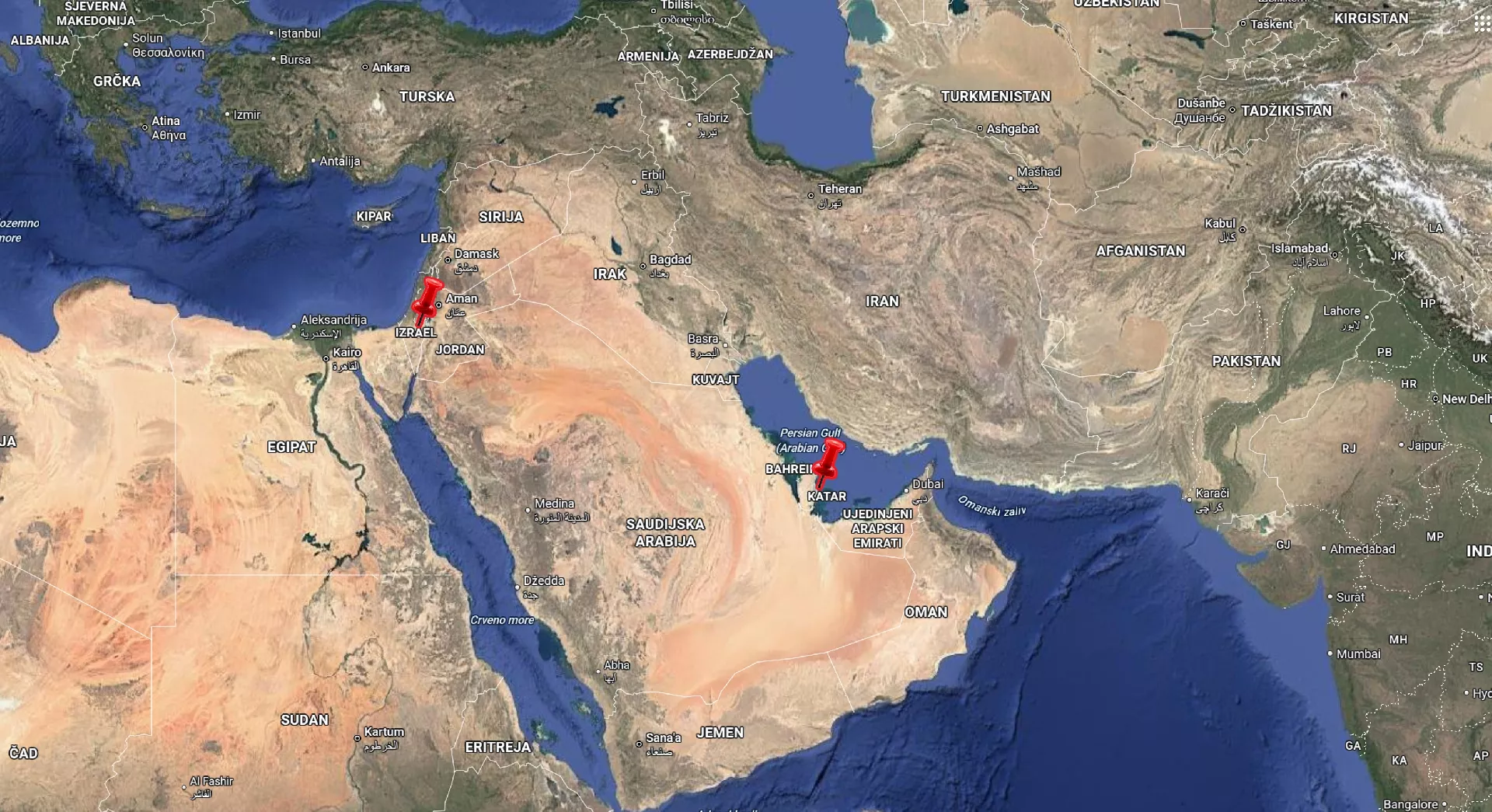
On Tuesday, Israel attacked targets within Qatar, a country over 1,720 kilometers away. Israeli Prime Minister Benjamin Netanyahu, as part of his new political doctrine, wanted to send a message that his country has the ability and strength to do whatever it wants in the Middle East.
In the midst of the war with the Lebanese Shiite Hezbollah and as the regime of Syrian President Bashar al-Assad was collapsing, Israeli Prime Minister Benjamin Netanyahu spoke of creating a "new Middle East," asking Israelis for a little more patience and support in fighting on multiple fronts when it seemed the country was going from one war to another without a clear perspective on when and how to end them.
These events coincided with the arrival of a new administration in Washington, although President Joseph Biden can add to his biography that Assad was overthrown during his term, after decades of efforts by the United States to achieve this.
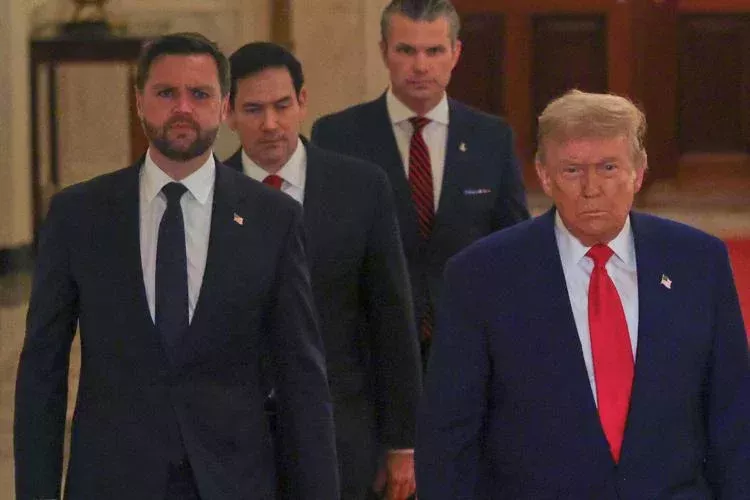
Donald Trump, as the first choice of the pro-Israeli lobby in the November elections in the United States, stated before entering the White House that he unconditionally supported Netanyahu. During his first term, Assad ironically said that he was the best American president because he spoke the truth. Trump had previously stated that he took the oil in Syria and that's why he sent troops there.
American Arab Allies
Numerous Arab states, especially those in the Persian Gulf, counted on good relations with Trump. They had in mind Trump's words that Washington "provides them with security" and that without American help, they "probably wouldn't exist." Saudi Arabia, the United Arab Emirates, and others promised hundreds of billions of dollars in investments in the United States, ordered huge quantities of weapons they would never fully utilize, and sided with the American and Israeli side in conflicts in Lebanon, Syria, Yemen, and elsewhere, citing fear of Iran.
In May, Qatar gifted Trump a plane worth $400 million, has hosted the American Al-Udeid military base for decades, which Iran targeted in June, and has been mediating negotiations between Hamas and Israel for almost two years due to the war in the Gaza Strip. Qatar has been home to Hamas leadership for many years, and the Qatari government financed the authorities in the Gaza Strip. Qatari Prime Minister Sheikh Mohammed bin Abdulrahman al-Thani claimed that he hosted Hamas leadership at Washington's request.
None of this prevented Netanyahu from attacking Qatar, or rather, Hamas leaders. According to media reports, the group's leadership survived. Five people lost their lives in the attack in Doha, including the son of Khalil al-Hayya, Hamas's leader for Gaza and chief negotiator for peace.
Netanyahu has ordered the assassinations of negotiators, whom he considers terrorists, multiple times since October 7, 2023. Another Hamas negotiator was killed, an Iranian nuclear program negotiator was attacked, and the leader of Hezbollah was liquidated after allegedly agreeing to a ceasefire.
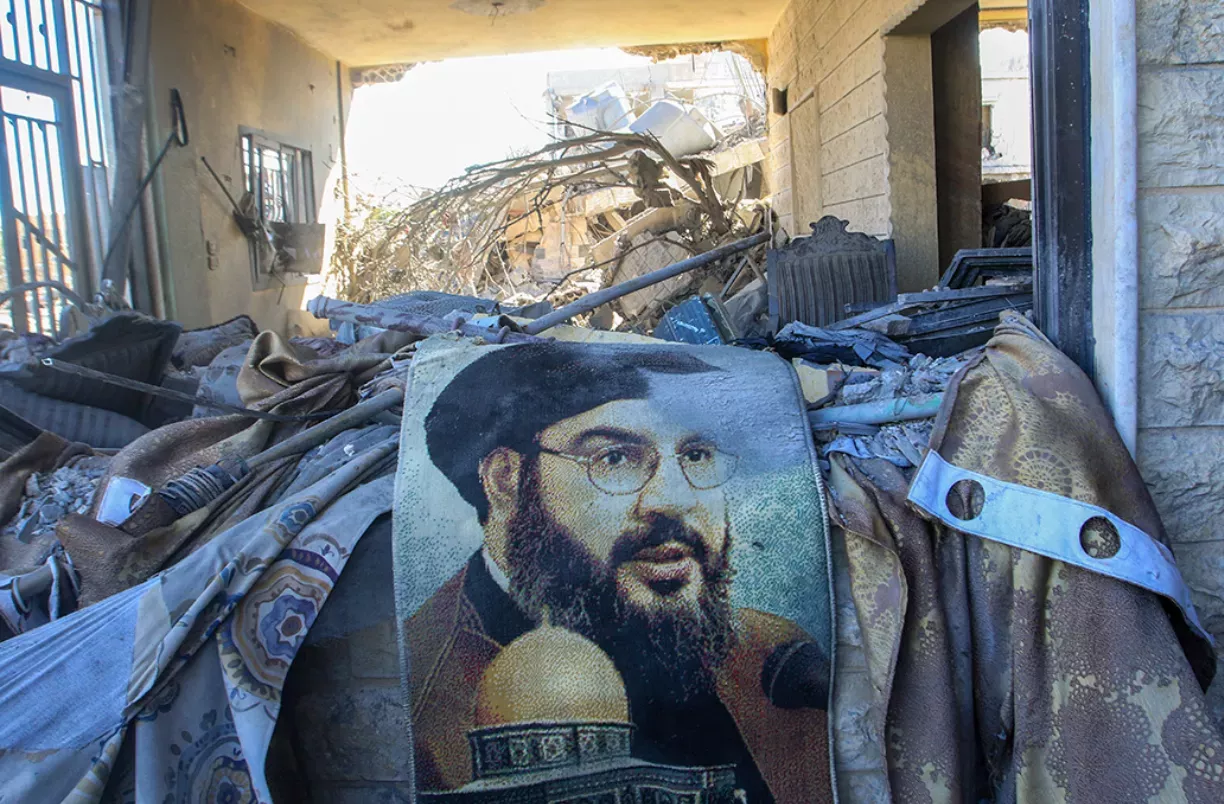
Western media, citing Israeli or various secret sources, claim that the White House is furious about these attacks and that Netanyahu does not have support for such moves. However, it is difficult to believe this. In just 24 hours, measured from the attack in Qatar, Israel has also bombed Syria, Lebanon, the Gaza Strip, and Yemen. In addition to these, since the beginning of the war in the Gaza Strip, Israel has also bombed Iraq and Iran.
In other words, Netanyahu is telling everyone in the region, even political and military leaders, that they can be targets and that Washington will do nothing to protect its allies if they fall out of favor with Israel.
New Middle East
The reactions from the United States to the attack in Doha are expected. Some claim that the White House knew about the attacks, while others claim it did not. But the real truth is that the United States knew about this attack. Namely, the entire region is monitored from the Al-Udeid base. It is impossible that American forces did not see Israeli planes on their radars, which are mostly of American production, flying over 1,700 kilometers through the airspace of several countries. That base was used to monitor and shoot down Iranian missiles and drones in several rounds of clashes between Tehran and Tel Aviv, as well as for American attacks on Iran.
Netanyahu's attack on Qatar is part of a policy he has been systematically pursuing for months. Encouraged by the fall of Assad, the heavy blows inflicted on Hezbollah, and the destruction of the Gaza Strip before the eyes of the world, Netanyahu is creating a regional order in which he can attack when and whom he wants. In this order, the United States, most of the West, and some regional states will provide him with support.
It should be recalled that the fall of Assad was also a goal of numerous regional states, that some defended Israel from Iranian attacks, that some desire the end of Lebanese Hezbollah just as Israel does, and that almost all of them do nothing to help civilians in the Gaza Strip and Palestine as a whole.
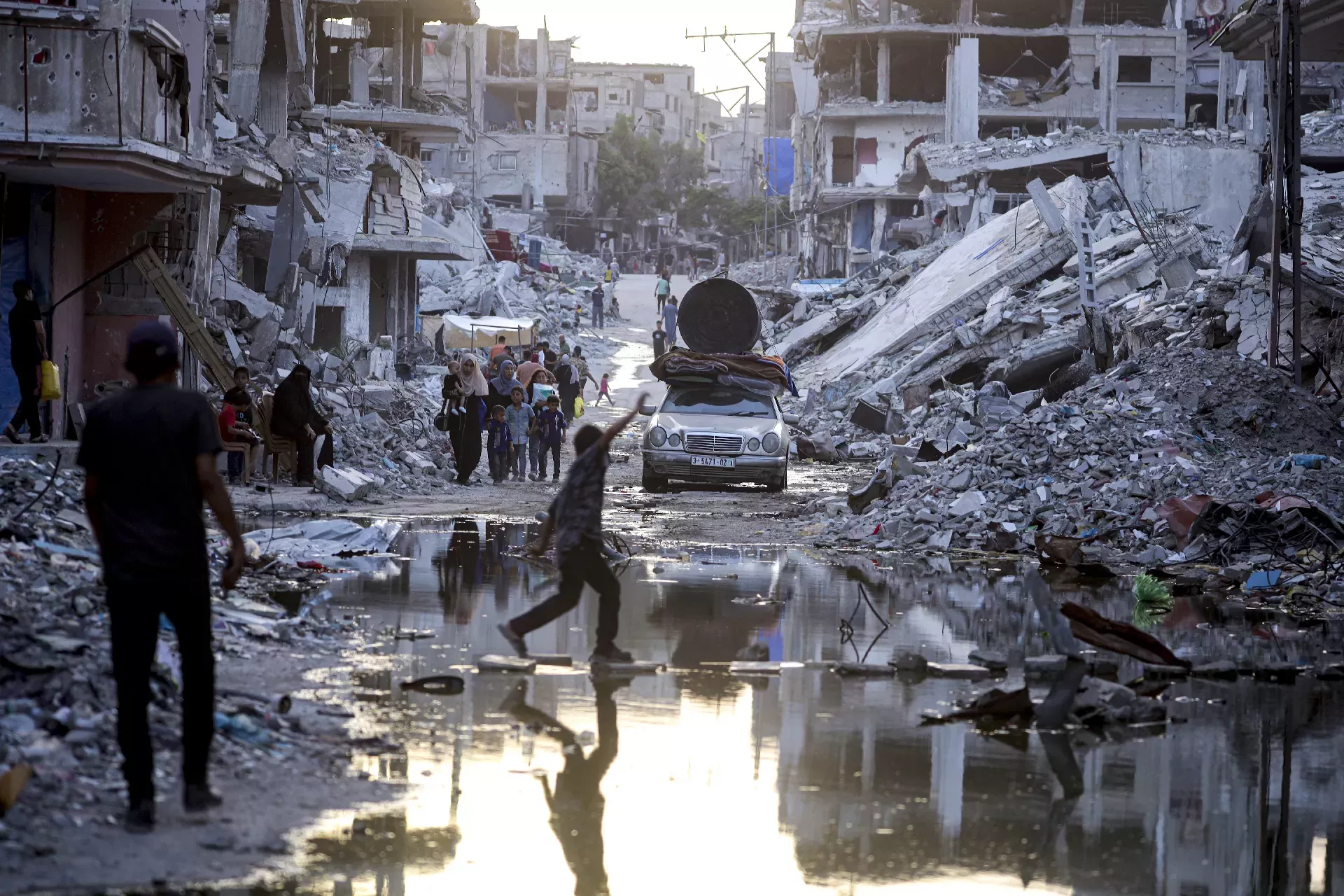
Such a stance can also be viewed through their particular interests. But, in that case, the question remains how it is that none of them have done anything against the interests of the West and Israel while the destruction of the Palestinian people continues, and how they have not missed any opportunity to strike their rivals when they could, from Lebanon to Iran and from the Gaza Strip to Yemen.
In response to the attack, Doha announced that it will organize a meeting of regional states and perhaps pursue Netanyahu in international courts. Iran, which has good relations with Doha, calls for Muslim unity, and Hezbollah leader Naim Qassem calls for support for his group, which Israel, the United States, and Saudi Arabia are trying to disarm these days.
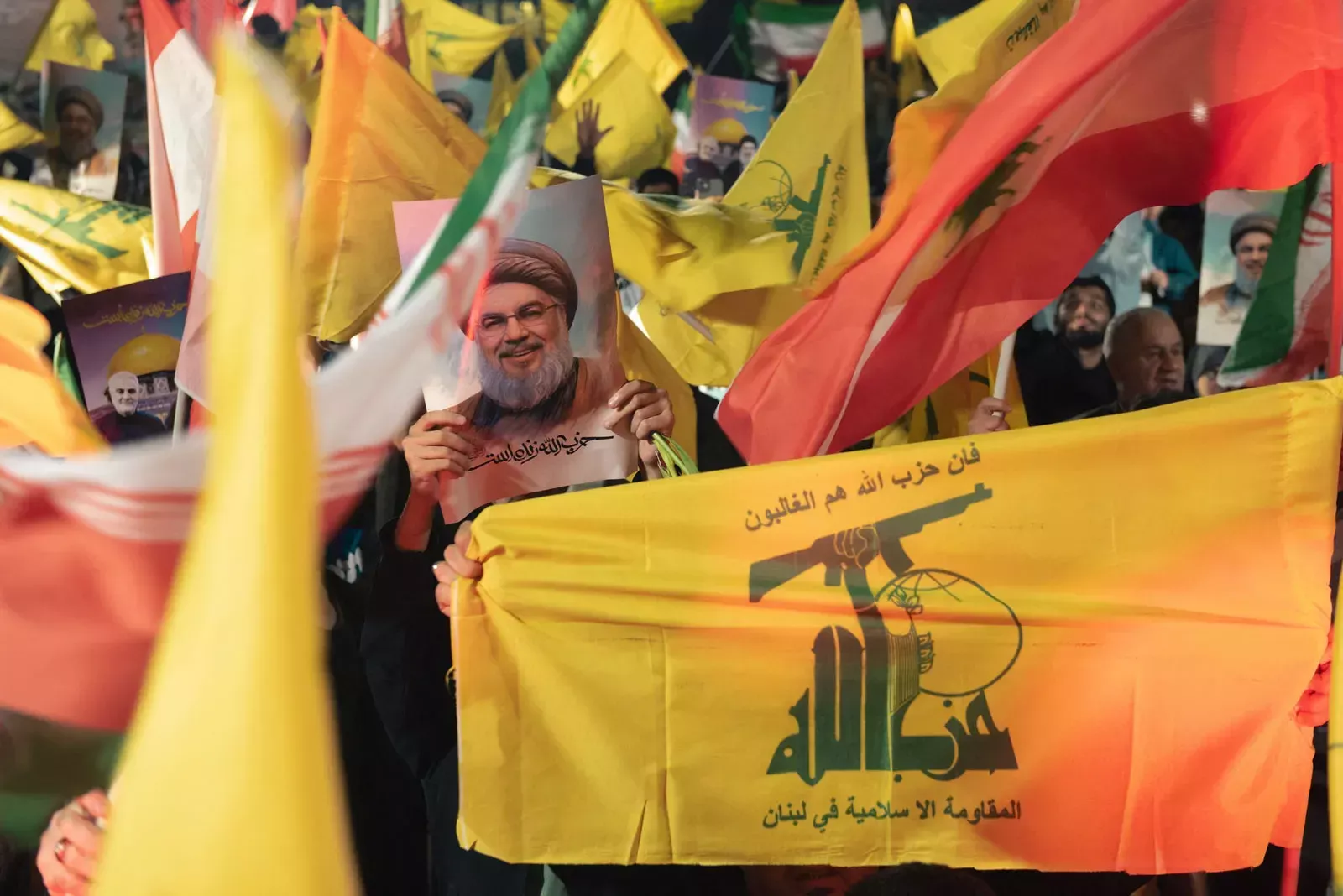
It is clear that Netanyahu is playing with the white pieces in this game. Qatar is not seeking the closure of the American base on its territory, other Arab states have not closed their airspace to Israeli warplanes, and Hamas leaders and members will continue to be targets for Israel. After Israel targeted them in the Gaza Strip, Lebanon, Syria, Iran, and Qatar, they have only not been attacked in Turkey and Egypt.
In other words, the question now is who will be the next Netanyahu attacks, with the (tacit) support of the West. If there are no adequate responses from the attacked states, then we can talk about the new Middle East that Netanyahu desires and has been gradually creating for almost two years.
Komentari (0)
Prijavite se za komentiranje
PrijavaJos nema komentara. Budite prvi!
Minuta
Sve →Iz drugih kategorija

High Representative Not Elected: Germans, French and British Against Americans, New Attempt at End of June

ČOVIĆ WITHOUT MERCY: How Those Who Brought Ademović to Office Created a Political Hell for Him



Sunny Saturday, quite warm



Tragedy in Albanian resort: Two minors drown












