
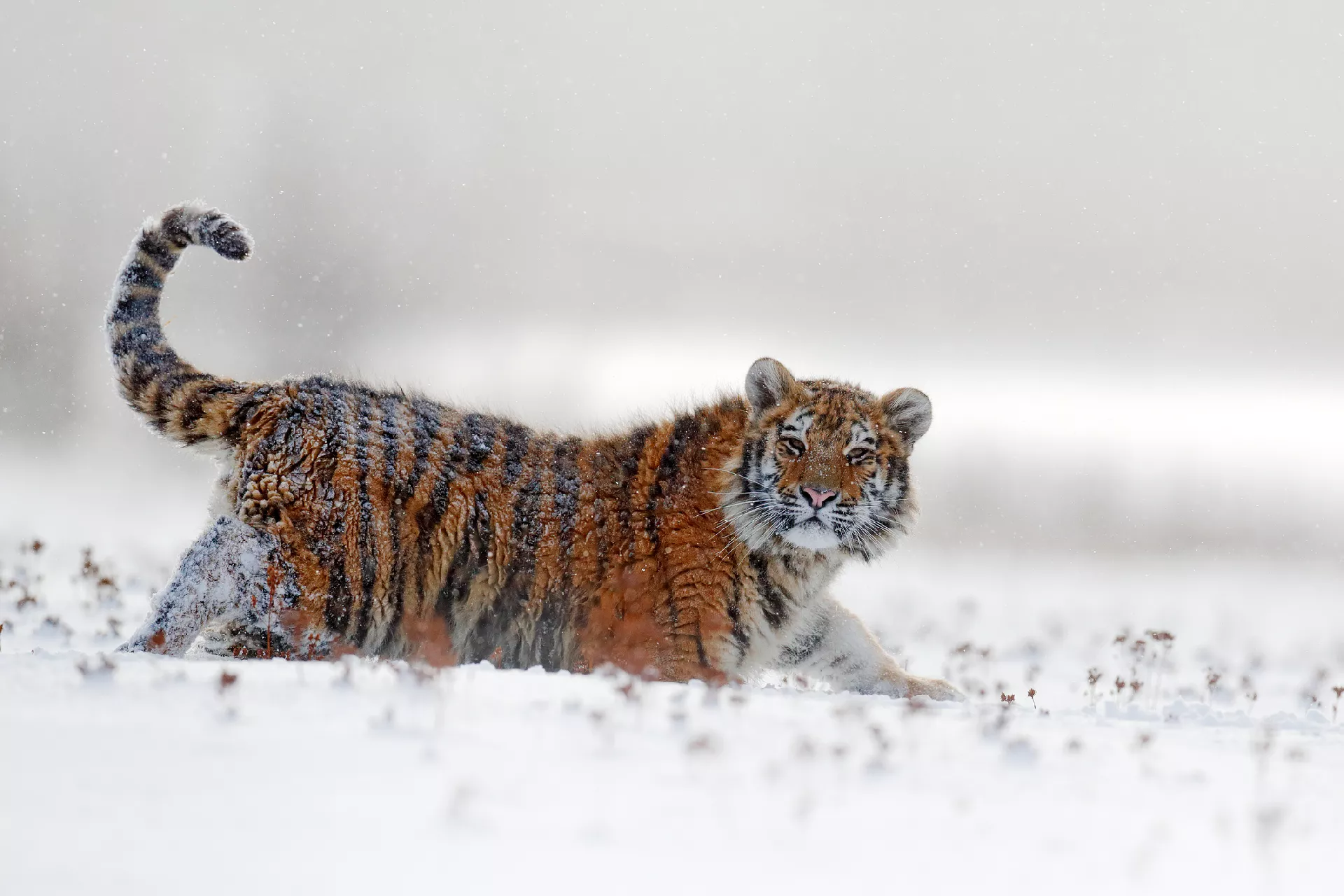
(Patria) - The recently published book "Tigers Between Empires" tells the fascinating story of the rise, fall, and resurrection of the Amur, or Siberian, tiger - an impressive beast that survives in the harsh landscapes of the Russian Far East.
The book's author, American biologist and writer Jonathan C. Slaght, describes the world's longest-running tiger research project - the Siberian Tiger Project, an international collaboration that combined American technology and Russian expertise to save the tiger from extinction, CNN reports.
The project was founded in 1992 by biologist Dale Miquelle, who spent more than three decades in Russia dedicated to protecting this species. Although Miquelle had planned to write a book about his work for years, Slaght eventually did it - after four years of work and 512 pages, a chronicle of scientific endeavor, adventure, and friendship was created.
In addition to history and science, the book also describes the incredible fates of individual tigers - like Olga, a female, the first animal to be fitted with a radio collar. Scientists tracked her for 13 years, and she became so well-known that local hunters recognized her and spared her life. Such cases, says Slaght, show how much the tiger can become a symbol of the community when people learn to respect nature.
In the 1930s, only about thirty tigers lived in Russia. Thanks to hunting bans and the creation of reserves, their numbers slowly began to recover, but with the collapse of the Soviet Union, there was another wave of poaching. It was then that the Siberian Tiger Project was created, combining American technology for tracking animals with Russian field experience.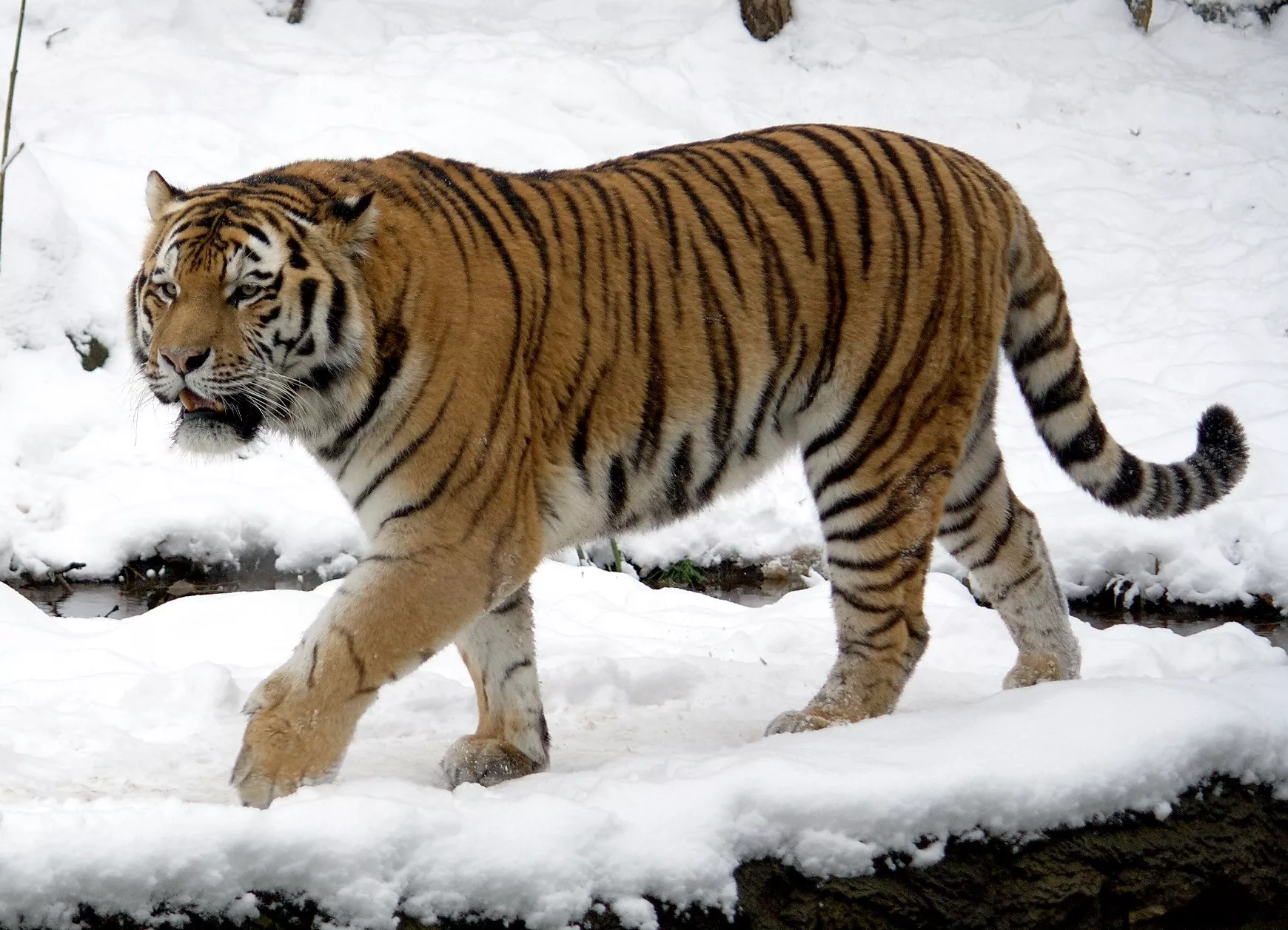
Data collected over more than three decades has revealed much about the behavior of these hidden predators - from dietary habits and territorial inheritance to relationships among tiger families. The project has produced nearly 200 scientific papers and led to the creation of new protected areas that have doubled the tigers' habitat.
Slaght warns that, according to project data, as many as 75% of tiger deaths in the early years were caused by poaching. He describes the economic crisis, poverty, and the fur trade as devastating forces that have long threatened the survival of the species.
Today, there are up to 600 individuals of this tiger in the world, a species that has returned "from the dead".
After 2010, relations between the Russian authorities and foreign organizations became more tense. By 2016, the project had lost most of its influence, and after the Russian invasion of Ukraine in 2022, numerous international organizations, including WWF and Greenpeace, were banned. Miquelle returned to the US after thirty years of work in Russia.
Despite political obstacles, Slaght points out that there are also positive developments. Russia and China are working together to conserve tiger populations through joint border parks, which gives hope that their habitats will continue to expand.
For Slaght, who began his scientific journey in the same village where the project headquarters was located, this book is a personal story and a tribute to the people who have dedicated their lives to nature conservation. As the author of the award-winning book "Owls of the Eastern Ice," Slaght once again combines science, fieldwork, and storytelling talent in his new work.
The message of the book, he says, is not that the mission to save tigers is over, but that success is only possible with constant care: "These animals have barely returned from the brink of extinction. It is up to us to ensure that history does not repeat itself".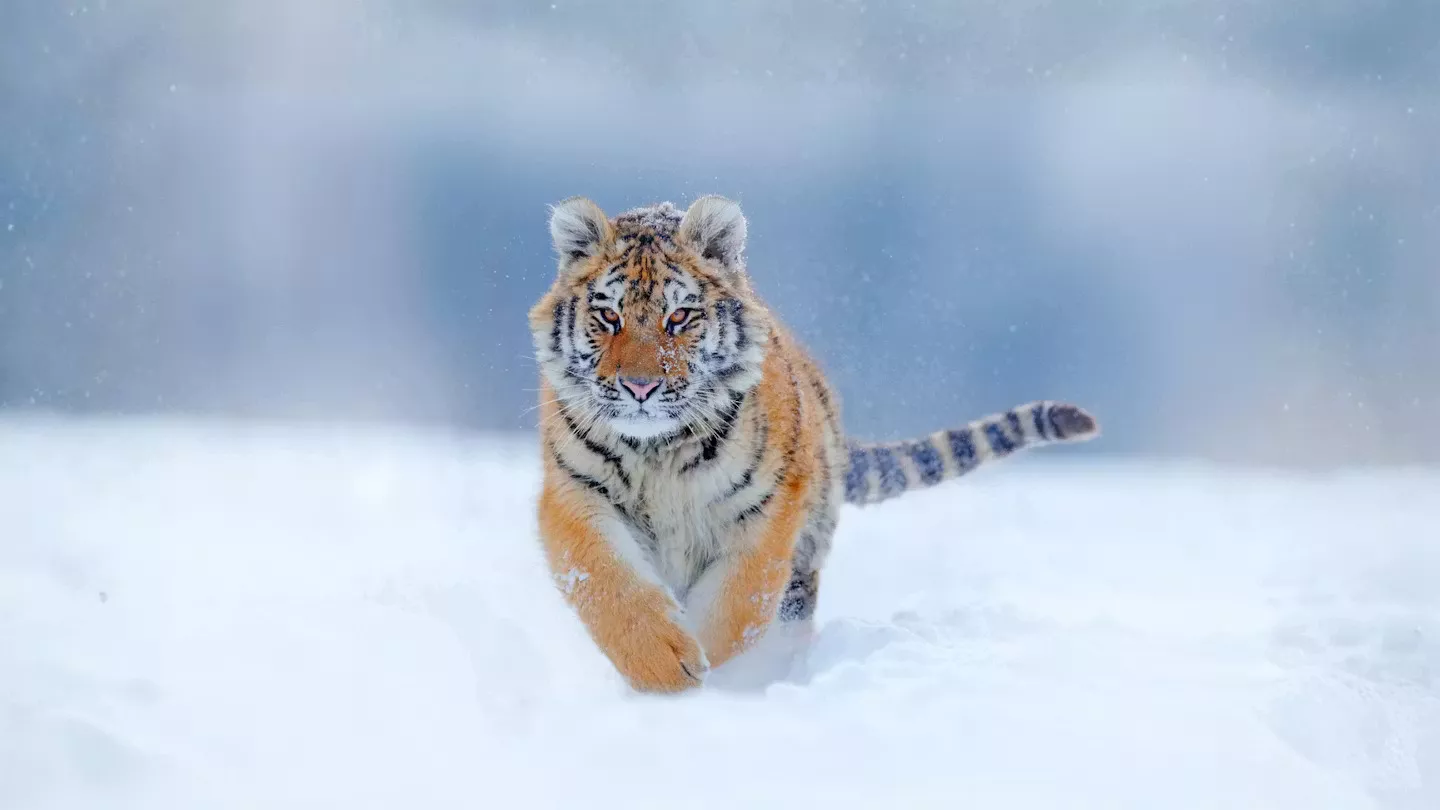
About the Siberian Tiger
The Siberian, or Amur, tiger is the largest subspecies of tiger and one of the most impressive predators in the world.
Adult male Siberian tigers weigh on average about 170-220 kilograms, while females generally weigh 110-140 kilograms.
The body length with the tail can reach about three meters for males, while females are slightly shorter and more lightly built.
The Siberian tiger is a strict carnivore that feeds primarily on deer, roe deer, wild boar, and other medium to large mammals.
An adult tiger in a cold climate needs an average of about 8-10 kilograms of meat per day to survive, but it can eat 20-30 kilograms in one meal, and occasionally up to about 50 kilograms of prey.
Siberian tigers can mate throughout the year, but the peak of mating in the wild is often recorded in winter, from the end of the year to early spring.
The female carries cubs for about 3 to 3.5 months, and most often gives birth to 2-4, sometimes up to six cubs, with most of the care and raising of the litter falling solely on the mother.
The Siberian tiger inhabits the cold, forested areas of the Russian Far East (Primorye and Khabarovsk), with smaller populations in northeastern China and possibly in North Korea.
It is best suited to mixed and coniferous forests with a rich prey population, and the territories of adult individuals can be vast - up to about 1,000 square kilometers - as they must search large areas in search of food.
Komentari (0)
Prijavite se za komentiranje
PrijavaJos nema komentara. Budite prvi!
Minuta
Sve →Iz drugih kategorija

High Representative Not Elected: Germans, French and British Against Americans, New Attempt at End of June

ČOVIĆ WITHOUT MERCY: How Those Who Brought Ademović to Office Created a Political Hell for Him



Sunny Saturday, quite warm



Tragedy in Albanian resort: Two minors drown












