
By: Armin Sijamić
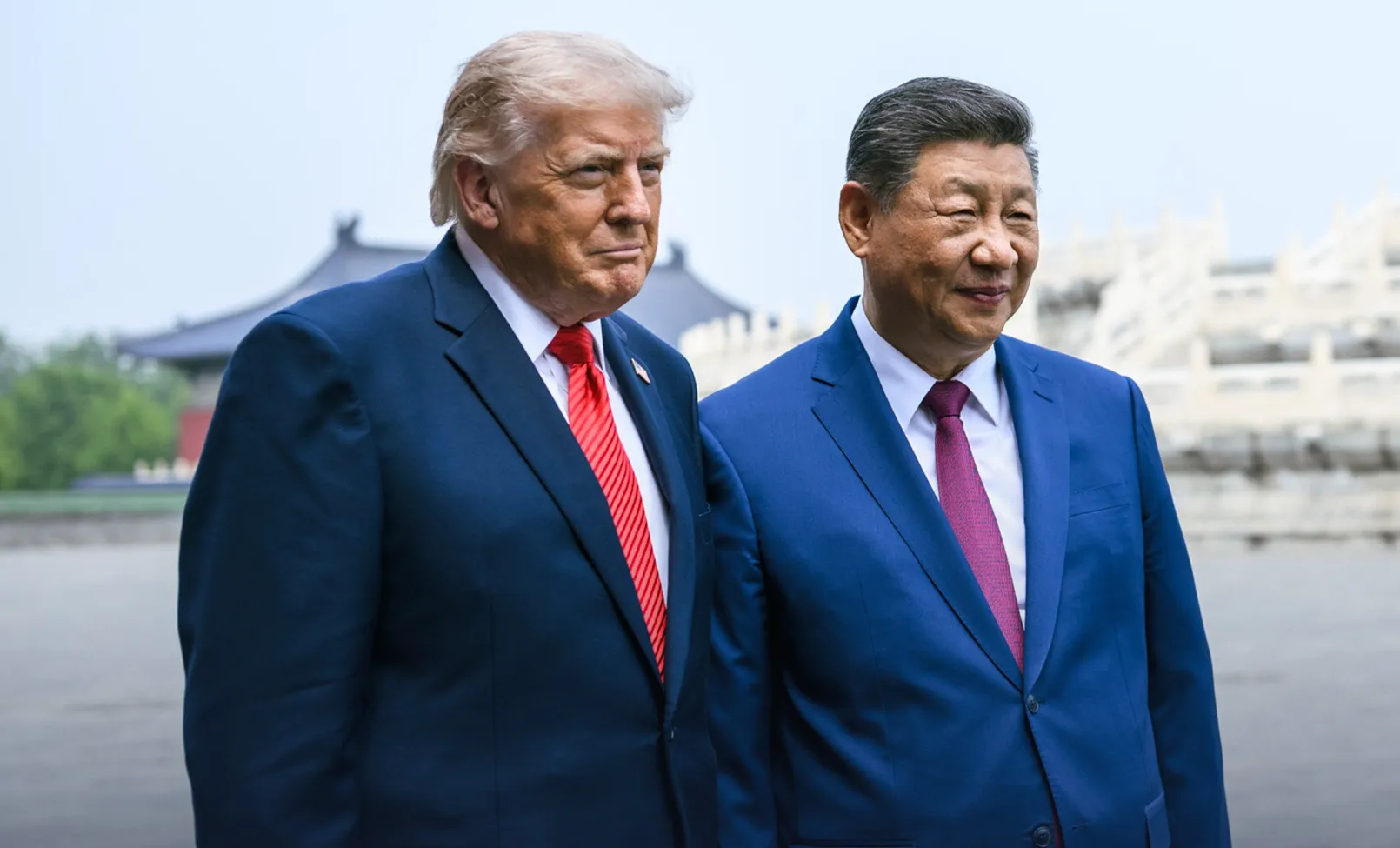
At the end of last week, the eyes of the world were on China. The presidents and representatives of the two largest world powers and the heads of major Chinese and American companies talked for two days.
American President Donald Trump very often says in his public appearances that he "knows a foreign politician very well" and therefore understands their policies better than others. He criticized his predecessor in the White House, speaking about Russia or China, with the "explanation" that American policy was wrong and that he would do it differently because he knew the leaders of those countries.
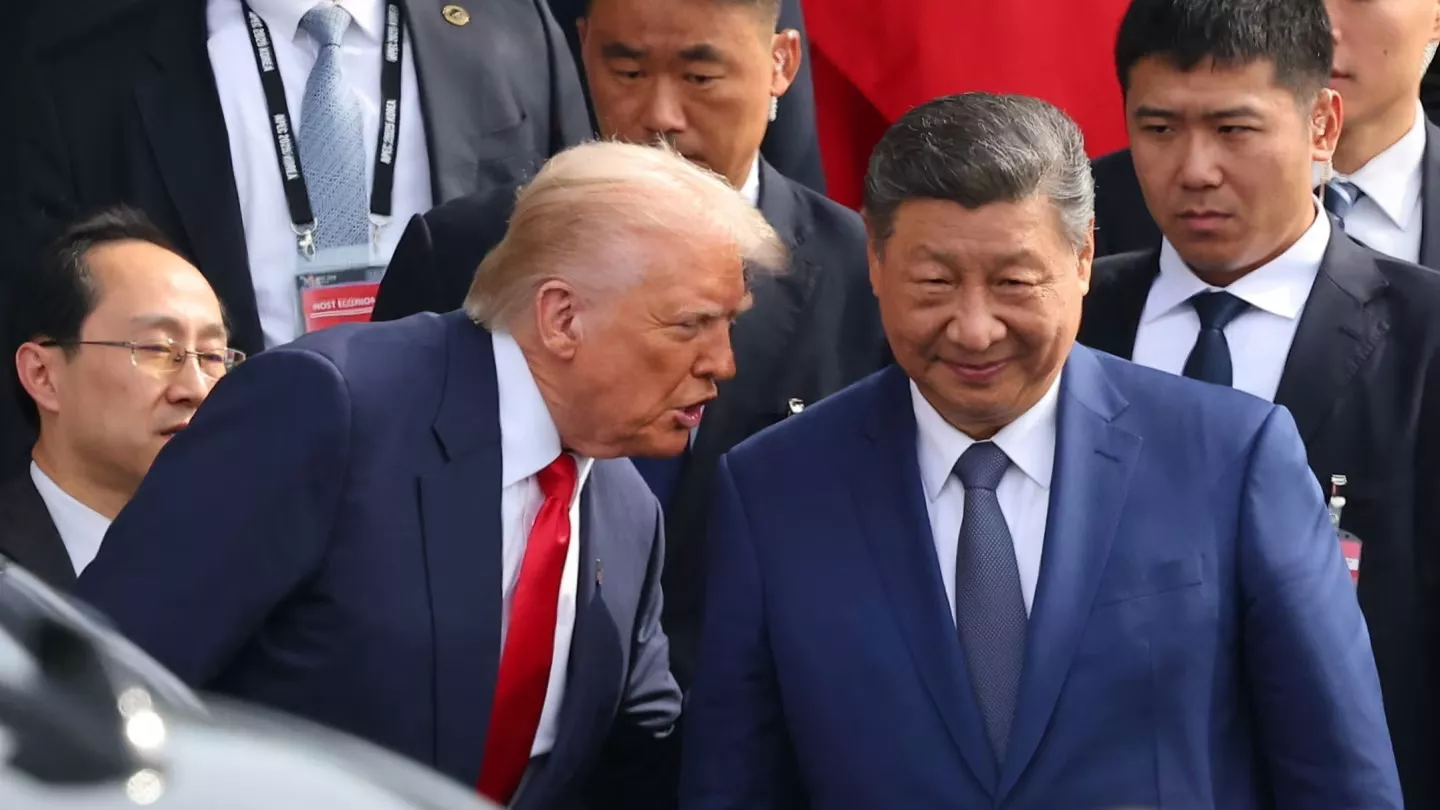
He also showed this knowledge, perhaps for the first time so clearly and practically, at the summit in China. After Chinese President Xi Jinping's remark that the two largest powers should not fall into the so-called "Thucydides Trap," referring to a theory in political science that a rising power must clash with a declining power in a struggle for primacy, Trump stated on social media that he understood this as the Chinese president's position that the United States is a "declining nation," and then presented it to the American public as an assessment of the world's greatest power during Joseph Biden's time in the White House.
This bold statement by the Chinese leader, who for a clear reason refers to the ancient Greek foundations of Western civilization, of which the United States has been the leader for about a hundred years, perhaps best summarizes the mood in Beijing as they waited for their guests to offer a plan on how China would be recognized as a world power.
From Iran to the Economy
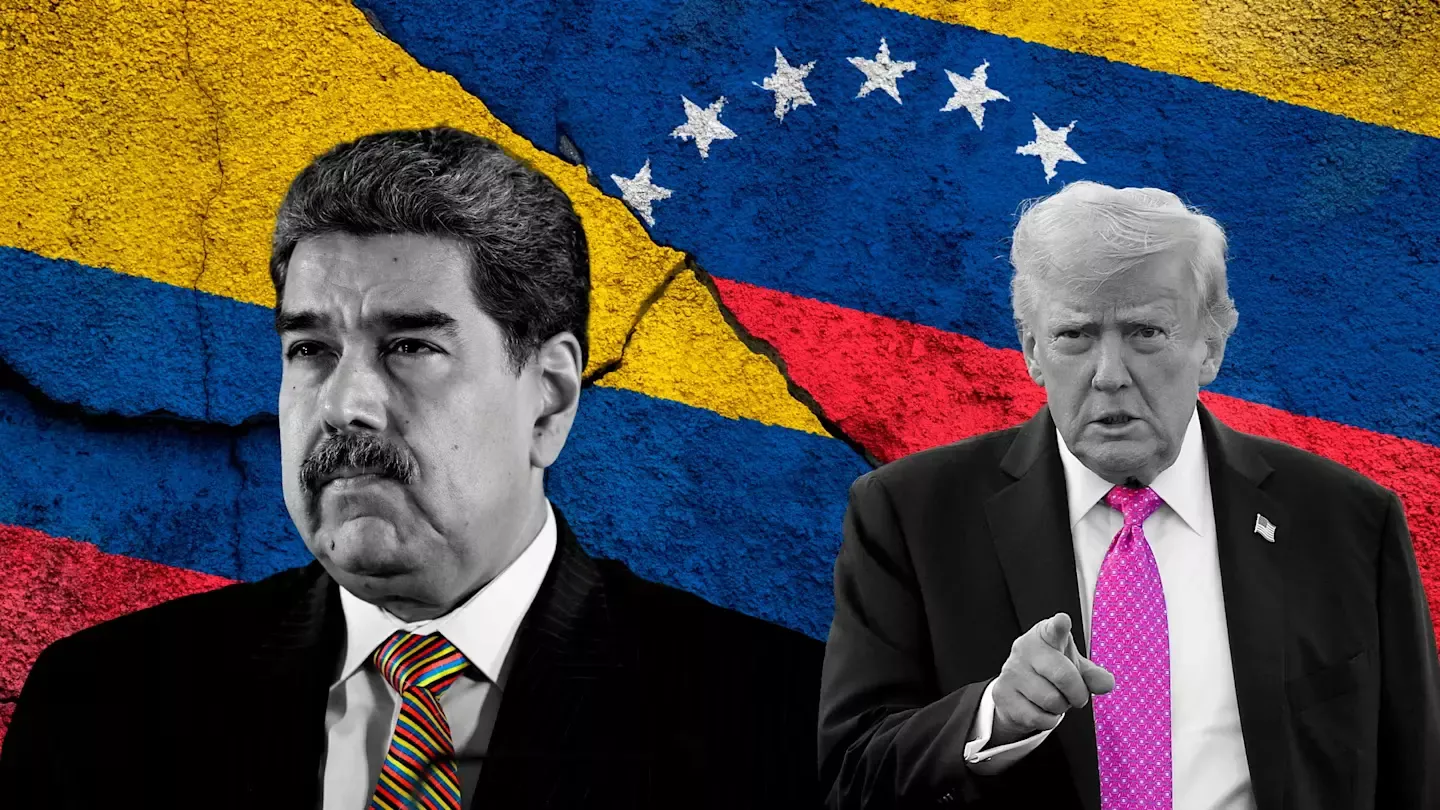
Trump was truly prepared this time and came to China with the best intentions, after his plan to break Iran failed for now. The war against Iran was the reason why the summit with Xi was postponed for several weeks. In Trump's words, he simply didn't have many "cards" left in his hand, as that war was not as successful as the operation in Venezuela, which is important to China due to its energy needs.
Trump's impressive delegation, composed of directors and owners of the largest American companies, shows that Washington's primary intention was economic cooperation, as it is clear that anyone who desires economic cooperation of that level does not want major disruptions in the relations between the two countries, or at worst, wants a rivalry in which some differing views of both sides are predictable.
After all, that was the only thing he could do. Trump's first meeting with Xi in his second term in the White House was a fiasco. The Chinese leader was not impressed by the tricks of the American businessman and entertainer who presents himself as a man who has everything under control.
With his economic war against China, but also against other countries, Trump has long angered Beijing and put it in a position to behave on the international stage like never before.
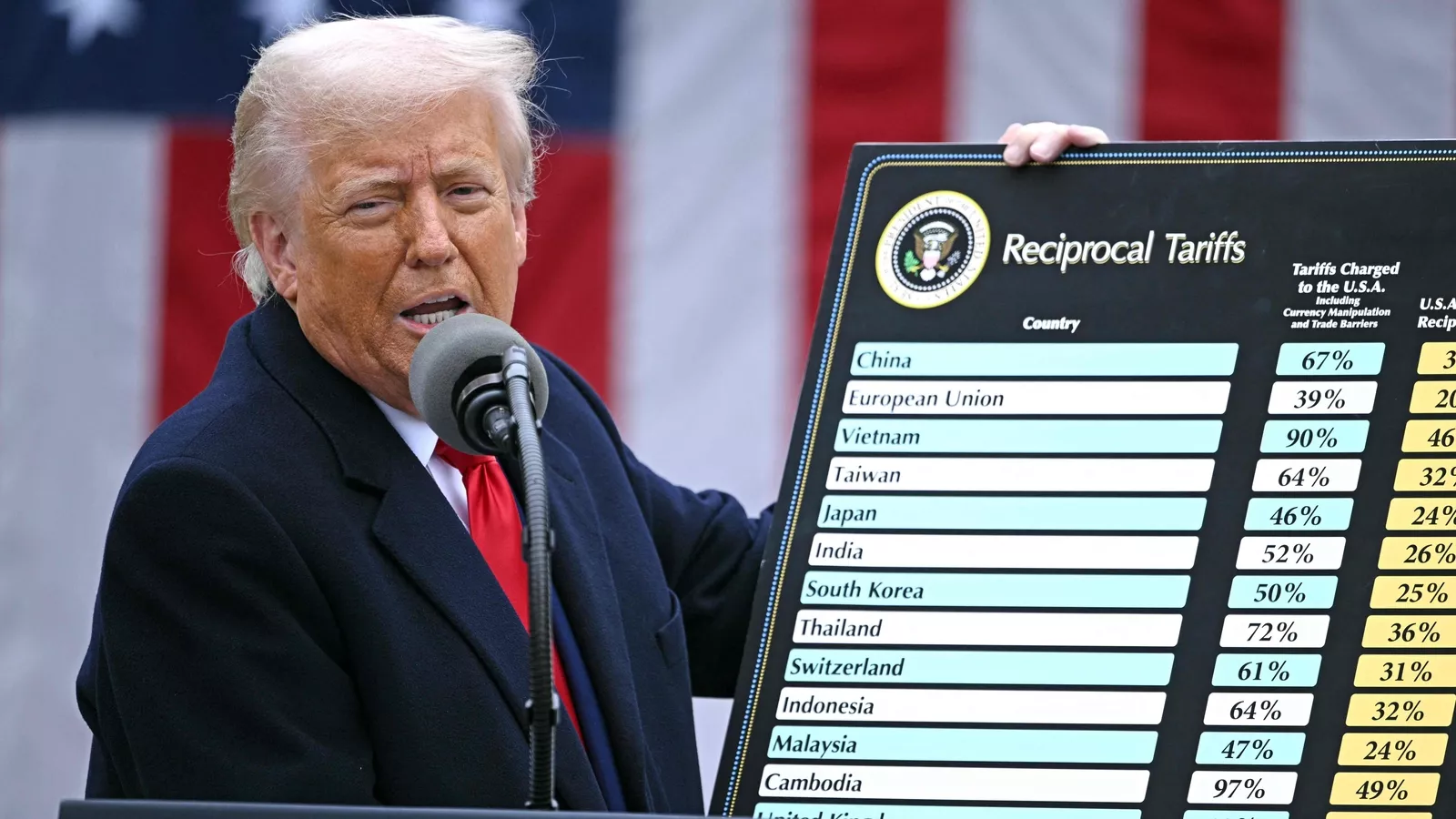
However, Trump did not break China, although Chinese exports to the US fell by ten percent, a consequence of the tariffs he imposed. Chinese exports in the first two months of this year grew by twenty percent, three times more than expert predictions. According to experts, this is a sure way for China to surpass its record trade surplus achieved last year. Trade with European countries and ASEAN members, for example, increased by almost thirty percent. This shows that many countries, due to Trump's tariffs, have turned to China, which is an obvious miscalculation by Washington.
That economic strength, even in times of crisis, shows the state of affairs in China. In the mentioned period, for which Beijing publishes consolidated results for January and February due to the Chinese Lunar New Year, which always falls on a different date, exports of electronic devices, industrial, and agricultural products grew. In other words, China produced and exported everything that other countries demand.
Trump brought the most important people from artificial intelligence (AI) companies to China, from those involved in component production to those who market the final product. Their arrival is an acknowledgment that much of their business still depends on China, which is the largest and often the only serious player in the market for raw materials needed for this field.
Many are pinning all their hopes on artificial intelligence in the US. Since Trump's return to the White House, an alliance between the largest companies in this field and politics has been evident, with AI increasingly taking precedence in the American military while taking over economic activities piece by piece.
In different times, Washington would have told Beijing that they would deny them microchips, thus slowing down China's development in this area. But that has also changed, as China now produces those as well. A few months ago, China refused to accept weaker microchips from the American company Nvidia compared to those it sells to American leaders in this field.
Taiwan and China as a Power
The fact that US-China relations have entered a new phase is also indicated by the fact that officials from Washington did not talk about human rights in China, which has been the case for many years. US officials spoke about this issue, mostly to the American media, with great caution and without wanting to anger the host.
This was particularly evident on the issue of Taiwan, which Beijing wants to control. Washington recognizes this breakaway Chinese island as part of China, although Taipei is treated under US law, which guarantees it US assistance in its defense. But even with things set up that way, the dilemma remains whether the United States would defend Taiwan in case of an attack by the Chinese army.
After the summit, Trump further fueled these dilemmas. "I don't want anyone to become independent," he told Fox News after the summit. "You know, we'd have to travel 9,500 miles (15,289 kilometers) to fight a war. I'm not looking for that. I want them to cool down. I want China to cool down."
Trump admitted to reporters on his flight to Washington that he had talked "a lot" about Taiwan with Xi, but refused to answer clearly whether the US would defend the island if China decided to use force. Xi "has very strong feelings" about Taiwan and "doesn't want to see a movement for independence," Trump said.
Xi Jinping's interest in Taiwan is not new. Some believe that Xi wants to go down in Chinese history as someone who brought Taiwan back under Beijing's wing. To succeed, the world's greatest power would have to yield to China's advance, which would be an acknowledgment of Beijing's strength and a change on the ground.
"The Taiwan issue is the most important issue in China-US relations," Xi said in his conversation with Trump. "If it is handled poorly, the two nations could clash or even come into conflict."
Trump, on the other hand, ruled out the possibility of a military conflict with China. "No, I don't think so. I think we'll be fine. (Xi) doesn't want to see a war," Trump told American reporters.
Trump refuses to say whether he will continue to supply Taiwan with weapons. Recently, the Taiwanese parliament voted to spend an additional $25 billion on American weaponry.
Trump's policy has raised alarms in Taiwan since last year, when the change in US policy towards Ukraine and Russia threatened to shake existing relations with allies and disputed territories. Since August last year, Trump has been sending mixed signals to China regarding Taiwan.
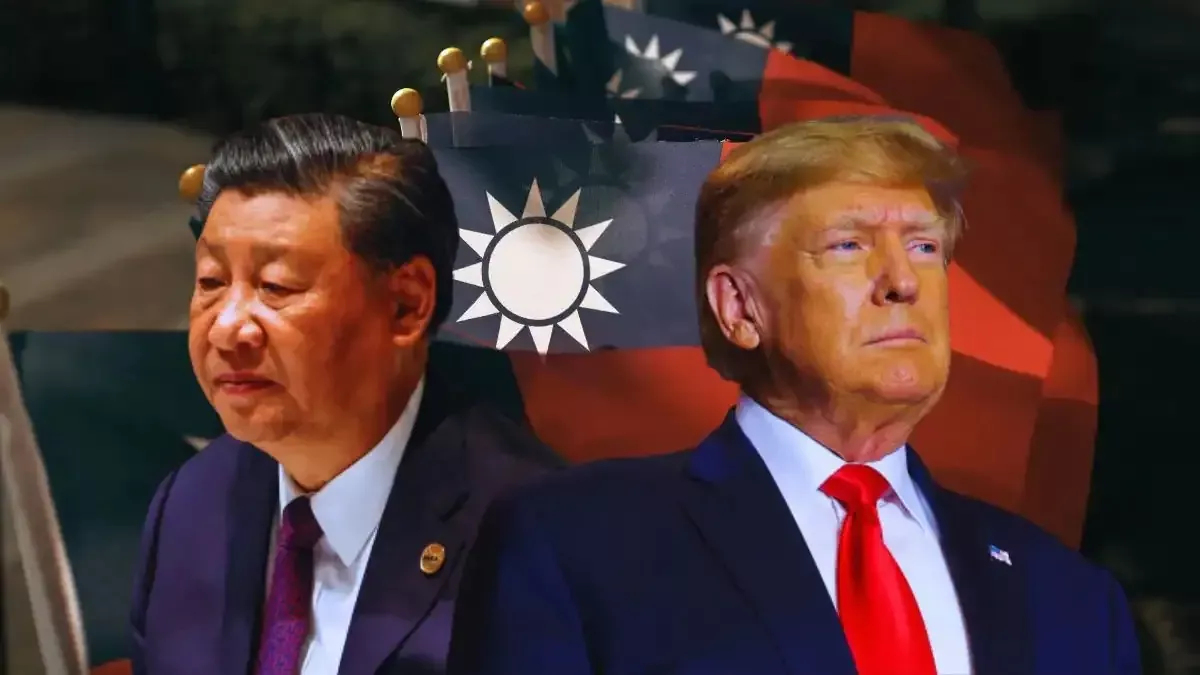
Immediately after the summit between Xi and Trump, Taiwan's President Lai Ching-te also commented, stating that no one would "trade" Taiwan and that they refuse to be, as the US president put it, "a very good negotiating chip for us." He explained that Taiwanese people are not talking about independence but about maintaining the status quo, as they do not want to lose their democratic order and submit to communist Beijing.
What Trump agreed upon with the Chinese side is not publicly known, but the fact remains that he asked Beijing to pressure Iran to open the Strait of Hormuz and not to develop nuclear weapons. This is a fundamental acknowledgment that China is a power that has influence where the United States does not.
However, the issue of Iran was likely not at the top of Xi and Trump's agenda, as Tehran also has a say and would not blindly comply with demands from any side. Nevertheless, two issues were certainly on the table. The first is the issue of trade between the two powers, which will inevitably affect the rest of the planet. And the second is the development and regulation of artificial intelligence, and consequently Taiwan on this basis as well, as it is one of the centers in this field. Therefore, the May meeting of these two presidents could be historically important.
Komentari (0)
Prijavite se za komentiranje
PrijavaJos nema komentara. Budite prvi!
Minuta
Sve →Iz drugih kategorija

High Representative Not Elected: Germans, French and British Against Americans, New Attempt at End of June

ČOVIĆ WITHOUT MERCY: How Those Who Brought Ademović to Office Created a Political Hell for Him



Sunny Saturday, quite warm



Tragedy in Albanian resort: Two minors drown












