
By Armin Sijamić
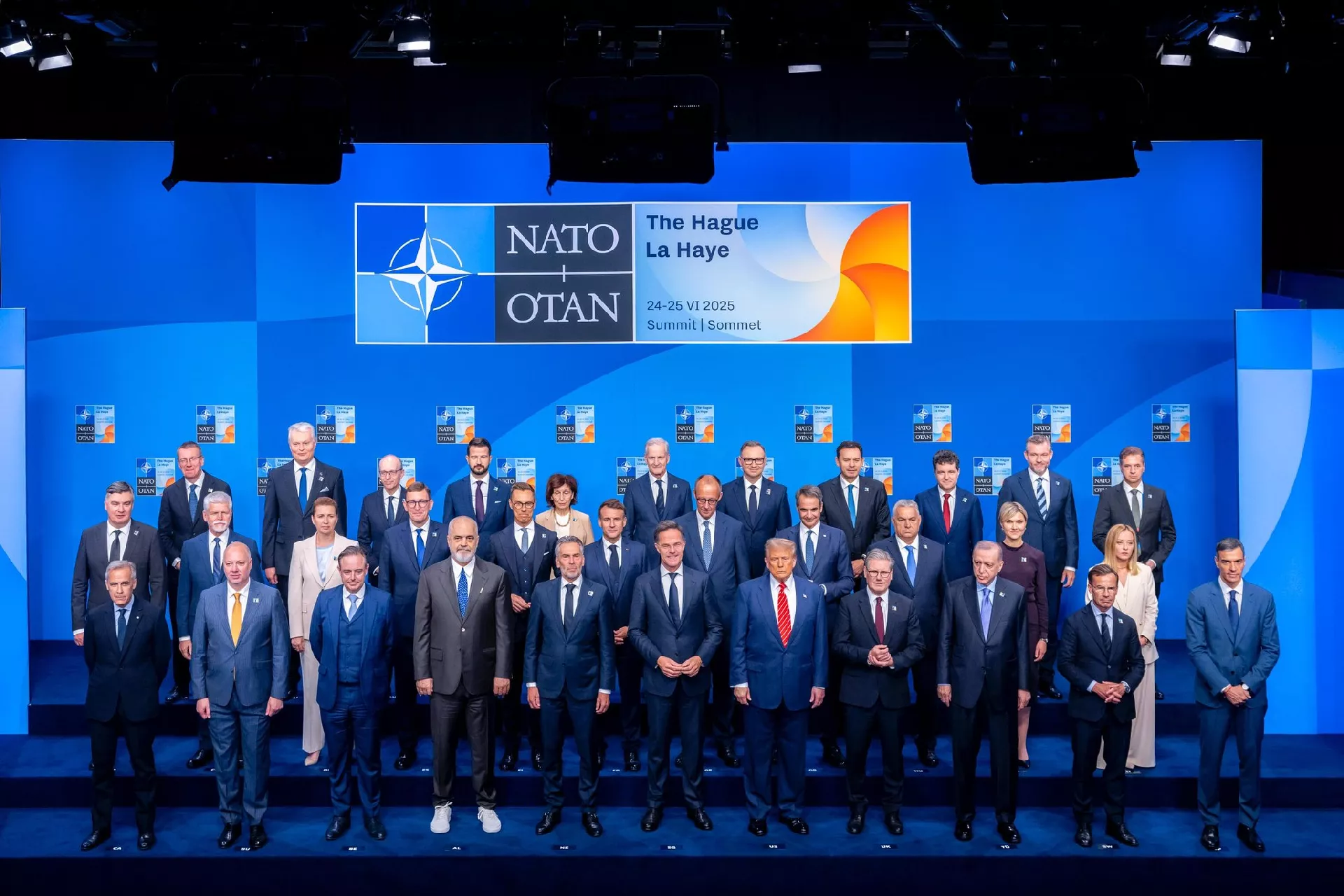
Last Friday, the NATO leaders' summit concluded. This historically important summit marks the beginning of a new era in Western policy, where Europe should start taking care of its security, and the United States should focus on the Pacific and China.
"It was quite a long road, but it was worth it. As you have probably noticed, extraordinary things have been achieved. It was a very productive NATO summit," said US President Donald Trump.
This recap by Trump of what happened at the summit in The Hague came in the days after he managed to persuade Israel and Iran to a ceasefire in a twelve-day war and after bombing Iranian nuclear facilities. If the Israeli-Iranian war was, according to some, a defeat for Tel Aviv and Washington, the NATO summit was undoubtedly a success for the world's greatest power.
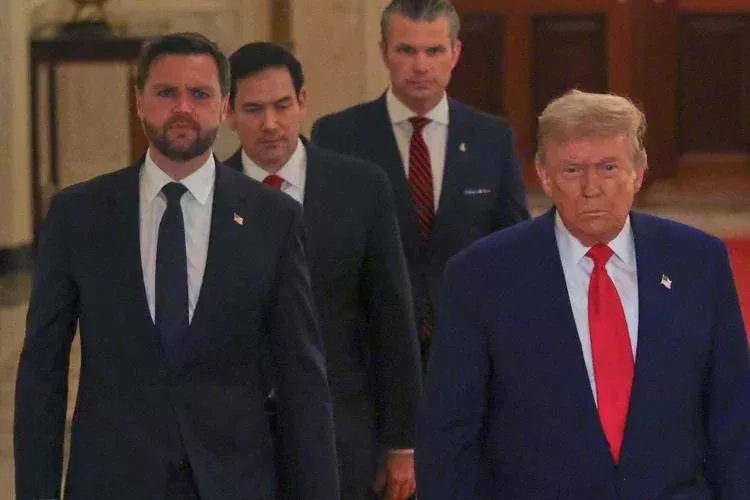
The prelude to the summit was bizarre. Trump posted a message on his social network Truth Social, sent to him by NATO Secretary General Mark Rutte, which read: "Mr. President, dear Donald, congratulations and thank you for your decisive action in Iran, which was truly extraordinary and something no one else dared to do. It makes us all safer. Tonight in The Hague, you are flying towards another great success. It wasn't easy, but everyone will sign five percent. Donald, you have brought us to a truly, truly important moment for America and Europe and the world. You will achieve something that NO American president has been able to do for decades. Europe will pay a BIG price, as it should, and it will be your victory. Have a good trip and see you at His Majesty's dinner! Mark Rutte."
Defense Costs
Trump thus showed his supporters his success in a tangible way – Iran was bombed to the satisfaction of the world, Europe will pay what I want, and I have achieved what no other American president has.
In the case of NATO, it is indeed a great success. For decades, European allies resisted reaching defense spending of two percent of GDP, failing to fulfill their commitments. Washington said it was unfair, warning them that American resources were not infinite. This backfired on the Europeans. They were, for the most part, silent observers of Russian aggression in Ukraine. Some of them could not provide significant aid to Kyiv because their military warehouses were empty. The war in Eastern Europe, American plans, and the desire of some European countries to play a more significant role in the fight against Moscow, led to a jump from the infamous two percent to five percent overnight.
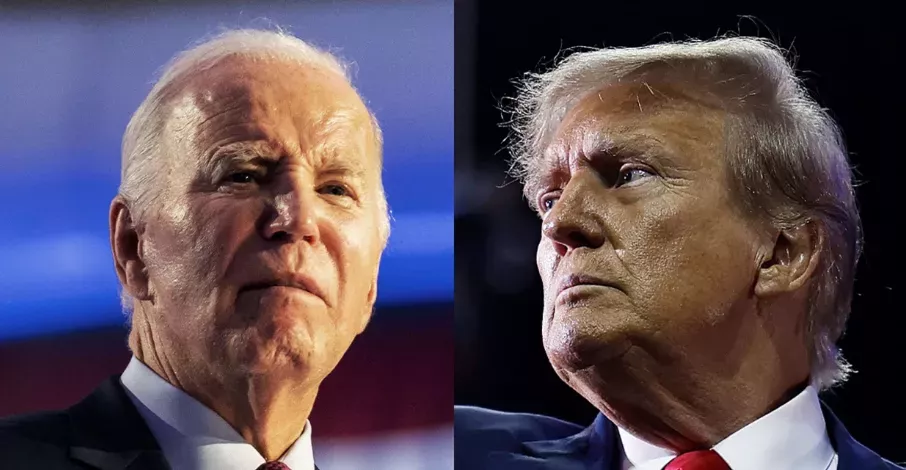
The process began with Trump in his first term, and then Joseph Biden continued it. Europeans began to arm themselves rapidly, especially Poland, Romania, Scandinavian and Baltic states, Germany... In Trump's second term, this policy will reach its culmination.
According to last week's NATO agreement, or as Croatian President Zoran Milanović put it - "Nothing is being voted on here. Never shorter proposals have been adopted. It's a page of text that refers to defense spending in a very unclear and undefined way" - member states will allocate a minimum of five percent of their GDP for defense needs by 2035, of which 3.5 percent will be for basic needs of strengthening the army, and 1.5 percent will be invested in infrastructure on which the state relies in crisis situations.
Thus, Washington got what it had wanted for years – Europe will allocate more money for defense and take on part of the responsibility. For a long time, some European countries did not want to accept Washington's fair stance, which ultimately led Trump to tell them that the US military would not defend them in case of a Russian attack. In the end, Trump's threats and Biden's friendly messages had an effect, and Europeans will do what is expected of them by being members of NATO.
Spain resisted the agreement, stating that due to the country's financial situation, it was not prepared to allocate such funds. The Spanish public would find it difficult to accept the fact that money is being spent because of Russia, which is on the other side of the continent. Official Madrid did not veto NATO's decision, but stated that they would not adhere to this spending plan.
Closing a Chapter
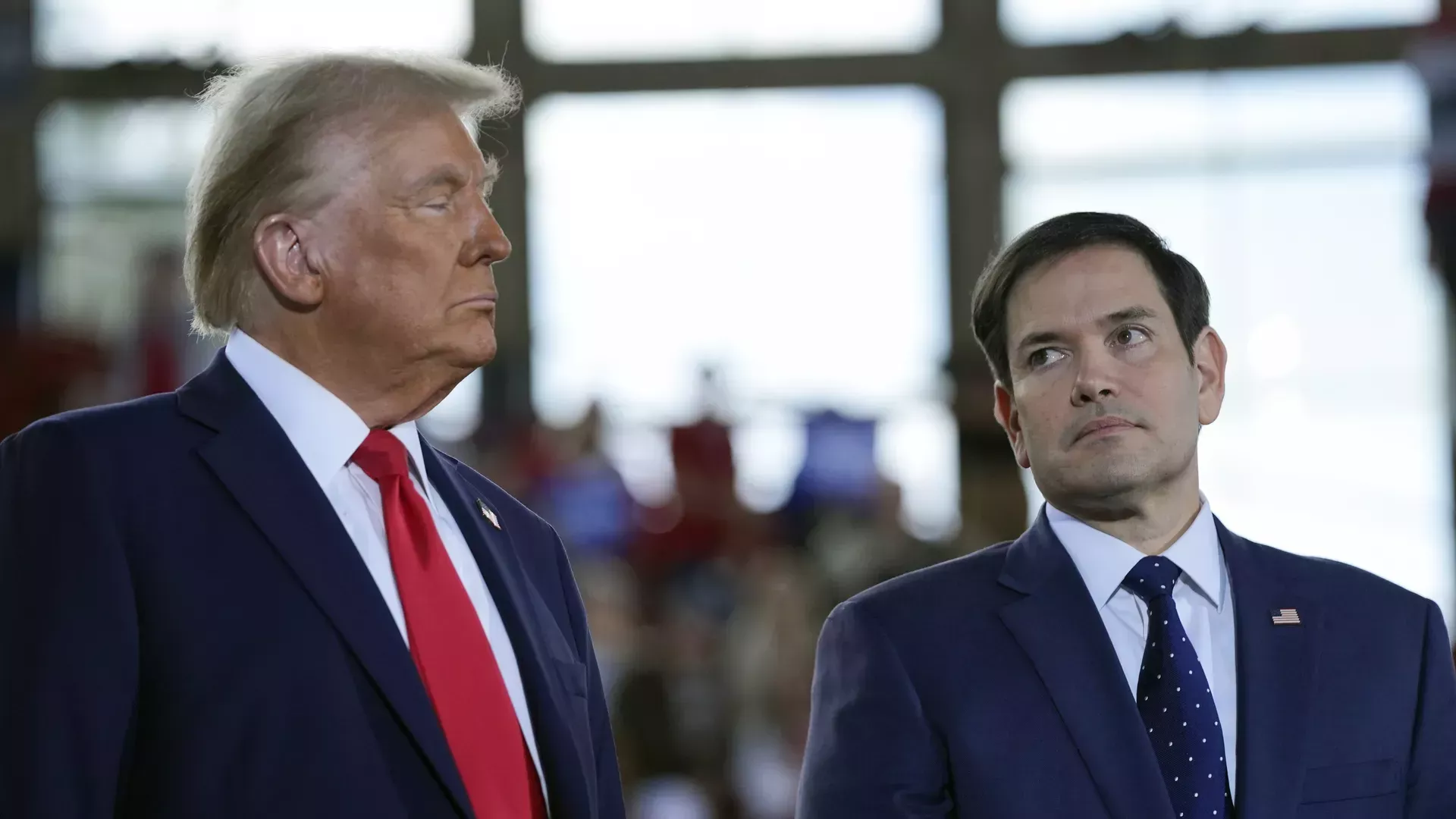
Trump was angered by Madrid's stance. He told them that he would force Spain to pay double what it is currently avoiding, describing it as "notorious." Several months earlier, Trump had discussed Spain as a BRICS member with reporters at the White House.
If a powerful country like Spain does not deserve Trump to know at least the basics about it, then it is clear what he thinks of European allies, most of whom he probably cannot even list. This is essentially a confirmation that some things are taken for granted and that the smaller ones will "fall into line" according to the agreement of the big ones. Thus, for example, the Balkan countries that are outside NATO are seen by everyone as an area of interest where Brussels leads the way. After the summit, after the so-called "Western Balkans" were not mentioned in the final declaration, Rutte tried to explain that this summit is not like others, but that NATO remains committed to the region and that its military forces are there.
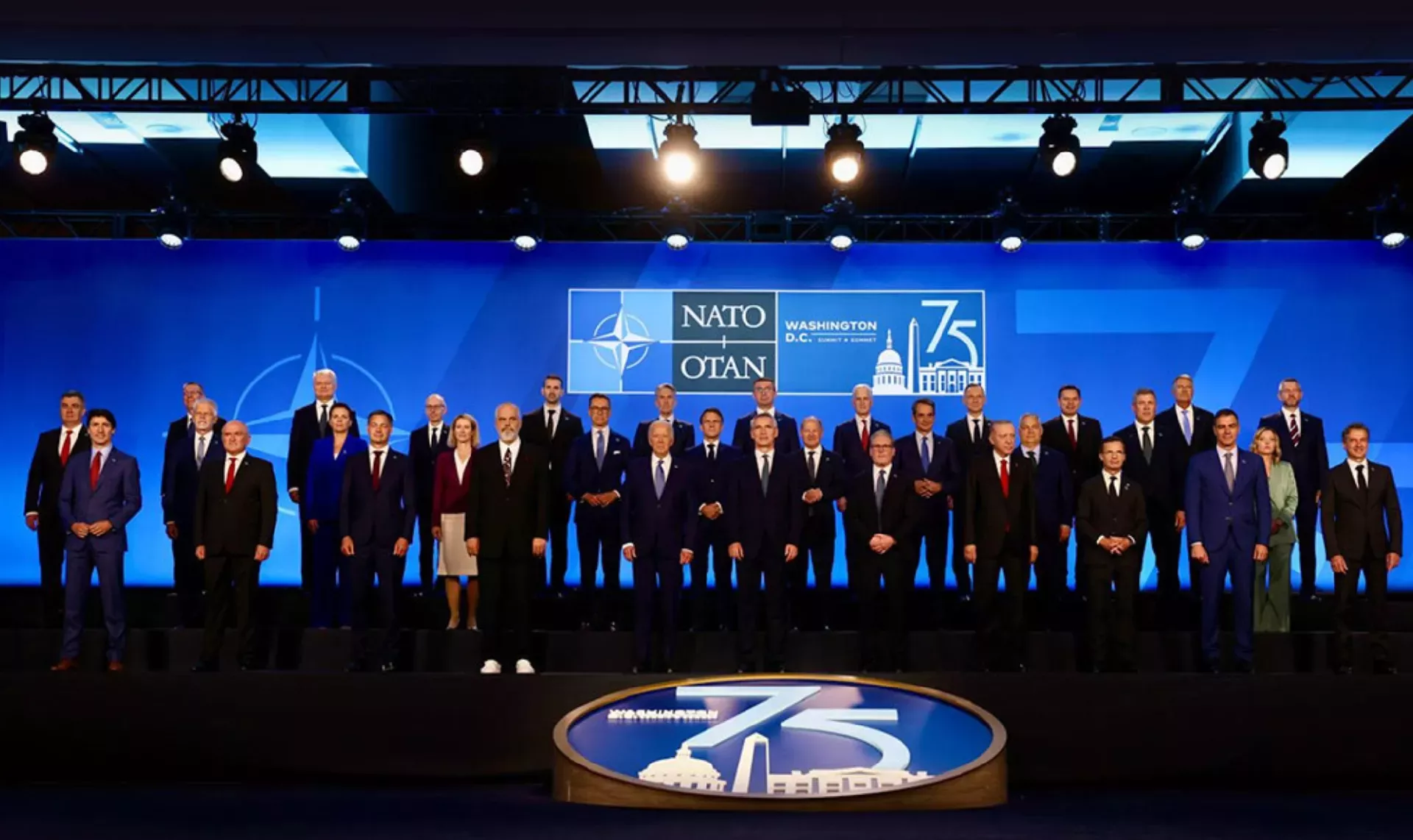
Trump confirmed to allies that the United States will now defend NATO member states in case of an attack, giving Europeans and Canada time to fulfill what they have agreed to. Rutte told Ukraine that it will continue to receive aid and that its path to NATO membership is open.
On the other hand, official Moscow believes that the decisions of the NATO summit will not significantly affect Russia's security. "As for the impact of this five percent target on our security, I don't think it will be significant," said Russian Foreign Minister Sergey Lavrov. Moscow, as before, sees NATO as a threat only if it is in Ukraine. This is another retreat before American wishes and an exploitation of the situation that Ukraine did not seek shelter under the NATO umbrella in time.
Economy and Military, or How to Get to China
"When everyone starts spending five percent, it will mean an additional $1 trillion annually. That's a big win for Europe and for Western civilization," Trump said after the summit, and Rutte said that allies today "laid the foundation for a stronger, fairer, and more lethal NATO." Essentially, this will mean numerous jobs in the defense industry and piles of weapons that NATO countries will have to get rid of if they don't use them in combat. In other words, they will be transferred to Western allies around the world, including those fighting against Russian interests.
This will be an important economic issue. Milanović spoke about this, pointing out that small countries cannot afford expensive weapons, asking for prices to be locked. "The only thing that interests me is how far they can ride on my dollar, if with five percent of GDP I can buy very small capabilities and if prices are soaring, then we are not doing a good job. Because this cannot be managed by the invisible, libertarian hand of the market," he added. "That's the topic. I spoke about it, I didn't notice anyone else mentioning it, and that's crucial. If India lost one or two Rafales costing over 200 million euros per unit in a conflict with Pakistan, what is the point of such a procurement? There will always be someone who can afford it, we won't."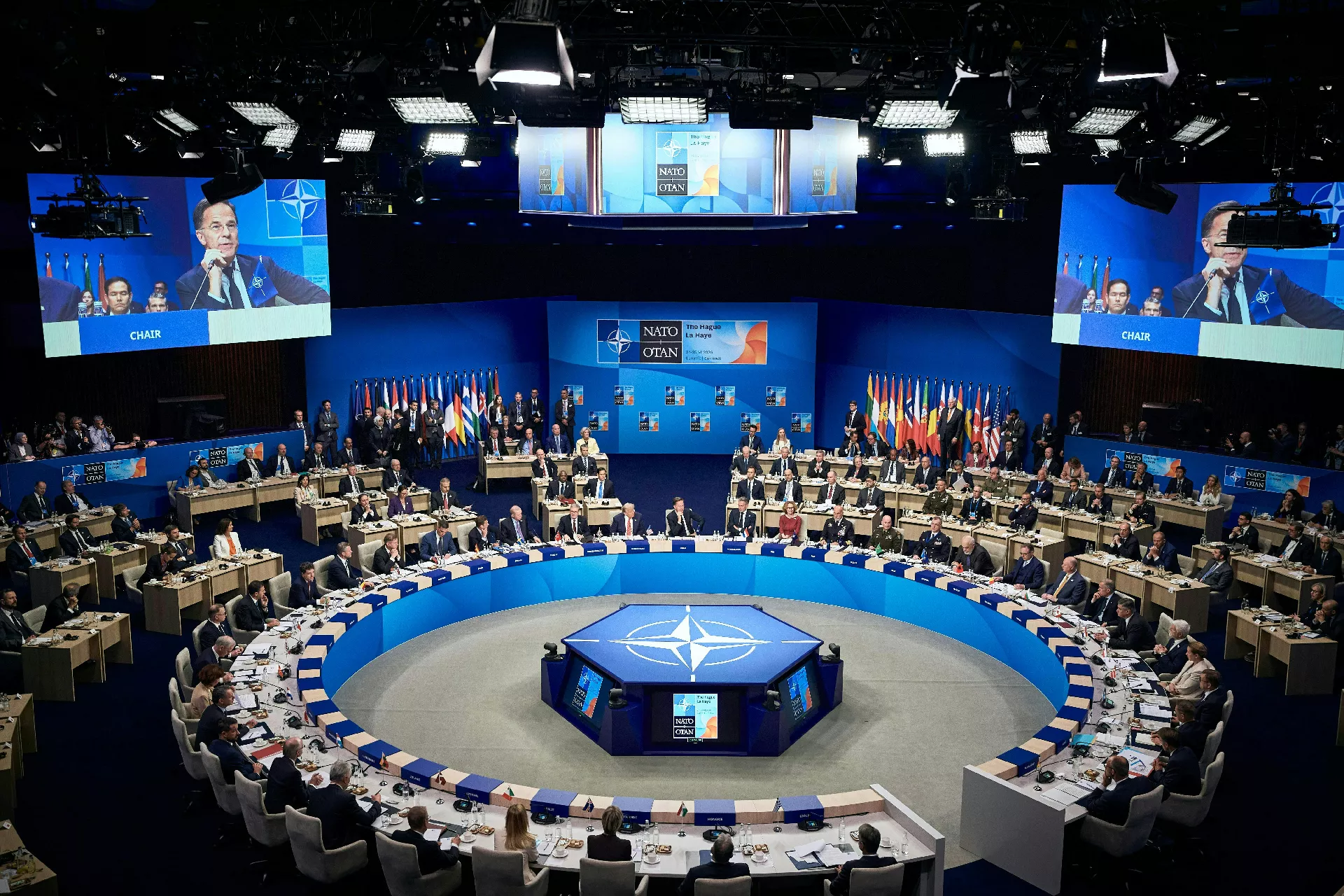
Milanović touched upon the key issue – who will produce all these weapons and what their price will be. "We cannot allow private investors to extort us. That leads us into debt slavery," he said, likely fully aware that the largest share of weapons will be produced by the large NATO countries. Croatia, like other smaller countries, will have to adapt and improvise.
For the big players, especially the United States, things are clear after the summit. Their weapons and equipment will flood allied countries, their companies will get lucrative contracts and a secure market, small countries will become more dependent on the big ones, and the arms race with Russia will intensify to such an extent that citizens will "understand" that it is in their interest.
With this summit, Trump has taken another step towards America's pivot to the Pacific, delegating part of the responsibilities in Europe, the Middle East, and elsewhere to its European allies. A heavily armed NATO will deter Russia from thinking about attacking member states, and Trump and his successors will be able to focus on China. The next page on this path is likely some kind of "Asian NATO." But even without it, America's position is now much better than last week, provided that the allies implement what was signed in The Hague.
Komentari (0)
Prijavite se za komentiranje
PrijavaJos nema komentara. Budite prvi!
Minuta
Sve →Iz drugih kategorija

High Representative Not Elected: Germans, French and British Sabotaged Americans, New Attempt at End of June

ČOVIĆ WITHOUT MERCY: How Those Who Brought Ademović to Office Created a Political Hell for Him



Sunny Saturday, quite warm



Tragedy in Albanian resort: Two minors drown












