
Written by: Armin Sijamić
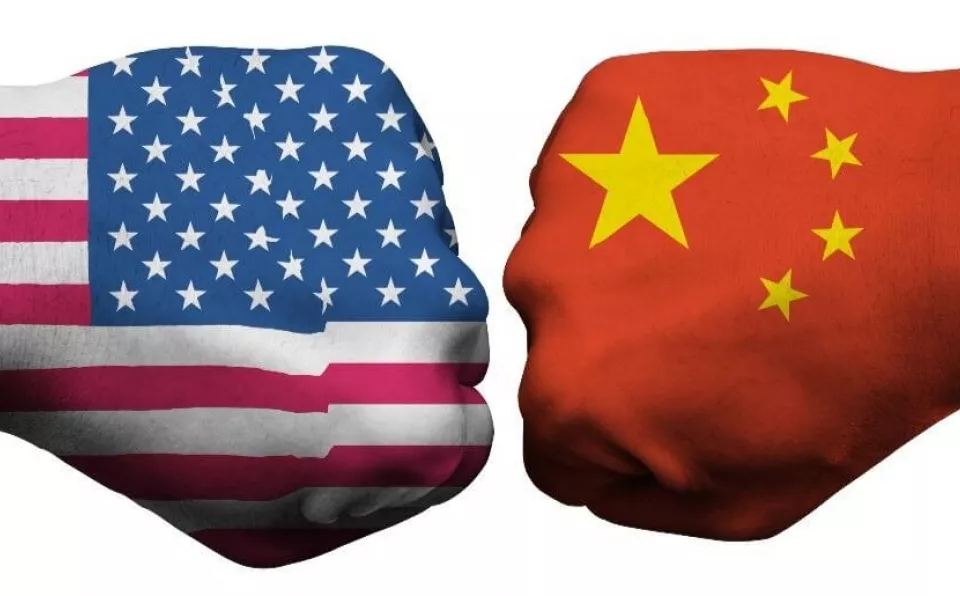
Last week, China announced it would have a record-high defense budget in 2023. Three months earlier, the United States received the largest defense budget ever. What message are the two largest world powers sending?
The budget of every country is one of the most important documents adopted each year, showing the direction in which a state is moving, i.e., precisely reflecting short-term and long-term intentions in line with overall developments at home and abroad. Great powers pay special attention to ensuring their budget is an adequate "response" to rivals around the world, i.e., by allocating money to specific items, they show what they intend to do. Therefore, the defense budgets of the US and China are indicators of what the world expects in this and the coming years.
In December, Washington announced that the US defense budget for 2023 would amount to 858 billion dollars, which is eight percent more than the previous year. US congressmen from both parties competed with proposals on how to give the military more money, which ultimately led to two-thirds support in the House of Representatives. President Joseph Biden's initial proposal was 45 billion dollars smaller. The vote on the defense budget briefly erased the differences between the two parties.
The explanation for such a move was Russia's aggression against Ukraine, which the US supports more than anyone else, Chinese threats to Taiwan and in the Pacific, and investment in new modern weapons (ships and planes). 4.6 percent of the budget goes to soldiers' salaries. The Chinese spared the world political drama, as it was announced, without much fanfare, that Xi Jinping and his government are allocating 224 billion dollars for defense in 2023. That China would take a similar path to the US was clear even before the news was announced. The dilemma remained how much more money China would allocate compared to last year. It was announced that this is an increase of seven percent, and that the goal is to strengthen all branches of the military, especially the navy.
Economy and military
Increasing the budget, especially the military one, is often the result of real economic growth of a country, i.e., increased investment in the military follows the growth rate of the overall economy. In the case of the US and China, this is not the case this time. The US economy grew by two percent last year, and this year it is estimated to be smaller. China had record-low economic growth in 2022.
The local economy grew by three percent last year, which is the least in the last 40 years. This year, the Chinese economy will grow by about five percent. So, both countries will spend more money on the military than the overall economic growth expressed in percentages, meaning they will compensate for part of the funds from other budget items, giving priority to the military.
American defense budgets have been unattainable for all other countries for decades. The US military budget is considered larger than the combined budget of the next ten or so countries on that list. For example, the US gave Ukraine aid of about 90 billion dollars in one year, while Russia's defense budget is about 80 billion, at a time when Moscow is waging a war on which the fate of the Russian state and military leadership, and to a large extent Russia itself, depends.
The only country that can match American investment in the military is China, as the new budget shows. Although in absolute numbers the Chinese budget is almost four times smaller than the American one, the essential difference in investment is smaller. Experts warn that one dollar spent in the US and China is not the same, that Chinese companies are state-owned and work for less money than private American ones, and that there are "hidden" defense costs in the Chinese budget, as some areas often overlap in a one-party system with state ownership of strategic companies. Some in the US believe that China's military budget is twice as large as what is presented to the public.
Therefore, it is clear that the defense budgets of the US and China were made, first and foremost, for the mutual competition of these two powers. China's investment in the military in recent years has forced Americans to increase their budget, as China produced warships faster than the US, which is a long-term threat to American dominance in the Pacific. To maintain an advantage over China, additional funds have been allocated for the military. However, the latest US budget was undoubtedly also influenced by the war in Ukraine. Without American support, Ukraine could not defend itself against Russia, so American calls to Europe, since the time of Donald Trump, to allocate more money for defense are justified and understandable.
What awaits us in the coming period?
When the two largest world powers, and at the same time the largest world economies, compete in military spending during years of economic crisis, this cannot indicate that they expect a period of peace and stability. The US and China do not necessarily have to go to war with each other, although the issue of Taiwan, in the opinion of many, does not exclude such an option. However, this does not mean that their allies will not go to war. Billions of dollars spent on weapons production will be a huge economic loss if not used, sold, or given to someone as such. The war in Ukraine demonstrates this perfectly.
The two largest economies in the world, despite the fact that peace suits them for further economic development, are counting on having to use their weapons in the coming years, or will cede them to someone else. In the last few months, the US and China have been involved in three major disputes. First, Chinese military exercises off the coast of Taiwan, in response to the visit of House Speaker Nancy Pelosi to the island, led Biden to declare that his country would defend the breakaway Chinese island if Beijing attacks.
Then the US threatened China not to help Russia in its aggression against Ukraine, and finally, Chinese spy (China says meteorological) balloons appeared over the US, flying over strategic military bases. On top of that, competition in the Pacific has been going on for decades. In the South China Sea, Beijing is demonstrating force against American allies in the region, claiming that almost the entire sea belongs only to China. The US Navy often sails there, sending a message to the Chinese that they see a large part of the South China Sea as international waters.
Although in recent months there have been indications from the US and China that the two powers have agreed on some kind of rules in their mutual competition, aware of their mutual economic interconnectedness, there is still fear around the world that the two countries could enter into a conflict, at least through their allies if not in a direct confrontation over the mentioned open issues. The record military budgets of both countries only amplify those fears, while the gap between them and all other military powers grows. Going down the list of military investments, the situation will become more dramatic and dangerous. Those who are not wealthy could feel the devastating effects of the US-China arms race the most.
Komentari (0)
Prijavite se za komentiranje
PrijavaJos nema komentara. Budite prvi!
Minuta
Sve →Iz drugih kategorija

High Representative Not Elected: Germans, French and British Sabotaged Americans, New Attempt at End of June

ČOVIĆ WITHOUT MERCY: How Those Who Brought Ademović to Office Created a Political Hell for Him



Sunny Saturday, quite warm



Tragedy in Albanian resort: Two minors drown












