
By: Armin Sijamić
In recent days, Russia has suffered several serious blows from Ukraine, following a recipe that Western officials spoke about last winter - quality versus quantity. Several moves made by Kyiv have shown Moscow that the Ukrainian army can be stronger than ever.
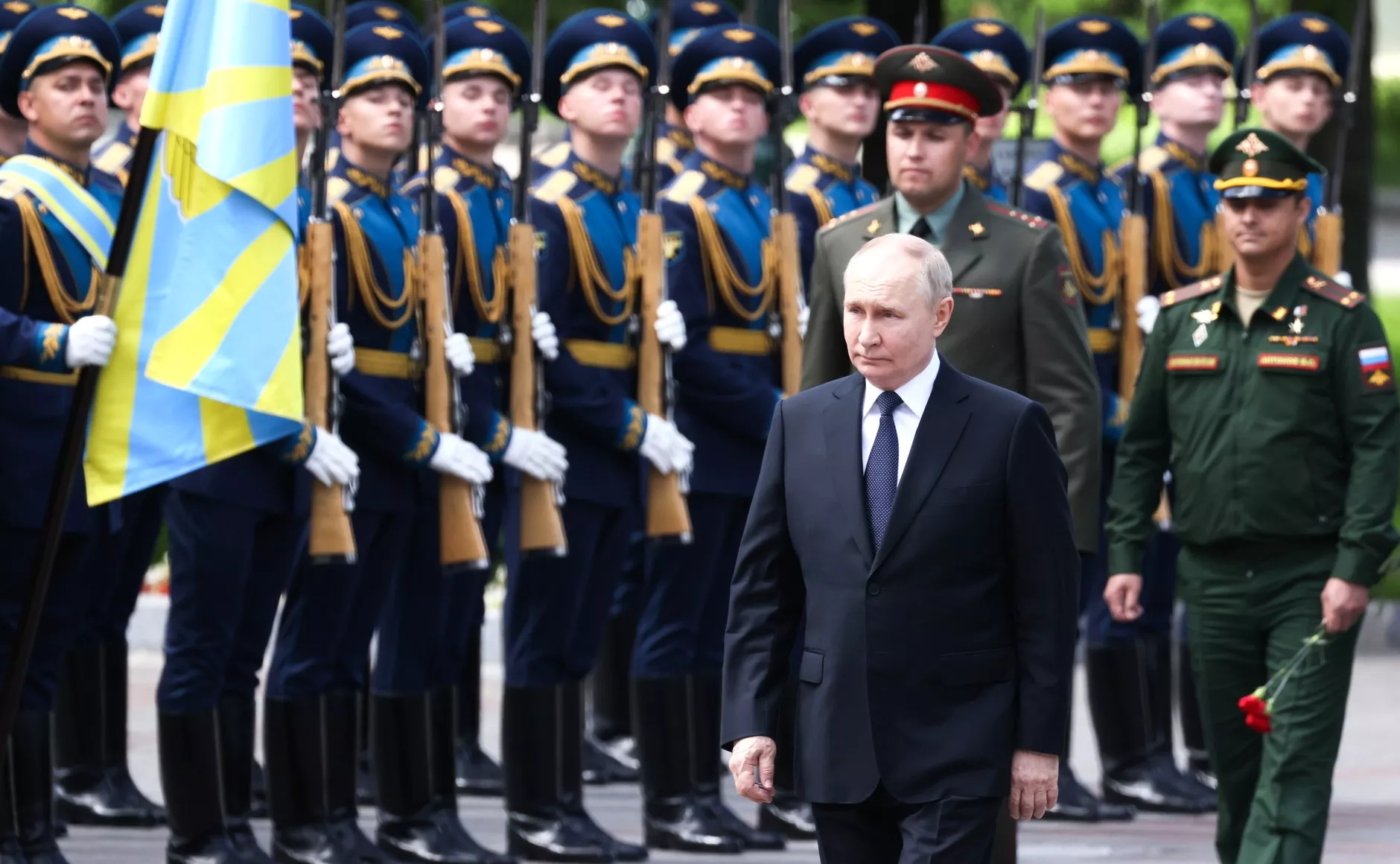
Putin's Asian tour last week, which included North Korea and Vietnam, is certainly a success for the Kremlin, especially for President Vladimir Putin, who is isolated in much of the world and is wanted by the international court. The agreement he reached in Pyongyang was particularly successful for him, potentially creating huge problems for the United States and South Korea.
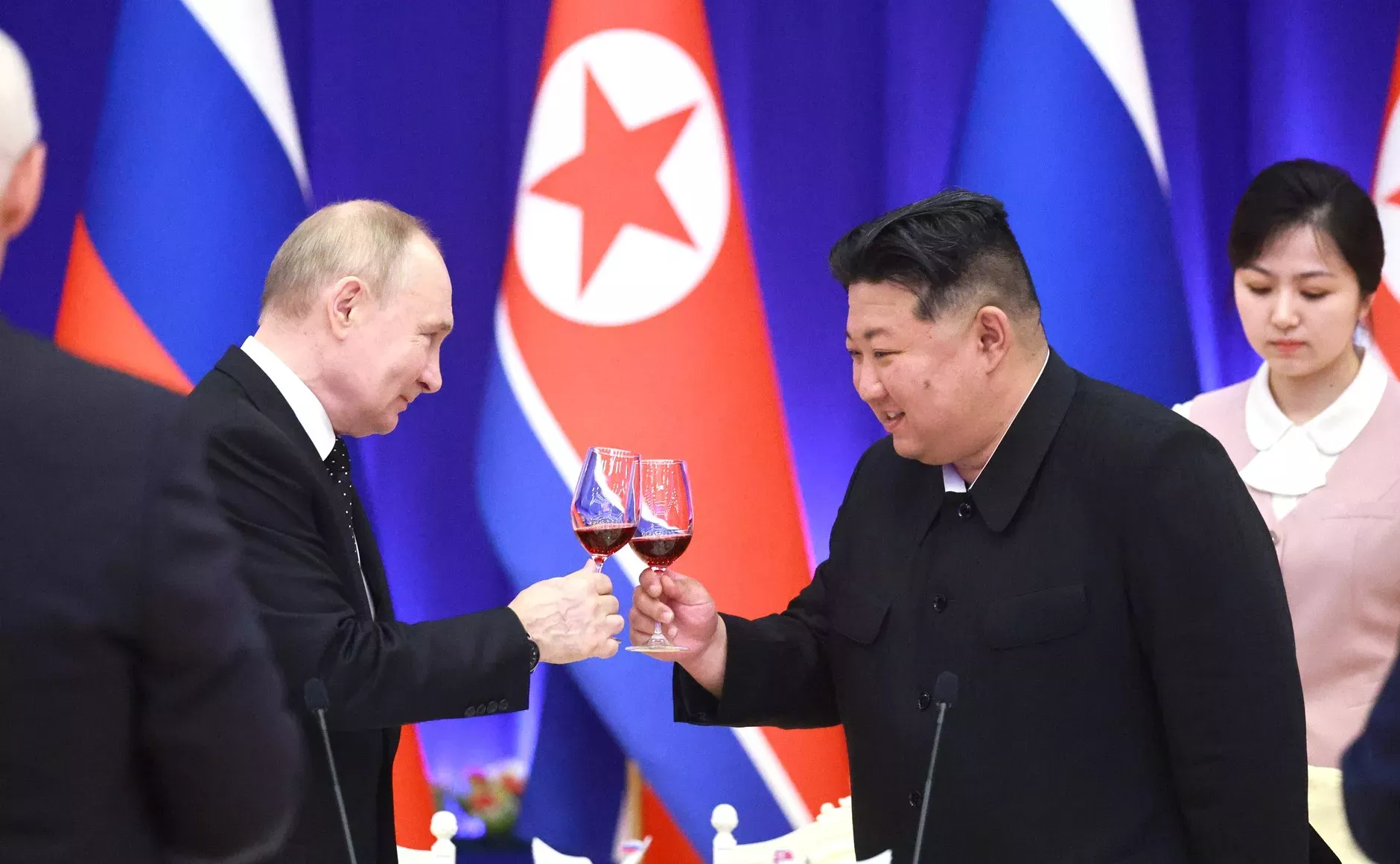
The visit to Pyongyang has alarmed Seoul, which has stated that if Russian weapons and technology fall into Pyongyang's hands, it will arm Kyiv like never before. And weapons from South Korea in Kyiv's hands was one of the reasons for Moscow's policy change towards Pyongyang, after the Russians determined that South Korean weapons had ended up in Ukraine through third countries.
Washington is also very concerned about the news from North Korea, and a number of US officials have spoken about how these ties between Pyongyang and Moscow worry neighboring China and that they expect Beijing to curb these ties. These statements are in a way an admission that Washington has no way to thwart further connection between Russia and North Korea.
Frontline situation
However, where the West can certainly strike Russia is in Eastern Europe. In recent days, Russia has suffered a series of heavy blows, thanks to Western aid to Kyiv and permission to use the received weapons on Russian territory.
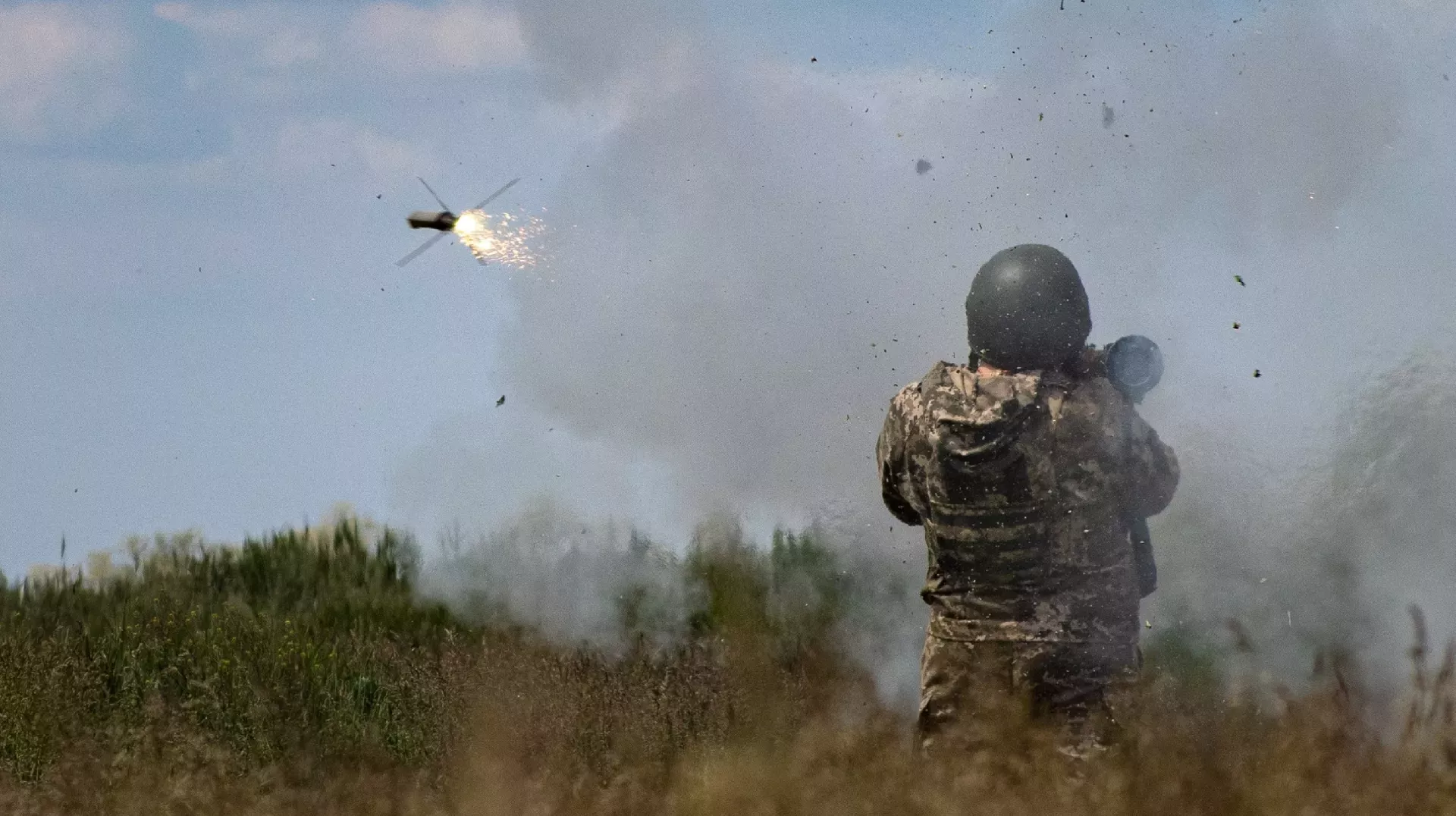
The Ukrainian army claims that in the fighting on June 23 and 24, Russia lost 1,300 soldiers, which, according to Kyiv, is one of the worst days for Russian forces since the beginning of the aggression against Ukraine in February 2022. Russia lost twelve tanks, fifteen armored vehicles, more than fifty artillery pieces, and dozens of various aircraft. Kyiv announced that the number of Russian casualties in Ukraine has now exceeded half a million, coinciding with the first anniversary of the Wagner rebellion.
In a few days, various targets were hit. An ammunition depot was destroyed in Kursk, and Kyiv claims to have hit three oil refineries in southern Russia (Afipsky, Ilsky, and Krasnodar), as well as hangars in the city of Yeysk where Iranian Shahed drones were stored. Two days ago, Ukrainians attacked the Russian city of Belgorod with several drones, targeting Russian military, transport, and energy infrastructure.
On Sunday, Ukrainians targeted a base in Sevastopol, the largest Russian base in Crimea and the Black Sea. Footage from social media shows fragments of intercepted missiles falling onto a crowded beach, resulting in four deaths (three of whom were children) and injuring more than 150 people. Moscow claims that the Ukrainians used American ATACMS missiles and announced revenge against Washington and Kyiv.
The attack on Sevastopol coincided with another tragedy for Russia. In a terrorist attack in Dagestan on Sunday, dozens of people were killed (including fifteen police officers), a synagogue and an Orthodox church were set on fire, and social media claims that some of the attackers are closely related to some of the authorities in that predominantly Muslim autonomous region.
About ten days ago, Ukraine halted the Russian advance around Kharkiv, dealing a heavy blow to Russian forces near Vovchansk, where, according to Kyiv, hundreds of soldiers surrendered.
Russia denies many of Kyiv's claims, but it is clear to any observer that things are not going as planned for the Russian army. Putin recently admitted that there are seven hundred thousand Russian soldiers in Ukraine. Major offensives were waged in the summers of 2022 and 2023, but they are absent this year after Russia's unsuccessful attempt to approach the city of Kharkiv.
New aid for Kyiv
But that was not the end of the good news for Kyiv. The US has decided to redirect all Patriot missiles to Ukraine, meaning all those who placed an order must wait for delivery. Meanwhile, Germany has decided to send another hundred Patriot missiles.
On Monday, the European Union imposed its fourteenth package of sanctions on Russia, targeting banks, energy, trade, and attempts to circumvent previously imposed sanctions. One of these measures is a ban on banks using the Russian financial messaging system SPFS, which is the Russian equivalent of SWIFT.
Then, yesterday, the EU began accession negotiations with Ukraine, and Brussels will make 1.4 billion euros in aid available to Kyiv next month, and an additional billion by the end of the year. This is money from frozen Russian assets, i.e., from the interest on that property, and all this with a "legal trick" to "prevent any form of blockade," as the head of European diplomacy Josep Borrell said, which is important because Hungary will assume the six-month presidency of the Union on July 1.
Yesterday, the International Criminal Court issued arrest warrants for former Russian Defense Minister Sergei Shoigu and General Valery Gerasimov for war crimes in Ukraine.
Putin's loneliness while some await Trump
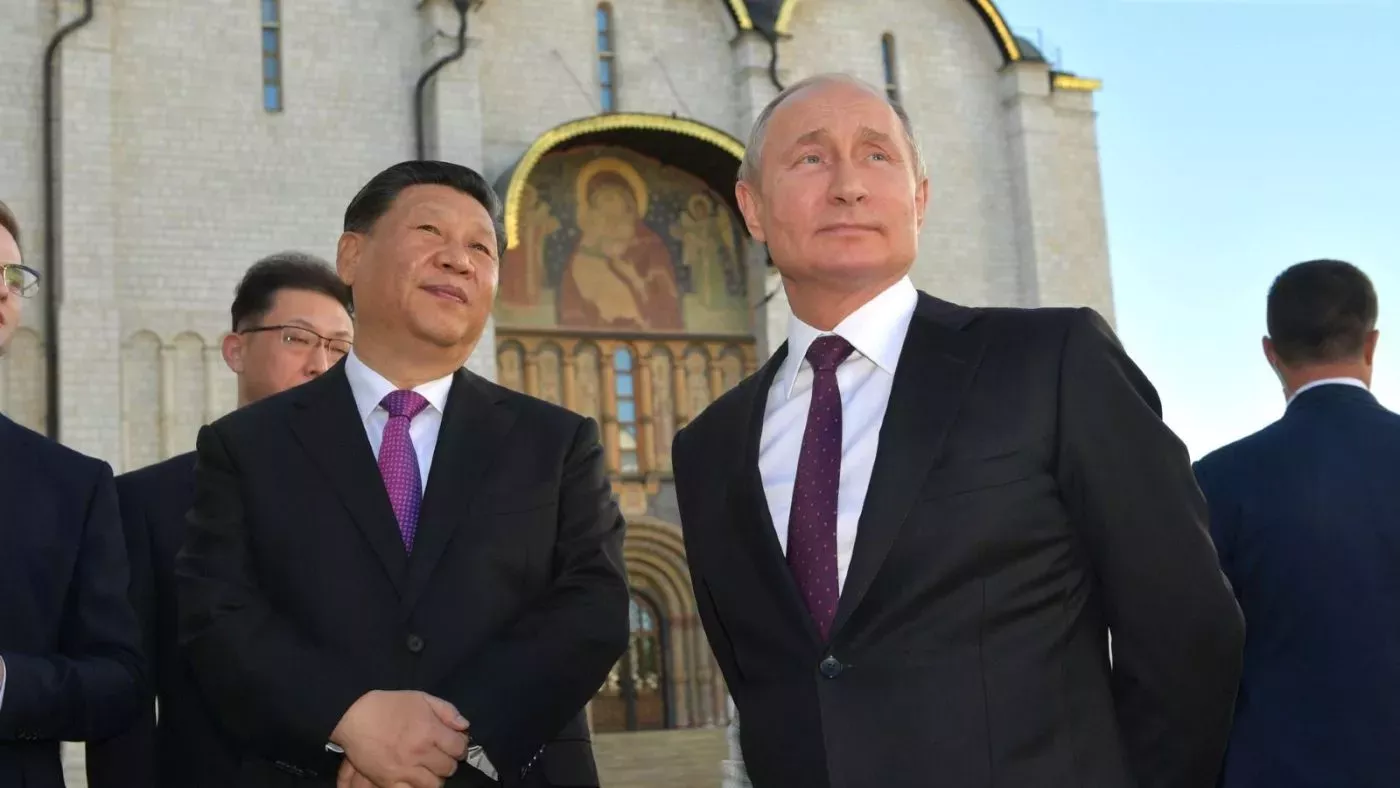
Upon returning from his Asian tour, Putin confronted the public with the difficulties Russia is facing. Addressing the public from the Kremlin, he spoke about the need to maintain a stable economy that would support the war effort in Ukraine. "Everyone is calculating. They are calculating salaries, new equipment, and orders - that is very important. This is the basis," Putin said. "In this regard, we can only rely on ourselves. No one will come and give us anything with an outstretched hand, everyone will do it themselves. We can do it."
Thus, in just a few days, the scope of the conflict in Eastern Europe has been shown, i.e., how many factors are involved and important for its final outcome. Putin's aforementioned agreement with North Korea shows that Russia is the one expected to help other rivals of the West, while according to Putin, no one wants to help Russia.
On the other hand, Ukraine has been receiving help from its allies in recent months, and American arms deliveries often make a difference on the ground, while Kyiv awaits the delivery of promised F-16 aircraft for which Ukrainian pilots have already undergone training. However, this is not a guarantee that Ukraine will win this war of attrition, which could end at the negotiating table when one of the sides is too exhausted, a scenario particularly considered in the case of Donald Trump's possible return to the White House.
Yesterday, two former Trump defense advisors, General Keith Kellogg and Fred Fleitz, who served as chiefs of staff on the National Security Council during his term, spoke to Reuters. Kellogg said it would be crucial to quickly bring Russia and Ukraine to the negotiating table if Trump wins the election. "We tell the Ukrainians: 'You have to come to the table, and if you don't come to the table, US support will cease,'" he said. "And you tell Putin: 'He has to come to the table, and if you don't come to the table, then we will give the Ukrainians everything they need to kill you on the ground.'"
Trump's spokesperson Steven Cheung then said that only statements from Trump or authorized members of his campaign staff should be considered official, but from the words of Trump's advisors, the sentiment of a part of American Republicans and the military-industrial complex is clearly visible, as well as the similarities they have with Democrats.
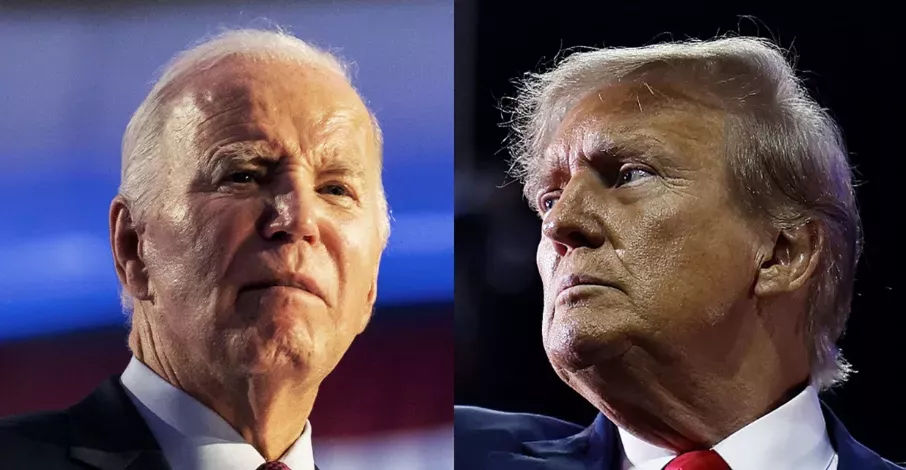
In other words, neither Republicans nor Democrats want a total defeat of Ukraine, so the most important question is how long one side can endure the expenditure of all kinds of resources needed for the war. Otherwise, at the negotiating table, someone must abandon their diametrically opposed policies, and currently, neither Moscow nor Kyiv are giving such indications.
Komentari (0)
Prijavite se za komentiranje
PrijavaJos nema komentara. Budite prvi!
Minuta
Sve →Iz drugih kategorija

High Representative Not Elected: Germans, French and British Sabotaged Americans, New Attempt at End of June

ČOVIĆ WITHOUT MERCY: How Those Who Brought Ademović to Office Created a Political Hell for Him



Sunny Saturday, quite warm



Tragedy in Albanian resort: Two minors drown












