
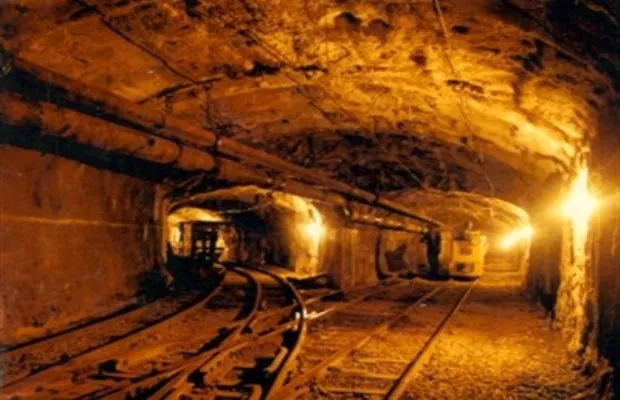
(Patria) - Six out of seven mines within Elektroprivreda BiH recorded a loss of 77 million KM last year, the largest in the past five years. Since 2017, the revenues of these mines have been constantly declining and are now down by over 53 million KM. Salaries and contributions are not paid regularly, and the state is owed for taxes and concession fees, so short-term liabilities at the end of last year amounted to almost 800 million KM, which is significantly higher than before. An analysis by Transparency International in BiH (TI BiH) shows that the mines are in most cases over-indebted and have limited opportunities to improve their operations through borrowing.
Despite the difficult financial situation, there are numerous examples of negligent business operations, suspicious public procurements, irrational business decisions, and siphoning of money from the coffers of these companies, which indicates the possibility of corruption. Auditors note that this is particularly evident in the leasing of machinery and equipment, where through non-transparent procedures, multi-million contracts are often awarded to the same companies, to the detriment of these public enterprises.
The "Kreka" Tuzla mines currently have over 23 million KM less revenue than five years ago, and the accumulated loss has long exceeded the value of the capital, amounting to over 30 million KM last year alone. The company has huge debts, so at the end of last year, it reported 270 million in short-term liabilities, which is significantly more than in previous reports.
Regardless of the difficult financial situation and surplus of employees, management finds millions for private companies from which it leases machinery and workers. TI BiH previously filed a criminal complaint against the mine management, which, without a tender, distributed almost a million KM to the companies Junuzović Kopex, Titanic d.o.o., MHI Company, and Cayenne Company, which consistently receive these contracts, but this practice has continued to this day.
This year alone, the first two mentioned companies received 1.3 million KM for leasing machinery through a single negotiated procedure due to extreme urgency, and Junuzović Kopex received contracts worth 6.5 million KM in the past two years. It should be noted here that these suppliers have been receiving tenders for years and then initiate lawsuits for non-payment, which are resolved in their favor, creating additional costs in the form of default interest.
The Federal Auditor, in the latest report, questioned the purpose of investing so much money in third-party machinery, stating that for over 6 million KM paid to Junuzović Kopex, a significant portion of the leased equipment could have been purchased.
RMU Breza follows the same practice, and last year alone, they paid Junuzović Kopex 2.3 million KM for coal exploitation works at the "Koritnik II" open-pit mine. In 2019, they engaged the company TRGOŠPED for that job and paid over 2 million KM due to extreme urgency because one of the bidders filed an appeal against the tender, which, according to the law, could not be justified in any way. The mine has been increasing the number of employees in the last four years, despite the fact that the company's revenues have significantly decreased, now being over 15 million KM less than in 2017.
During this period, short-term liabilities increased significantly by over 21 million KM, mainly due to unpaid salaries, and last year the mine had its largest loss in the last 5 years.
RMU Kakanj has been consistently recording losses and declining revenues since 2017, when it operated profitably. Last year alone, they reported a loss of 9.5 million KM. This mine, like others, allocates significant funds each year for engaging private machinery, and last year alone, they paid the aforementioned company Trgošped (which leases machinery for RMU Zenica and RMU Breza) around 960,000 KM. Auditors noted that this private company's fuel is stored in the same tank as the Kakanj mine's diesel fuel, which is exempt from road tolls. Therefore, they could not verify that this diesel fuel, worth several million KM and exempt from road tolls, was actually consumed for production purposes.
Storing own diesel fuel, exempt from road tolls, and third-party diesel fuel, not procured under the same conditions, in the same tank is not in compliance with legal regulations and is not good business practice, according to the report of the Office for Audit of Institutions in FBiH.
RMU Abid Lolić Travnik incurred a loss of one million KM last year and significantly increased its short-term liabilities, primarily due to unpaid salaries. Despite losses and a difficult financial situation, management increased its own salaries in previous years, and in the latest report, the federal auditor could not confirm the justification for the increased salaries of management and non-production workers.
- The planned salary increases for employees in non-production organizational units are not justified or substantiated, as they are not directly linked to production. Given that the contracts with the director and executive directors stipulate that they are not entitled to bonuses, paid overtime, or work in commissions, the calculation and payment of these additional salary components are not justified, states the federal auditor, adding that the director's salary was increased by 255 KM in one month for these benefits, without a reduction in meal allowances.
This company signs an annual contract with Kakanj-Promet for coal transportation to power plants, with values ranging between 275-476 thousand KM. The price of these services was further increased through negotiated procedures, and in one year alone, due to extreme urgency and unforeseen circumstances, Kakanj-Promet was awarded 813,500 KM for the transport of 50,000 tons of coal. The contract was concluded for 12 months, which is why the auditor could not confirm that the situation was urgent and that a tender could not have been issued, especially since the same situation occurred in 2017 when the same company was paid 738,000 KM in the same way for the transport of the same amount of coal.
RMU Zenica has accumulated over 96 million KM in losses in five years, and the mine's revenues have been declining for three years and can only cover employee salaries. At the end of last year, accumulated losses exceeded 220 million KM, reaching 92.24% of the share capital.
The independent auditor confirmed that the financial situation in this company is worse than presented, as liabilities arising from employee benefits and other debts were not realistically assessed. This company, which exploits significant natural resources, has not signed concession agreements with the competent state institutions, so these liabilities will also become due, and the mine has a legal obligation to restore the land used for mineral extraction. The negative audit report states that the mine has not made assessments regarding future costs that will arise from this.
RMU Đurđevik has also been operating at a loss since 2017, accumulating over 25 million KM in losses in four years.
Despite the difficult financial situation and the fact that the former management was recently convicted for illegal fuel procurement from Junizović Kopex, the favoritism of this company has continued. Last year alone, they procured fuel worth over 1.4 million KM from this private company through three negotiated procedures, justified by extreme urgency caused by unforeseen events. In one procedure, they stated that the reason for urgency was that HIFA Oil filed an appeal against the tender, which, according to the law, cannot be a justification because the company itself created that situation.
Of all the mines within Elektroprivreda BIH, only Rudnik Gračanica has operated profitably in all previous years, and the company has reduced costs for salaries and the number of employees during the same period.
The analysis conducted by TI BiH clearly shows that the financial situation in the Elektroprivreda BiH mines is very poor, and without reforms that have been postponed for years, the situation can only worsen. TI BiH has been warning for years about the problem of excessive employment and the abuse of resources of these public companies, but despite this, such practices have continued. Regardless of court rulings and auditor warnings, privileged private companies have been receiving lucrative contracts in the mines for years, generating millions in profit, while the mines accumulate debt.
The management of Elektroprivreda BIH recently admitted that there are over 2,200 surplus employees, and this number refers exclusively to administrative staff, while emphasizing a shortage of production workers, which TI BiH had pointed out years earlier. The Assembly of JP Elektroprivreda BiH has made a decision to provide long-term loans to coal mines to resolve the surplus of employees and other debts.
Komentari (0)
Prijavite se za komentiranje
PrijavaJos nema komentara. Budite prvi!
Minuta
Sve →Iz drugih kategorija

High Representative Not Elected: Germans, French and British Sabotaged Americans, New Attempt at End of June

ČOVIĆ WITHOUT MERCY: How Those Who Brought Ademović to Office Created a Political Hell for Him



Sunny Saturday, quite warm



Tragedy in Albanian resort: Two minors drown












