
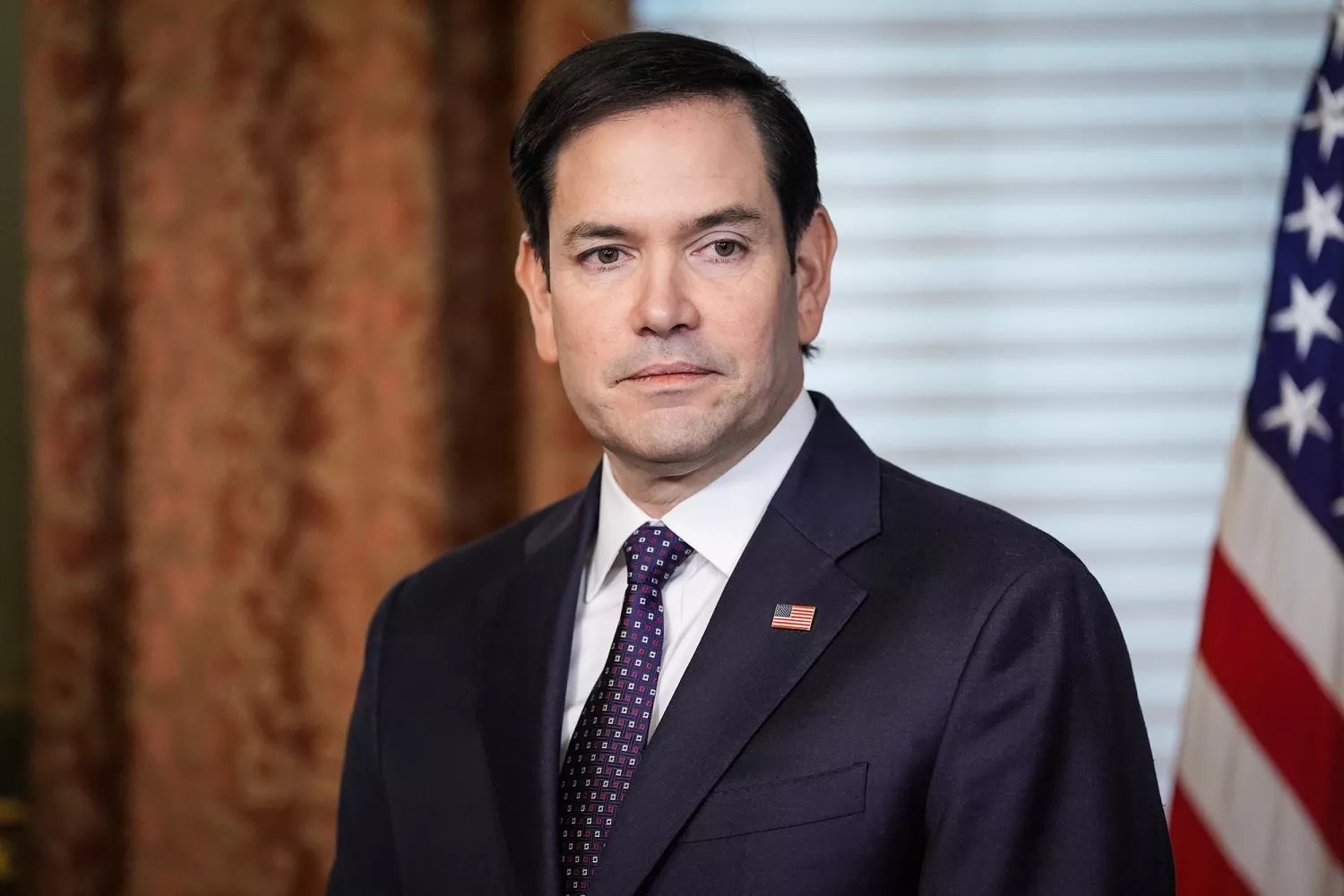
(Patria) - U.S. Secretary of State Marco Rubio hosted his counterparts from Australia, India, and Japan. seeking to bolster efforts to counter China, while trade and other bilateral disagreements are creating friction in relations, Reuters reported.
These countries, known as the Quad, share concerns about China's growing power, but ties have been strained by President Donald Trump's tariff offensive, from which no member has been spared.
Indian External Affairs Minister Subrahmanyam Jaishankar, however, said the meeting was "very productive" and that "today's gathering will strengthen strategic stability in the Indo-Pacific and keep it free and open," he said on social network X.
Welcoming his counterparts, Rubio called the Quad countries important strategic partners and said it was time to "take action" on concrete issues. He said thirty or forty companies from Quad countries would meet at the State Department for talks on cooperation, including diversifying the supply chain for critical minerals, in a sector currently dominated by China.
The meeting offered an opportunity to shift focus to a region considered the primary challenge for the United States after Trump was distracted by issues elsewhere, including the recent Israeli-Iranian conflict. In January, the Quad announced it would meet regularly to prepare for a leaders' summit in India later this year.
Rubio is scheduled to hold bilateral meetings with his Japanese counterpart Takeshi Iwaya, Jaishankar, and Australian counterpart Penny Wong.
Wong said on X that this was the second Quad ministerial meeting this year, "a signal of the importance of our partnership and the urgency of the challenges we face." She then added: "We agreed that it has never been more important to take concrete action that supports peace, stability, and prosperity in the Indo-Pacific."
Trump said on Tuesday that Washington could reach a trade deal with India that would help U.S. companies compete there and leave New Delhi facing much lower tariffs, although he expressed doubt about a possible deal with Japan by the July 9 deadline for higher tariffs.
Jaishankar stated on Monday that there was hope that trade negotiations would conclude successfully, which would require "give and take" to find a compromise.
After the Quad meeting, Jaishankar went to the Pentagon, where Defense Secretary Pete Hegseth said he hoped India and the United States could upgrade defense integration efforts.
"We hope to be able to finalize several major sales of U.S. defense equipment to India, expand our joint defense industry cooperation and co-production efforts," Hegseth said.
But other issues are putting pressure on relations. India disagrees with Trump's claims that his intervention and threats to end trade talks prevented a major conflict between India and Pakistan after militants killed Indian tourists in the disputed Kashmir region in April.
On Monday, Jaishankar reiterated India's position that trade was not a factor in achieving a ceasefire with Pakistan, adding, referring to the United States, that "relations will never be without problems" and that "what is important is the ability to deal with them and keep that trend in a positive direction."
Tariff Negotiations
Japan, a key U.S. ally in the Indo-Pacific, postponed its annual ministerial meeting with the U.S. Department of State and Department of Defense, which was scheduled for Tuesday. Press reports indicate that this move followed U.S. pressure to increase defense spending more than previously requested.
Nicholas Szechenyi of the Washington Center for Strategic and International Studies said that U.S.-Japan relations appear to have lost momentum since Japanese Prime Minister Shigeru Ishiba and Trump welcomed a new golden age in relations at a summit in February.
"Tariff negotiations are comprehensive, and the Japanese seem irritated by the administration's public lectures on defense spending," Szechenyi said.
The Financial Times reported last week that the requests came from Elbridge Colby, the third-highest official at the Pentagon, who analysts say has also recently caused concern in Australia by initiating a review of the AUKUS project to supply that country with nuclear submarines.
Komentari (0)
Prijavite se za komentiranje
PrijavaJos nema komentara. Budite prvi!
Minuta
Sve →Iz drugih kategorija

High Representative Not Elected: Germans, French and British Sabotaged Americans, New Attempt at End of June

ČOVIĆ WITHOUT MERCY: How Those Who Brought Ademović to Office Created a Political Hell for Him



Sunny Saturday, quite warm



Tragedy in Albanian resort: Two minors drown












