
By Armin Sijamić
For decades, China has prioritized peace and the economy, believing that its development would lead it to become the world's greatest power. This year has been bad for China in that regard, as war has come to its borders.
In recent days, the world has been buzzing about the meeting between US President Donald Trump and his Russian counterpart Vladimir Putin. The meeting location is Alaska – strategically important, as that part of the world is the point where the United States, Russia, and China are closest to each other.
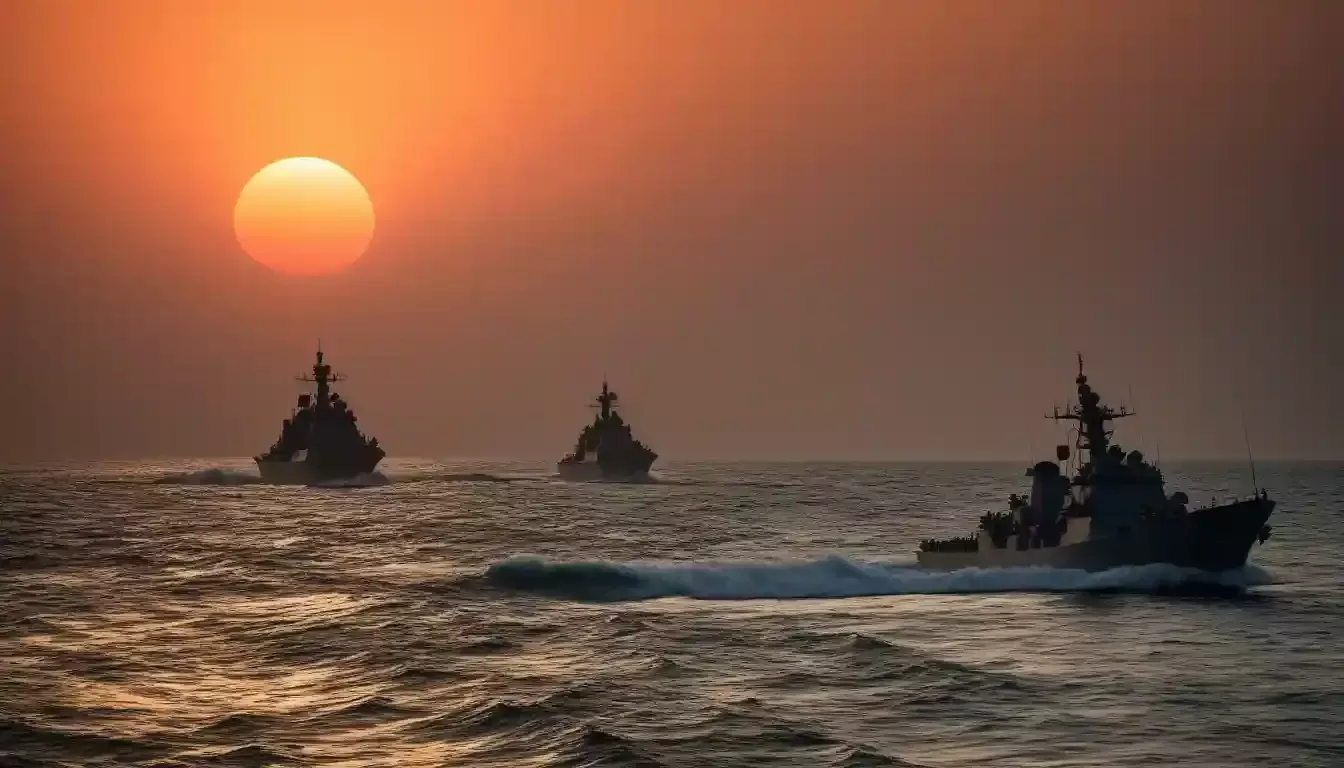
Precisely off the coast of Alaska, where Trump and Putin will discuss war and peace in Ukraine and Europe, China has sent five ships in recent weeks, including its first domestically produced icebreaker. The ships, in accordance with international law, sailed off the coast of Alaska and then headed towards the Arctic.
This is not surprising, as Beijing has previously shown interest in the Arctic. But it comes at a time when the stage is being set in the Pacific for a Sino-American confrontation, which does not necessarily have to be military, although such a scenario is not ruled out, as confirmed by the record military budgets of Beijing and Washington.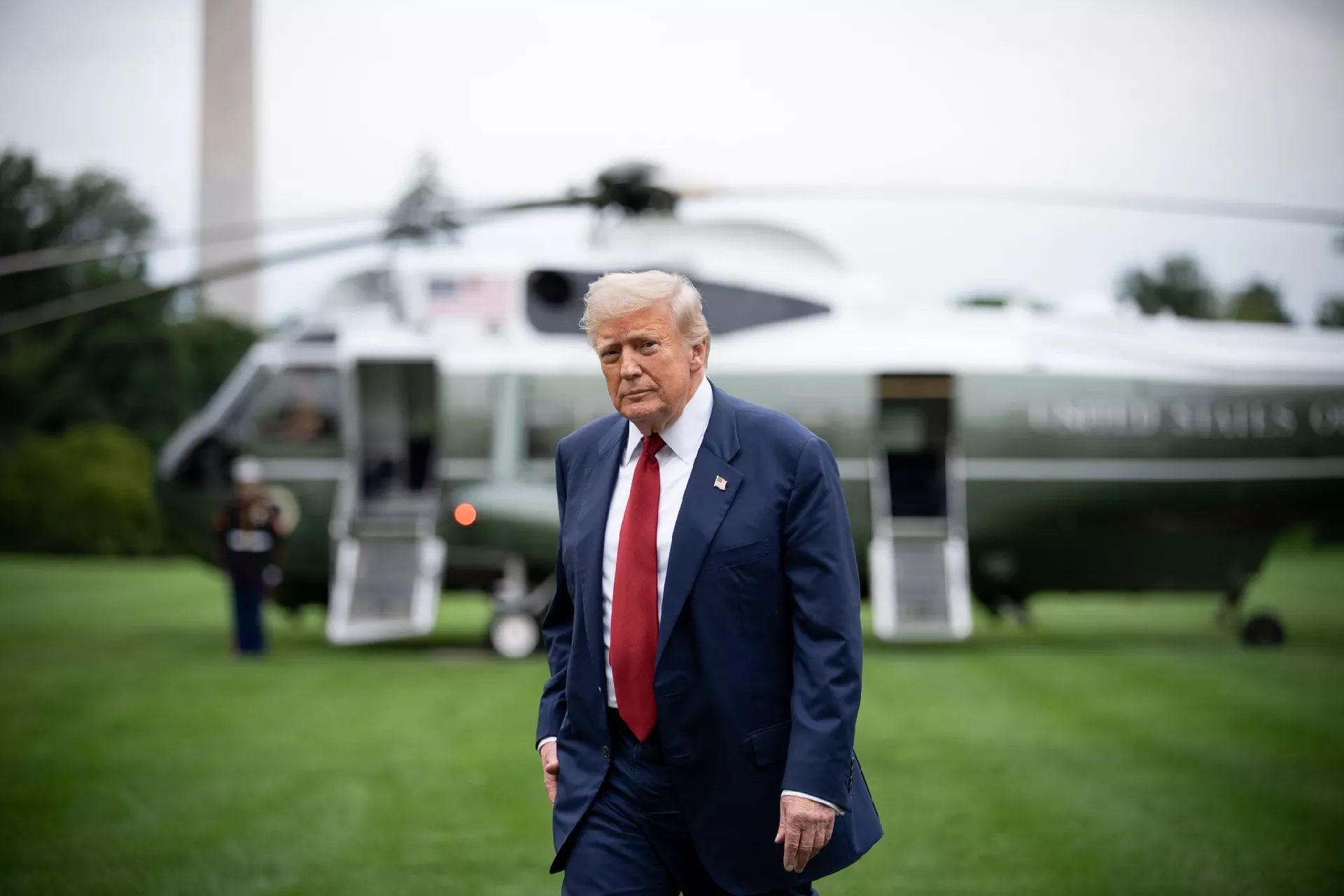
US President Donald Trump
Great Power Obligations
Last week, the Solomon Islands shocked the public in several countries. Prime Minister Jeremiah Manele refused to invite the United States and China to the most important political meeting in the region. Some interpreted this as the host's desire, who currently has a pro-China stance, to exclude Taiwan from the meeting because some countries at the forum do not recognize it. For those following events in the Pacific, this is confirmation that the US-China struggle for every Pacific island is ongoing.
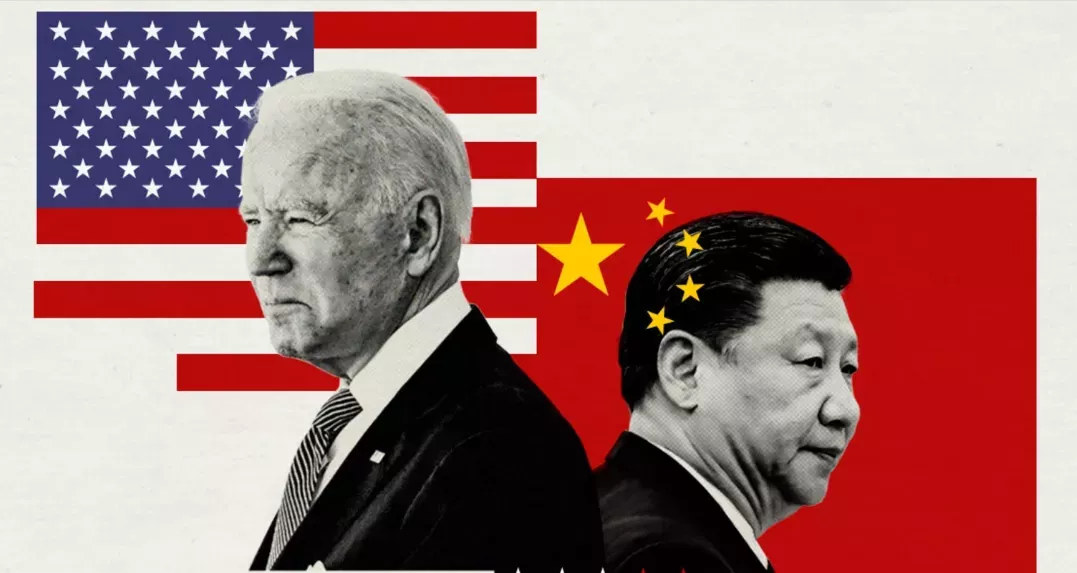
These two examples show that China is entering into arrangements that lead it into conflict with the United States and Beijing's confidence that it can do so. Many political scientists have already warned about this, speaking of the "Thucydides Trap," when a rising power seeks to replace an existing hegemon, arguing that war is inevitable in most cases.
Others argue that the US-China conflict will not be armed and that the two powers have mechanisms to avoid it. However, not everything depends on them alone, and other actors could draw them into a direct conflict or a proxy war. This is also suggested by a look at the Chinese map after new hotspots opened up this summer in a part of the world that China sees as its backyard.
Chinese Geography
Since World War II, China has engaged in various conflicts. The Chinese army has fought against American, Indian, Vietnamese, Russian, and Japanese forces. Some of these conflicts are still ongoing today.
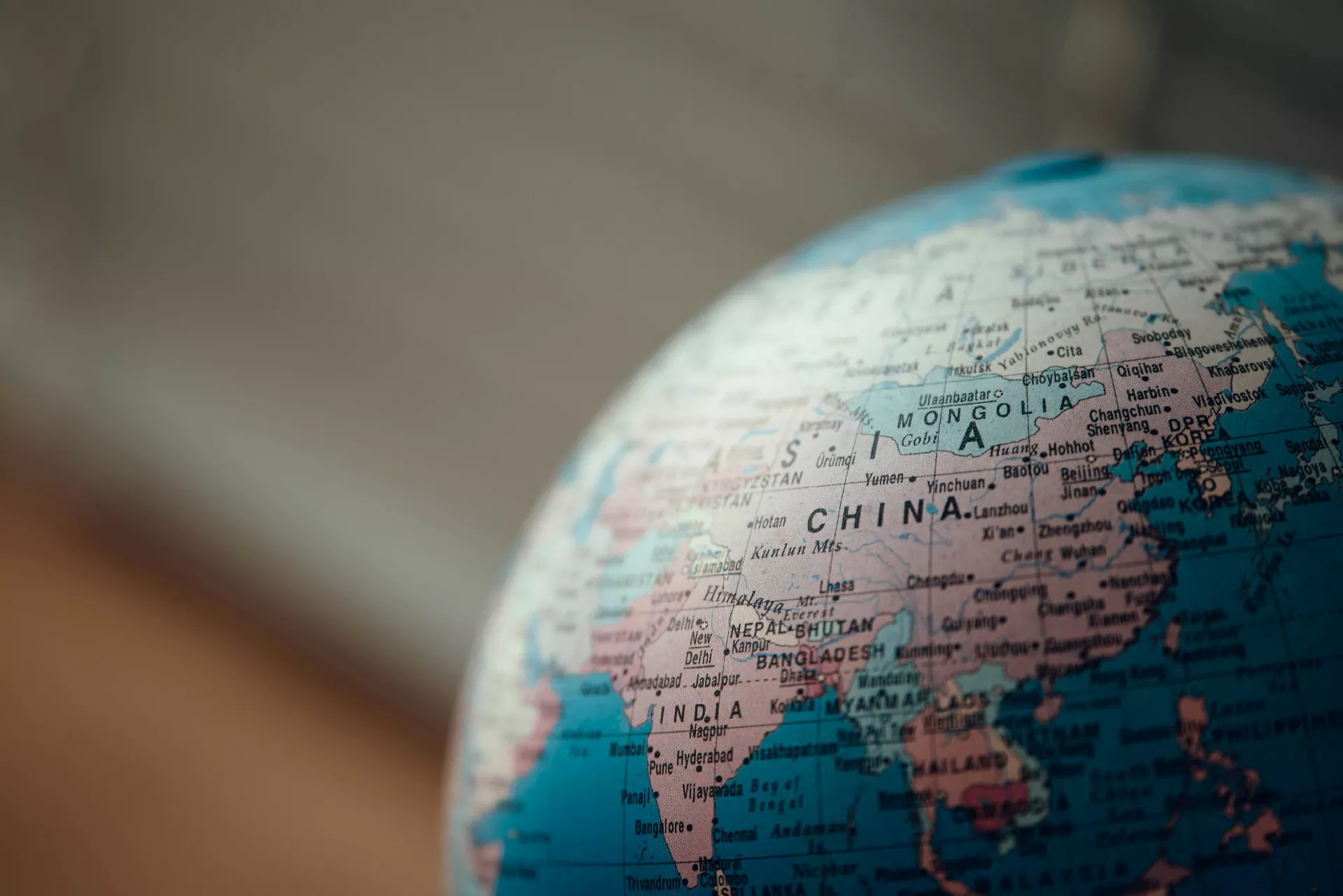
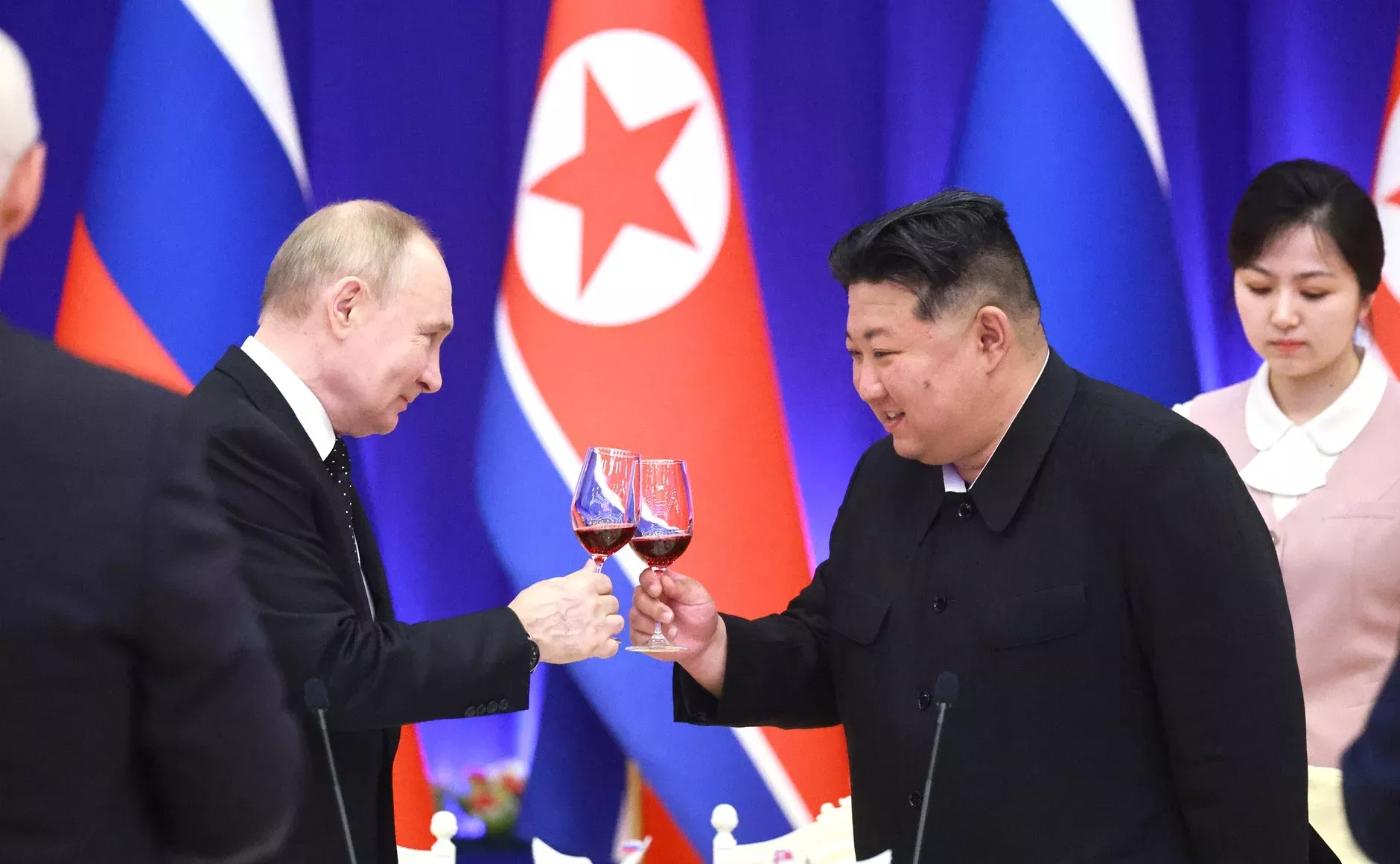
From China's perspective, it appears to be a country surrounded by war zones. China's largest neighbor, Russia, is at war, and its neighbor, North Korea, is in a decades-long conflict with South Korea and the United States.
Recently, India and Pakistan were on the brink of a major war after exchanging attacks for days. India and Pakistan are important for the stability of Afghanistan, which borders China, and where China is offering cooperation to the Taliban in an effort to prevent Central Asia from sinking into ethnic conflicts.
Then, in recent years, China has been in conflict in the South China Sea with most of its neighbors. China's unilaterally drawn maritime borders are not recognized by Vietnam, Malaysia, Brunei, and the Philippines.
In the case of the Philippines, the latest round of clashes occurred two days ago when Chinese and Filipino ships collided. This came a few days after a ceasefire in a short-lived war in China's backyard between China's ally Cambodia and Taiwan – backed by Washington. Thailand borders Myanmar, which borders China, where a military junta, a Beijing ally, is fighting rebels.
Finally, there is the issue of the renegade Chinese island of Taiwan, which has US military and political protection, although it lacks formal recognition as an independent state.
Trump's Policy
It is clear to the Chinese that any misstep they make will be used against them by Washington, just as they use tools against American interests. US officials do not hide that their next major challenge is to contain China and say that it is a bigger task than in the case of the USSR, which they broke up into numerous states, some of which are still at war today.
Former President Barack Obama once told the public that the focus of US policy was shifting from the Middle East to the Pacific. This course was continued by Trump in his first term, then by the administration of Joseph Biden, and with his return to the White House, the current president has continued what was started.
Trump's style of policy certainly does not please China, but Beijing cannot say it is a surprise. Trump's first term was marked by sanctions against Chinese companies, and his second began as a trade war with the undisguised intention of strengthening his own economy at the expense of China's.
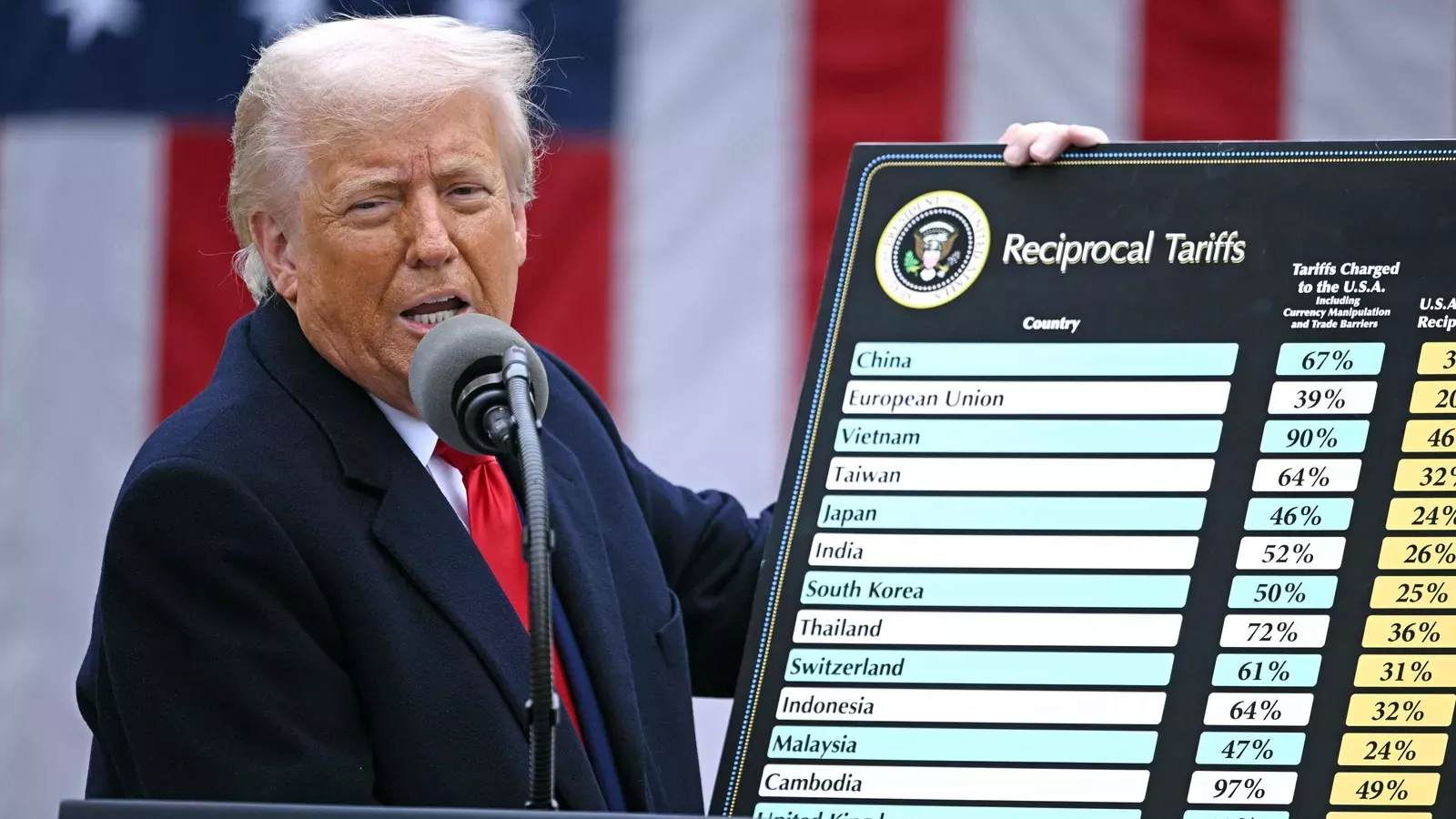
Negotiations between the American and Chinese delegations have been ongoing for weeks, seeking ways to avoid escalation, which will be very difficult, or very expensive, as any agreement means one side will lose billions of dollars. However, this is the only option if further confrontation is to be avoided.
From the few concrete public comments on Beijing's policy, it can be inferred that some Chinese authors view Trump's economic policy as a bluff, convinced that China has stronger cards in a potential economic war.
But Trump's policy is not just economic. The world's largest power has various tools, and Trump has shown he is ready to use them. Therefore, if the Chinese believe that time is on their side, Washington knows that the American establishment has an advantage in experience over China when it comes to great power politics, even though Beijing appears more decisive from its border to the US-Russian border near Alaska.
Komentari (0)
Prijavite se za komentiranje
PrijavaJos nema komentara. Budite prvi!
Minuta
Sve →Iz drugih kategorija

High Representative Not Elected: Germans, French and British Sabotaged Americans, New Attempt at End of June

ČOVIĆ WITHOUT MERCY: How Those Who Brought Ademović to Office Created a Political Hell for Him



Sunny Saturday, quite warm



Tragedy in Albanian resort: Two minors drown












