
By: Armin Sijamić
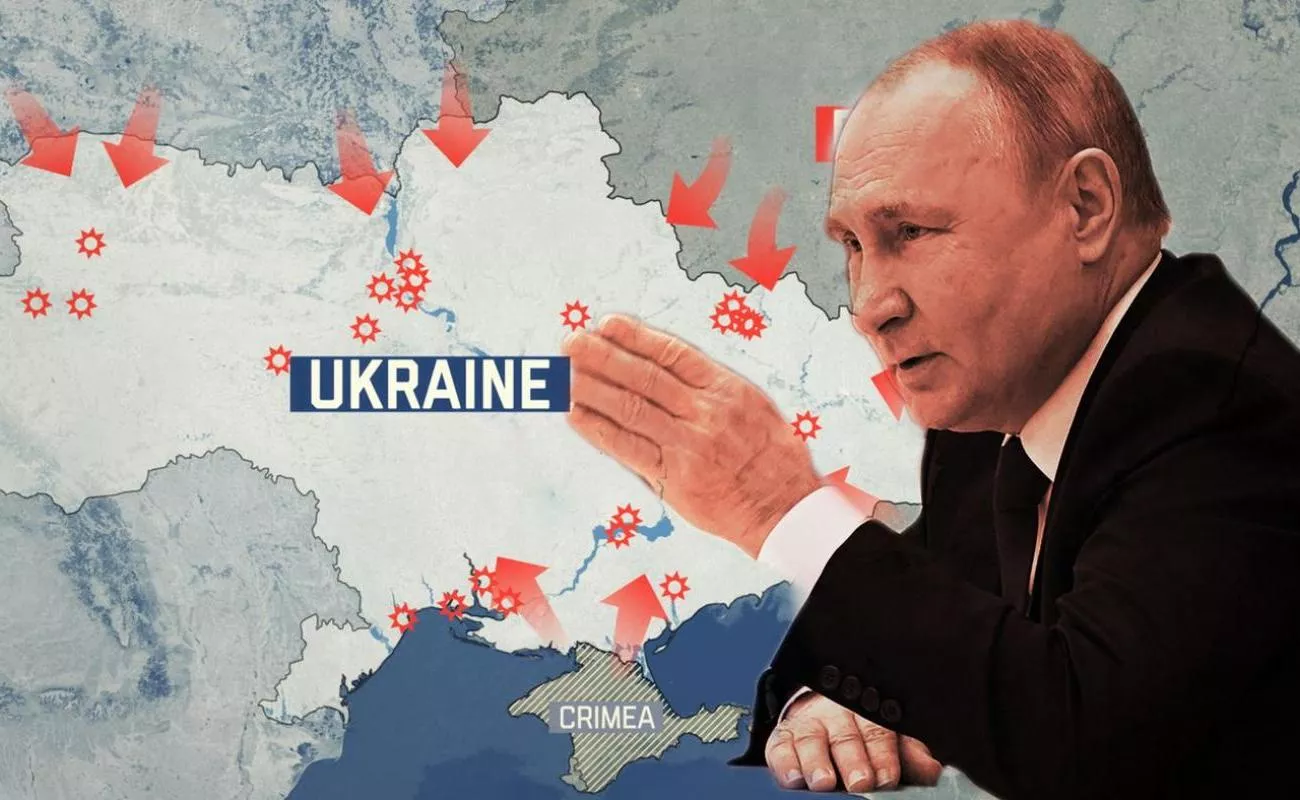
Since the beginning of the Russian aggression against Ukraine in February 2022, Victory Day in Moscow has been celebrated differently, reflecting part of what is happening in Russia and on the Ukrainian battlefield.
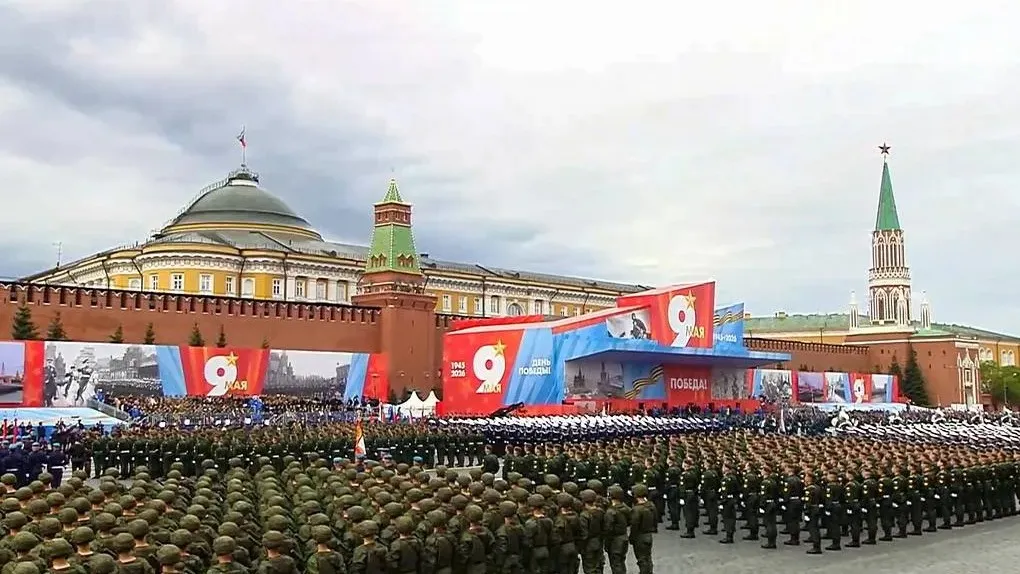
This year is no exception. The commemoration of the 81st anniversary of victory over fascism is different from previous years, and it is noteworthy that there was no displayed weaponry or numerous foreign leaders.
The list of those who visited Moscow this year is shorter than last year.
The fact that no military equipment was displayed clearly shows how poorly President Vladimir Putin is doing in the war in Ukraine. War efforts leave little to show, while the question remains what a great power that is attacking one of the poorest countries in Europe and that made a huge contribution to victory in World War II is celebrating. The narrative of attacking Ukraine because it wants to be closer to the West becomes more tragic for Moscow by the fact that Putin is trying to revive ties with official Washington and some European capitals.
This year's modest commemoration of May 9 is also a result of the fear of Ukrainian attacks. Russia has de facto admitted that it is not sure it can protect its president and his guests in Moscow.
This humiliation of official Moscow, which is the fault of Putin, who has long been dealing with Russian army officers and carrying out mass dismissals and appointments after ordering them to attack Ukraine, came four years after the Ukrainian army begged the West to supply them with any weapons.
Kyiv is now threatening with domestically produced drones and missiles, which have been hitting targets in Russia thousands of kilometers from the front in recent days.
Putin is not doing well in diplomacy either. Apart from a few separatists, including those who celebrate the allies of Adolf Hitler and Benito Mussolini, few representatives from other countries came. Some did not come due to disagreements with Putin's policies, and some probably out of fear for their own safety.
Parade in Question
Even such a parade was risky after Ukraine did not rule out the possibility of an attack on Moscow that day, which would have been unthinkable a few years ago. Russia threatened Ukraine that in retaliation it would target state institutions in Kyiv and parts of the city where the embassies of the United States, the United Kingdom, and other countries are located.
To prevent a Ukrainian attack, Russia unilaterally declared a three-day ceasefire, which began on Friday. Ukraine did not comment for days on whether it accepted such a ceasefire.
But then US President Donald Trump enters the stage. Yesterday, he said he had agreed with Putin and Ukrainian President Volodymyr Zelensky on a three-day ceasefire for May 9, 10, and 11, which is one day longer than Russia's proposal and one day after May 8, as Moscow requested. Trump added that a thousand prisoners would be exchanged from both sides during the ceasefire.
This move by Trump was likely expected in Russia. Ever since the summit in Alaska in August last year, there has been talk in the Russian media about the "spirit of Anchorage." In other words, some Russians believe that Putin and Trump reached some agreement then and that they are working together in that spirit.
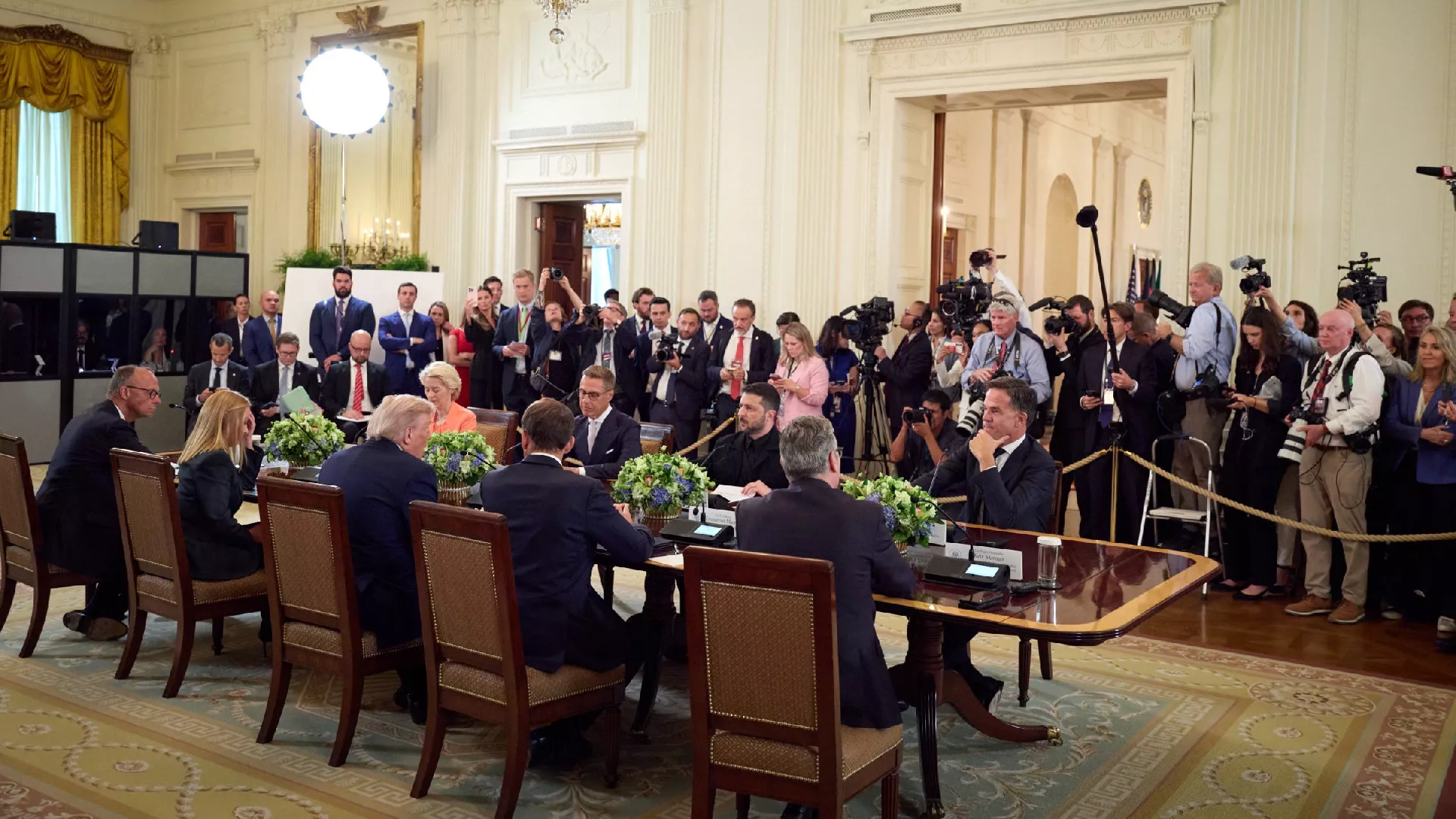
Trump thus did Putin a favor, while negotiations regarding Ukraine are stalled, as Kyiv does not want to give up its territory and has the support of European powers in this regard. With this gesture, Trump further fueled the thesis of the "spirit of Anchorage."
What is the point of such a parade?
The list of Putin's guests speaks volumes about how poorly he is doing at home and in the world. The fact that there was a possibility that impoverished Ukraine could hit the Russian president's guests in the heart of Moscow with drones and missiles shows the state of affairs in Russia. The Malaysian King Sultan Ibrahim, Belarusian President Alexander Lukashenko, President of Laos Thongloun Sisoulith, and Slovak Prime Minister Robert Fico, who did not attend the parade but went to a meeting with Putin, were announced as guests in Moscow today. Then, Kazakh President Kassym-Jomart Tokayev and his Uzbek counterpart Shavkat Mirziyoyev, whom the camera showed several times during the morning broadcast of the ceremony, were announced as guests.
Kremlin aide Yuri Ushakov tried to "smooth over" such a debacle by Putin on Thursday. He said that Russia had not sent invitations for the celebration of the 81st anniversary of victory in World War II, and that "some foreign figures expressed a proactive desire" to come to Moscow on this occasion.
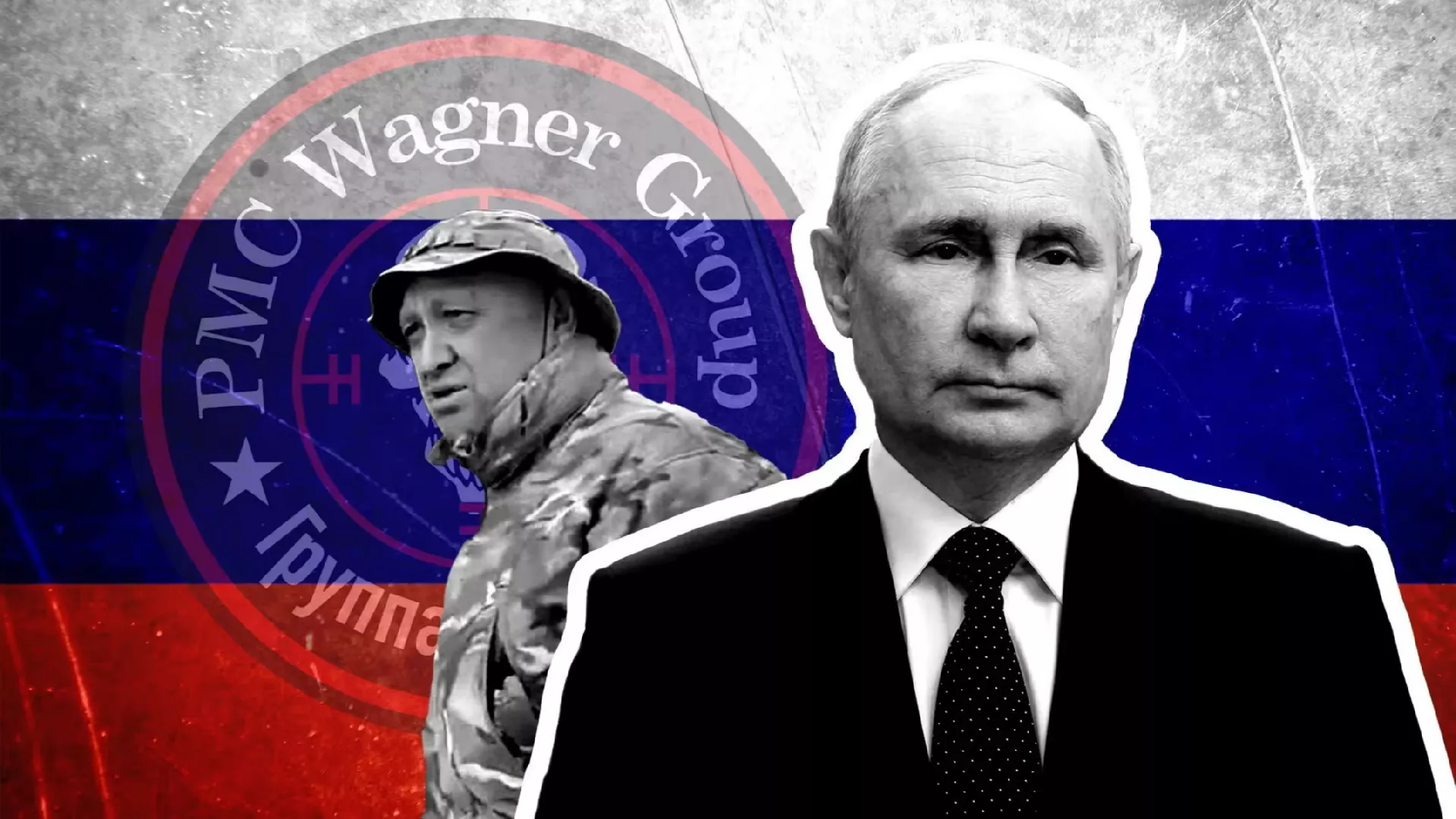
Ushakov said this in the days when the American CNN speculated about the possibility of a military or state coup in Russia, stating that many are dissatisfied with Putin's policies and the situation on the battlefield in Ukraine. The Wagner mercenary rebellion in June 2023 lends credibility to such reports, although American journalists did not provide convincing evidence that their story was true.
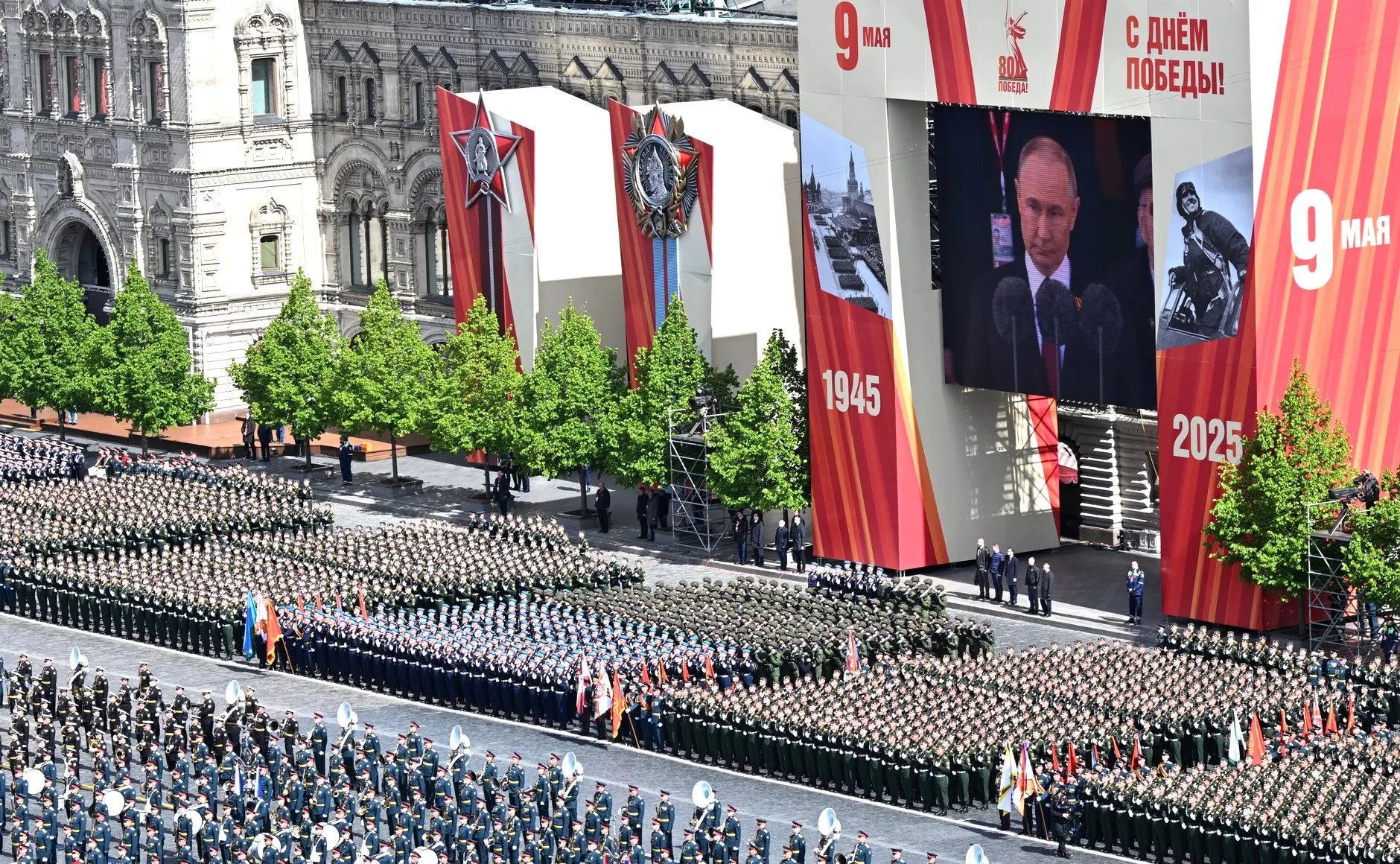
Today's speech by Putin was intended to dispel doubts about the state of the Russian army on the Ukrainian front and to show that he holds the reins in his hands even after a quarter of a century at the head of the largest country in the world.
The ceremony in Moscow was supposed to connect World War II and the Russian aggression against Ukraine. Putin, for the most part, spoke about the Soviet struggle in World War II, and then at one point stated that the Russian army would win in Ukraine against "an aggressive force supported by NATO."
Russian Foreign Minister Sergey Lavrov went furthest in connecting today's Ukrainian state with the darkest ideology of the last century. Yesterday, he said that Russia would "respond" if "Nazis tried to carry out their threats and disrupt the Victory Day celebration."
However, doubts remain. The small number of foreign guests is a message to Putin about what those who have the opportunity to disagree with him think of his policies, today's military parade is a pale shadow of the power that was proudly displayed to the world in previous years, and more than four years of war in Ukraine and the stalemate in negotiations with the West indicate that things are not going according to the Kremlin's plans.
The fact that Trump persuaded Zelensky to accept a three-day ceasefire and that Putin continues to place his hopes in the "spirit of Anchorage," seeing the unpredictable US president as his greatest chance for victory in Ukraine and elsewhere, perhaps best summarizes the past four years of Russian policy and this year's gathering in Moscow.
Komentari (0)
Prijavite se za komentiranje
PrijavaJos nema komentara. Budite prvi!
Minuta
Sve →Iz drugih kategorija

High Representative Not Elected: Germans, French and British Sabotaged Americans, New Attempt at End of June

ČOVIĆ WITHOUT MERCY: How Those Who Brought Ademović to Office Created a Political Hell for Him



Sunny Saturday, quite warm



Tragedy in Albanian resort: Two minors drown












