
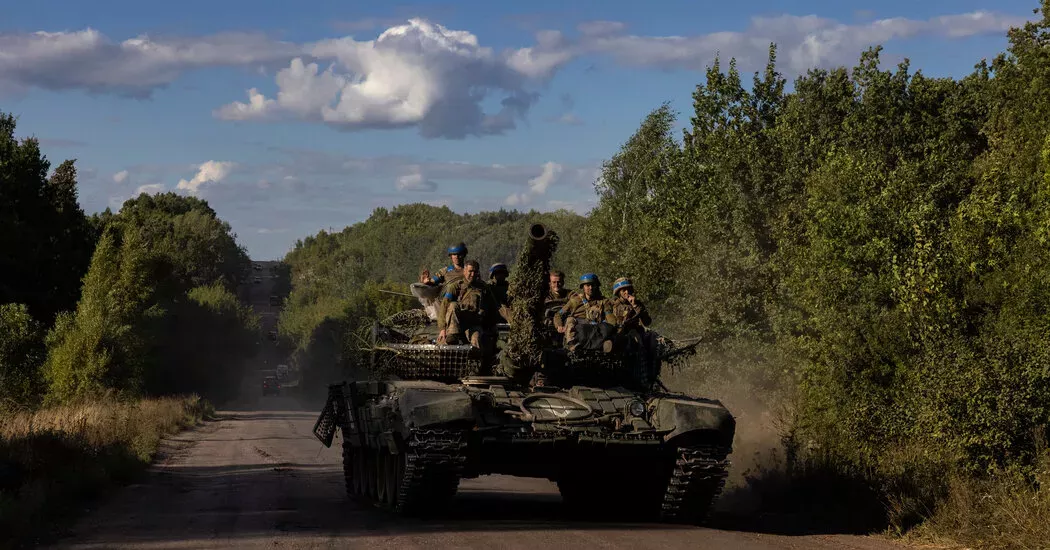
(Patria) - While secretly preparing an invasion of Russia, Ukrainian leader Volodymyr Zelensky sent a completely different signal to the public in July - he wanted negotiations to end the war.
Speaking to the BBC, he said he plans to end the "hot phase" of the war this year. He sent his foreign minister on a surprise trip to China, on a mission to improve Ukraine's relations with Russia's most important partner.
He also advocated for a series of international meetings, including one planned for Qatar in August, where he hoped to gain support and pave the way for a broader solution.
Such an appearance by the Ukrainian president represented a major turning point because for two years he had refused to offer any indication of concessions in the face of the Russian invasion, which many Ukrainians believe aims to erase their country from the map, writes the New York Times (NYT), as reported by Index.hr.
Ukrainian forces entered Russia's Kursk region on August 6, resulting in one of the most embarrassing moments for Russian President Vladimir Putin.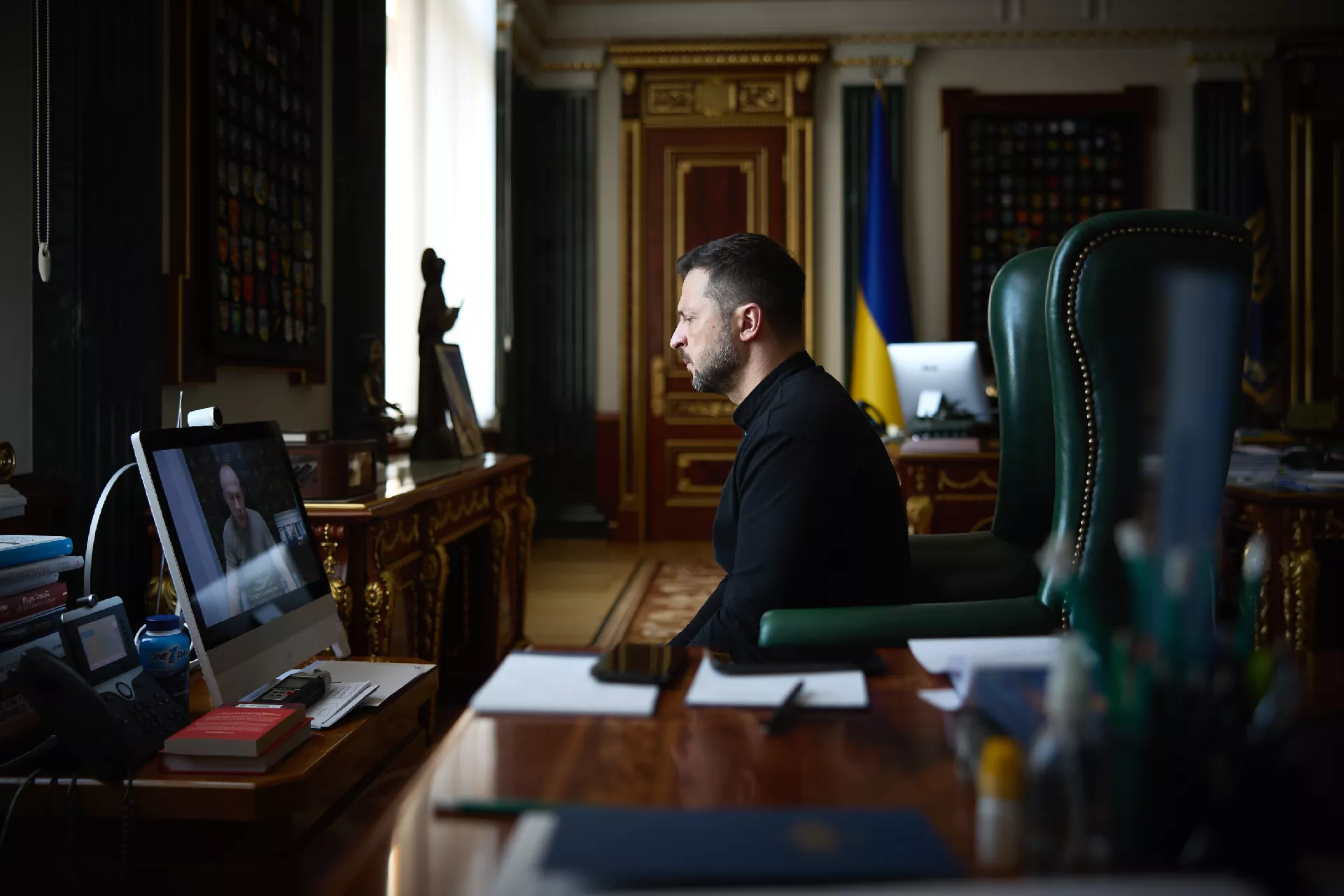
Many analysts in recent months have made predictions that the two warring sides are getting closer to reaching peace, but the question arises whether the potential peace is jeopardized by the Ukrainian incursion into Russia.
Kyiv opted for a risky gamble, hoping that by invading Russia it would create a more favorable position for negotiations with the Kremlin. However, Russians expect Putin to respond fiercely because he is convinced that his army has an advantage in manpower and weaponry.
There are already signs that ceasefire efforts have failed. A diplomat involved in the talks says Russian officials postponed a meeting planned for this month in Qatar where the two sides were supposed to agree to stop attacks on each other's energy infrastructure.
- In this situation, we will not talk - said Putin's foreign policy advisor Yuri Ushakov, adding that the date for resuming negotiations will "depend on the situation on the battlefield."
Grigory Yavlinsky, a long-time Russian politician who met with Putin last October to promote the idea of a ceasefire, points out that there was hope in the Russian capital that "the fighting would stop this year."
- The circumstances that just occurred have reduced those chances - Yavlinsky assesses.
Many Ukrainians think Putin was never focused on peace, but on complete domination over their country. Officials in Kyiv hope that the incursion into the Kursk region will allow an agreement to be reached on Ukraine's terms.
They claim the Russians must feel the war in order for the Kremlin to be forced to retreat.
- It is very difficult to imagine peace unless Russia loses. The only solution is to make the Russians pay - says Ukrainian parliamentarian Yaroslav Yurchyshyn, who predicts that the Ukrainian counterattack on Russia will speed up negotiations.
Ukrainian officials insist that Zelensky's public diplomatic efforts this summer, along with his secret planning of the offensive on Kursk, are two prongs of the same strategy.
It is unclear whether the combination of military and diplomatic pressure will influence Putin, who has shown he is willing to bear a high cost to defeat Ukraine.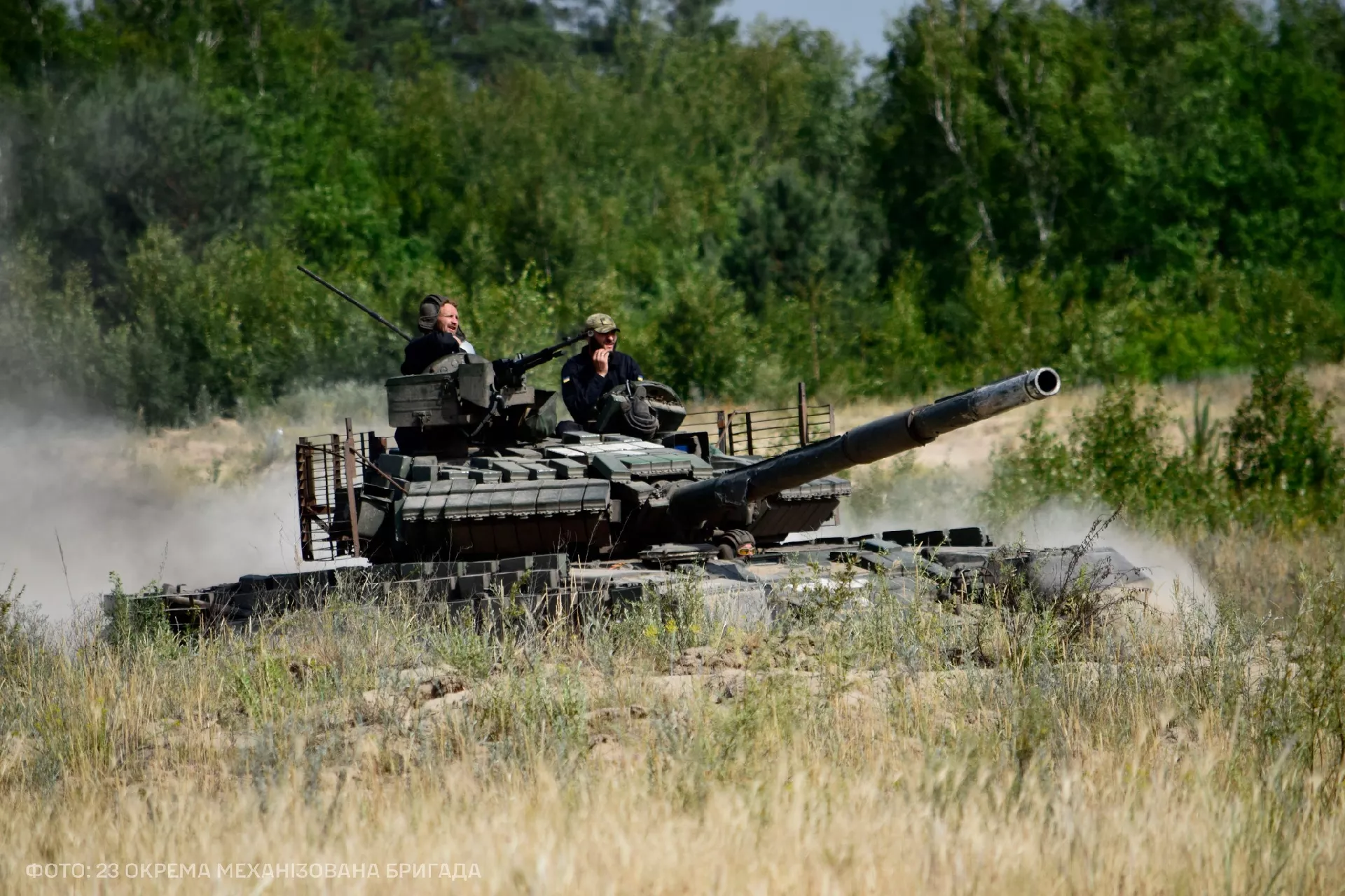
In June, Zelensky gathered 92 countries in Switzerland with the aim of gaining global support for his vision of a "just and lasting peace." His plan included joining NATO, the complete withdrawal of Russia, and criminal prosecution of Russians for war crimes.
However, China skipped that summit, and some of the leading non-Western countries that participated, including India, Indonesia, Saudi Arabia, and South Africa, refused to sign the summit's joint declaration.
For these countries, the key problem was that Russia was not invited to the Swiss summit. They warned that any peace negotiations should include both sides and a willingness to compromise.
In the weeks that followed, Zelensky showed increasing openness to direct negotiations with Russia. He said Russia could be invited to a second peace summit this year. He continued reaching out to neutral countries. Thus, the Indian prime minister will visit Ukraine this week.
While Ukraine signaled its readiness for talks, its army was preparing for one of the boldest attacks since the start of the war.
Ukraine's mention of peace partly served as a strategic deception. But Ukrainian officials also insist that diplomacy and bringing the war to Russian territory are not contradictory efforts.
- To force the Russians into a fair negotiation process, they must be faced with tactical defeats on the battlefield. As these defeats accumulate, social unrest will emerge within Russia - said Zelensky's advisor Mykhailo Podolyak on the day of the incursion into the Kursk region.
There are signs that the Ukrainian operation has already unsettled the Russians. According to a poll conducted by Russians last week, 45 percent of respondents said people were in an "anxious mood," a jump of 12 percent from two weeks earlier.
Those who know Putin well doubt that the Ukrainian incursion and the public unrest that may follow could force the Russian leader to change course. They claim Putin is convinced he has the resources needed to outlast Ukraine and the West.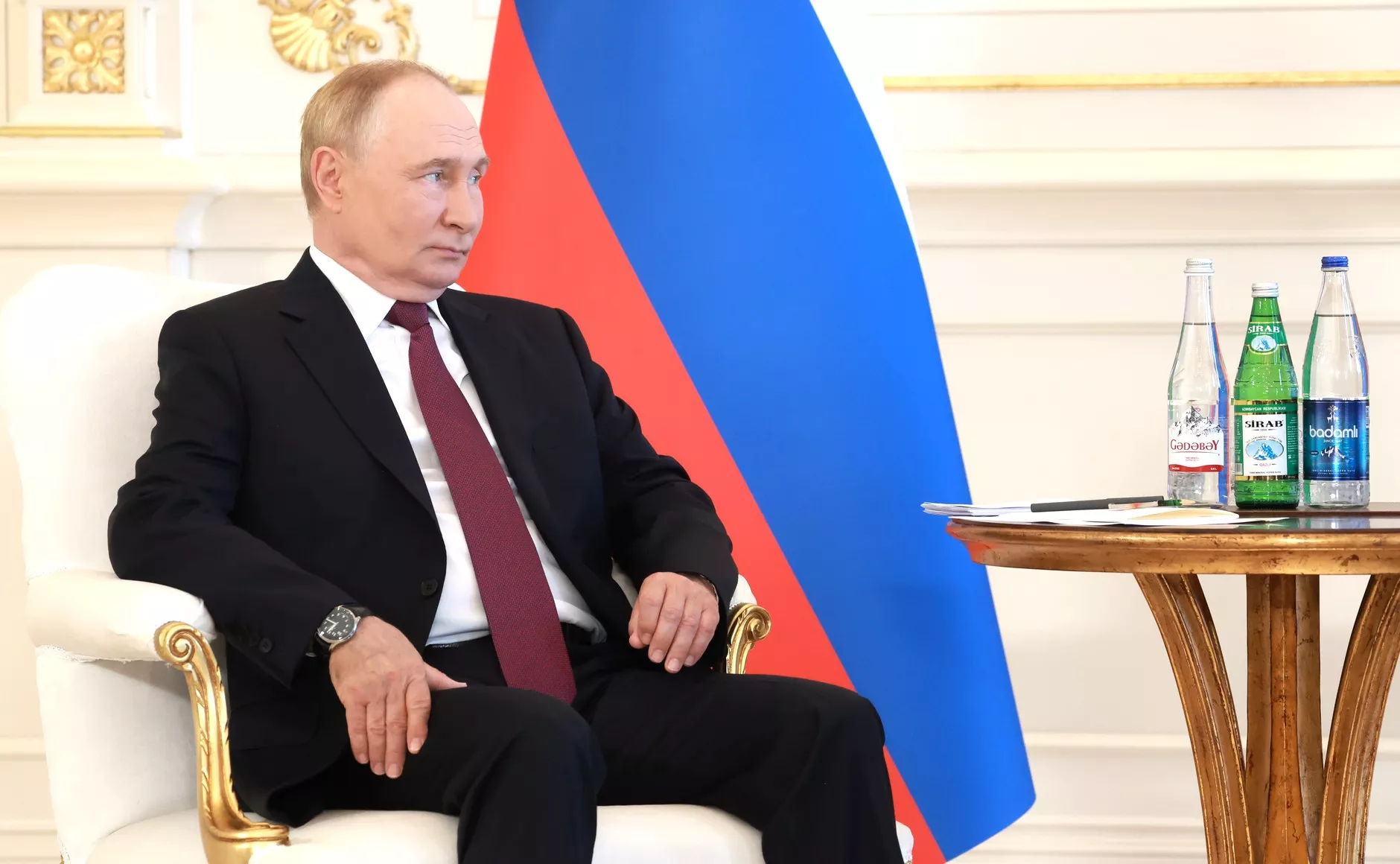
Russia continues to dominate most of the battlefield in Ukraine and advance in the east, approaching the strategically important Ukrainian city of Pokrovsk.
Putin continues with his usual activities, so yesterday he went on a two-day visit to Azerbaijan.
He has not commented on the Ukrainian incursion since a tense crisis meeting on August 12, when he asked whether there was any benefit to negotiations with Ukraine, without ruling them out entirely.
- The enemy is clearly trying to improve its future negotiating position - he said then, accusing Ukrainians of shooting at civilians: "What is there to talk about with them at all?"
- Putin will now seek to increase the amount of pain he inflicts on Ukraine - said Tatiana Stanovaya of the non-governmental organization Carnegie Russia Eurasia Center.
She added that Putin is confident Russia will ultimately triumph, so he is ready to take greater risks and make Russians bear a higher cost.
- Putin is ready to pay an even higher price than this. For Putin, this is simply a question of the price of victory - Stanovaya concluded.
Komentari (0)
Prijavite se za komentiranje
PrijavaJos nema komentara. Budite prvi!
Minuta
Sve →Iz drugih kategorija

High Representative Not Elected: Germans, French and British Against Americans, New Attempt at End of June

ČOVIĆ WITHOUT MERCY: How Those Who Brought Ademović to Office Created a Political Hell for Him



Sunny Saturday, quite warm



Tragedy in Albanian resort: Two minors drown












