
By Armin Sijamić
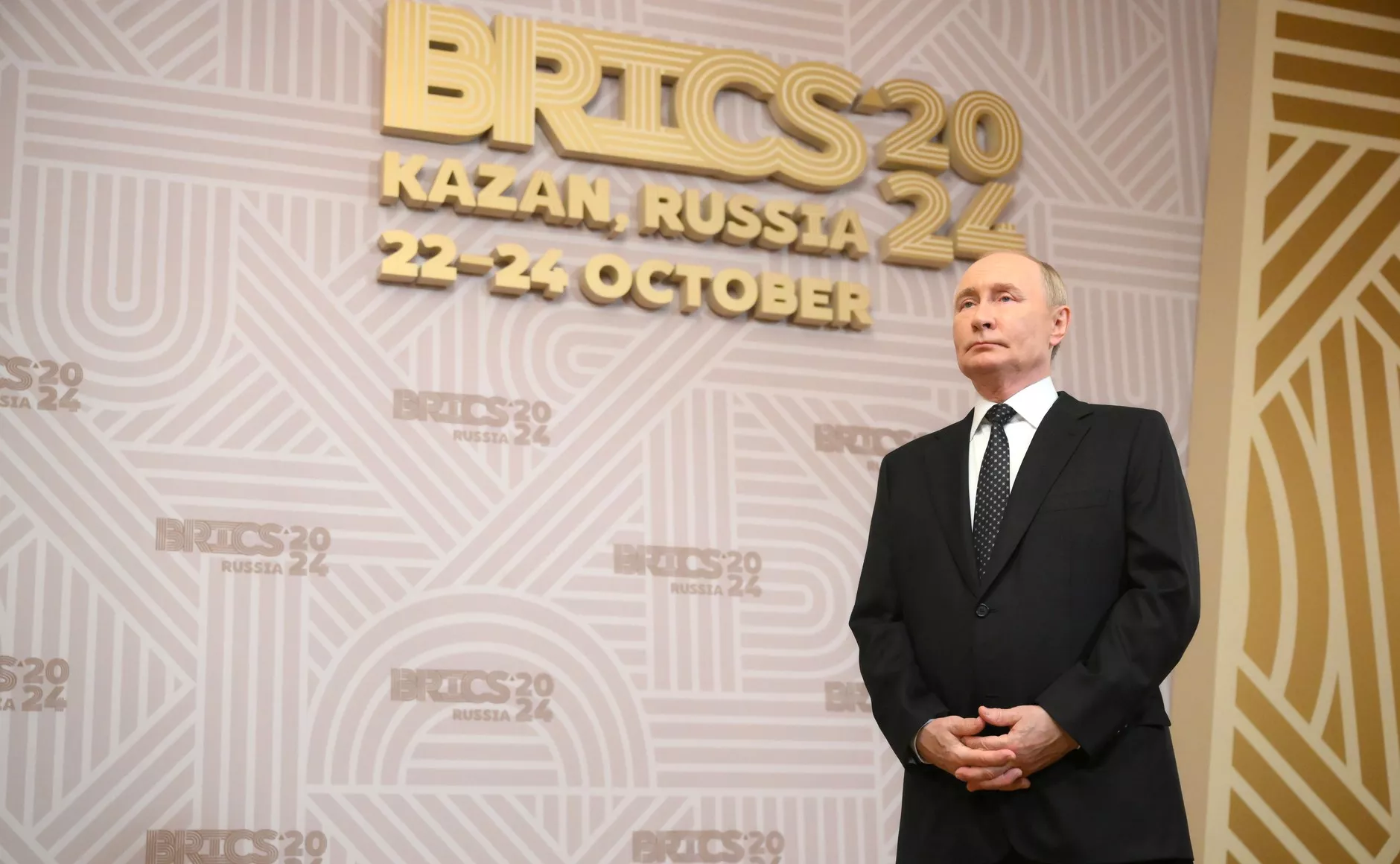
The sixteenth BRICS summit was held in the Russian city of Kazan from October 22 to 24. The attendance of dozens of heads of state at the summit is an important victory for Russian President Vladimir Putin, but the high-ranking guests were not ready to support what official Moscow desperately needs at this moment.
Not so long ago, US President Joseph Biden said that Putin was more isolated than ever before. At that time, that statement was accurate, especially since the international court's arrest warrant for crimes in Ukraine is still in effect, limiting Putin's travel in many countries.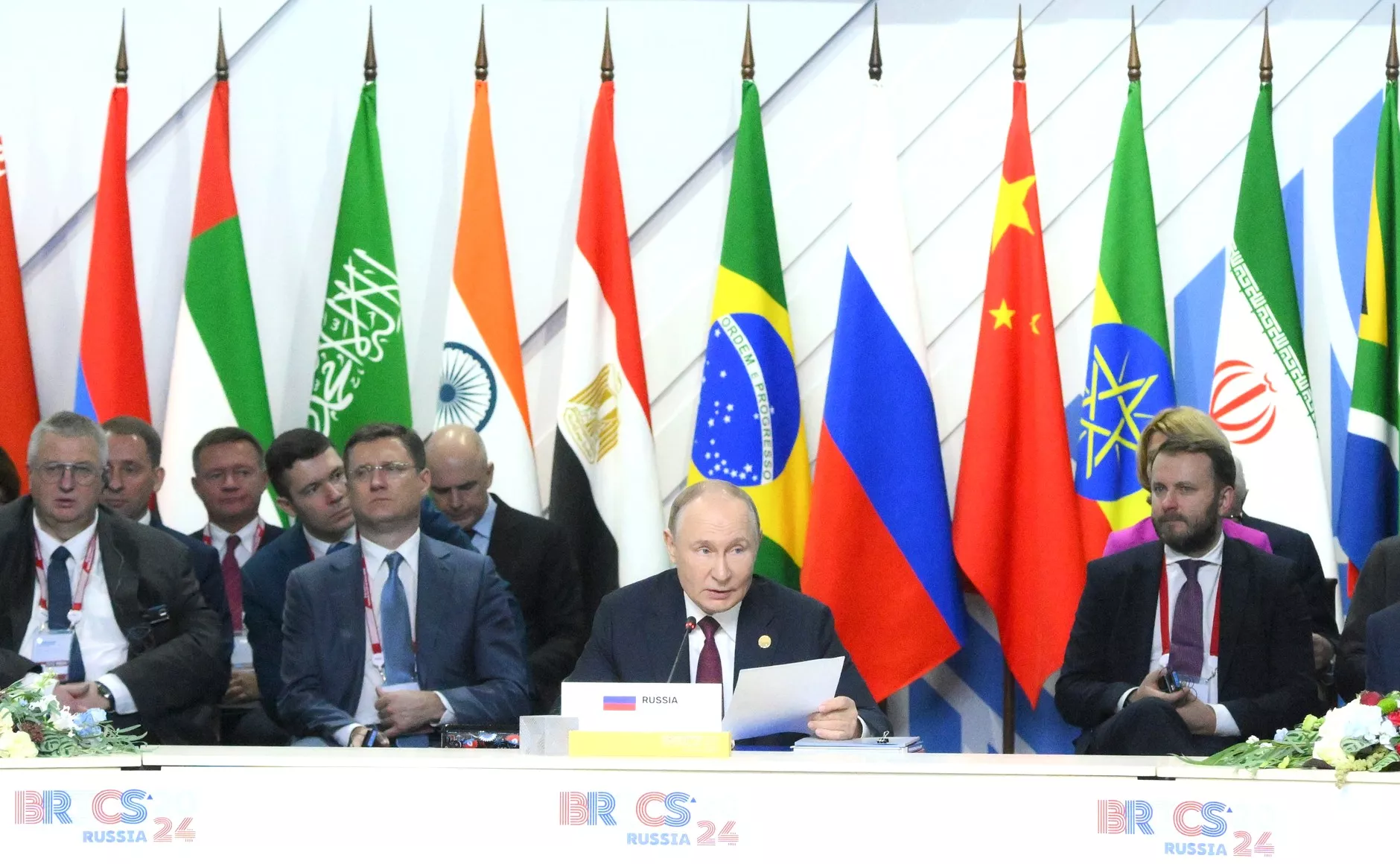
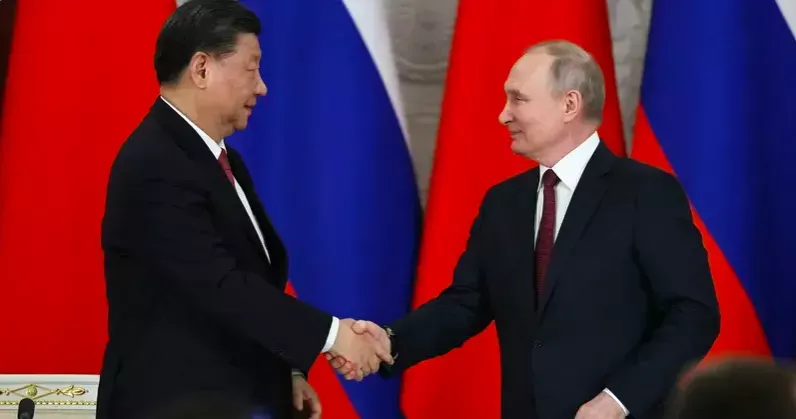
But after the summit in Kazan, that isolation has lessened. More precisely, it doesn't exist in numerous countries, including the two most populous ones. Despite Western threats, China and India have not turned their backs on Putin. But this does not mean they have accepted his policies either. Iran, Turkey, Brazil, South Africa, the United Arab Emirates, Saudi Arabia, Ethiopia, and Egypt have also taken such a stance...
The grand gathering in Kazan, in the Republic of Tatarstan, which has a majority Muslim population, sent a message to the West that there are growing numbers of dissatisfied people in the world, often for various reasons. The choice of Kazan as the summit location is also symbolically important, as the city was long a center of trade between the West and the East. It is a devastating blow for Russians that they are now the East, far from the West.
Summit of the Dissatisfied
Months before this summit, many predicted that the Kazan summit would mark the beginning of the end of the global financial system, which emerged after World War II and gave the United States the main levers of control over the world economy, with the US dollar as the primary global currency and Washington possessing the mechanisms to control the world's financial bloodstream.
After the Kazan summit, the world remained where it was – participants expressed dissatisfaction with the Bretton Woods setup but were not overly determined to build a new system with Russia outside the West. Iran and China are exceptions. Iran, due to being under Western sanctions like Russia, including being excluded from SWIFT, and Beijing because the Chinese yuan would likely assume the dollar's current role in much of the world. This option is as unacceptable to India as it is to Washington.
The yuan is now Russia's main reserve currency. Moscow's financial transactions are conducted in its domestic currency where possible, and the yuan is used when that is not feasible. Russia's difficulties in international payments have been noticed by many. The Economist reported a case where Moscow paid for mandarins from Pakistan with lentils and beans this month.
The financial difficulties Russia is experiencing are a result of sanctions imposed by the West due to its aggression in Ukraine. Although the Russian economy is currently doing well, there are increasing reports of difficulties in international trade as the West tightens the noose and punishes those who help Russia circumvent sanctions. This has been presented in the West as a race against time to financially weaken Russia before the Ukrainian army collapses under Russian attacks.
The trap Putin fell into in Ukraine, after misjudging that the West would not stand behind Kyiv, will cost Russia increasingly. Regardless of how the war in Ukraine ends, Moscow will pay a huge price, and its ally in Beijing will primarily benefit from this.
The summit participants, in a joint statement and individual addresses, emphasized their dissatisfaction with the state of the world. In the joint statement, which has 143 points, BRICS members call for reform of the United Nations and its Security Council, for the organization to play a leading role in regulating artificial intelligence, oppose unilateral sanctions, express concern about the situation in the Middle East (especially in Lebanon and the Gaza Strip), reiterate their commitment to the establishment of a Palestinian state within the 1967 borders, call for the continuation of negotiations on the Iranian nuclear program, demand an end to the war in Ukraine, reform of the Bretton Woods system, and a discussion on a new financial settlement system among BRICS members.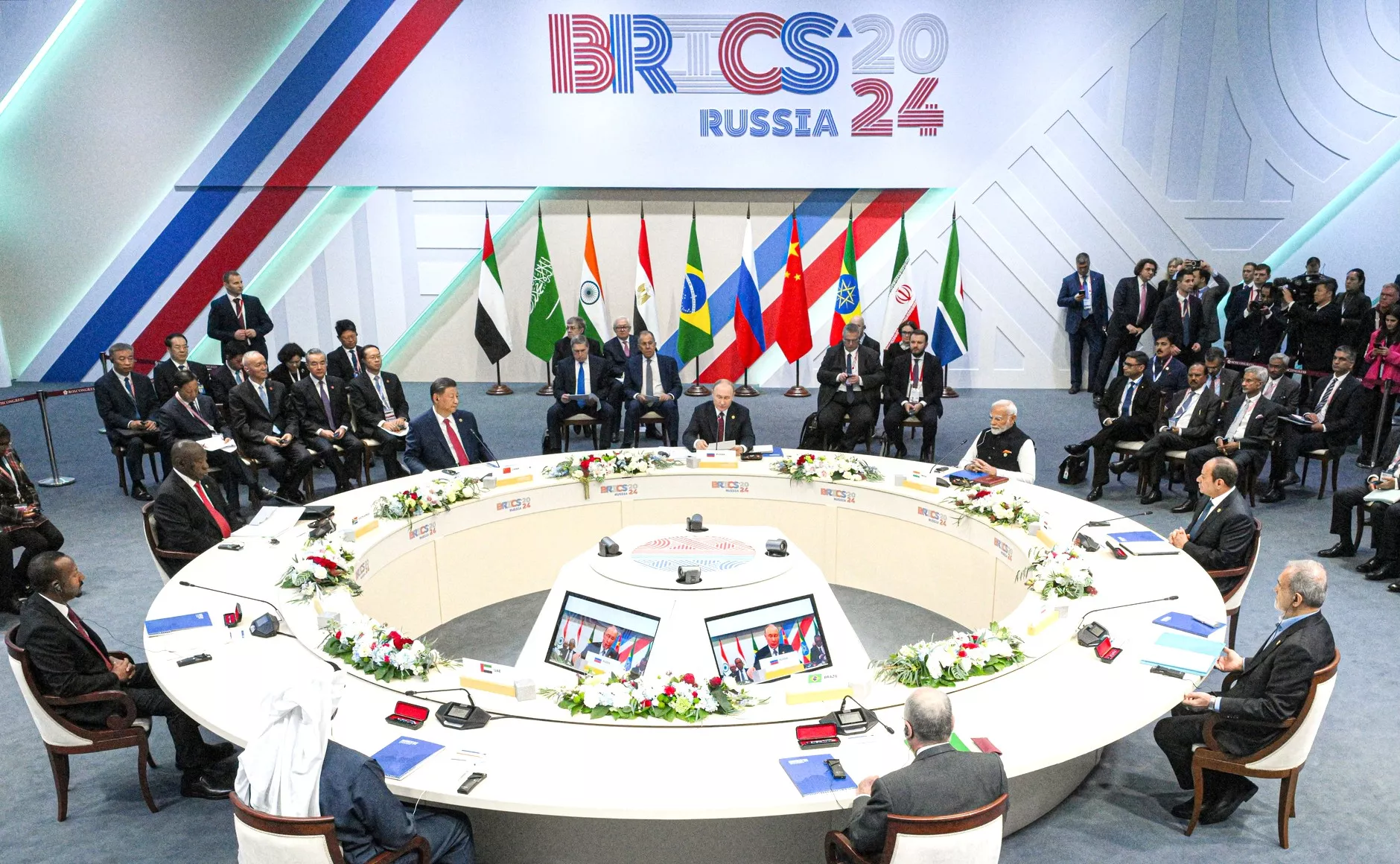
Putin Continues War Against the West
In addition to the aforementioned, other agreements were reached by the attending delegations on the sidelines of the summit. However, fundamentally, nothing revolutionary happened, as it is evident that there are disagreements within BRICS, even though more and more countries want to join the forum, and five new members participated in this summit. Putin can be partially satisfied with this, but not entirely. Just like the West.
Putin has won a battle for his reputation in a large part of the world, as dozens of heads of state came to Kazan, thus signaling to the West that they will not jeopardize their interests because of the war in Ukraine. In the Russian interpretation, which is correct from that perspective, it is said that representatives of the majority of the world's population came to Kazan.
Putin can be dissatisfied that another BRICS summit has concluded without epochal changes, even though those who participated have repeatedly stated that they desire them. However, there are still no concrete results, and this is good news for the West. Putin has not yet convinced his allies to sacrifice for Russian interests, or to enter into any conflict with the West due to Moscow's plans.
This means the struggle continues, and the strategic setup remains the same – there are more and more dissatisfied people who want change. Putin is clearly playing that card and counting on time working in Russia's favor. One of the summit's guests was Palestinian President Mahmoud Abbas. Rhetorically, BRICS has stood behind Palestine, while most of the West has concretely stood behind Israel. This is a continuation of Putin's policy towards Palestine, which exploits dissatisfaction with the West but lacks the mechanisms on the ground to implement it.
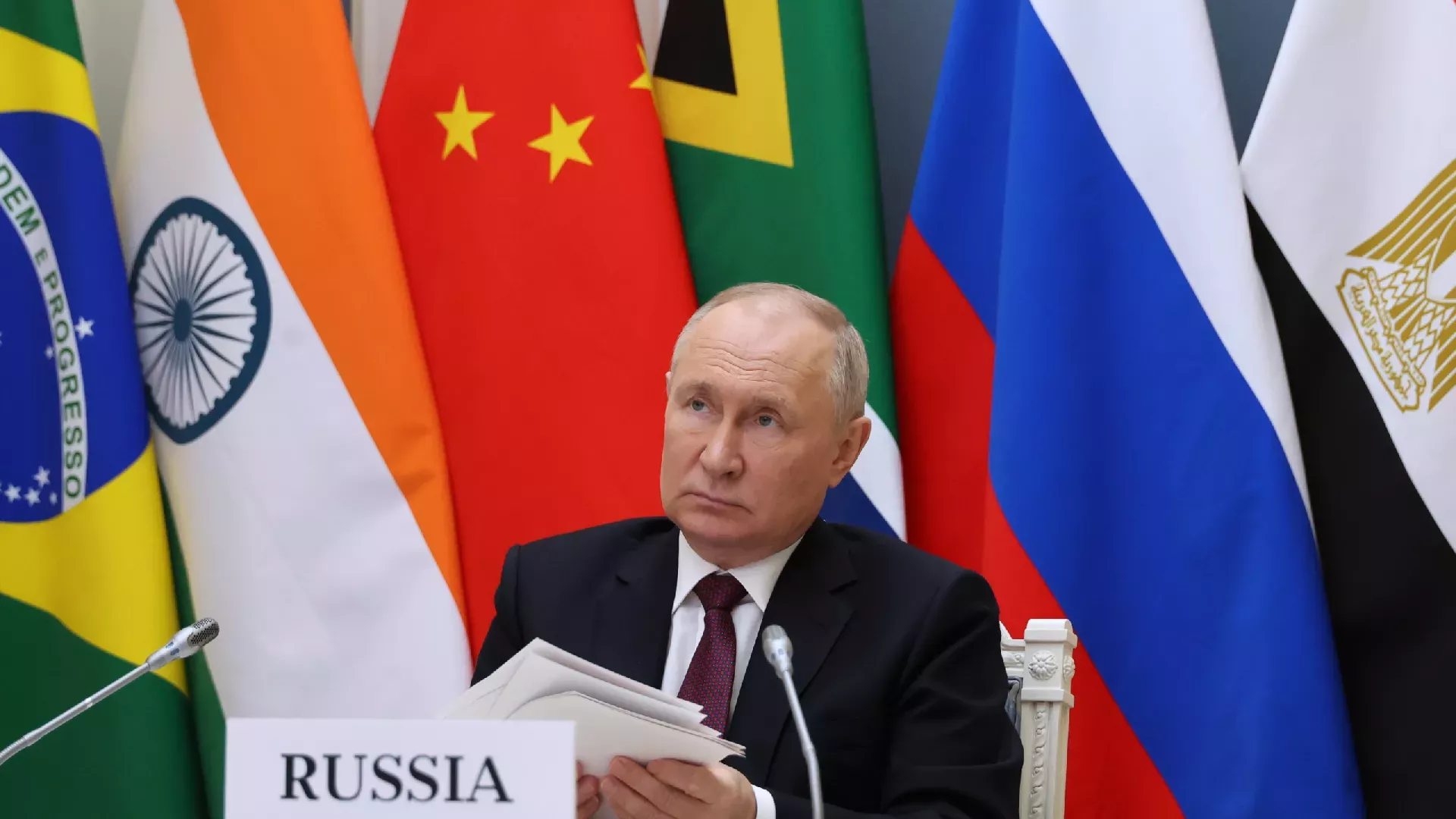
The aforementioned is not surprising, and all parties could likely have anticipated such an outcome of the summit, considering that BRICS has a potential that is still poorly utilized. Perhaps the only surprise was the arrival of UN Secretary-General António Guterres. His presence at the summit, among leaders whose policies the UN General Assembly has condemned multiple times since the start of the war in Ukraine, was not welcomed by the West and Kyiv. Nevertheless, his arrival confirms what the summit participants claim – the world needs change, and the only idea on how to achieve it is by building a multipolar world.
Komentari (0)
Prijavite se za komentiranje
PrijavaJos nema komentara. Budite prvi!
Minuta
Sve →Iz drugih kategorija

High Representative Not Elected: Germans, French and British Sabotaged Americans, New Attempt at End of June

ČOVIĆ WITHOUT MERCY: How Those Who Brought Ademović to Office Created a Political Hell for Him



Sunny Saturday, quite warm



Tragedy in Albanian resort: Two minors drown












