
By Armin Sijamić
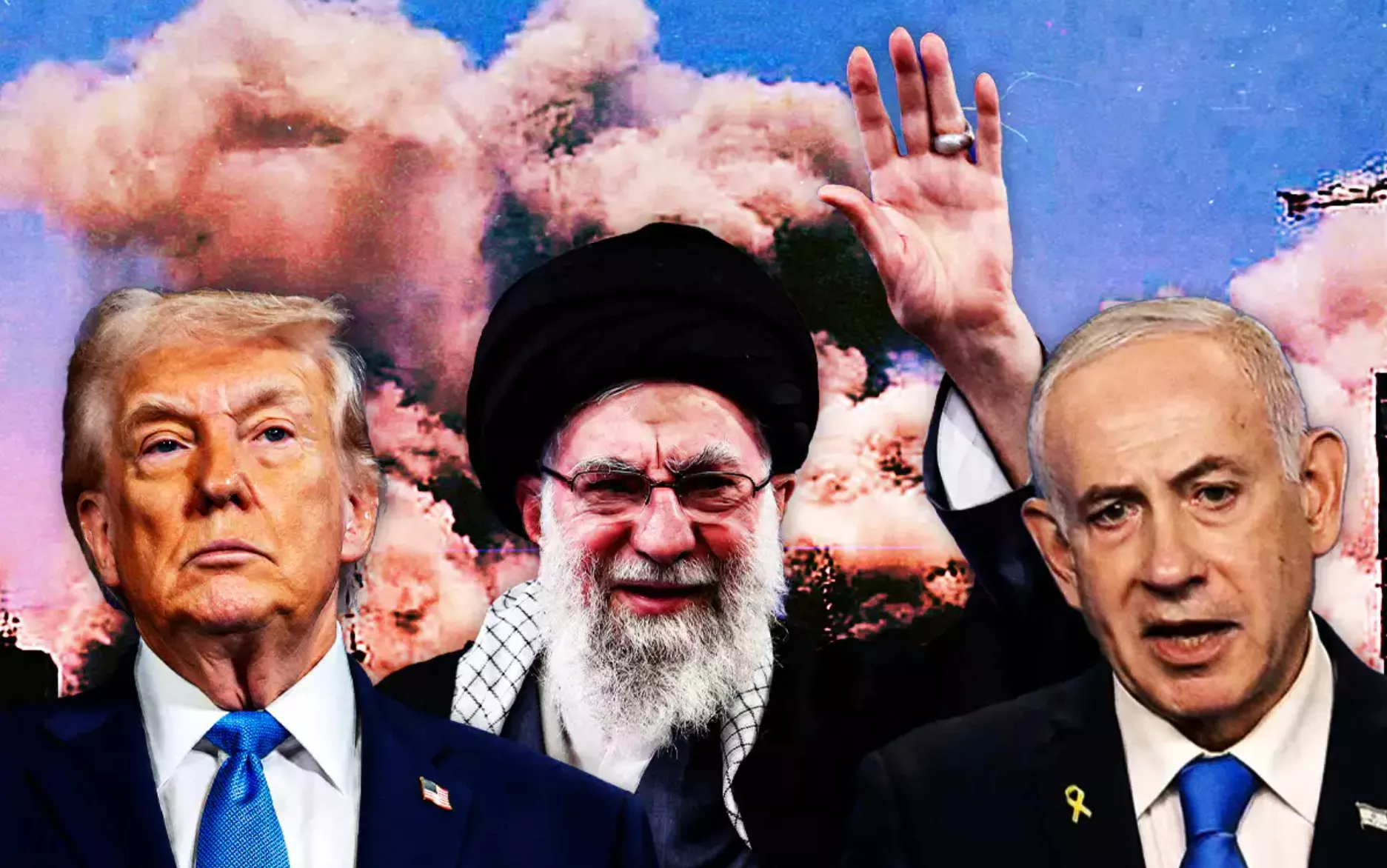
Protests have been ongoing in Iran for over two weeks. The protests began due to the economic situation. However, they were soon turned by a group of demonstrators into violent protests demanding the overthrow of the existing system. They have the support of US President Donald Trump and Israeli Prime Minister Benjamin Netanyahu in this endeavor.
The speed and volume of important events, especially those related to the political and economic conditions in the United States, sometimes do not allow the media even the minimum time to dedicate themselves to them in more detail. For example, at the end of last year and the beginning of this year, public focus quickly shifted from the notorious Jeffrey Epstein case to the US action in Venezuela and Trump's announcement that he might take similar actions towards Mexico, Colombia, Cuba, and Denmark (Greenland).
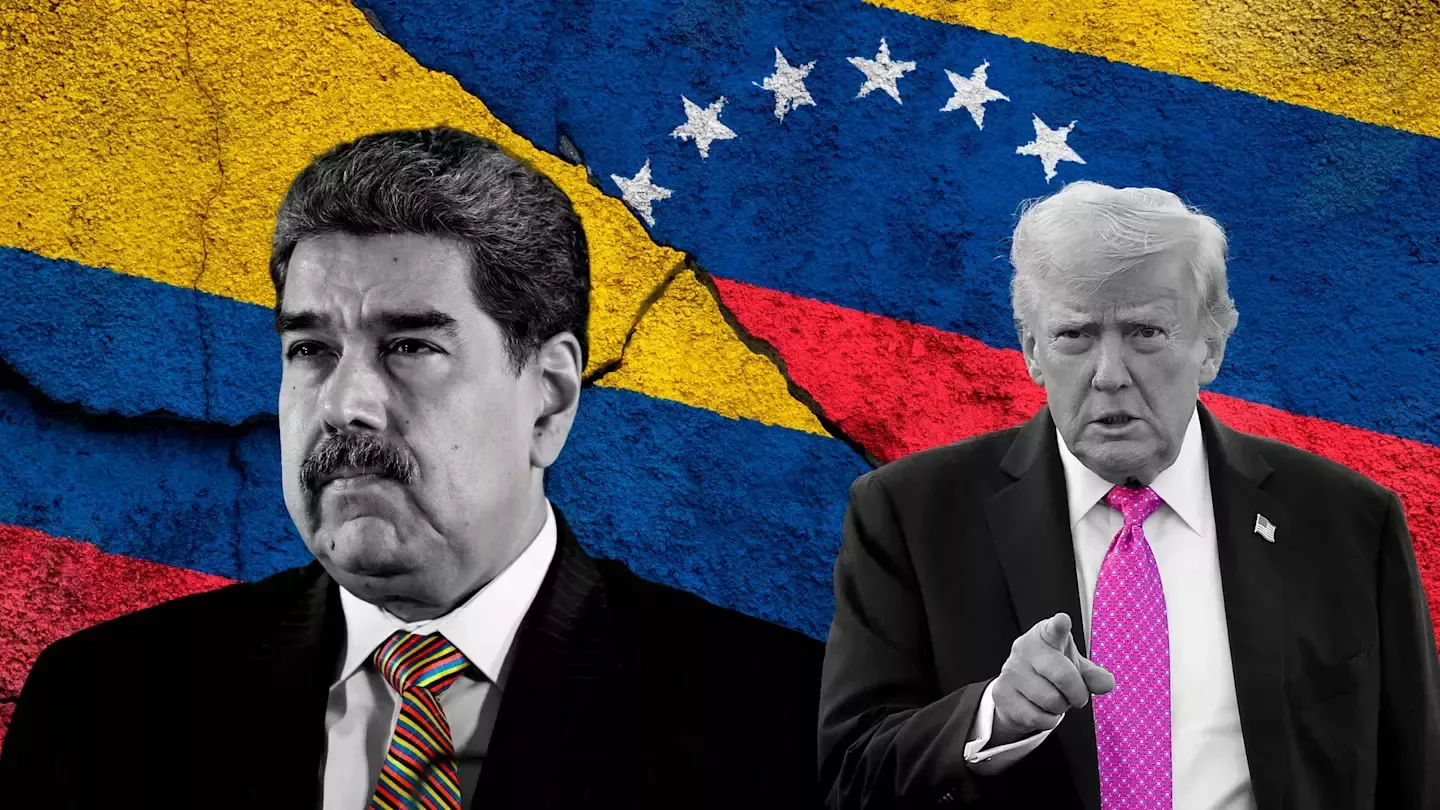
This is not the final list of important processes in which Trump is involved. Protests have been ongoing across Iran for two weeks, which many proponents of US-Israeli policy in the Middle East see as the "end of the regime" in Tehran.
In addition to Iran, Trump has also dealt with Lebanon in the Middle East, specifically the disarmament of the Shiite pro-Iranian Hezbollah, negotiations with Turkey and Syria, and even asked Israeli President Isaac Herzog to pardon Netanyahu in his corruption trial.
Protests in Iran
The reason for the peaceful protests in Iran, which began at the end of December, was the economic situation. Namely, the Iranian currency, the rial, lost about sixty percent of its value during the past year, according to some estimates. The peaceful protests were led by Iranian merchants in major cities.
The authorities, aware that the problem exists, said the protests were legitimate. Iranian President Masoud Pezeshkian said that the authorities would listen to the demonstrators' demands and tasked ministers with negotiating and trying to resolve the problems. Pezeshkian said the government intends to take "fundamental measures" in "monetary reform".
It is still too early to predict what results the announced reforms will bring, as the main cause of Iran's economic problems remains – decades of sanctions and economic pressure from the West aimed at forcing Tehran to comply with the demands of Washington and Tel Aviv. The Israeli-American military attack on Iran in mid-last year once again demonstrates the goal of this policy.
That economic pressure has slowed Iran's growth for decades. The weakening of the currency leads to constant inflation, so some economic experts say that these Western measures are designed to eliminate the middle class by impoverishing it and thus turn it against the authorities.
But that is only part of the problems that the authorities in Iran are facing. In recent weeks, Trump and Netanyahu have been threatening Iran with new military attacks and admitting interference in Iran's internal affairs.
Trump told the Iranian authorities not to kill the demonstrators, otherwise they would pay the price. Netanyahu called on the Iranian people to rise up and told them that Israel is with them. The secret police Mossad wrote on its X social media profile in Farsi: "Go out into the streets together. The time has come. We are with you. Not just from afar or with words. We are with you on the ground too."
A few days after the start of the peaceful demonstrations, the situation began to change. According to footage from social media, some demonstrators became violent and chanted "death" to Ayatollah Ali Khamenei. Some claim these are the largest protests in Iran since the death of Mahsa Amini in 2022.
The Iranian authorities responded with arrests. In media reports, they even showed weapons and various military equipment that, according to their claims, were found with some participants in the unrest. The authorities claim that numerous members of the security forces were killed and announce further arrests.
Supporters of the government also took to the streets in much larger numbers than those demanding the end of the Islamic Republic. The authorities are trying to portray the protests as the work of Israel and the United States, who want to conquer Iran or push it into a long war similar to those in Syria or Iraq.
Netanyahu and Trump do not want to miss the opportunity
In the portrayal of most Western media, the Iranian protests are nothing more than a just struggle of Iranians for democracy and freedom, which would finally bring peace to the Middle East.
From the perspective of the Iranian authorities, the protests are an attempt by Washington and Tel Aviv to carry out a coup in the country, as has been done in numerous states, or to crush Iran as a power that has influence beyond its borders and wants to pursue an independent policy.
Netanyahu does not hide that this is his goal. He has repeatedly stated that he wants the collapse of the current Iranian government, which is part of his plans for Israel to rule the Middle East alone.
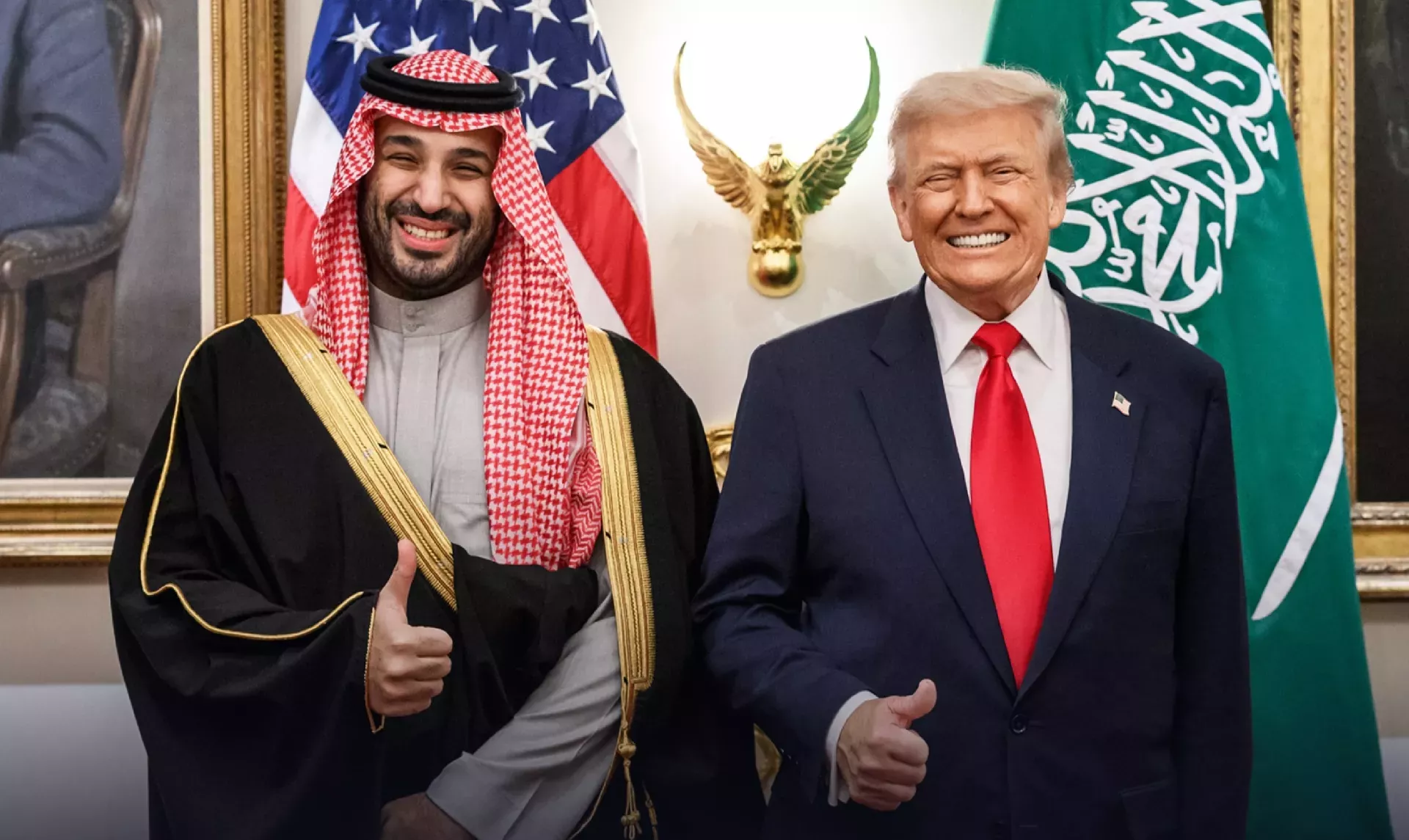
Netanyahu believes that this is the right time to break Iran, especially after Bashar al-Assad was overthrown in Syria, Lebanese Hezbollah was cut off from Tehran, Palestinian Hamas was almost destroyed, and while Trump is providing him with unconditional support from the White House.
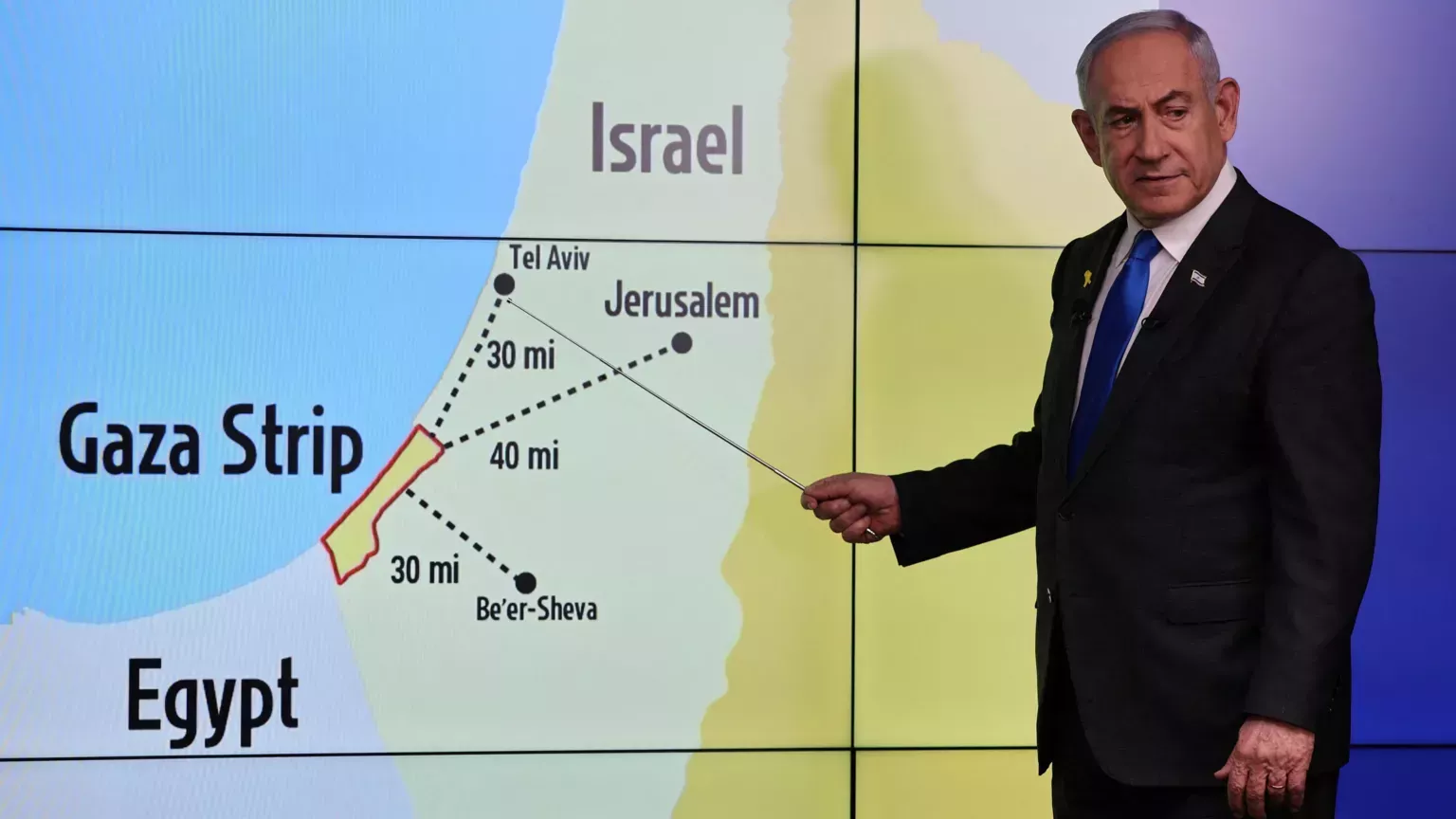
A change of government in Tehran would also fit into the plans of official Washington. Obtaining a compliant government in Iran would mean, just as in the case of Venezuela these days, an opportunity for Washington to gain access to Iranian oil and other resources. In a broader picture, it would be a strong blow to China's ambitions to resist American pressure.
However, at this moment, there are no indications that Trump and Netanyahu are close to achieving that goal. The Iranian authorities are keeping things under control for now, and the majority of Iranians are not with the demonstrators, despite numerous problems. The main question now is who will make the next move and whether the United States and Israel will attack Iran militarily once again, and what Tehran's response will be.
Komentari (0)
Prijavite se za komentiranje
PrijavaJos nema komentara. Budite prvi!
Minuta
Sve →Iz drugih kategorija

High Representative Not Elected: Germans, French and British Against Americans, New Attempt at End of June

ČOVIĆ WITHOUT MERCY: How Those Who Brought Ademović to Office Created a Political Hell for Him



Sunny Saturday, quite warm



Tragedy in Albanian resort: Two minors drown












