
By Armin Sijamić
Israel and Iran have concluded another round of conflict that began last year. Washington joined Israel in the attack this time, after which a ceasefire quickly followed after a twelve-day war.
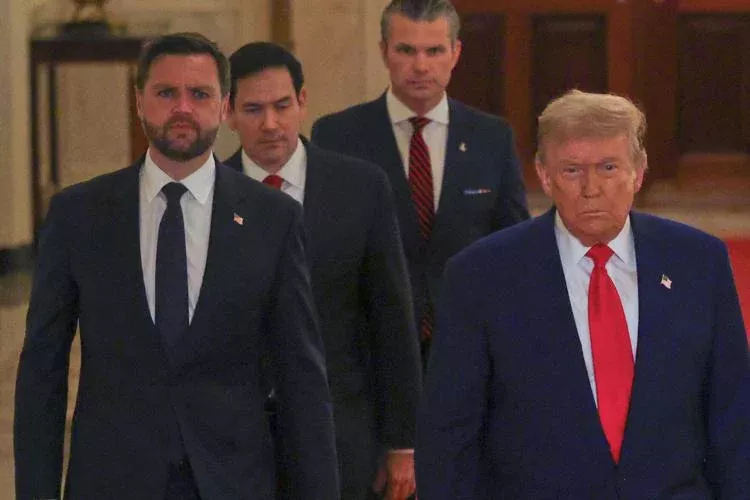
What Joseph Biden failed to do while in the White House, Donald Trump has at least temporarily succeeded in – he showed Israeli Prime Minister Benjamin Netanyahu who is the stronger party in the relations between the two countries. Trump, while diplomacy worked in silence, sharply showed via social media that the White House leads the West, even though Netanyahu had dragged him into a war against Iran shortly before.
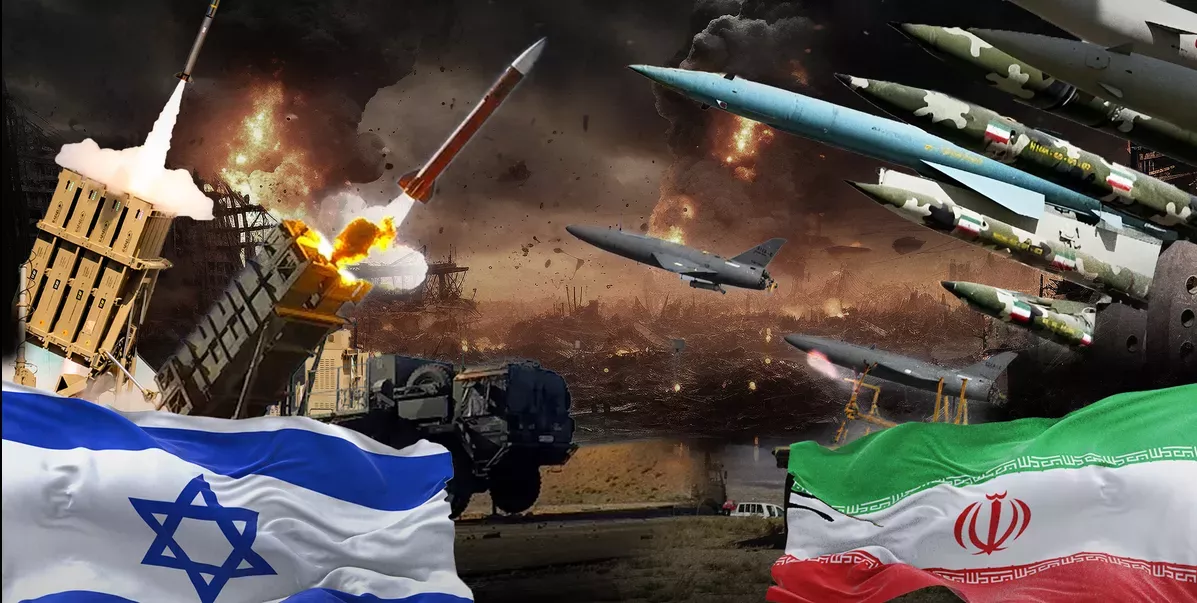
That is what can now be read with certainty from the twelve-day war between Israel and Iran, or rather, between Israel's allies in the West and the Arab world, and Iran and its network of allied militias in the Middle East. Everything else is shrouded in secrecy, or, to use Winston Churchill's old description of Russia, "a riddle wrapped in a mystery inside an enigma".
News and reports that arrived every hour, depending on the prism through which they were viewed, provide enough evidence to (erroneously) conclude that either Israel or Iran suffered a catastrophe. But there is no list of damages, Western media still do not provide satellite images of the impact sites (which we have had in recent years the day after any major operation by warring parties around the world), and there are not even independent verifications of the condition of what was certainly hit.
And the list of targets was very long and as such is proof of violations of international law. In addition to military targets, nuclear facilities, international airports were hit, scientists and civilians were killed, civilian infrastructure was destroyed, institutes and scientific institutions, hospitals, oil refineries, seaports were hit... Without a doubt, the damage is measured in billions of dollars on both sides, and that does not include damage to military facilities and army costs during operations.
What actually happened?
But summing up casualties and damage is not always a parameter to assess who won a conflict. In this case, that parameter is not even enough to assess what actually happened, especially due to the fact that it is clear to everyone that Netanyahu and Israel, or rather Washington, will not stop attacking Iran with the aim of overthrowing the last state in the Middle East that is not subordinate to the West. Therefore, there will be no long-term change in the relationship of the West and Israel towards Iran, although the approach may change.
The fact that Iran will continue to be the subject of interest for Netanyahu and the West is proof that it has not been defeated in the conflict against Israel and the United States, although it suffered heavy losses in the first hours of the attack due to air and other attacks and the actions of the fifth column, which did a large part of the work for the attacker, sometimes for just a few hundred dollars. Iran has once again shown that Israel alone cannot defeat it, which is why Trump was called for help, who was supposed to save Israel's reputation and Netanyahu himself, provided that the current Israeli prime minister has any reputation left after the crimes in the Gaza Strip and elsewhere.
Everything that happened later, including the American attack on Iranian nuclear facilities and the Iranian attack on an American military base in Qatar, was determined to a greater or lesser extent by contacts between Washington and Tehran, directly or through intermediaries. Proof of this is the fact that there were no human casualties in the American and retaliatory Iranian attacks, which is completely unexpected if these were attacks on strategically important locations where thousands of people are stationed. After the Iranian attack on the American military base, Trump said that contacts with Iran had existed.
This suggests that Trump entered the game to save Netanyahu or the reputation of the United States, because if Iran had been on its knees, it would not have fared differently from Syria or the Gaza Strip. The Iranians resisted and inflicted heavy blows on Israel, despite the fact that Iranian missiles and drones were intercepted by the Israeli, American, and Jordanian armies. Iran has shown that its missiles serve their purpose as a deterrent. In just a few days, Trump went from demanding Iran's "unconditional surrender" to having to negotiate.
In addition, Trump has clearly re-entered negotiations on the future of Iran's nuclear program, after attacking it, although some do not believe he destroyed it. The attack on the Fordow nuclear facility, buried so deep that it can supposedly withstand a nuclear strike, left many questions. For example, why is there no nuclear radiation at the hit facilities, what did the Iranians (according to satellite images released in this case) transport out of that facility in dozens of trucks a few days before the attack, and where is the controversial nuclear material that could be used for a nuclear bomb?
Trump's calculation, Iran's position
But what if Trump is right that American bombs destroyed Iran's nuclear program at the targeted locations? In that case, Iran's nuclear program would be slowed down for several years, and the issue of dispute between Washington and Tehran would be removed from the table. Trump could then proudly say that he prevented Iran from building a nuclear bomb, which Tehran has always denied, Israel could be satisfied that it remains the only nuclear power in the Middle East, and the Iranians could get an opportunity to be freed from (some) sanctions through negotiations with Trump, or even without negotiations, which they themselves sought in exchange for developing the nuclear program for exclusively peaceful purposes.
The destruction of a few nuclear facilities and the killing of a few scientists does not mean the end of the nuclear program. One of the killed Iranian scientists said in a television interview that he had left behind over twenty thousand scientists, and it is clear that an attack has not erased knowledge in this field. Russia will come to Iran's aid, according to a previous agreement, and build new nuclear facilities, which could be a guarantee for Trump that there will be no uranium for a nuclear bomb there.
If things develop this way, then Netanyahu is the biggest loser in this conflict. After the attack on Iran, he said that Israel has three goals – to prevent Iran from building a nuclear bomb, to change the regime in Tehran, and to stop Iran's missile program. Since Tehran has always claimed not to want a nuclear bomb, it can be concluded that Netanyahu has not achieved any of his goals, while bringing destruction and criticism from around the world upon his country. These days, Trump's MAGA movement (Make America Great Again) is particularly angry with American and Israeli policy, which is a great danger for Tel Aviv.
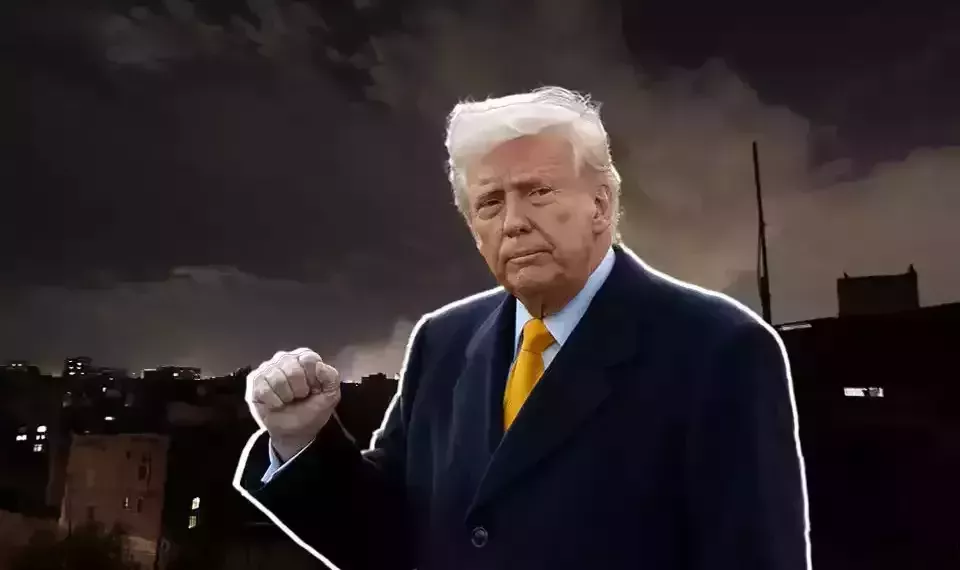
However, this does not mean that Iran can celebrate victory for long, but must prepare for new attacks, diplomatic and military. Strategists in Tehran certainly bear in mind that Israel destroyed Iraq's nuclear program in 1981, and removed the Iraqi regime in 2003. Libya renounced its nuclear program in 2003, after more than three decades of development, only for Muammar Gaddafi to be tortured and killed in 2011. Israel destroyed Syria's nuclear program in an attack on the city of Deir ez-Zor in 2007, and eighteen years later Bashar al-Assad was overthrown.
In the coming period, new diplomatic contacts between Tehran and Washington should be expected, in which the nuclear program will not be the only point of negotiation. The current Iranian administration, in which the so-called "reformists" and "liberals" now play an important role, is open to diplomacy, as they have shown during the war with Israel. The American side will certainly be interested in Iran's future relationship with Russia and China, allies who only partially justified that status in the war with Israel.
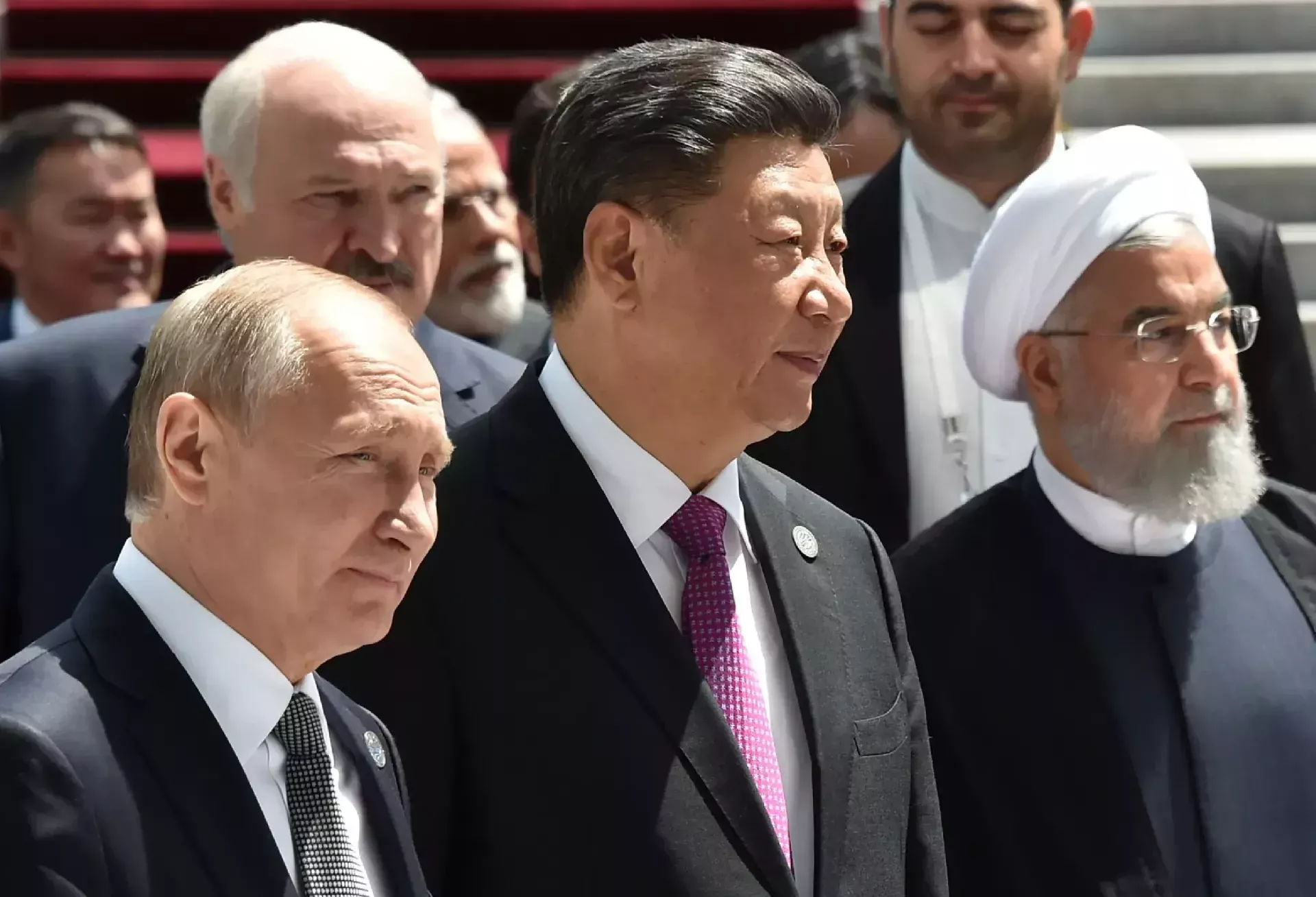
In the broader picture and Trump's desire to curb China and China's "Belt and Road" initiative, Iran can play a key role. Just fifteen days before Israel's attack on Iran, a railway line connecting Tehran and China via Turkmenistan, Uzbekistan, and Kazakhstan was opened, allowing the two countries to trade without US interference and reduce travel time by sea from forty to fifteen days. Iran is also a key link in connecting Russia to the Persian Gulf and bypassing Europe as part of the "North-South" corridor.
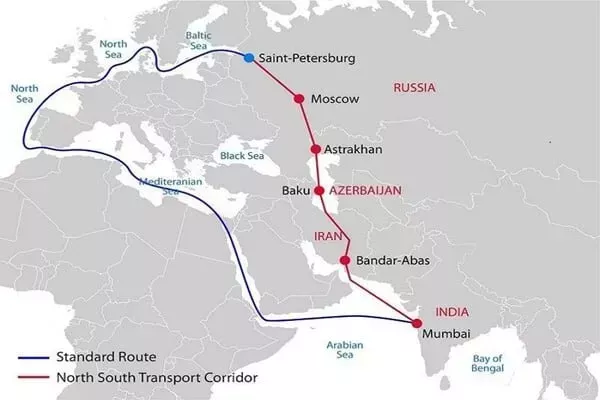
Trump's decision to negotiate with Iran is an excellent opportunity for Iran, as the unpredictable president is ready for any arrangement, including breaking agreements. But after Israel's military attack on Iran failed, perhaps it is the right opportunity for Trump to achieve US interests through negotiations, hoping, like Iran, that political processes in the Middle East and around the world will lead rivals to a severe defeat. In the case of such an approach, Trump's concern will be Netanyahu and his policy towards the region. Netanyahu has proven so far that he primarily chooses force. If Trump's negotiations with Iran fail, neither the continuation of the war nor an Iranian nuclear bomb are ruled out.
Komentari (0)
Prijavite se za komentiranje
PrijavaJos nema komentara. Budite prvi!
Minuta
Sve →Iz drugih kategorija

High Representative Not Elected: Germans, French and British Sabotaged Americans, New Attempt at End of June

ČOVIĆ WITHOUT MERCY: How Those Who Brought Ademović to Office Created a Political Hell for Him



Sunny Saturday, quite warm



Tragedy in Albanian resort: Two minors drown












