
By Armin Sijamić
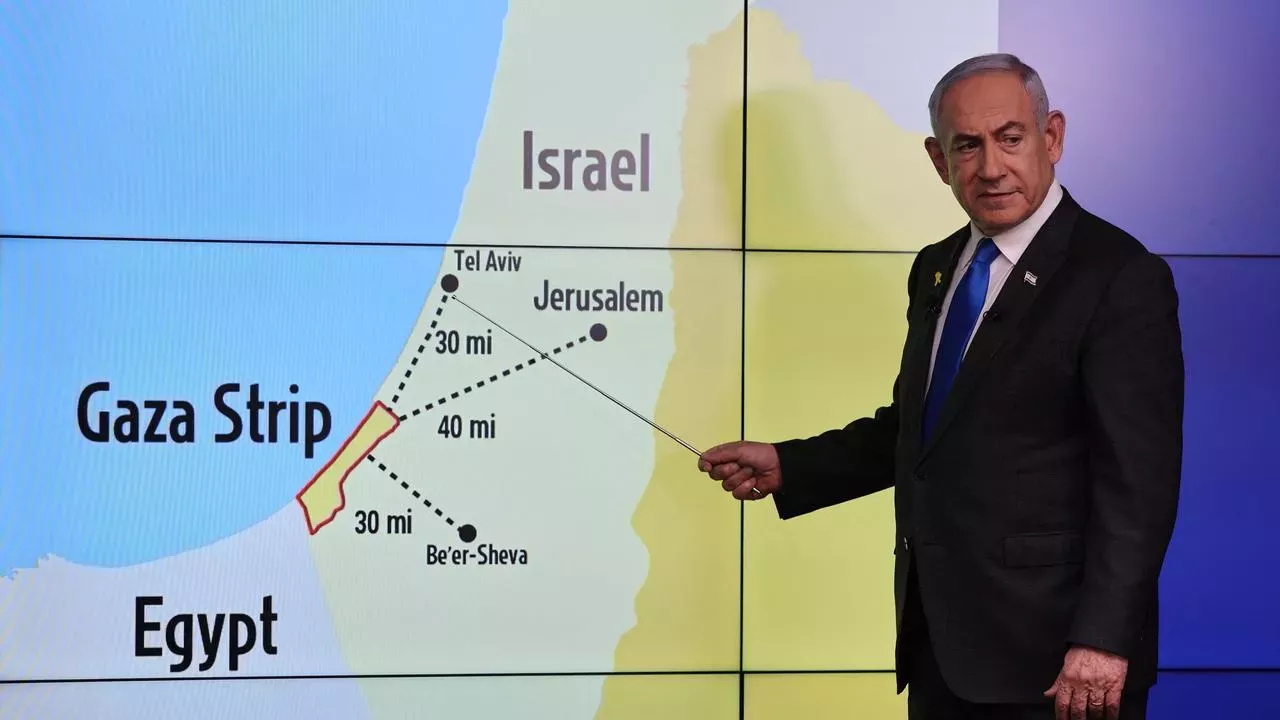
For several days, media outlets worldwide have been trying to answer who the winner is in another round of conflict between Israel and Hamas. However, some other questions are much more important, such as what the future holds for Israel and Palestine, and why the latest conflict lasted almost sixteen months.
These days, some media and individuals, often in a biased manner, try to answer the question of who won the war in the Gaza Strip. Depending on which side they are closer to, the "verdict" leans that way. The truth is that Israel did not achieve what it set out to do at the beginning of the war on October 7, 2023, but it is also true that Hamas's attack was a prelude to destruction in the Gaza Strip that has rarely been recorded anywhere else.
The agreement to a ceasefire, and then to an exchange of people held in prisons, was perceived as a disaster by parts of the Israeli public. Especially vocal in their condemnation of Prime Minister Benjamin Netanyahu were his far-right coalition partners. Bezalel Smotrich and Itamar Ben-Gvir, as expected, were the loudest. Smotrich, the finance minister, threatens to bring down the government if Israel does not occupy the Gaza Strip.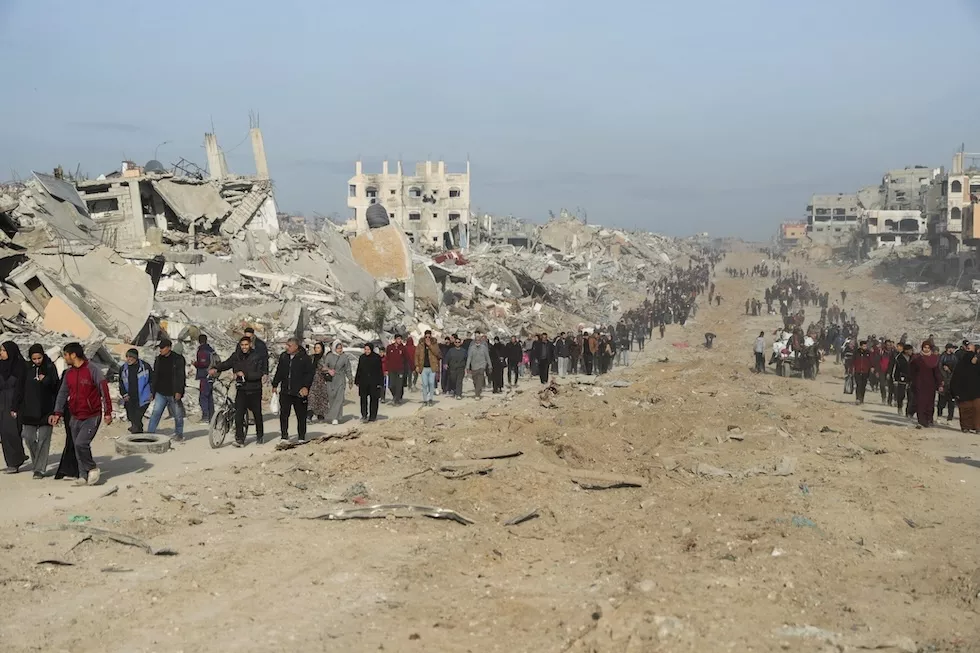
Washington's Influence
Even before taking office in the White House, Donald Trump took credit for a ceasefire that would be implemented in phases and could always be broken. Joseph Biden credited his administration, although he admitted that Trump's people were also involved in the negotiations.
This sudden agreement, when all indications on the ground suggested that a ceasefire would not happen, was expected if we look at the history of US presidential inaugurations and conflicts between Israel and Hamas, or conflicts in the Middle East.
Let's cite two examples. When Ronald Reagan took office on January 20, 1981, having previously defeated incumbent President Jimmy Carter in the elections, Iran released 66 hostages it had held for 444 days. Barack Obama came to power on January 20, 2009, and Israel began withdrawing its troops from the Gaza Strip the day before, after over 1,200 Palestinians were killed there.
Therefore, there is no doubt that Netanyahu was forced into a ceasefire and that pressure came from Washington, which is the only entity that can exert such pressure on Tel Aviv. Without the world's greatest power behind it, Israel would have significantly less strength.
In this regard, let's mention the statement by Ben Saul, a United Nations human rights expert, who said in December that "Germany and the United States supply 99% of the weapons exported to Israel," adding that these two countries could stop the war in the Gaza Strip "overnight."
The words of Qatari Prime Minister Sheikh Mohammed bin Abdulrahman Al Thani, who stated for Sky News on Friday that the agreement reached is essentially the same as the one from December 2023, and that "thirteen months were lost negotiating details that have no significance and are not worth a single life lost in Gaza or a single hostage life lost due to bombing," prove that people died unnecessarily in Israel, Gaza, Lebanon, Syria, and Yemen.
Let us recall that Qatar, along with Egypt and the United States, mediated the negotiations between Israel and Hamas, and the leaders of that Palestinian group resided in that Arab country for years.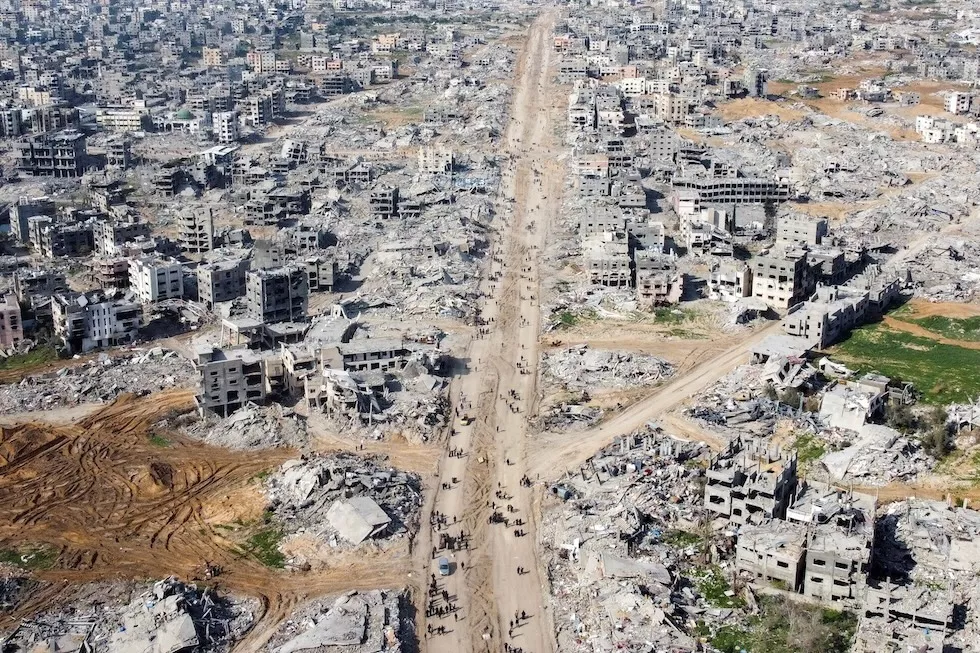
Summing Up the Damage
Until the public is informed of what happened behind closed doors in these negotiations, let us mention just a part of the consequences of this war.
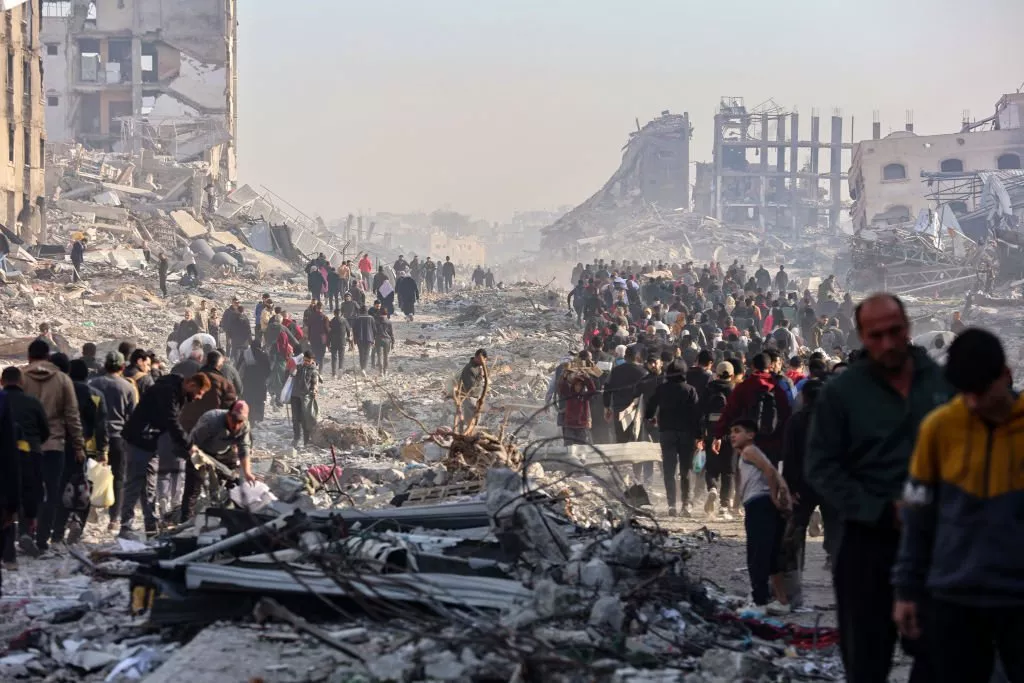
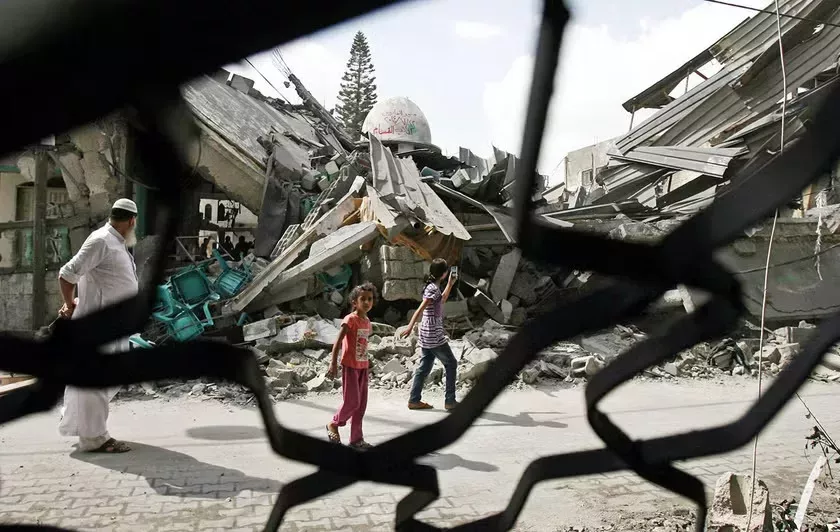
Around 1,200 people were killed in Hamas's attack on Israel, and hundreds became hostages. The Gaza Strip has been razed to the ground, and reports indicate that almost every building is damaged or destroyed. The scale of destruction carried out by the Israeli army is compared to the effect of atomic bombs dropped on Japan. Over 47,000 Palestinians were killed, and over 110,000 wounded. Tens of thousands of people are missing. The greatest victims in the Gaza Strip are children and civilians.
Thousands of people were killed in Lebanon, Syria, Iraq, and Yemen. Dozens of civilians were killed in attacks on Israel, the country's north has been displaced, and its economy and tourism have been almost extinguished. People also died in the Red Sea in Houthi attacks. The number of soldiers lost by Israel is a secret, as are the final losses of Hamas, Hezbollah, (pro)Iranian militias, the Iranian army, the Houthis...
Israeli and Hamas leaders are on international wanted lists, some countries have severed diplomatic relations with Tel Aviv, and people around the world have expressed outrage at the policies of Netanyahu and those who support him. Israel is also facing accusations of genocide.
Unanswered Questions
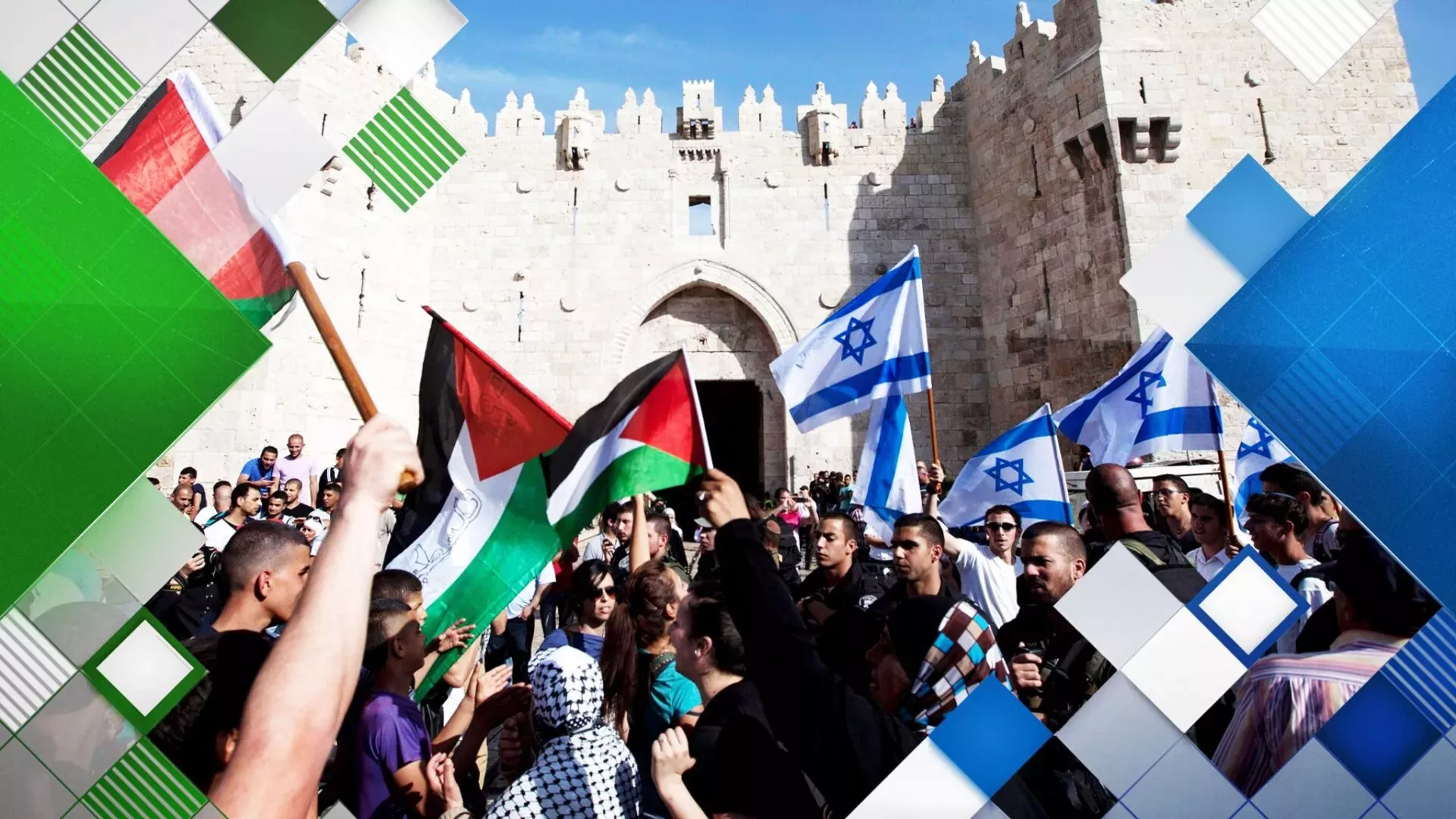
After all that has been listed, the question that has been at the core of the conflict in the Middle East for decades remains: can Palestinians have a state that peacefully coexists with Israel? Trump faces this question in his second term, along with the need for clear solutions. Biden and Trump have shown that Washington can compel Netanyahu to reach an agreement, and there are numerous voices in Israel that have been seeking peace with their neighbors for decades.
Hamas is weakened, but still exists. US Secretary of State Antony Blinken recently said that Hamas has mobilized as many new fighters as it lost in the war with Israel, which is not surprising since even refugee camps were not safe places for those who decided not to participate in the war.
Hamas's survival was expected, and it was known from the beginning that at least the idea would survive, as some of its leaders live outside the Gaza Strip. In the meantime, Hamas, with Chinese mediation, has decided to submit to the authorities in the West Bank after the war ends.

Hamas thanked all those who helped them, highlighting Iran, Hezbollah, the Houthis, and Iraqi Shiite militias. That message did not sit well with many in the Muslim world, but Tel Aviv also believes it. Last night's operation by the Israeli army in the West Bank, which Hamas has never controlled, was accompanied by Netanyahu's "explanation" that it is part of the "army's systematic and decisive approach against the Iranian axis wherever it sends its weapons - in Gaza, Lebanon, Syria, Yemen, and Judea and Samaria (West Bank)."
With his entry into the White House, Trump, whose administration has a record number of Israel supporters, has gained a short period of peace in the Middle East, but also the question of a Palestinian state and a belligerent Netanyahu who does not abandon his policies. Some are already questioning whether Trump will bring any change to Washington's policy towards the Middle East or if conflicts will continue for the same reasons.
Komentari (0)
Prijavite se za komentiranje
PrijavaJos nema komentara. Budite prvi!
Minuta
Sve →Iz drugih kategorija

High Representative Not Elected: Germans, French and British Sabotaged Americans, New Attempt at End of June

ČOVIĆ WITHOUT MERCY: How Those Who Brought Ademović to Office Created a Political Hell for Him



Sunny Saturday, quite warm



Tragedy in Albanian resort: Two minors drown












