
By: Armin Sijamić
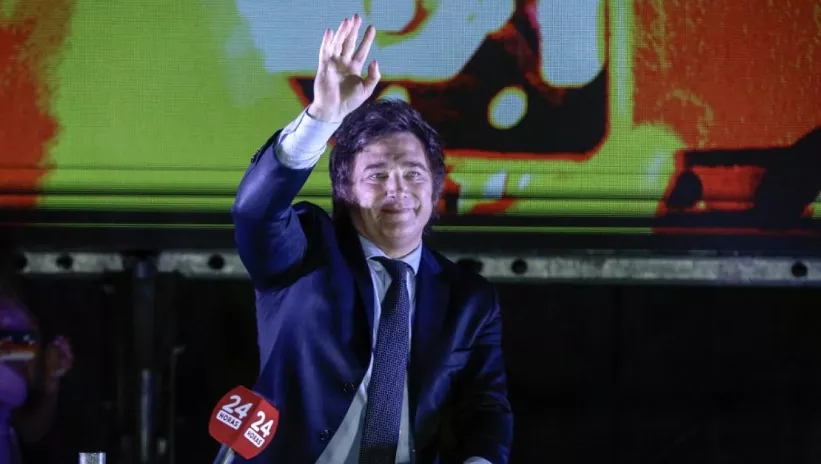
Last week, Javier Milei convincingly won the presidential election in Argentina. Western media have attributed various labels to him - anarchist, liberal, libertarian, right-winger, supporter of imperialism... But his victory is also important for political processes around the world due to another issue – the state of democracy worldwide.
The Western phrase "free world," coined decades ago and well-known today, is still in use. A large number of Western media outlets automatically classify allied democracies as part of the free world, distinguishing them from states that oppose them. However, in most cases, Latin American countries are not included in this free world.
This tells us that political goals are often hidden behind this classification. Let's take the example of Brazil or Chile, which are ranked alongside European Union countries in almost all lists that rank citizen freedoms, the state of democracy, or electoral freedom. In such lists, Chile is often ahead of Croatia, Romania, Greece, and even the United States.
This development of democracy and human rights, despite a difficult past and deep social divisions, has been ongoing for decades in a number of Latin American countries, even when the economic situation in the country is extremely difficult. Argentina is an excellent example of this.
Milei – Freedom of Choice
Javier Milei's victory in the presidential race in Argentina is the latest proof. He first defeated the established Argentine right-wing, and then in the second round, he defeated the established political left. His result was not a surprise to many in Argentina, as they said he was a real option to win as soon as he entered politics.
Such victories are unimaginable in many European countries, especially in the United States, as Milei entered the race without party infrastructure, financial assistance from large companies, or support from religious communities. And most importantly, Milei did not have the media. In autocratic and "hybrid" regimes, Milei probably wouldn't even be able to run.
You don't have to be afraid to vote for me, our country is already in hell. Paraphrased, this is one of the sentences Milei uttered in the final stretch of a campaign that resembled everything except the campaigns we see in European countries. Milei did not have many pre-election rallies with large numbers of supporters, as his main arena was the internet and social networks. When he did attend a rally, he would jump on stage, lead chants, sing, and insult. And when he appeared on the main media outlets in the country, he would show that his program was different from all existing ones.
As the conflict between Israel and Hamas progressed, public opinion in Argentina became increasingly divided on whom to support. Milei decided to support Tel Aviv and promised to embrace Judaism. When asked which part of the Torah inspired him to take this step, he could not answer. This was his confirmation of aligning with Israel, Washington, and all those who are against leftists, whom he sees as his greatest rivals.
The Economist admitted to rooting for Milei because it wants to see how the "economic experiment" the new president intends to implement will turn out. Namely, among other things, Milei wants to abolish the central bank, the Argentine peso, and introduce the US dollar, abolish the ministries of health and education, reduce taxes, abolish social benefits, and leave the country's economy to the market.
Victory of Ideas
There are similar examples throughout Latin America in recent decades, where someone wins elections who would have no chance in other parts of the world.
In the aforementioned Brazil, the largest country in South America, current President Luiz Inácio Lula da Silva was first elected to that position in 2003. A former machinist, union leader, and party activist, he rose to the top of power in this large and powerful country three times. He started working as a child from a poor family, having left school. Through persistent work in the field, but also on himself, he became one of the most important figures in modern Brazilian history.
If we return to Argentina, it should be noted that the newly elected president Milei wants nothing to do with the "communists" from Brazil and China.
Elsewhere in Latin America, people who do not belong to the system, or even to any ideology or political profile, have won elections, at least not at the time they were elected.
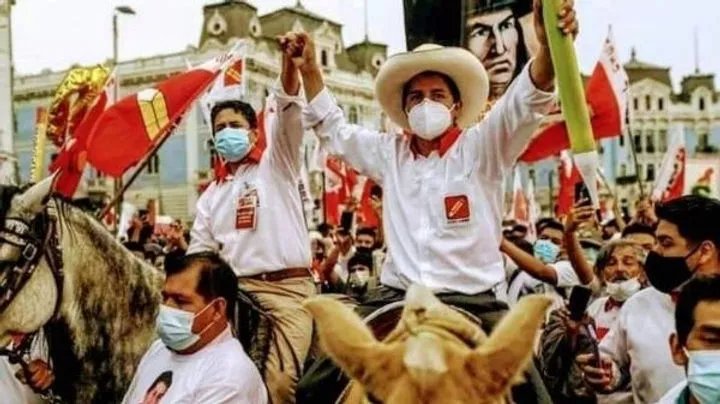
Two years ago in Peru, Pedro Castillo, a rural teacher who relied on his union colleagues during his campaign, won the presidential election. A standard part of his performance, besides his recognizable hat, was the horse he rode through the crowd of voters as he climbed onto the stage. Castillo then managed to defeat politician of Japanese descent Keiko Fujimori, daughter of former president Alberto Fujimori, the founder of the "Fujimorismo" doctrine that strongly marked the Peruvian political scene.
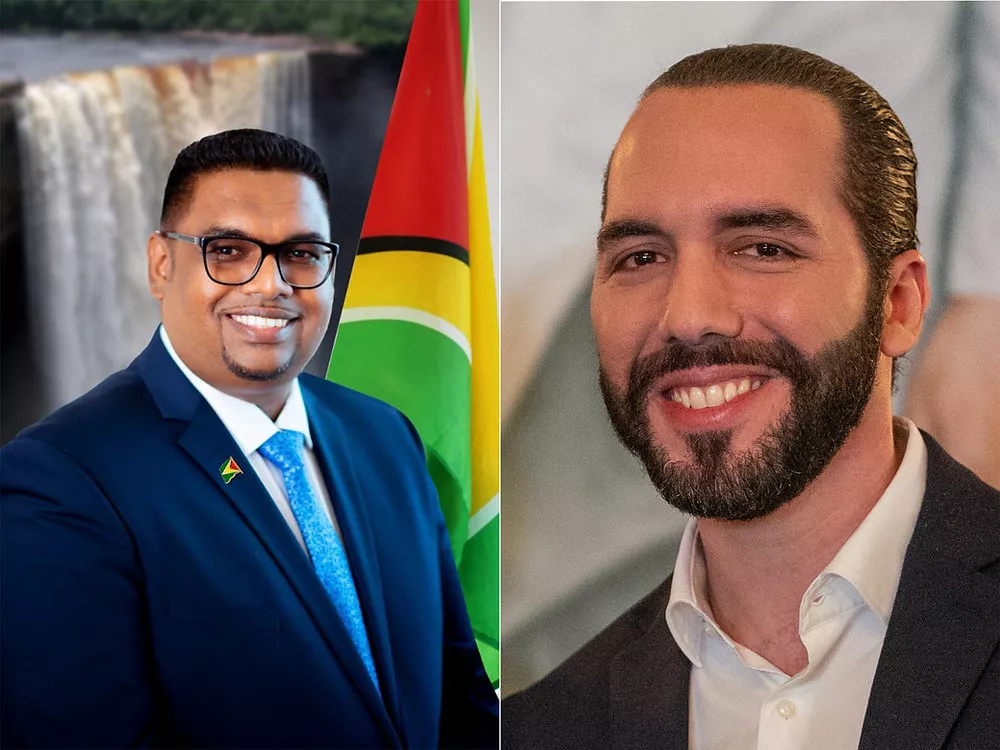
A little earlier in Guyana, Mohamed Irfaan Ali, of Indian descent, won, becoming the second Muslim to lead a Latin American country, after Noor Hassanal in Trinidad and Tobago.
Further north, in 2019, Nayib Bukele won in El Salvador, opposing the established two-party system. Nayib is the son of the renowned Armando Bukele Kattán, an imam of Palestinian origin, who was also a businessman, writer, mosque builder, physicist...
These two young men have different life and political paths, and are further proof of the vitality of the Latin American political scene, where people often get exactly what they vote for.
Rebellion of the Dissatisfied
These few examples show some of the contrasts in the Latin American political scene, but also the possibilities for change. In the last decade, opposition candidates – right-wingers, left-wingers, centrists, or individuals like Milei and Bukele – have won in eight out of ten elections.
One of the main reasons for frequent changes is the poor economic situation, as crises have been cyclically repeating in recent decades. For example, in Argentina, the current inflation rate is around 150 percent. On the other side of the continent, in Venezuela, under Nicolás Maduro, there have been shortages of oil in a country that has it in abundance. The poor economic situation brought Gabriel Boric to power in Chile, Gustavo Petro in Colombia, and Jair Bolsonaro in Brazil...
But the main reason for the numerous changes in elections is the fact that the peoples there have fought for freedoms they do not want to give up, even when it costs them and when great powers demand it of them. The behavior of Latin American countries during the war in the Gaza Strip proves this.
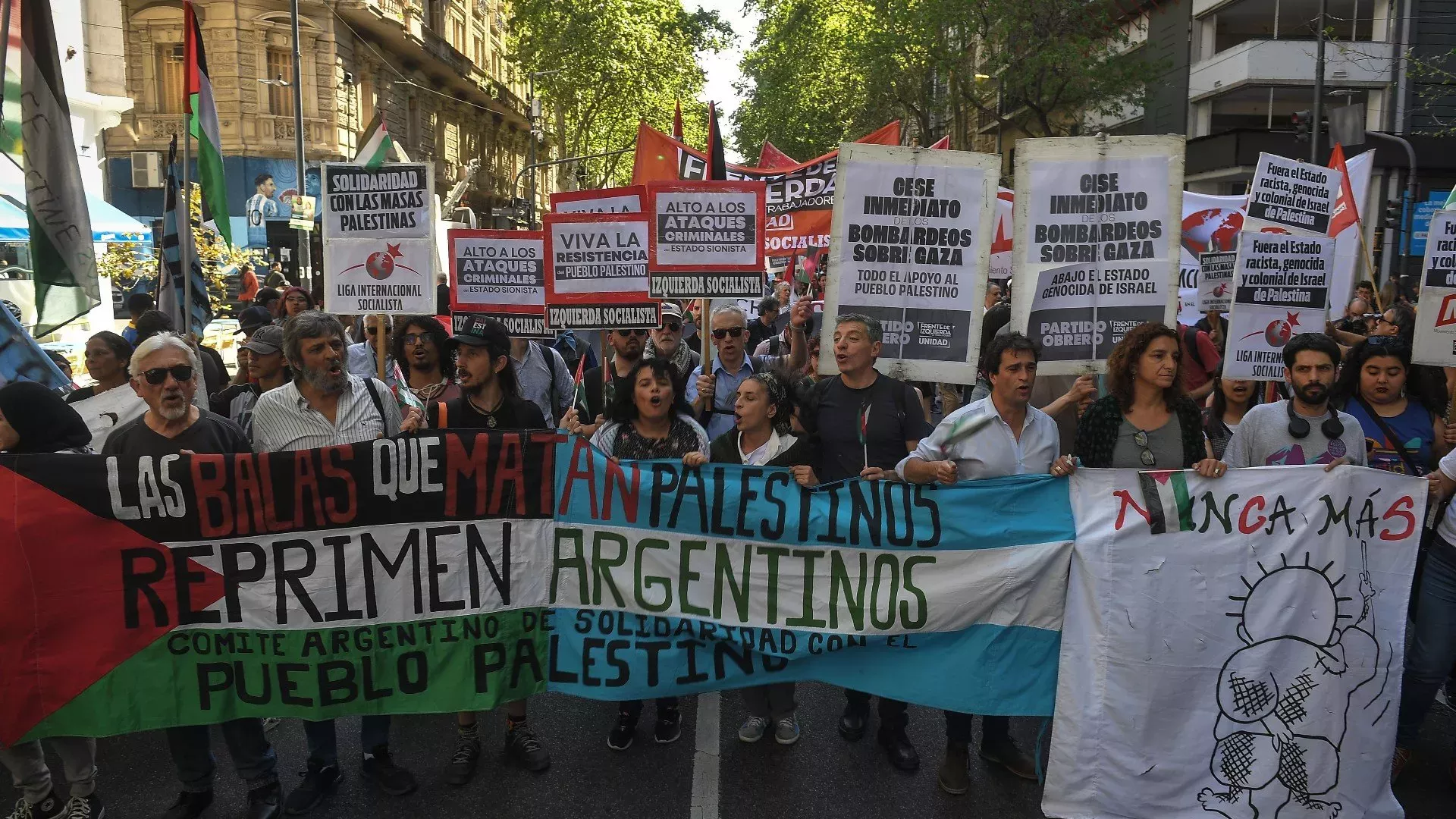
The conviction that citizens decide in elections is also shown by the fact that Latin American countries often have extremely high voter turnout, which is often not the case in other parts of the world. The opinion that political relations are already determined and cannot be changed is one of the reasons why citizens in many countries around the world do not vote in large numbers.
Also, one of the reasons is that popular culture worldwide promotes the "depoliticization of politics," whether through a clear narrative or the promotion of everything unrelated to political processes. This creates popular and well-known personalities among politicians, while pushing aside those who have political ideas that bring about fundamental change. However, examples from Latin America show us that the opposite is possible.
Komentari (0)
Prijavite se za komentiranje
PrijavaJos nema komentara. Budite prvi!
Minuta
Sve →Iz drugih kategorija

High Representative Not Elected: Germans, French and British Against Americans, New Attempt at End of June

ČOVIĆ WITHOUT MERCY: How Those Who Brought Ademović to Office Created a Political Hell for Him



Sunny Saturday, quite warm



Tragedy in Albanian resort: Two minors drown












