
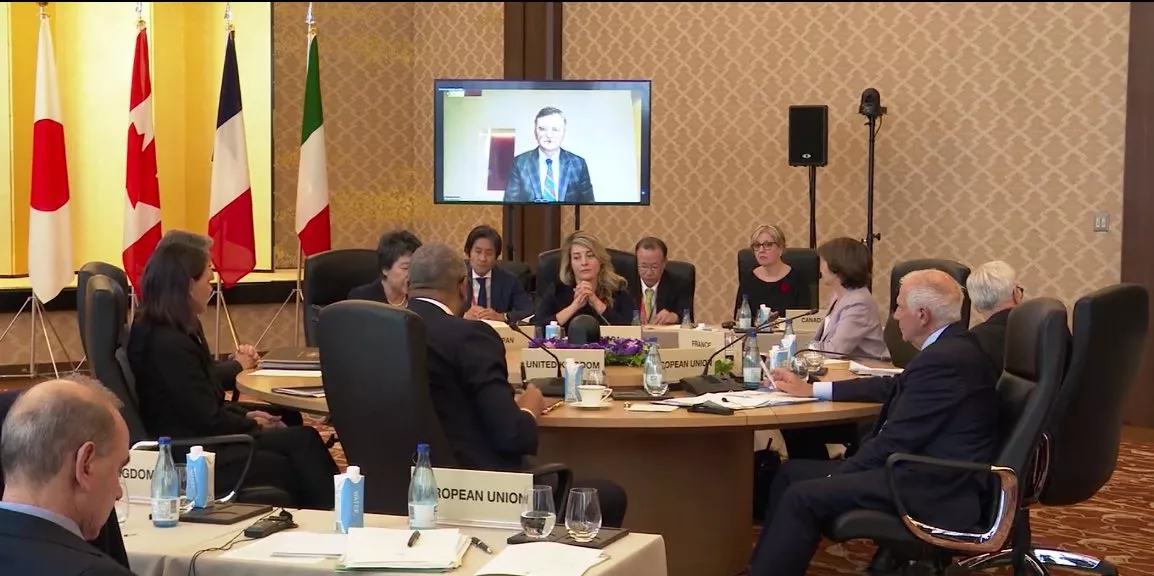
(Patria) - The European Union's plan to spend up to €20 billion on military aid for Ukraine is facing resistance from EU countries and may not survive in its current form, diplomats say.
Josep Borrell, the EU's High Representative for Foreign Policy, proposed in July that the bloc create a fund with up to €5 billion annually for four years as part of broader Western security commitments to bolster Ukraine in its fight against the Russian invasion, Reuters reported.
But as EU defence ministers prepare to discuss the plan in Brussels on Tuesday, diplomats say several countries, including Germany, have expressed reservations about committing such large sums years in advance.
The EU and its member states have been among the largest donors of military aid to Ukraine since Russia launched its invasion in February 2022, providing weapons and equipment worth around €25 billion, according to the bloc's diplomatic service.
Borrell's proposal was an effort to put support on a long-term footing, creating aid for Ukraine within a larger fund, the European Peace Facility, which is used to reimburse EU member states for military aid to other countries.
"I wouldn't declare it dead at this moment. But of course, improvements can always be made," a senior EU diplomat said on Friday, speaking on condition of anonymity.
"Germany had a lot of questions... and rightly so. We are talking about a lot of money," he added.
The debate over military aid comes as EU countries are also discussing a proposal to give Ukraine €50 billion in economic assistance. The EU is also facing challenges regarding other aspects of military aid to Ukraine.
Many officials and diplomats say the bloc will struggle to meet a target of supplying Kyiv with one million artillery shells and missiles by March next year.
Hungary has for months withheld €500 million in Peace Facility payments to EU member states for aid to Ukraine because Kyiv had placed Hungary's OTP bank on a blacklist.
Since the bank was removed from the blacklist, Hungary has insisted it wants guarantees that it will not be put back.
EU governments have stressed that long-term military aid must be coordinated with security packages that individual EU countries are negotiating with Kyiv, making it difficult to reach an agreement.
At an EU summit last month, German Chancellor Olaf Scholz said the focus for now should be on such bilateral packages.
Komentari (0)
Prijavite se za komentiranje
PrijavaJos nema komentara. Budite prvi!
Minuta
Sve →Iz drugih kategorija

High Representative Not Elected: Germans, French and British Sabotaged Americans, New Attempt at End of June

ČOVIĆ WITHOUT MERCY: How Those Who Brought Ademović to Office Created a Political Hell for Him



Sunny Saturday, quite warm



Tragedy in Albanian resort: Two minors drown












