
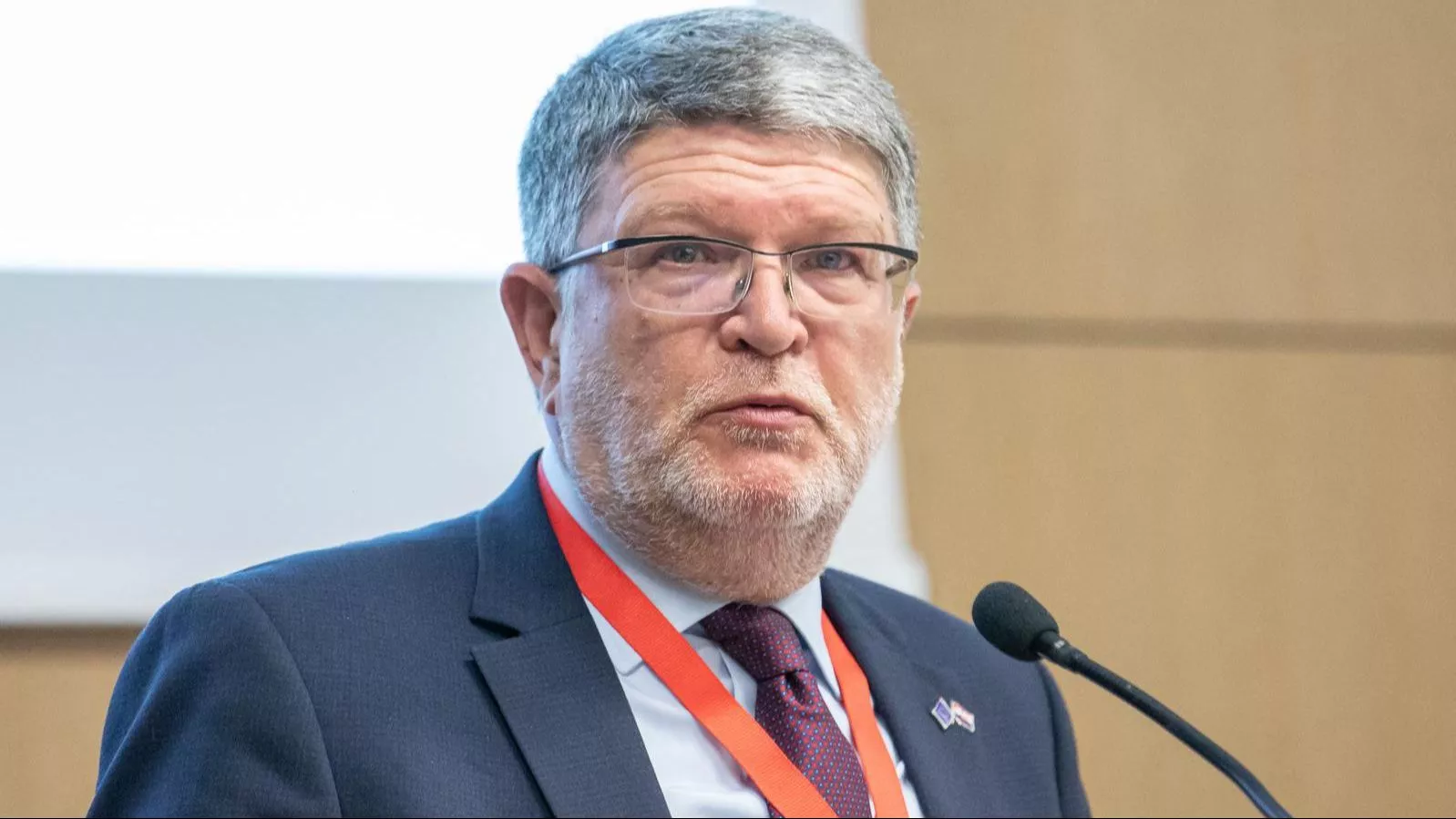
(Patria) - European Parliament Rapporteur for Serbia Tonino Picula presented his report on Thursday, which strongly condemns attacks on peaceful protesters in the country and unfounded claims by Serbian authorities that EU member states were involved in organising student protests with the aim of launching a "colour revolution".
In the report, which Picula presented at a meeting of the European Parliament's Foreign Affairs Committee, "violent attacks on peaceful protesters are most strongly condemned", and concern is expressed that some of the protesters have been arrested.
"The unfounded allegations by Serbian authorities that member states are involved in organising student protests with the aim of launching a colour revolution are strongly condemned," the report states.
It also condemns the illegal arrests and expulsions of EU citizens and the public disclosure of personal data of EU citizens by convicted war criminals.
In January, convicted war criminal Vojislav Šešelj disclosed the personal data of a Croatian journalist, including information about the hotel where he was staying, during a TV show. The same show also displayed documents of other Croatian citizens and data of several citizens of the USA, Greece and the United Kingdom.
Serbia is called upon to fully and without delay align with the sanctions imposed by the European Union against Russia.
The report calls on Serbia to fight disinformation, including manipulative narratives against the EU, and especially state-sponsored disinformation campaigns. It condemns the opening of an RT (formerly Russia Today) office in Belgrade and the launch of RT's online news service in the Serbian language.
It also states that good neighbourly relations and regional cooperation are key elements of the enlargement process and calls on Serbia to "intensify efforts on reconciliation, seek solutions to disputes from the past, particularly regarding missing persons".
Full cooperation with Kosovo is also demanded in order to arrest and bring to justice the perpetrators of the terrorist attack in Banjska in 2023, and regret is expressed that the perpetrators, primarily Milan Radoičić, have not yet been prosecuted.
Picula also highlighted that there are dilemmas regarding Serbia's foreign policy orientation, as a candidate country for EU membership, due to the special ties it maintains with China and Russia, direct geopolitical rivals of the EU.
In a statement to journalists after the debate, Picula said that his report focused on the reasons why Serbia, which has been negotiating since 2014, has practically stagnated for some time on its European path.
"I see the reasons in a combination of internal political elements, but the foreign policy aspect should also be analysed equally. First of all, when it comes to internal politics, one should note the problems that exist in the rule of law, the fight against corruption and organised crime, but I would also highlight the search for authentic freedom of expression in Serbia," said Picula.
Shadow rapporteur Davor Ivo Stier said that Serbia's ambivalent strategy, dating back some 15 years, which seeks alliances with the EU, the USA, China and Russia, now requires a serious revision, and that alignment with EU values is a prerequisite for progress on the European path.
Stier said that the current situation in Serbia, marked by student protests and instability, is "the result of certain social processes that have been ongoing for a long time".
All participants in the debate welcomed Picula's report as impartial and objective, except for Annamária Vicsek, a MEP from Vojvodina elected on the list of the Hungarian ruling party Fidesz.
She said the report was unbalanced, biased, and that negative aspects predominated, which is not the case in reports for other candidate countries. She also said it is not realistic for Serbia to align with EU foreign policy regarding Russia, when even EU member states are not unanimous on this issue.
MEPs can propose amendments to Picula's report until 6 March, and the Foreign Affairs Committee will vote on them on 23 April. Afterwards, the report will be debated and voted on by all members of the European Parliament at a plenary session, likely in May.
Komentari (0)
Prijavite se za komentiranje
PrijavaJos nema komentara. Budite prvi!
Minuta
Sve →Iz drugih kategorija

High Representative Not Elected: Germans, French and British Sabotaged Americans, New Attempt at End of June

ČOVIĆ WITHOUT MERCY: How Those Who Brought Ademović to Office Created a Political Hell for Him



Sunny Saturday, quite warm



Tragedy in Albanian resort: Two minors drown












