
Written by: Armin Sijamić
The West's preoccupation with Ukraine and the Middle East is one of the key assumptions that China feels less pressure from the United States on its borders. While the world's attention was focused on other points, China launched an operation off its coast that could undermine the authority of the government in Taiwan and Washington, which is Taipei's biggest ally.
At the beginning of the week, off the coast of China, but within the zone administered by Taiwan, Beijing made a move that was unthinkable a few decades or years ago. After a Chinese fishing boat capsized last month while fleeing the Taiwanese coast guard, Beijing decided to send its own coast guard there.
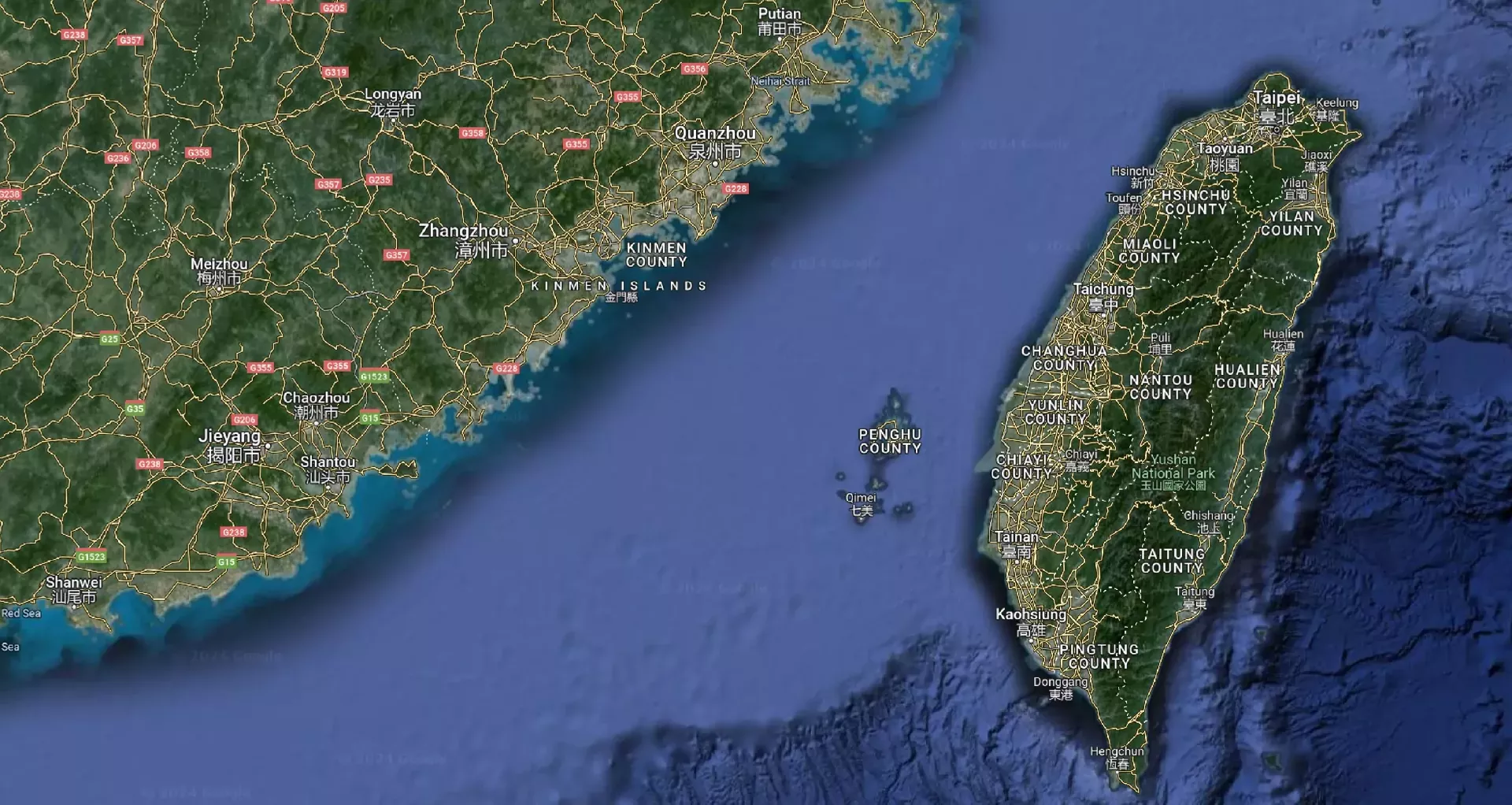
The incident, which Taiwan described as "tragic," claimed the lives of two Chinese fishermen, while two other fishermen were injured. China used this as an opportunity to try to impose its rules near the Kinmen islands, reviving Cold War fears when the area was a scene of military conflict.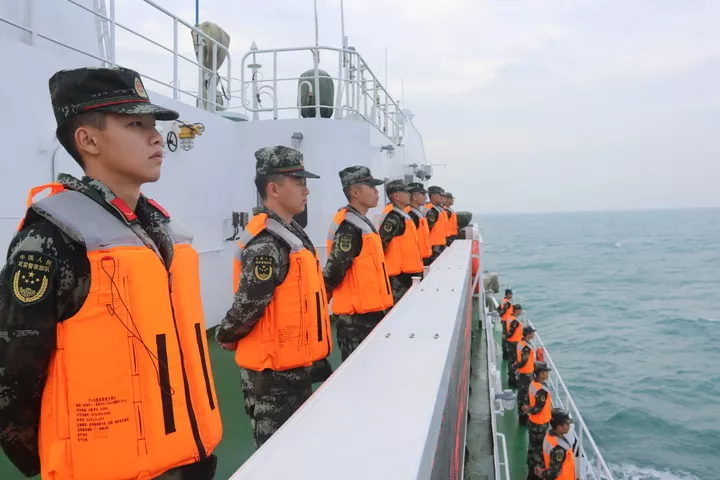
Kinmen - islands that cannot be defended from China
The story of the Kinmen islands, also known as Quemoy, in many segments reflects the history of relations between Washington and Beijing after World War II. On this group of islands, located just ten kilometers from the Chinese coast and about 170 kilometers from Taiwan, a conflict took place that could have ended with the use of American nuclear weapons.
Although the Kinmen islands are far from Taiwan, the refugee government claimed rights to them, which displeased the communist authorities, so they launched a military attack in 1949. Taiwanese forces repelled the attack. This attempt by Beijing was supposedly meant to be a prelude to an attack on Taiwan. A year later, Taiwanese forces repelled a new attack, even though the communists had landed on the island.
Humiliating defeats for Beijing were not forgotten, so conflicts were renewed on two occasions (1954-1955 and 1958), but Taiwanese forces retained control of the islands. As early as 1954, the United States considered defending the islands even with nuclear weapons, meaning that the communists should not be allowed to break the democratic government in Taiwan.
During the 1960 presidential debate between Senator John F. Kennedy and Republican Vice President of the United States Richard Nixon, the future president said that the Kinmen islands were militarily indefensible, while the Republican advocated the position that they must be defended.
After Kennedy's victory, relations between Washington and Beijing began to thaw, at least regarding these islands, and by the beginning of this century, the area was opened to people from both sides of the strait, although various incidents during the Cold War claimed many lives.
The islands, with about 130,000 inhabitants, remain under Taiwan's administration to this day, and military forces are stationed there. However, things are changing, especially regarding the balance of power. The fact that China cannot establish sovereignty just ten kilometers from its coast is certainly a frustration for its leaders.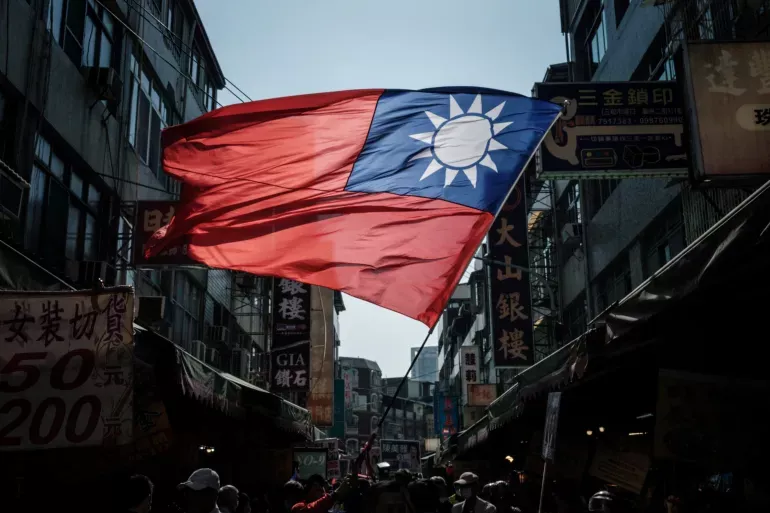
The border (does not) exist
The Chinese navy patrols around the Kinmen islands, which began this week, are effectively an attempt by Beijing to undermine the authority of the government in Taipei. Reacting to this move by Beijing, Taipei stated that it is a de facto violation of agreements on prohibited or restricted access zones. Beijing responded that no such agreements exist, which is understandable from the Chinese perspective since they see Taiwan as part of their territory.
In other words, China signaled that it adheres to (in)formal agreements with Washington, and a 1979 US law specifically addresses the issue of Kinmen. That law states that Washington's policy is to consider the quarantine of Taiwan, i.e., its isolation, as a threat to the peace and security of the Western Pacific region and concerns the United States, but it does not cover Kinmen.
Essentially, this means that Washington does not see the isolation of Kinmen as the isolation of Taiwan, meaning different standards apply to the two cases. The mild reaction of US authorities to this case confirms this, leaving Taipei to worry about Kinmen. In this specific case, this means relying on its own military capabilities based on American weapons, as Washington is preoccupied with even greater concerns in Europe, the Middle East, and awaiting the US presidential elections in November.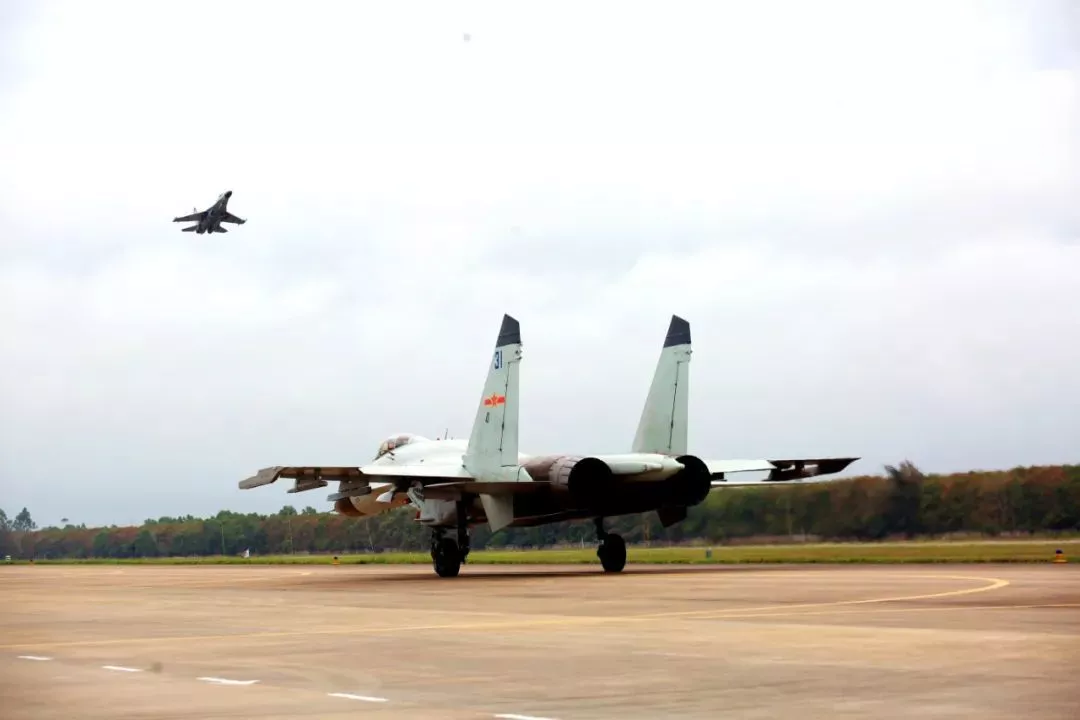
China's game
China is trying to use the incident with the fishermen and the Taiwanese coast guard to abolish Taipei's jurisdiction, i.e., to limit its authority. The fact that this case is not being handled by the Chinese military or navy, but by the Chinese coast guard, indicates a well-thought-out plan. Last year, the military transferred about twenty corvettes to the coast guard.
The strengthened coast guard will deal with this, for China internal, issue, signaling that it could resort to similar operations elsewhere. Beijing could thus project its power on "its" territory, reducing the risk of a clash with the US Navy, which regularly sails off the coast of Taiwan, towards the South China Sea and the coasts of Japan, where China has interests and a similar pattern of behavior. Such is the case, for example, with the Senkaku Islands under Japanese control, which Taiwan calls Diaoyutai and China calls Diaoyu.
How quickly China will proceed with the implementation of such a plan is unknown, but it is certain that it will not give up on the return of Taiwan under its control. After all, China's sovereignty over Taiwan is recognized by all major powers and almost all countries in the world. America's preoccupation with other issues makes their job easier, and now China must be careful to finish things "under the radar," also without excessively angering the Taiwanese population, which could strongly oppose this policy and demand further strengthening of the military from the authorities.
The elections on the renegade Chinese island showed differences within Taiwanese society, but also the importance of Taiwan for the American strategy in the Pacific, which Beijing often tests. In three and a half years, Chinese military aircraft have conducted nearly 5,000 flights into Taiwan's air defense zone, according to US media. Many believe that the Taiwan Strait is in a state of crisis, as Chinese ships and aircraft increasingly enter what Taiwan considers its territory.

With this move, China is eroding the status quo to the detriment of Taiwan, which can hardly keep up with this game if it does not want a direct conflict. In the long run, this could create a different picture on the ground, and Washington would have to accept it, because it is hard to imagine that the US military could drive the Chinese away from some islands without it escalating into a war between the two largest world powers.
What is happening these days between China and Taiwan could be an announcement of a new dynamic off the coast of China, i.e., more broadly in the Pacific. The more preoccupied Washington is with other parts of the world, the greater China's success will likely be.
Komentari (0)
Prijavite se za komentiranje
PrijavaJos nema komentara. Budite prvi!
Minuta
Sve →Iz drugih kategorija

High Representative Not Elected: Germans, French and British Sabotaged Americans, New Attempt at End of June

ČOVIĆ WITHOUT MERCY: How Those Who Brought Ademović to Office Created a Political Hell for Him



Sunny Saturday, quite warm



Tragedy in Albanian resort: Two minors drown












